TP904L Stainless Pipes for Seawater Desalination in Japan – 日本海水淡水化向けTP904Lステンレス管

DLSS - Market Insights – Japan - TP904L Stainless Pipes for Seawater Desalination in Japan – 日本海水淡水化向けTP904Lステンレス管

Introduction

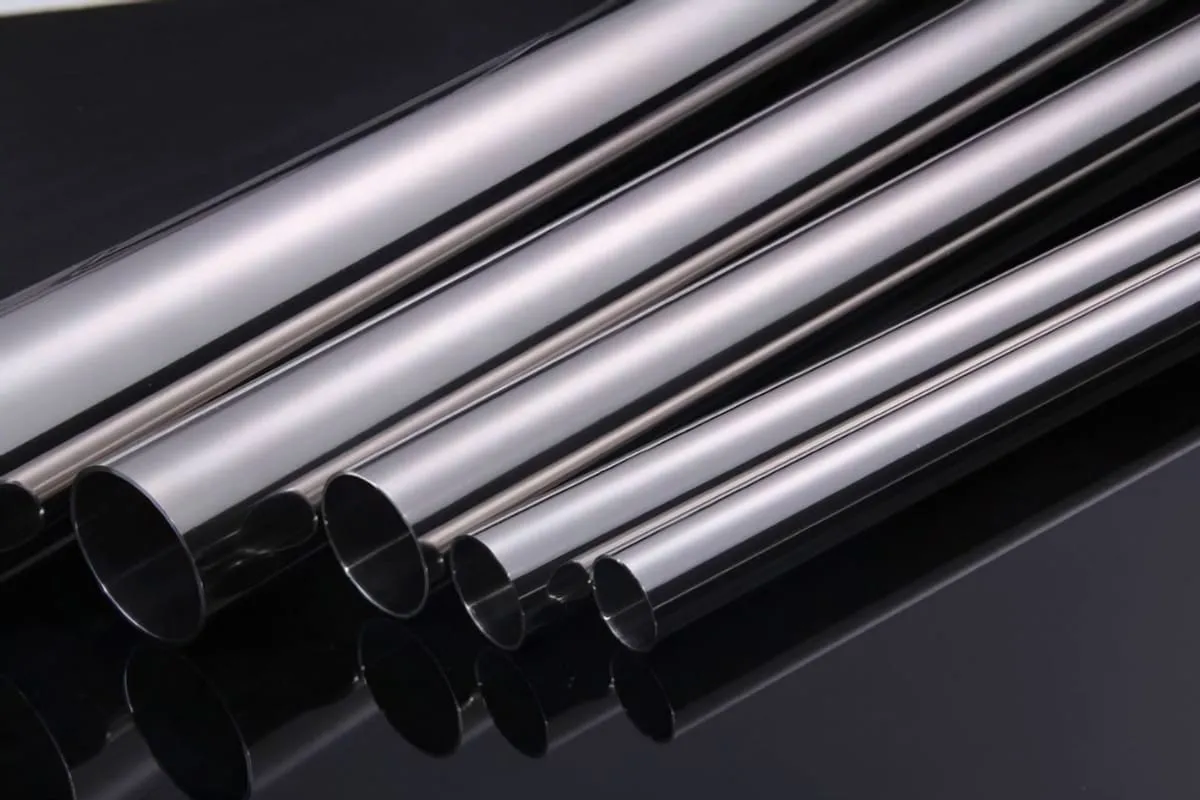
Japan’s seawater desalination plants operate in highly corrosive environments due to the presence of chlorides and high salinity. TP904L stainless pipes from DLSS offer superior resistance to pitting and crevice corrosion, making them an ideal choice for JIS G3459 – Stainless Steel Pipes for Corrosion Resistance compliance in marine applications.


1. Why TP904L for Desalination(海水淡水化にTP904Lが選ばれる理由)

  • High Nickel Content (25%) – enhances chloride stress corrosion resistance
  • Copper Addition – improves resistance to sulphuric acid and seawater attack
  • Low Carbon Design – prevents carbide precipitation during welding

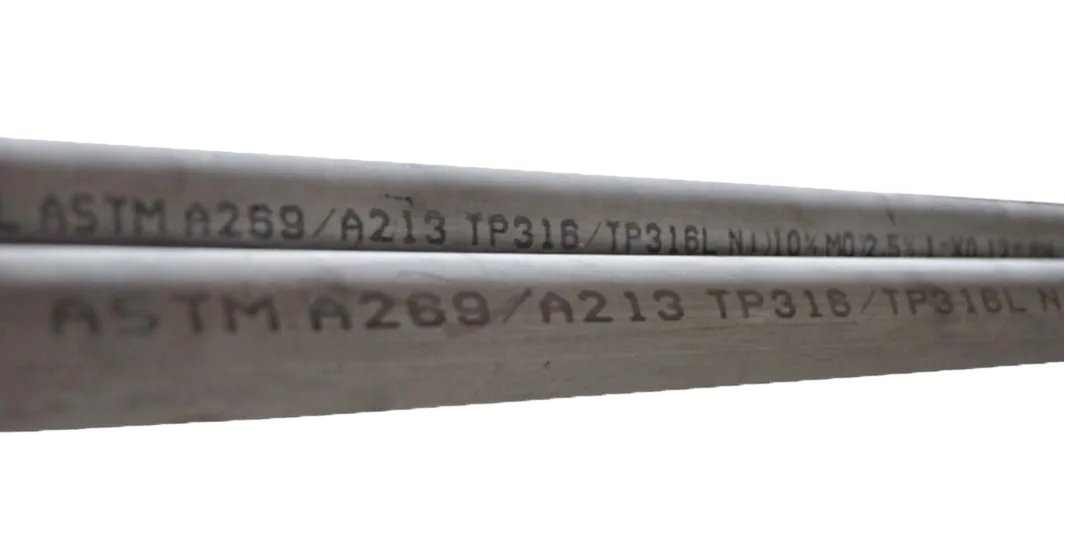
2. JIS & ASTM Dual Compliance(JISとASTMの両方に準拠)

DLSS supplies JIS G3459 TP904L pipes with:


3. Applications in Japanese Desalination Plants(日本の淡水化プラントでの用途)

  • Seawater intake pipelines
  • High-pressure brine lines
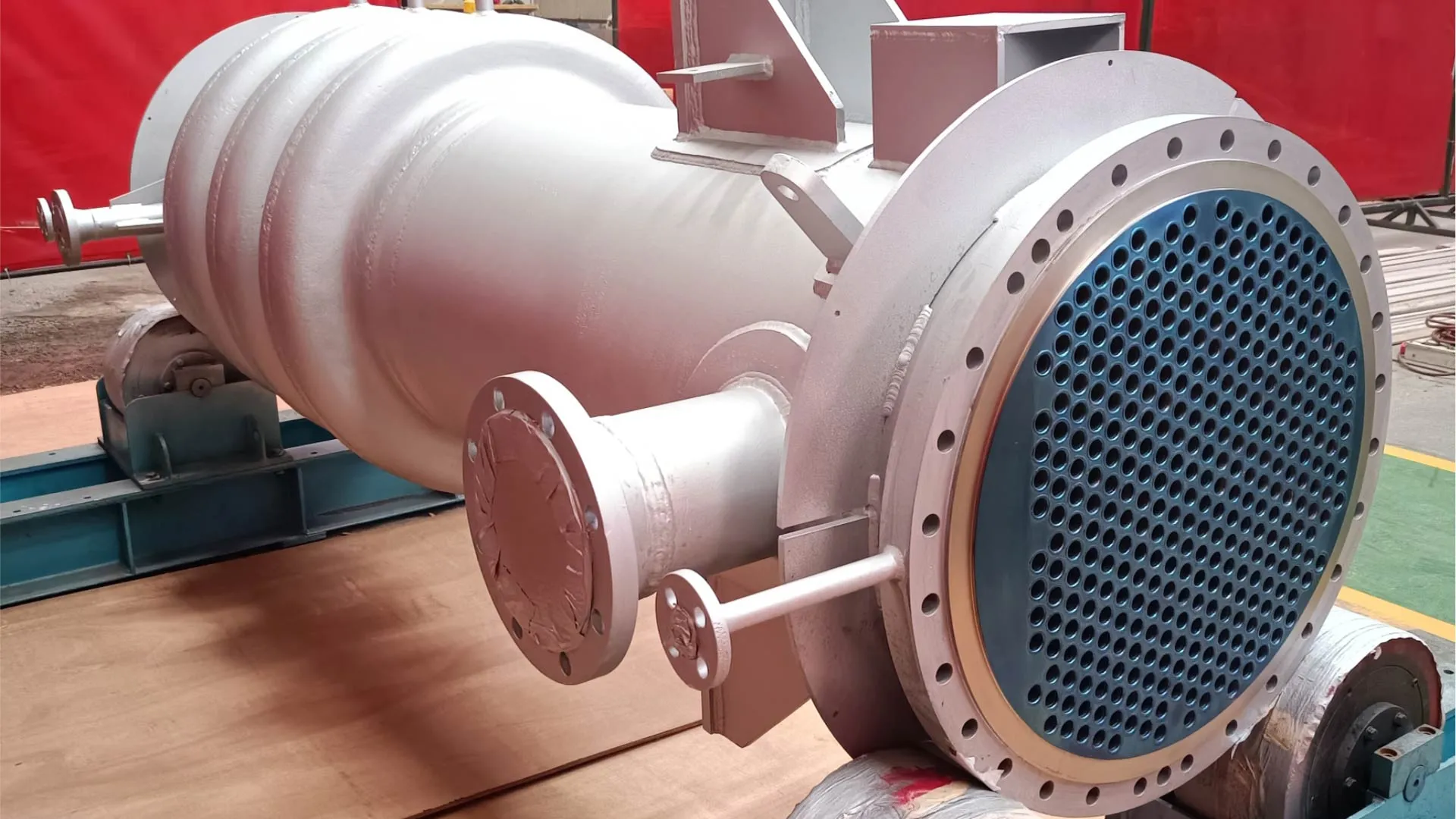
  • Heat exchanger piping systems
  • Reverse osmosis (RO) frame structures

4. Packaging for Marine Shipment(海上輸送用の梱包)


5. Why Japanese Buyers Choose DLSS(日本バイヤーがDLSSを選ぶ理由)

  • Proven track record in Japanese marine projects
  • Ability to customize wall thickness & length
  • Over 30 years of stainless pipe manufacturing expertise

FAQ(よくある質問)

Q1: Which JIS standard covers TP904L pipes for seawater applications?
A1: JIS G3459 is the main standard, with optional ASTM A312 dual certification.

Q2: How does TP904L compare to 316L in seawater corrosion resistance?
A2: TP904L performs significantly better in chloride-rich environments due to its high nickel and copper content.

Q3: Can DLSS provide TP904L with special surface finishes for desalination?
A3: Yes, we can provide pickled, polished, or passivated surfaces to enhance corrosion resistance.

Q4: What sizes of TP904L pipes are commonly used in Japanese desalination plants?
A4: Typical sizes range from 25.4 mm to 508 mm OD, with wall thicknesses from 1.65 mm to 12.7 mm.

Q5: How long is the lead time for TP904L delivery to Japan?
A5: Generally 40–55 days from order confirmation, depending on production schedule.

Wonderful! Share This Case:

Austenitic Stainless Steel

Duplex Stainless Steel

Nickel Alloys

▪ Incoloy Family

▪ Inconel Family

▪ Monel Family

▪ Hastelloy Family

▪ Other Special Alloys

Cobalt Alloys

Related Posts

Shell and Tube Heat Exchanger Design Considerations for Optimal Performance

Shell and Tube Heat Exchanger

1. Introduction – Shell and Tube Heat Exchanger Design A shell and tube heat exchanger is one of the most widely used heat exchanger types in industrial applications due to its versatility, durability, and ability to handle high pressures and temperatures. When planning a new installation or upgrading existing equipment, it is essential to consider […]

Read More
Best Material for Seawater Heat Exchanger: 5 Options Compared for Corrosion Resistance and Performance

Best Material for Seawater Heat

1. Introduction – Best Material for Seawater Heat Exchanger Selecting the best material for seawater heat exchanger applications is critical because marine environments are highly corrosive. The wrong choice can lead to rapid degradation, costly repairs, and even complete system failure. If your priority is boosting efficiency, read 5 Proven Ways to Improve Heat Exchanger […]

Read More
Selecting Stainless Steel Tubes for Seawater, Desalination, and Marine Applications (2025 Guide)

Selecting Stainless Steel Tubes for

Why Seawater and Desalination Systems Require Specialized Tubing Seawater contains high concentrations of chlorides, which are extremely aggressive toward most conventional stainless steels. In marine environments or desalination plants, tubes are exposed to continuous flow of saline water, biofouling, crevice conditions, and temperature fluctuations. To ensure long service life and avoid premature failure due to […]

Read More

Stainless Steel Seamless Pipe for

Meta Description:Explore how stainless steel seamless pipes tested to NACE MR0175 / ISO 15156 and MR0103 standards ensure safety in sour service environments. Learn about SSC, HIC, and corrosion resistance. Introduction Sour service environments—such as oil and gas fields containing hydrogen sulfide (H₂S)—pose serious challenges to piping materials. Without the proper metallurgy and testing, stainless […]

Read More
Energy-Saving Tips for Industrial Heat Exchangers

Energy-Saving Tips for Industrial Heat

1. Introduction – Energy Savings in Heat Exchangers Industrial facilities often spend a significant portion of their energy budget on heating and cooling processes. Optimizing heat exchanger performance not only lowers energy consumption but also extends equipment life and reduces maintenance costs. This guide shares proven strategies to maximize energy efficiency in shell and tube […]

Read More
Stainless Steel Tube Failures in Heat Exchangers: Root Causes and How to Prevent Them

Stainless Steel Tube Failures in

Meta Description:Discover the top reasons stainless steel tubes fail in heat exchangers and how to prevent them. Learn from DLSS’s real-world case studies and proven solutions. Introduction Heat exchangers are essential components in power plants, refineries, HVAC systems, and chemical processing. Yet, even with premium-grade stainless steel tubes, failures can occur—leading to leaks, shutdowns, and […]

Read More
How to Interpret EN 10204 3.1 and 3.2 Material Certificates in Industrial Audits

How to Interpret EN 10204

Introduction In large-scale industrial projects—refineries, power plants, LNG terminals, or chemical facilities—material traceability is non-negotiable. Clients, third-party inspectors, and auditors often require EN 10204-compliant inspection certificates for stainless steel pipes, fittings, flanges, or pressure parts. But what do terms like 3.1 or 3.2 certificate actually mean? This article breaks down the types of EN 10204 […]

Read More
Choosing the Right Pipe Materials for the Oil & Gas Industry

Choosing the Right Pipe Materials

Meta Description:The oil & gas industry demands corrosion-resistant, high-pressure-rated piping solutions. Learn how to select the best pipe materials for upstream, midstream, and downstream applications. Introduction In the oil and gas sector, pipelines are more than just infrastructure—they are lifelines of the operation. From offshore rigs and sour gas fields to refineries and LNG terminals, […]

Read More

Request A Quote

*We respect your confidentiality and all information are protected.