Spiral Finned Tube vs Extruded Finned Tube: Which is Better for Your Project?

DLSS - Finned Tube Knowledge Hub - Spiral Finned Tube vs Extruded Finned Tube: Which is Better for Your Project?

When selecting spiral finned tube vs extruded finned tube for a heat exchanger, engineers must weigh performance, durability, and operating costs. Both fin types enhance heat transfer, but their differences can significantly affect long-term efficiency.

If you’re new to finned tubes, start with What is a Finned Tube and How It Improves Heat Exchanger Efficiency. For material-specific guidance, see our Finned Tube Material Selection Guide.


1. What is a Spiral Finned Tube?

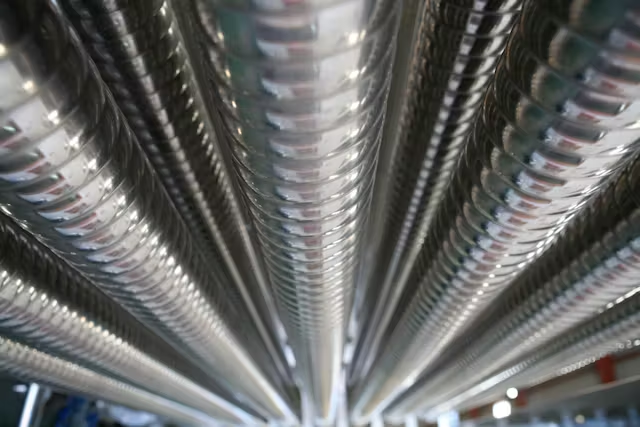
A spiral finned tube is made by helically winding a metal strip (often carbon steel or stainless steel) around the base tube and welding it for a strong mechanical bond.

Advantages:

  • High mechanical strength for high-temperature gases
  • Cost-effective for large heat exchanger projects
  • Excellent for boilers, petrochemical plants, and industrial heaters

Limitations:

  • Lower corrosion resistance than extruded fins
  • Potential for fouling in harsh environments

2. What is an Extruded Finned Tube?

An extruded finned tube is produced by mechanically extruding aluminum or copper fins over the tube surface, creating a continuous bond without welding.

Advantages:

Limitations:

  • Higher initial cost
  • Limited to specific fin materials

3. Spiral vs Extruded: Performance Comparison

FeatureSpiral Finned TubeExtruded Finned Tube
Heat TransferHighHigh
Corrosion ResistanceModerateExcellent
CostLowerHigher
Temperature ResistanceVery HighHigh
Best ApplicationsBoilers, heatersOffshore, seawater cooling

4. How to Choose the Right Finned Tube

  • For high-temperature, budget-conscious projects → choose spiral finned tubes
  • For corrosive or marine conditions → select extruded finned tubes
  • Always consider lifecycle costs, not just initial price

5. Learn More


DLSS supplies both spiral finned tube and extruded finned tube solutions with precision manufacturing and strict quality control.

Contact us today at info@dlsspipe.com or visit www.dlsspipeline.com for a custom heat exchanger finned tube quote.

Wonderful! Share This Case:

Austenitic Stainless Steel

Duplex Stainless Steel

Nickel Alloys

▪ Incoloy Family

▪ Inconel Family

▪ Monel Family

▪ Hastelloy Family

▪ Other Special Alloys

Cobalt Alloys

Related Posts

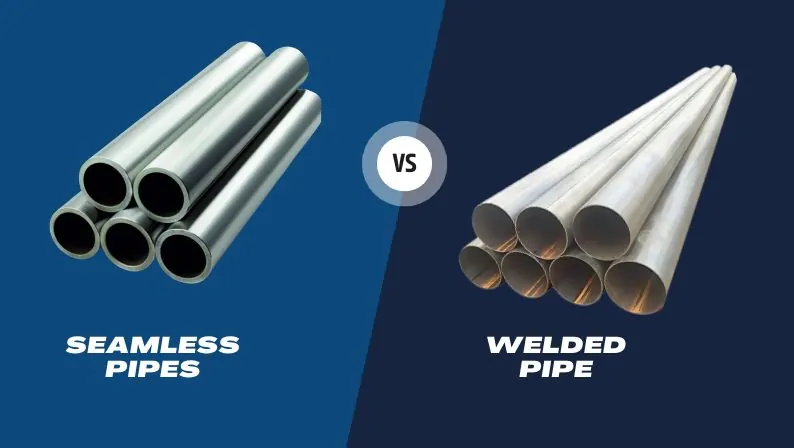
Welded vs. Seamless Tubes: Which

Choosing between welded and seamless tubes can impact your heat exchanger’s performance, durability, and cost. While both have their place, understanding their differences helps engineers and purchasers make informed decisions. In this blog, we compare these two types of stainless steel tubes and highlight where each one excels. 1. Manufacturing Process This difference affects the structural integrity and mechanical […]

Read More
Green Energy and ESG: How Sustainability Is Reshaping the Stainless Steel Seamless Tube Market

Green Energy and ESG: How

The stainless steel seamless tube industry is undergoing a quiet but profound transformation—not just driven by technical demands, but by Environmental, Social, and Governance (ESG) goals and the global energy transition. As governments, investors, and end-users demand cleaner, longer-lasting, and traceable materials, tube manufacturers are under growing pressure to reduce carbon footprint, improve transparency, and […]

Read More
Super Duplex Seamless Tubes (SA789 S32205) for Long-Length Heat Exchangers

Super Duplex Seamless Tubes (SA789

Introduction Heat exchangers operating in corrosive and high-pressure environments require tube materials with superior mechanical properties and corrosion resistance. One typical customer requirement highlights the importance of super duplex seamless tubes (SA789 S32205) in long-length applications. With outside diameters of 25.4 mm, thin wall thickness, and lengths exceeding 18 meters, these tubes represent a challenging […]

Read More

Everything You Need to Know

What Are Inner Grooved Coil Tubes? Inner grooved coil tubes, also known as ribbed tubes or micro-fin tubes, are seamless or welded coil tubes with precisely formed helical grooves on the internal surface. These grooves increase turbulence in fluid flow, thereby enhancing the heat transfer coefficient. They are widely used in: Why Choose Inner Grooved Tubes?  30–50% better heat transfer than smooth tubes Enhanced […]

Read More
Understanding Electropolished (EP) Tubes – Surface Roughness, Applications, and Manufacturing

Understanding Electropolished (EP) Tubes –

Meta Description:Explore what electropolished (EP) stainless steel tubes are, how they are manufactured, and why they are essential for ultra-clean applications such as pharmaceuticals, biotechnology, and semiconductors. Introduction In ultra-clean environments like pharmaceutical plants, biotech labs, and semiconductor fabs, the surface of a stainless steel tube must be as smooth and contamination-free as possible. This […]

Read More
Heat Exchangers in the Food and Beverage Industry: Hygienic Design and Stainless Steel Tube Selection

Heat Exchangers in the Food

In the food and beverage (F&B) industry, heat exchangers play a vital role in processes such as pasteurization, sterilization, CIP cleaning, and temperature control in production lines. These systems must meet stringent hygiene requirements, resist corrosion, and maintain high thermal efficiency under continuous operation. This article explores how heat exchangers are used in F&B, the […]

Read More
southeast-asia-industrial-parks-heat-exchanger-demand

Who’s Buying Heat Exchanger Tubes

Southeast Asia is entering a new wave of industrial growth. Governments across the ASEAN region—including Thailand, Vietnam, Malaysia, and Indonesia—are investing billions in industrial parks, refineries, food processing plants, and energy facilities. For global suppliers of heat exchanger tubes, U-bent coils, and industrial stainless steel piping, this presents an exciting opportunity—if you know where to […]

Read More
Stainless Steel Tubes for Desalination Plants: What You Need to Know

Stainless Steel Tubes for Desalination

Meta Description:Explore why stainless steel tubes are essential in desalination plants. Understand material selection, corrosion resistance, and DLSS’s tubing solutions for seawater applications. Introduction As global freshwater demand surges, desalination—the process of turning seawater into potable water—is expanding rapidly. But desalination environments are among the most corrosive and challenging in industrial processing. To withstand high […]

Read More

Request A Quote

*We respect your confidentiality and all information are protected.