Corrosion-Resistant Heat Exchanger Solutions for Offshore Oil & Gas Platforms

DLSS - Pipe&Tube - Corrosion-Resistant Heat Exchanger Solutions for Offshore Oil & Gas Platforms

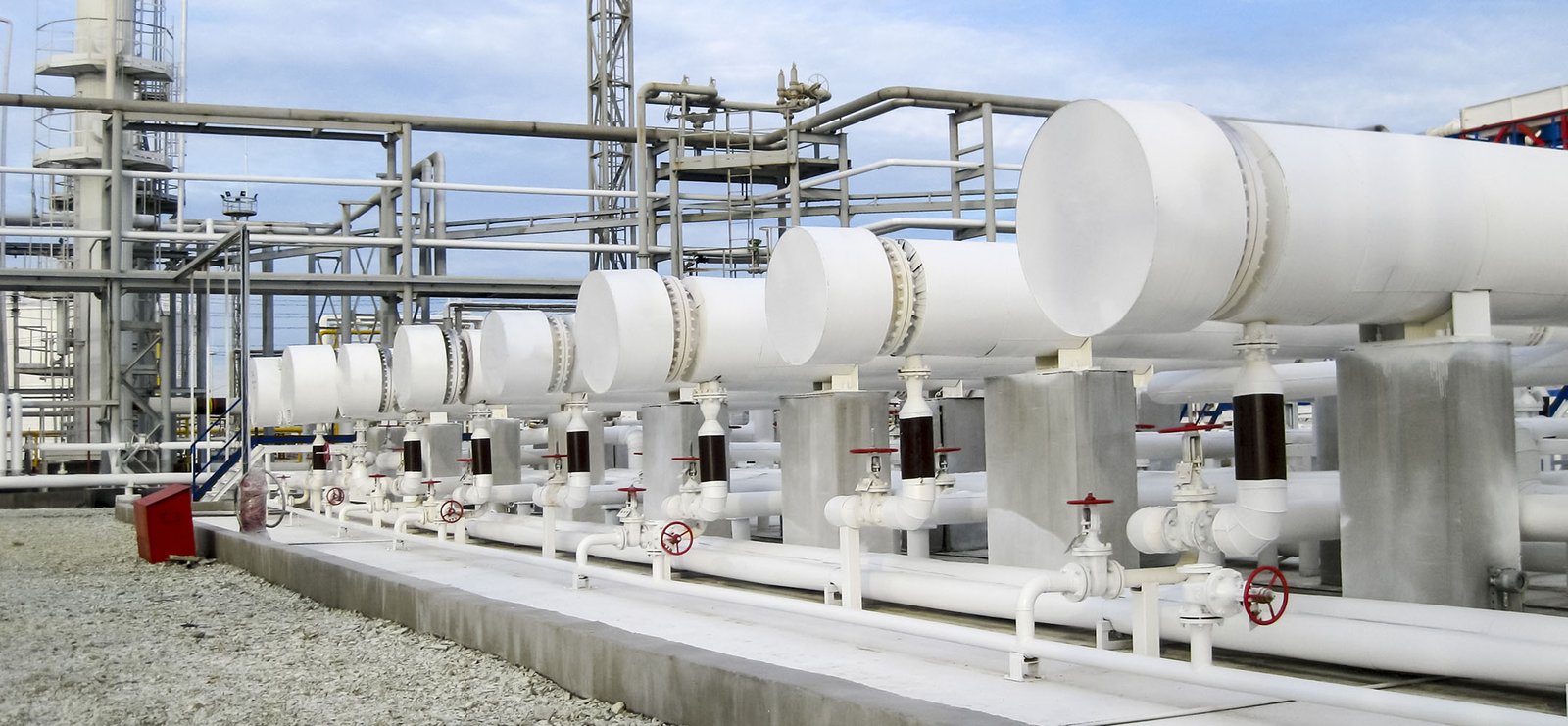
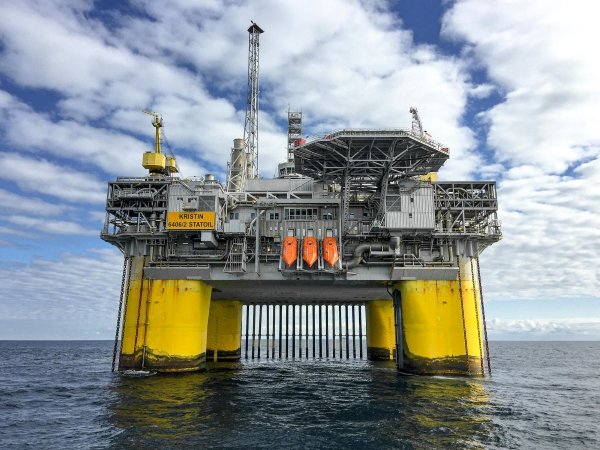
Offshore oil and gas platforms operate in some of the harshest environments on earth—intense humidity, salt spray, hydrogen sulfide, and high-pressure processes. These conditions make corrosion the #1 threat to heat exchanger systems and piping reliability.

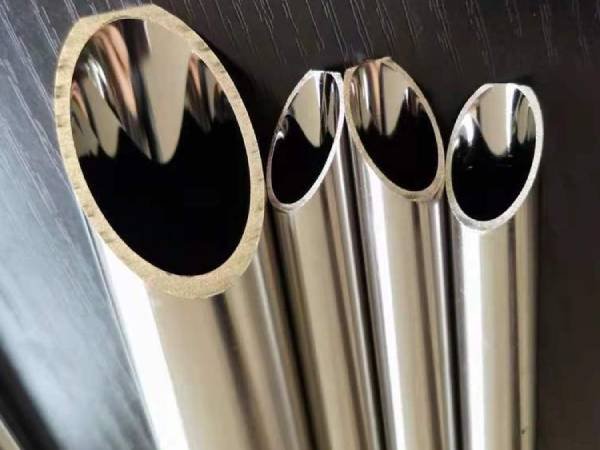
To reduce failures and maintenance costs, operators are turning to advanced stainless steel and duplex alloy tubes as the core solution for offshore heat exchangers.


1. The Offshore Corrosion Challenge

Key corrosion risks on offshore rigs include:

  • Seawater corrosion (pitting, crevice attack) from open-loop cooling systems
  • Sour service (H₂S exposure) in gas dehydration and amine units
  • Stress corrosion cracking (SCC) due to high chloride and thermal cycling
  • Galvanic corrosion when dissimilar metals are used in bundle assemblies

According to DNV, corrosion-related failures account for over 30% of unplanned downtime in offshore operations—much of it related to cooling, separation, or utility systems.
offshore-oil-gas-corrosion-resistant-heat-exchanger-tubes

2. Where Heat Exchanger Tubes Are Used Offshore

Application AreaTube Function
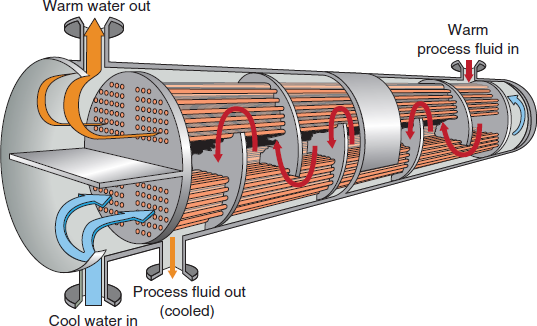
Crude oil coolersReduce temperature before separation or export
Gas dehydration unitsHeat and reboil glycol or amine solutions
Seawater-cooled condensersCondense process gases using seawater
Closed-loop platform coolingRemove heat from compressors, turbines, or control rooms

3. Materials That Outperform in Offshore Conditions

Austenitic Stainless Steel (TP316L / TP317L)

  • Used in moderate chloride environments (≤1000 ppm)
  • Easy to fabricate and weld
  • Pickled and passivated for enhanced corrosion resistance

Duplex Stainless Steel (S32205 / S32750)

  • Higher strength and chloride pitting resistance (PREN > 35)
  • Suitable for seawater, brine, and amine-rich systems
  • Often used in accordance with NORSOK M-630

Super Austenitic / Nickel Alloys (904L / 625)

  • For ultra-aggressive or sour gas conditions
  • High Ni-Mo-Cr content to resist crevice and pitting corrosion
offshore-oil-gas-corrosion-resistant-heat-exchanger-tubes

4. What Offshore Operators Expect from Tube Suppliers

RequirementDetails
NDT reports100% eddy current, hydrostatic or air under water testing
Heat treatmentSolution annealing + passivation
EN 10204 3.2 / Third-party inspectionRequired by many IOCs and offshore EPCs
Project traceabilityFull control from melt to final shipment
Marking and seaworthy packagingBundle tags, alloy identification, anti-corrosion wrapping

Suppliers who support early involvement in material selection, engineering drawings, and inspection plans often win long-term contracts.
offshore-oil-gas-corrosion-resistant-heat-exchanger-tubes

5. DLSS Capabilities

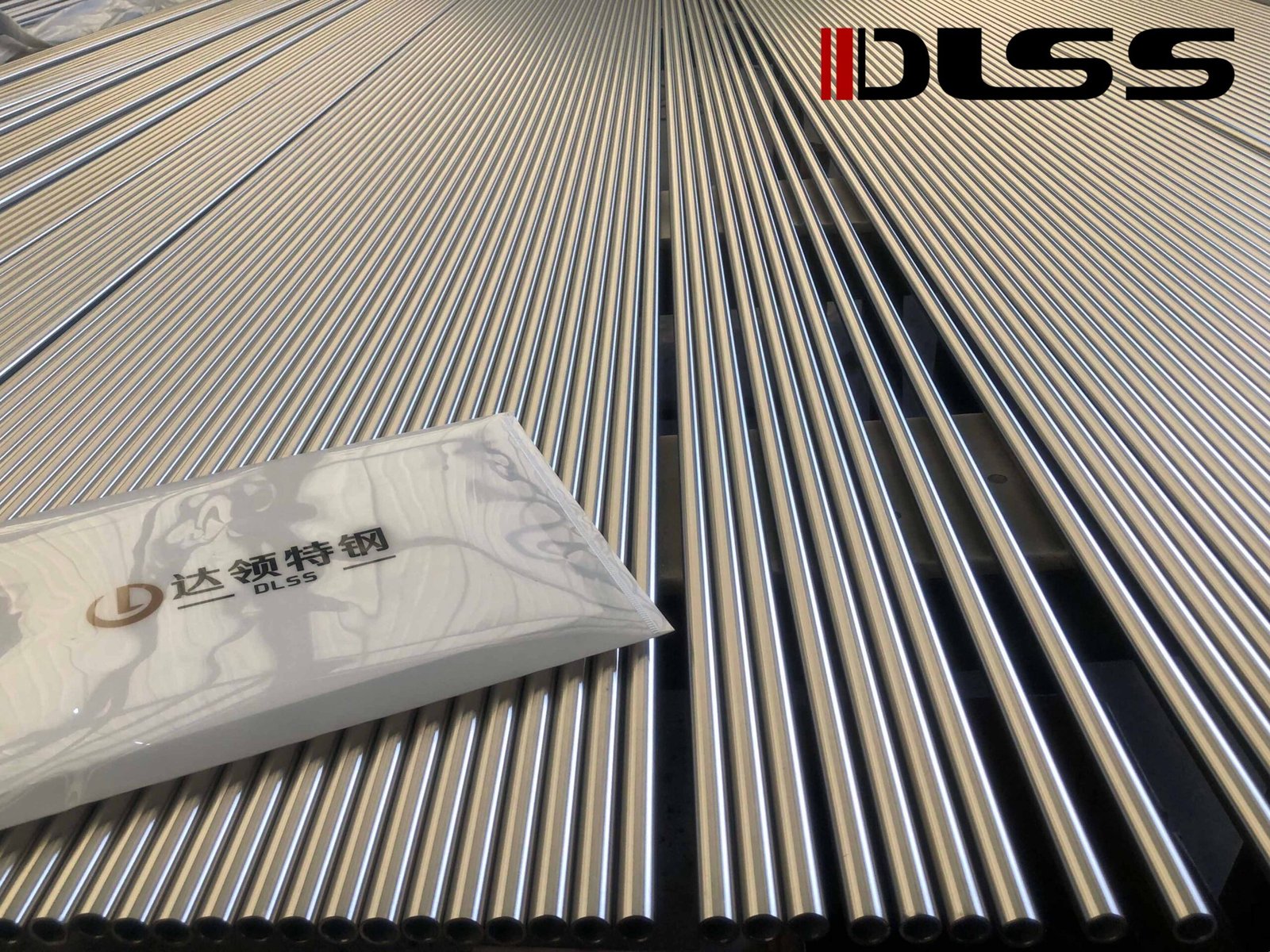
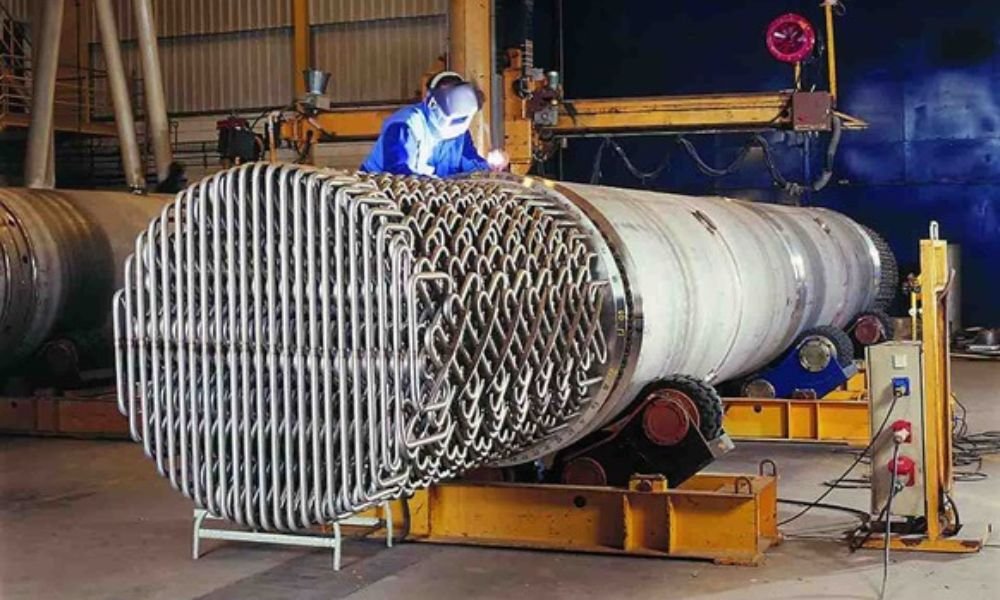
DLSS offers duplex and austenitic stainless tubes specifically engineered for offshore heat exchanger systems. Our products are 100% tested, PED/ASME certified, and seaworthy packed with full traceability. We’ve supported offshore projects in UAE, Norway, and Malaysia with finned U-tubes, straight bundles, and seawater-grade alloys.


Frequently Asked Questions (FAQ)

Q1: What’s the best stainless steel grade for seawater-cooled heat exchangers?
A: For temperatures below 60°C, S32205 (duplex) is excellent. For higher temperatures or aggressive conditions, S32750 or 904L is preferred.

Q2: Do all offshore projects require EN 10204 3.2 certificates?
A: Many do—especially when supplying to European oil majors (e.g., Equinor, TotalEnergies). Check tender specifications.

Q3: Can DLSS handle small-batch or urgent offshore projects?
A: Yes. We can support flexible MOQ, expedited production, and third-party inspections for shutdown or emergency projects.

Q4: How are tubes protected during marine shipment?
A: Tubes are capped, wrapped in VCI film or oil paper, bundled with alloy tags, and loaded in fumigated wooden crates or steel racks.


Conclusion: Strong Tubes for Rough Waters

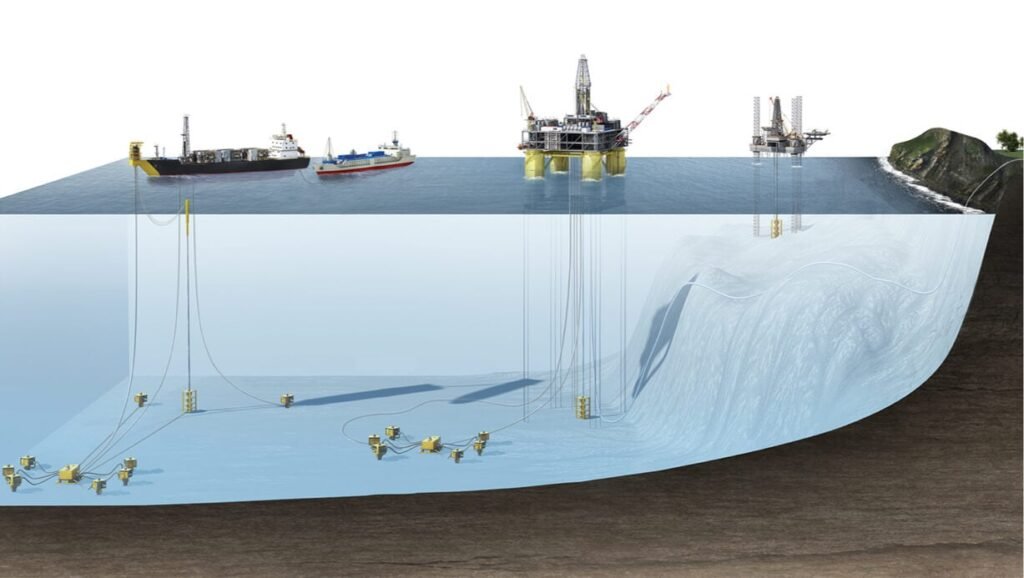
Offshore operations don’t forgive weak materials. From FPSOs to gas dehydration skids, every tube must resist corrosion, thermal stress, and failure under pressure.

With the right alloy, treatment, and documentation, stainless steel tube manufacturers can become strategic partners—not just suppliers—in offshore energy’s most critical systems.

The future of energy lies partly at sea—and the right tube makes that future possible.

Wonderful! Share This Case:

Austenitic Stainless Steel

Duplex Stainless Steel

Nickel Alloys

▪ Incoloy Family

▪ Inconel Family

▪ Monel Family

▪ Hastelloy Family

▪ Other Special Alloys

Cobalt Alloys

Related Posts

Corrosion Resistance in Marine Applications: Stainless Tubes for Japan(海洋用途における耐食性:日本向けステンレスチューブ)

Corrosion Resistance in

1. Introduction Japan, an island nation surrounded by seawater, faces constant challenges from 塩化物腐食 (chloride corrosion) in its marine industries. Stainless steel tubes with high corrosion resistance are essential in 海水淡水化プラント (seawater desalination plants), offshore oil & gas facilities, and shipbuilding. DLSS specializes in supplying marine corrosion resistant tube Japan...

Read More
High-Frequency Welded Finned Tubes: Advantages and Ideal Applications

High-Frequency Welded Finned

High-frequency welded finned tubes are one of the most widely used designs in industrial heat exchangers due to their strong metallurgical bonding and excellent heat transfer capabilities. This manufacturing method ensures a durable, efficient, and long-lasting solution for demanding thermal applications. If you are unfamiliar with finned tubes in general,...

Read More
Pickling vs Bright Annealing: Which Surface Treatment Is Best for Stainless Steel Tubes?

How to Select

Introduction In high-pressure systems, tubing failure isn’t just costly—it can be catastrophic. Whether you’re building an offshore platform, a hydraulic power unit, or a supercritical fluid system, choosing the right tubing is critical. This guide breaks down the key factors to consider when selecting high-pressure stainless steel and alloy tubing,...

Read More
Best Material for Seawater Heat Exchanger: 5 Options Compared for Corrosion Resistance and Performance

Seawater Heat Exchanger

Choosing the right seawater heat exchanger tube materials is one of the most important steps in a seawater heat exchanger project. Seawater contains chlorides and dissolved oxygen. It can cause corrosion very fast if the tube material is not suitable. Common problems include: For engineers and buyers, the best material...

Read More
U-Bent Heat Exchanger Tubes: Precision and Reliability for Industrial Efficiency

U-Bent Heat Exchanger

Introduction In complex thermal systems—such as boilers, condensers, and heat recovery units—U-bent stainless steel tubes offer a compact, efficient, and high-performance solution. Their curved design allows for greater heat transfer in limited space, with minimal pressure loss and easier maintenance access. These tubes are particularly valuable in South American energy...

Read More
How to Select the Right Stainless Steel Seamless Pipe for Projects in South America

How to Select

Introduction South America is home to diverse industries—from refineries in Brazil to mining operations in Chile, and LNG terminals in Colombia. Each project comes with its own environmental, technical, and regulatory challenges. Choosing the wrong pipe material or finish can result in: This article offers a practical guide for EPC...

Read More
A Guide to Bright Annealed Stainless Steel Tubes – Benefits, Production, Applications

A Guide to

Introduction In industries where surface finish, corrosion resistance, and cleanliness are critical, Bright Annealed (BA) stainless steel tubes are the preferred solution. With a mirror-like internal and external finish, these tubes not only look premium—they perform better in corrosive and high-purity environments. At DLSS, we manufacture and export high-precision BA...

Read More

Seamless vs Welded

Introduction One of the most common engineering decisions in piping systems is: “Should we use seamless or welded stainless steel pipes?” While both types comply with international standards, they differ significantly in: This article compares seamless vs. welded pipes in detail to help engineers, EPC contractors, and project managers select...

Read More

Request A Quote

*We respect your confidentiality and all information are protected.