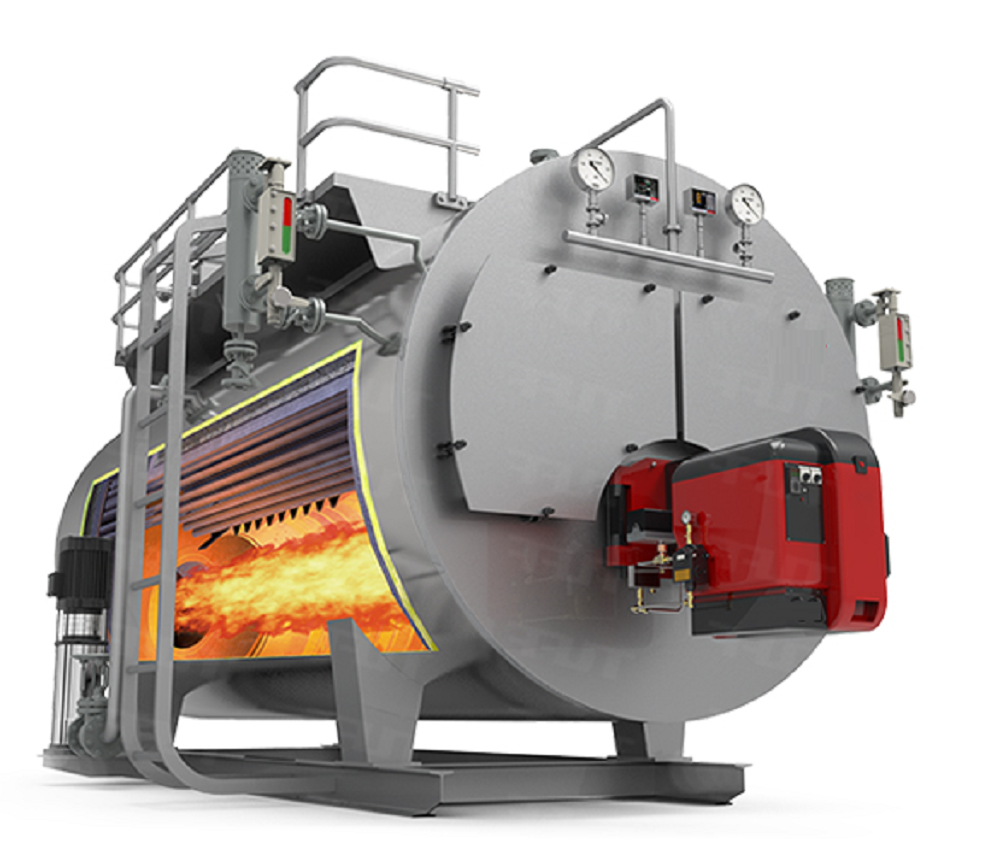
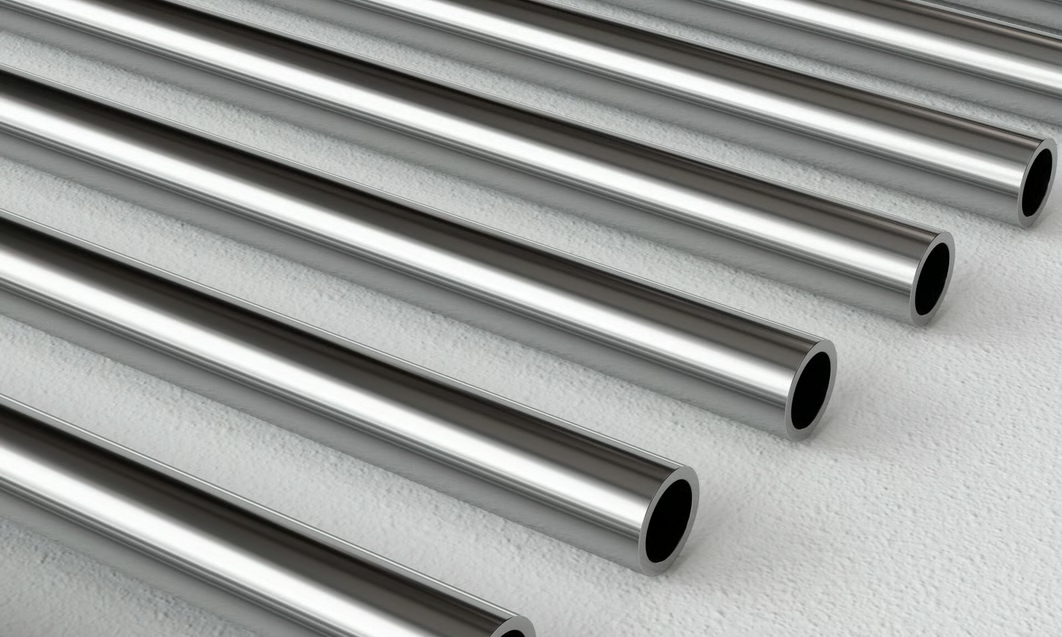
For stainless steel heat exchanger tubes, grain size is not always the first item buyers mention in an RFQ. Most projects start with grade, outside diameter, wall thickness, length, heat treatment, surface finish, and testing requirements.
However, in high-specification heat exchanger projects, grain size can become an important quality factor. It may affect corrosion resistance, forming behavior, U-bend quality, high-temperature performance, and final MTC compliance.
At DLSS, we often see grain size questions appear in projects involving U-tubes, bright annealed tubes, high-temperature stainless steel grades, duplex stainless steel, super duplex stainless steel, and tubes supplied for chemical plants, refineries, boilers, condensers, shipbuilding, and power plants.
This article explains when grain size matters, how ASTM E112 is used, how buyers can write grain size requirements in an RFQ, and what should be checked before shipment.
Quick Answer
Grain size should be reviewed when the tube application requires stable corrosion resistance, reliable bending performance, high-temperature service, or strict project documentation.
For general stainless steel tube orders, grain size testing may not be required. But if the end user, EPC contractor, or project specification mentions grain size, the requirement should be confirmed before production.
The key point is simple:
If grain size is important, do not leave it unclear until final inspection. It should be written in the RFQ, purchase order, inspection plan, and MTC requirement.
What Is Grain Size in Stainless Steel Tubes?
Grain size refers to the size of metal grains in the microstructure of stainless steel. These grains are formed and changed during hot working, cold working, and heat treatment.
Grain size cannot be checked by visual inspection. A tube may have a clean and bright surface, but its internal microstructure can only be confirmed by metallographic examination.
ASTM grain size is usually expressed by a grain size number. In general, a higher ASTM grain size number means finer grains, while a lower number means coarser grains.
But finer grain size does not automatically mean better performance. The suitable grain size depends on the material grade, service temperature, forming requirement, corrosion environment, and project specification.
For this reason, buyers should avoid simply asking for “finer grain size.” A better question is:
“What grain size requirement is suitable for this material grade and service condition?”
Why Grain Size Matters in Heat Exchanger Tubes
Heat exchanger tubes often work under pressure, temperature change, fluid flow, vibration, corrosion media, and sometimes bending stress. Grain size can influence several important areas.
1. Corrosion Resistance
Stainless steel heat exchanger tubes may be used in seawater, chloride-containing water, chemical solutions, steam condensate, or process fluids.
A uniform and properly controlled microstructure helps support stable corrosion performance. If heat treatment is not well controlled, the microstructure may become uneven, increasing the risk of corrosion-related problems in demanding service.
For grades such as TP316L, 904L, 2205, 2507, and nickel alloy tubes, buyers should not only check chemical composition. Heat treatment condition, surface condition, testing records, and metallographic requirements should also be reviewed when required by the project.
2. U-Bend Formability
Many shell-and-tube heat exchangers use U-tubes. During U-bending, the tube is plastically deformed. The outer radius is stretched, the inner radius is compressed, and the bend area becomes more sensitive than the straight section.
If the grain structure is too coarse, uneven, or not suitable for the bending process, the bend area may have a higher risk of defects.
For critical U-tube projects, grain size should be considered together with bending radius, wall thinning, heat treatment condition, surface inspection, hydrostatic test, eddy current test, and final dimensional inspection.
Buyers should also confirm whether grain size testing is required on the straight section, bend area, or both.
3. High-Temperature Service
Some heat exchanger tubes are used in high-temperature service, such as boilers, heaters, superheaters, reformers, and refinery equipment.
For grades such as TP304H, TP316H, TP321H, TP347H, and TP310H, the project may pay more attention to heat treatment, high-temperature strength, creep-related performance, and grain size control.
In these applications, the grain size requirement should follow the applicable material standard and project specification. It should not be decided only by a general preference for fine grains.
4. MTC and Final Acceptance
For high-specification industrial projects, the end user may check more than the basic grade. The final document package may include:
- Chemical composition
- Mechanical properties
- Heat treatment condition
- Grain size result
- Heat number traceability
- Eddy current test
- Ultrasonic test
- Hydrostatic test
- PMI
- Dimensional inspection
- Surface inspection
- Third-party inspection report
If grain size is required by the project but not shown on the MTC or separate test report, the documentation may be considered incomplete. This can delay final acceptance even when the tubes themselves have already been produced.
When Should Buyers Specify Grain Size?
Not every order needs grain size testing. But buyers should consider specifying it in the following situations:
| Application | Why Grain Size May Matter | Buyer Action |
|---|---|---|
| Shell-and-tube heat exchangers | Corrosion and mechanical stability | Check project specification |
| U-tubes | Bend area formability | Confirm test location |
| Bright annealed tubes | Uniform microstructure and surface quality | Review heat treatment and MTC support |
| High-temperature service | Grade and service condition compliance | Follow standard and project specification |
| Chemical and petrochemical plants | Documentation and traceability | Add requirement to RFQ and inspection plan |
| Duplex / super duplex tubes | Microstructure and corrosion performance | Confirm metallurgical requirements before production |
| Third-party inspected projects | Final acceptance risk | Add grain size to inspection scope if required |
A supplier should not guess the grain size requirement. The buyer should make it clear at the RFQ stage, and the supplier should confirm whether it can be achieved, tested, and reported.
How to Write Grain Size Requirements in an RFQ
If grain size is important for your project, write it clearly in the RFQ. Vague wording can create misunderstanding between the buyer, supplier, inspector, and end user.
Recommended RFQ wording:
“Grain size shall be tested and reported according to ASTM E112. The required grain size shall follow the project specification and applicable material standard. The grain size result shall be shown on the MTC or supported by a separate metallographic test report when required. For U-bend tubes, please confirm whether grain size verification is required on the straight section, bending area, or both. Third-party inspection witness can be arranged before shipment if required.”
This wording helps avoid three common problems:
- The supplier provides a standard MTC without grain size result.
- The buyer requests grain size testing only after production.
- The buyer and supplier disagree on where the sample should be taken.
For critical projects, the grain size requirement should also be included in the Inspection and Test Plan.
What to Check on the MTC
When reviewing the MTC or test report, buyers should not only check whether the words “grain size” appear. They should check whether the result is connected to the correct material, heat number, test method, and acceptance requirement.
Key points to check:
- Material grade, such as TP316L, TP321, TP347H, 904L, 2205, 2507, or nickel alloy grades
- Heat number and traceability
- Heat treatment condition
- Test method, such as ASTM E112
- Grain size result
- Sample location
- Whether the result matches the PO or project specification
- Whether third-party inspection witness is required
For U-tube projects, the test location should be confirmed before production. If the end user requires bend-area verification, testing only the straight section may not be enough.
If the PO requires a specific grain size range but the MTC only says “Pass,” buyers should ask for more details before shipment.
How DLSS Controls Grain Size
At DLSS, grain size control is not treated as an isolated test item. It is connected with material review, production route, cold working, heat treatment, sample preparation, inspection, and final documentation.
A typical control process includes:
- Reviewing customer specifications and applicable standards
- Confirming raw material and heat number
- Controlling cold drawing or forming process
- Arranging solution annealing or bright annealing according to tube type
- Controlling cooling process
- Preparing samples for metallographic examination when required
- Testing grain size according to the agreed method
- Preparing MTC or separate test report
- Arranging third-party inspection witness if required
- Reviewing final documents before shipment
For heat exchanger tubes, especially U-tubes and high-specification tubes, DLSS also checks dimensional tolerance, wall thickness, surface condition, bending quality, NDT, PMI, and packing protection.
The best time to control grain size is before production, not after final inspection. Early confirmation helps reduce rejection risk, avoid repeated testing, and keep the delivery schedule under control.
Common Mistakes Buyers Should Avoid
Mistake 1: Only Writing the Material Standard
Some RFQs only mention “ASTM A213 TP316L” or “ASTM A269 TP316L.” This may not be enough if the end user has additional grain size requirements.
If grain size is required, it should be clearly written in the RFQ.
Mistake 2: Asking for Grain Size After Production
Grain size testing can be arranged after production, but late confirmation may cause extra cost and delay.
The better approach is to confirm the requirement before production.
Mistake 3: Assuming Finer Grain Size Is Always Better
Finer grain size may be helpful in some applications, but it is not always the correct target.
The suitable grain size depends on material grade, service temperature, forming requirement, corrosion environment, and project specification.
Mistake 4: Ignoring Test Location for U-Tubes
For U-tubes, the bend area can be more critical than the straight section. If bend-area verification is required, it must be clearly written in the RFQ and inspection plan.
FAQ
Is grain size always required for stainless steel heat exchanger tubes?
No. Grain size is not always required for every stainless steel tube order. It depends on the material grade, service condition, applicable standard, end-user specification, and inspection requirement.
Should grain size be shown on the MTC?
If the project requires grain size verification, the result should be shown on the MTC or supported by a separate metallographic test report. This should be confirmed before production.
Can grain size be tested after production?
Yes, but it is better to confirm the requirement before production. Late testing may increase cost, delay shipment, or create acceptance uncertainty.
Does finer grain size always mean better performance?
No. Finer grain size is not always better. The suitable grain size depends on material grade, service temperature, forming requirement, corrosion environment, and project specification.
What should buyers do if they are not sure whether grain size is required?
Buyers should check the project specification, end-user requirement, and service condition. If the requirement is unclear, it is better to ask the supplier to review the standard and confirm whether grain size testing should be included.
Conclusion
For stainless steel heat exchanger tubes, grain size is more than a laboratory value. It can affect corrosion resistance, U-bend quality, high-temperature performance, and final project documentation.
The most important step is to define the requirement early. If grain size matters for your project, it should be written clearly in the RFQ, purchase order, inspection plan, and MTC requirement.
DLSS supplies stainless steel and alloy tubes for heat exchangers, U-tube bundles, boilers, condensers, chemical equipment, power plants, shipbuilding, and other industrial applications. If your project requires grain size control, MTC review, third-party inspection, or special heat treatment, our team can help review the specification before production and prepare the required documentation for final acceptance.
Contact DLSS to discuss stainless steel heat exchanger tube specifications, grain size requirements, MTC documentation, and inspection support for your next project.