Heat Exchanger Tubes: Standards, Materials, and Applications

DLSS - Pipe&Tube - Heat Exchanger Tubes: Standards, Materials, and Applications

Heat exchanger tubes are the backbone of many critical industries, including oil & gas, power generation, petrochemicals, shipbuilding, and desalination. Choosing the right tube material and ensuring compliance with international standards are essential to guarantee safety, efficiency, and long-term performance.

In this article, we provide a detailed overview of standards, materials, manufacturing processes, and applications of heat exchanger tubes.


What Are Heat Exchanger Tubes?

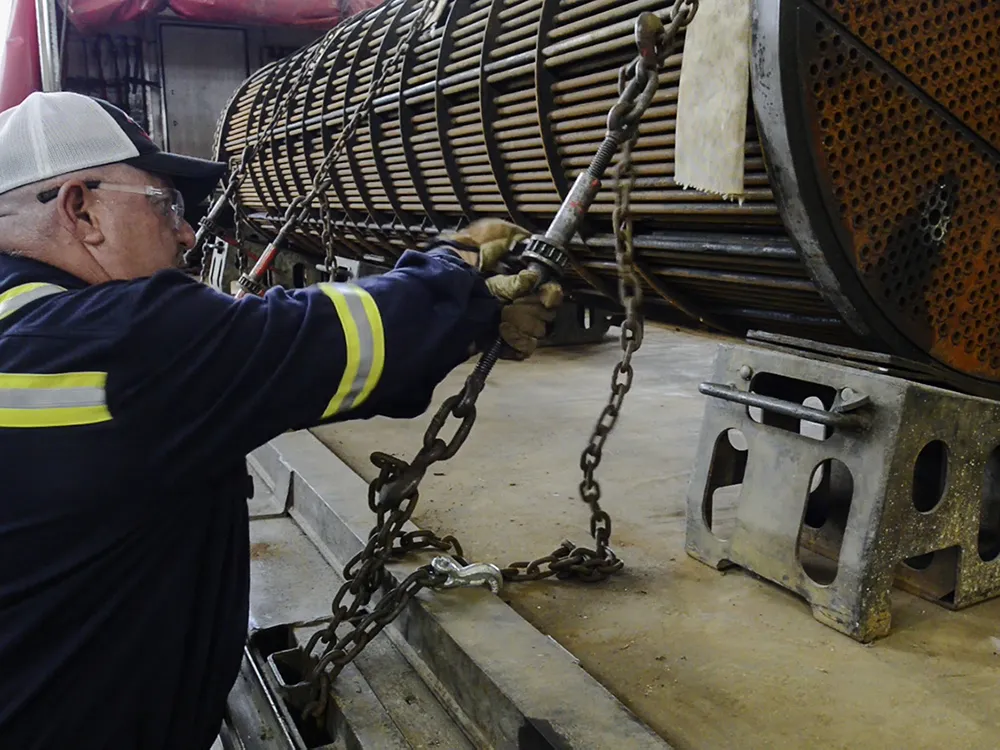
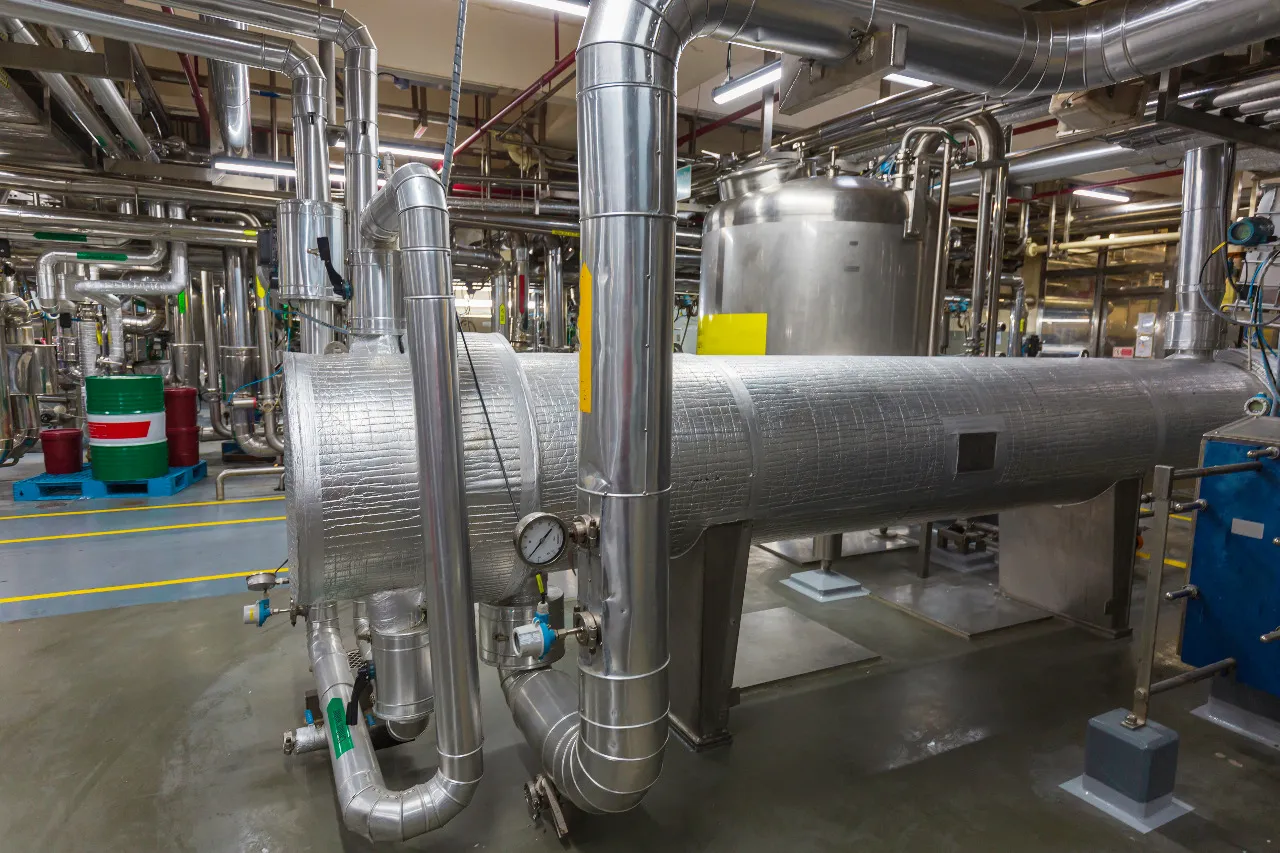
Heat exchanger tubes are specially designed seamless or welded tubes used in heat transfer systems, such as boilers, condensers, and process equipment. They must withstand high temperatures, pressure fluctuations, and corrosive environments.

Learn more about our Heat Exchanger Tubes.


International Standards for Heat Exchanger Tubes

Heat exchanger tubes must comply with global standards to ensure material consistency and mechanical reliability:

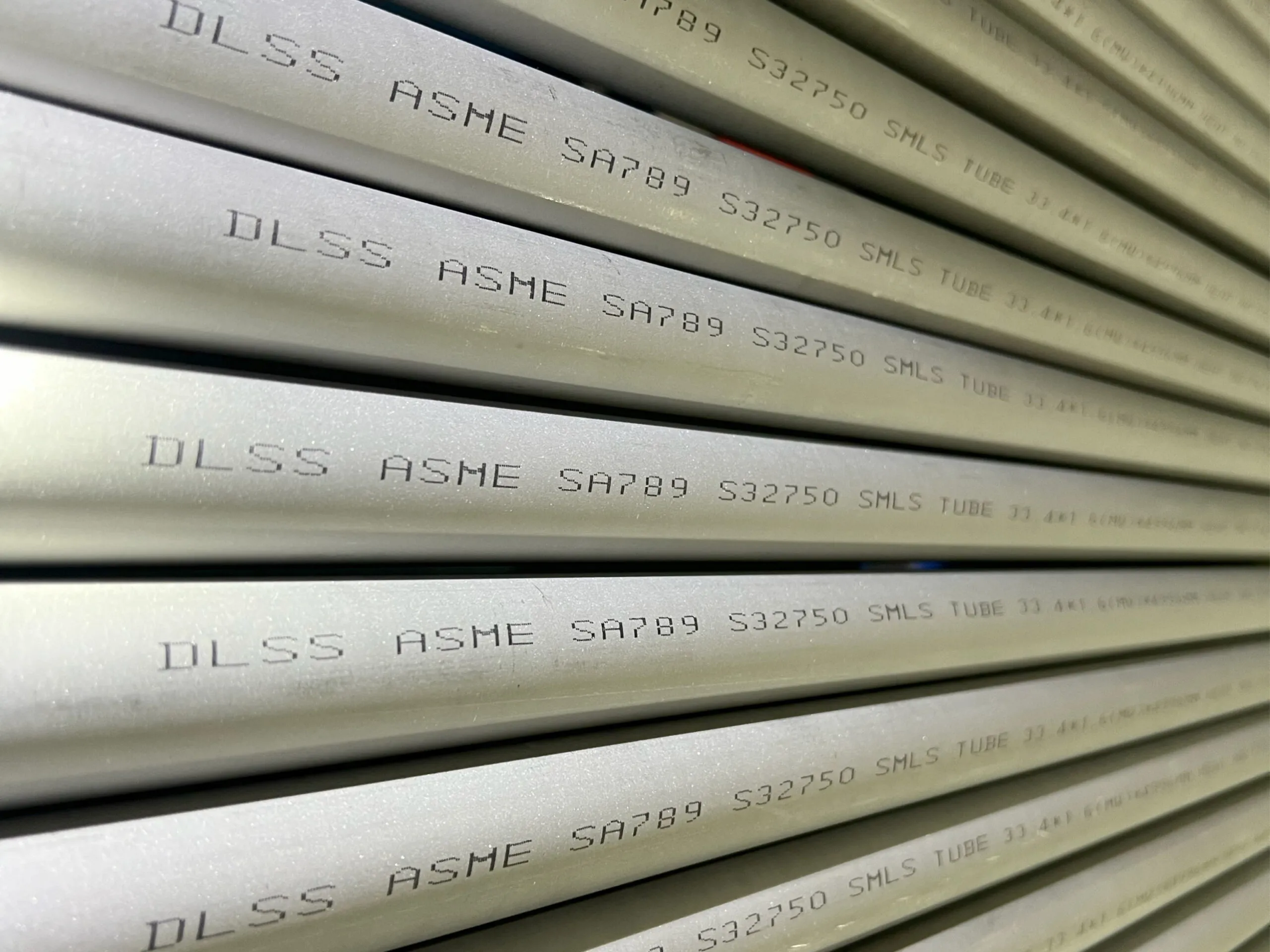
  • ASTM / ASME: ASTM A213, A312, A789, ASME SA213
  • EN / DIN: EN 10216-5, DIN 17458
  • JIS: JIS G3463

These standards define chemical composition, mechanical properties, and testing requirements to meet the demanding conditions of heat exchanger applications.


Common Materials for Heat Exchanger Tubes

  1. Austenitic Stainless Steel
    • TP304 / 304L, TP316 / 316L, TP321, TP347
    • Excellent corrosion resistance and high-temperature strength.
  2. Duplex and Super Duplex Stainless Steel
    • S32205 (2205), S32750 (2507)
    • Superior resistance to chloride stress corrosion cracking.
  3. High-Performance Alloys
    • 904L, 6Mo (UNS S31254)
    • Ideal for seawater desalination and chemical processing.
  4. Copper and Copper Alloys
    • C70600 (90/10 CuNi), C71500 (70/30 CuNi), C44300
    • Excellent thermal conductivity, widely used in shipbuilding and condensers.

See also: Stainless Steel Seamless Tubes


Manufacturing & Inspection of Heat Exchanger Tubes

Heat exchanger tubes must undergo rigorous production and testing to meet quality requirements:

  • Manufacturing: Hot extrusion, cold drawing, bright annealing.
  • Heat Treatment: Bright annealing ensures a smooth surface and consistent mechanical properties.
  • Non-Destructive Testing (NDT):
    • Eddy Current Test (ET)
    • Ultrasonic Test (UT)
    • Hydrostatic Pressure Test
    • Positive Material Identification (PMI)

Learn more about our Quality Control.


Applications of Heat Exchanger Tubes

  • Oil & Gas Refineries: Processing units, coolers, heaters.
  • Power Generation: Boiler tubes, condensers, superheaters.
  • Petrochemical Industry: Heat transfer in chemical reactors.
  • Shipbuilding & Marine: Condensers, seawater desalination plants.
  • Renewable Energy: Geothermal and solar thermal power projects.

Why Choose DLSS for Heat Exchanger Tubes?

At DLSS (Zhejiang Daling Special Steel Co., Ltd.), we supply heat exchanger tubes that meet ASTM/ASME/EN/JIS standards and are trusted by clients in over 40 countries worldwide.

Our advantages include:

  • 30+ years of manufacturing expertise.
  • A full range of stainless steel, duplex, super duplex, and copper alloy tubes.
  • Certified by ABS, DNV-GL, BV, LR, NK, PED, AD2000, CCS, ISO, and API.
  • Proven track record with EPC contractors, refineries, and power plants.

Conclusion

Heat exchanger tubes are vital components for industrial systems where efficiency and durability are crucial. By choosing the right materials and a trusted supplier, you minimize risks and ensure operational reliability.

At DLSS, we deliver precision-manufactured tubes, complete with Mill Test Certificates (MTCs), third-party inspections, and reliable global logistics.

Learn more about our Heat Exchanger Tubes
Contact us today to request a quote or technical consultation.

Wonderful! Share This Case:

Austenitic Stainless Steel

Duplex Stainless Steel

Nickel Alloys

▪ Incoloy Family

▪ Inconel Family

▪ Monel Family

▪ Hastelloy Family

▪ Other Special Alloys

Cobalt Alloys

Related Posts

Different Types of Finned Tubes and Their Applications in Heat Exchangers

Different Types of

Finned tubes come in a variety of designs, each engineered to meet specific heat transfer and operating conditions. Choosing the right type of finned tube is essential for achieving optimal heat exchanger efficiency and long-term durability. If you are new to the concept, you can first read our article What...

Read More
Effective Cleaning Methods for Heat Exchangers: Techniques, Intervals, and Best Practices

Effective Cleaning Methods

Over time, all heat exchangers are affected by fouling, which leads to reduced heat transfer efficiency, increased pressure drop, and higher energy costs. Selecting the proper cleaning method is critical to maintaining system performance, extending service life, and ensuring process safety. This article explores the most widely used heat exchanger...

Read More
316 vs 316L vs 316Ti stainless steel

316 vs 316L

1. Overview In demanding industries such as heat exchangers, condensers, boilers, and pressure vessels, stainless steels of the 316 family are among the most widely used materials. However, choosing between 316, 316L, and 316Ti depends on factors like weldability, temperature stability, and corrosion resistance. At DLSS (Zhejiang Daling Special Steel...

Read More
HIC and SSC Testing Explained: What Oil & Gas Engineers Need to Know

HIC and SSC

Oil and gas projects often use sour service pipe materials in H₂S environments. Sour service means the system contains hydrogen sulfide, also called H₂S. H₂S can create serious cracking risks in steel pipes, fittings, flanges, and pressure parts. These cracks may be hard to see at first. But they can...

Read More
Improving Heat Exchanger Efficiency: Practical Strategies for Performance Optimization

Improving Heat Exchanger

Whether in power plants, chemical facilities, HVAC systems, or food processing lines, heat exchanger efficiency directly impacts energy consumption, process reliability, and operating cost. Over time, even well-designed systems can suffer from performance degradation due to fouling, improper flow, or suboptimal configurations. This article outlines practical and engineering-proven methods to...

Read More
Flange Sealing Techniques: How to Ensure a Leak-Proof Pipeline Connection

Flange Sealing Techniques:

Introduction If you’ve ever walked through an oil refinery or a chemical plant, you’ve probably seen a flange connection wrapped in insulation—maybe even dripping or steaming from a tiny leak. Flange connections are everywhere in pipeline systems, but when not sealed properly, they’re one of the most common sources of...

Read More
africa-refinery-power-projects-stainless-steel-demand

Africa’s Refining and

Africa is undergoing a once-in-a-generation infrastructure transformation. New refineries, LNG terminals, combined cycle power plants, and mining developments are emerging across Nigeria, Egypt, Algeria, Angola, Kenya, and beyond. For stainless steel tube and pipe suppliers, this is not just a trend—it’s a new frontier. The continent’s demand for high-quality industrial...

Read More
How DLSS Controls Grain Size for Austenitic Stainless Steel Tubes – Why It Matters

How DLSS Controls

Introduction Grain size in stainless steel is more than just a microscopic characteristic—it directly affects mechanical strength, corrosion resistance, formability, and creep performance. For critical applications such as heat exchangers, nuclear power, and chemical processing, maintaining the correct grain size (typically ASTM No. 5 to No. 8) is a specification...

Read More

Request A Quote

*We respect your confidentiality and all information are protected.