5 Key Factors to Choose the Right Stainless Steel Heat Exchanger Tube

DLSS - Pipe&Tube - 5 Key Factors to Choose the Right Stainless Steel Heat Exchanger Tube

Introduction

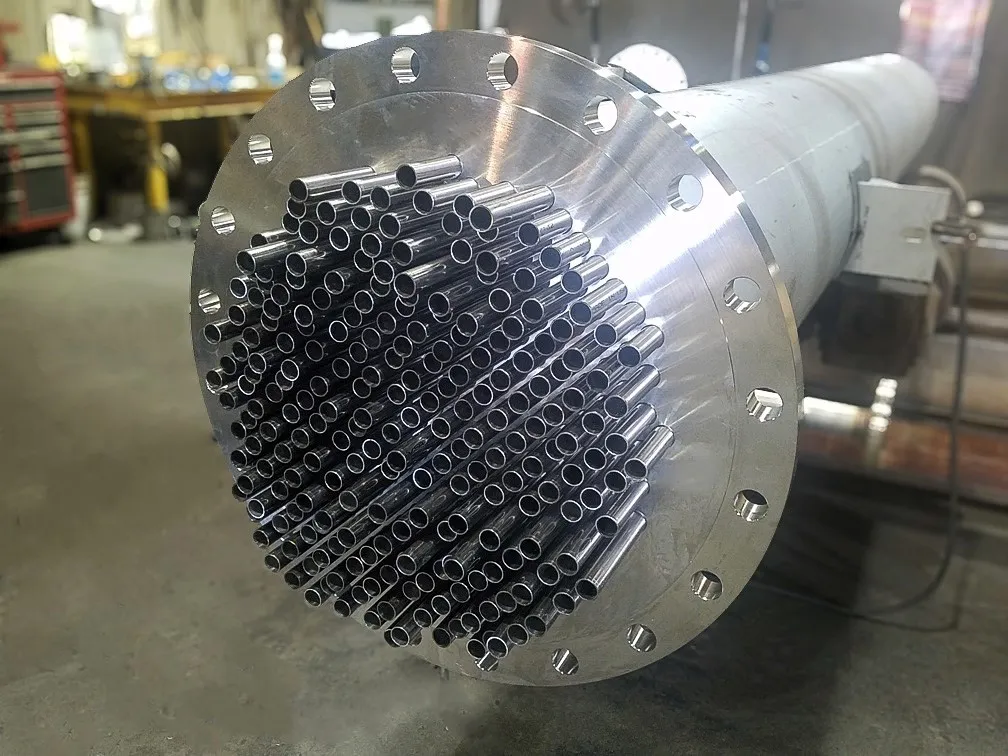
Choosing the right stainless steel heat exchanger tube is critical to ensuring long-term performance, safety, and efficiency—especially in industries like petrochemical, power generation, and marine engineering. At DLSS, we’ve supported projects in over 35 countries and understand what matters most when it comes to tube selection.

In this article, we’ll share 5 key factors every engineer, purchaser, or designer should consider when selecting a stainless steel heat exchanger tube.
1. Tube Material Grade

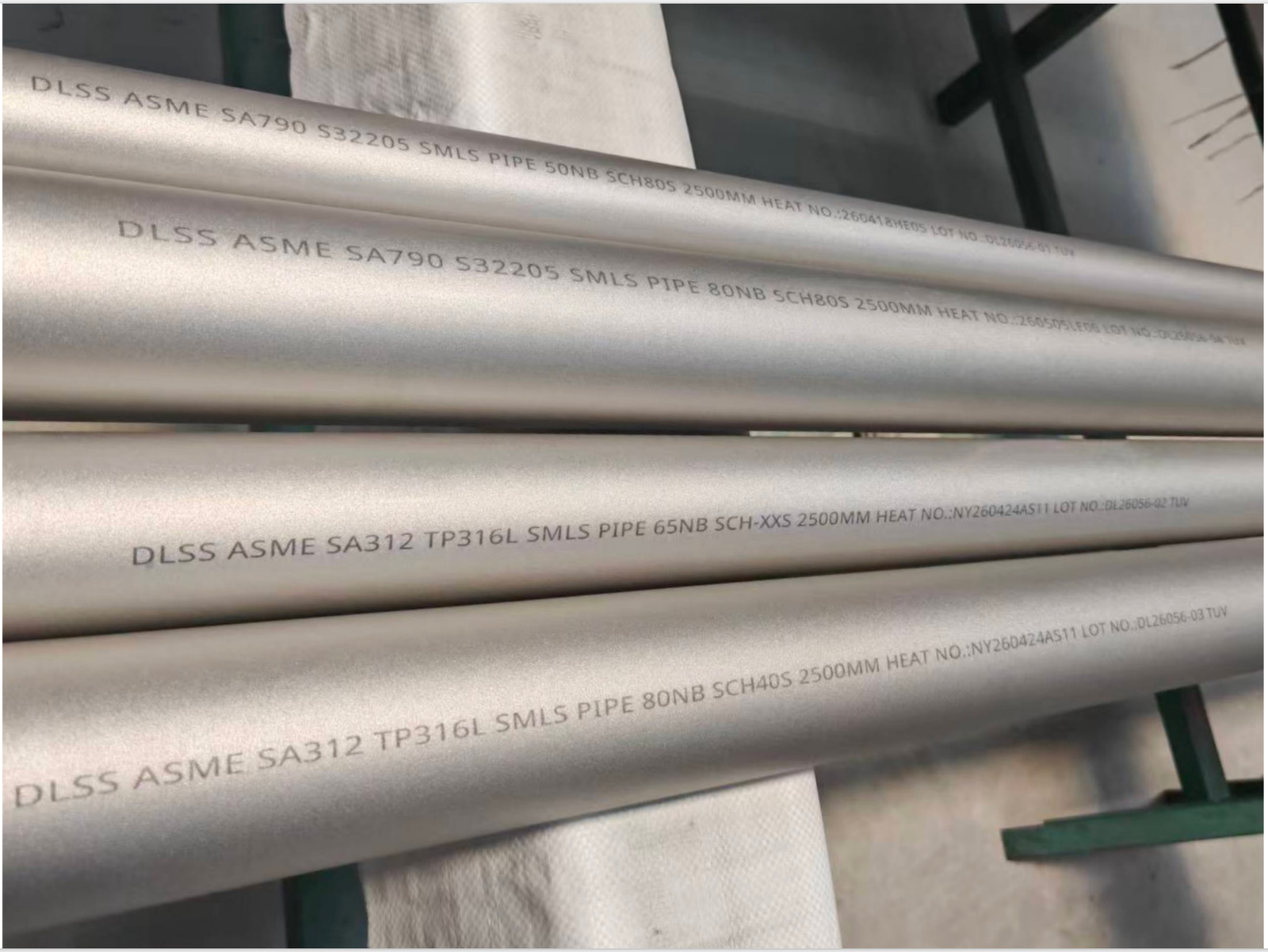
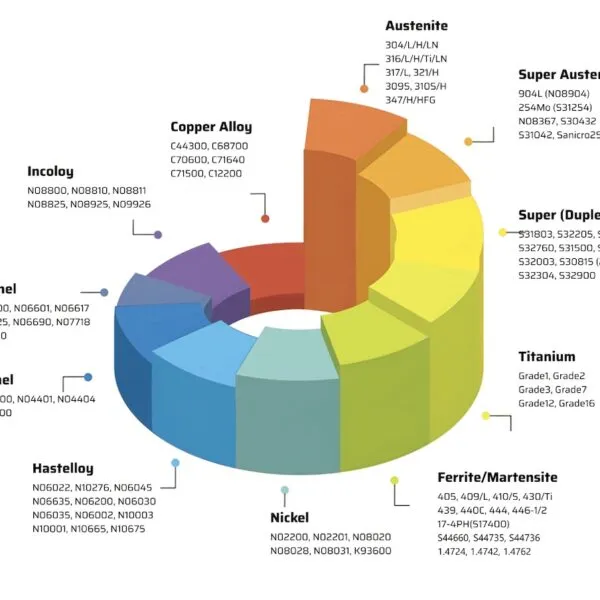
The most common grades include TP304TP316LTP321, and Duplex Stainless Steel (like S32205).

  • TP304 is economical but limited in chloride environments.
  • TP316L offers enhanced corrosion resistance and is ideal for marine or chemical exposure.
  • TP321 provides better high-temperature performance due to titanium stabilization.
  • Duplex stainless steels combine high strength with excellent stress corrosion resistance.

Tip: Always match the grade to the working medium (e.g. seawater, steam, oil).
2. Corrosion Resistance Requirements

Different applications require varying levels of resistance to:

  • Pitting and crevice corrosion (especially in chloride-containing environments)
  • Intergranular corrosion (especially after welding)
  • Stress corrosion cracking (SCC)

For high-risk applications, Molybdenum-containing grades like TP316L or Duplex are strongly recommended.

3. Operating Pressure and Temperature

Each material grade and wall thickness has a pressure-temperature rating.

  • Thicker walls or higher alloy content are needed for high-pressure boilers or reactors.
  • If the operating temperature exceeds 600°C, grades like TP321 or even nickel alloys should be considered.

Standards to Refer: ASTM A213, ASME SA213
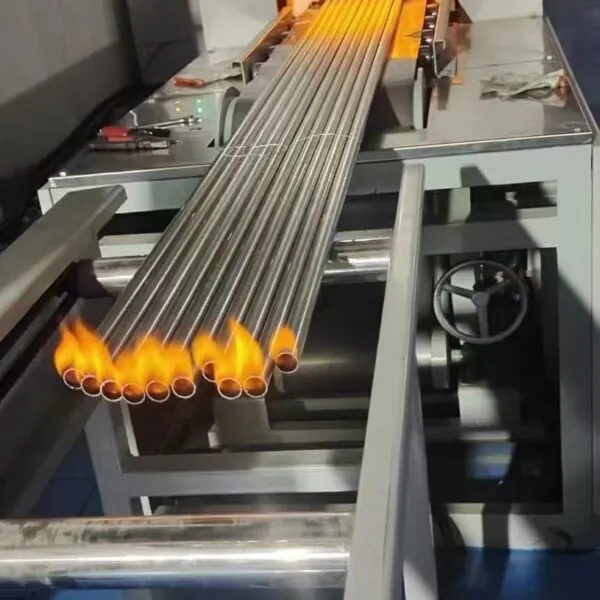
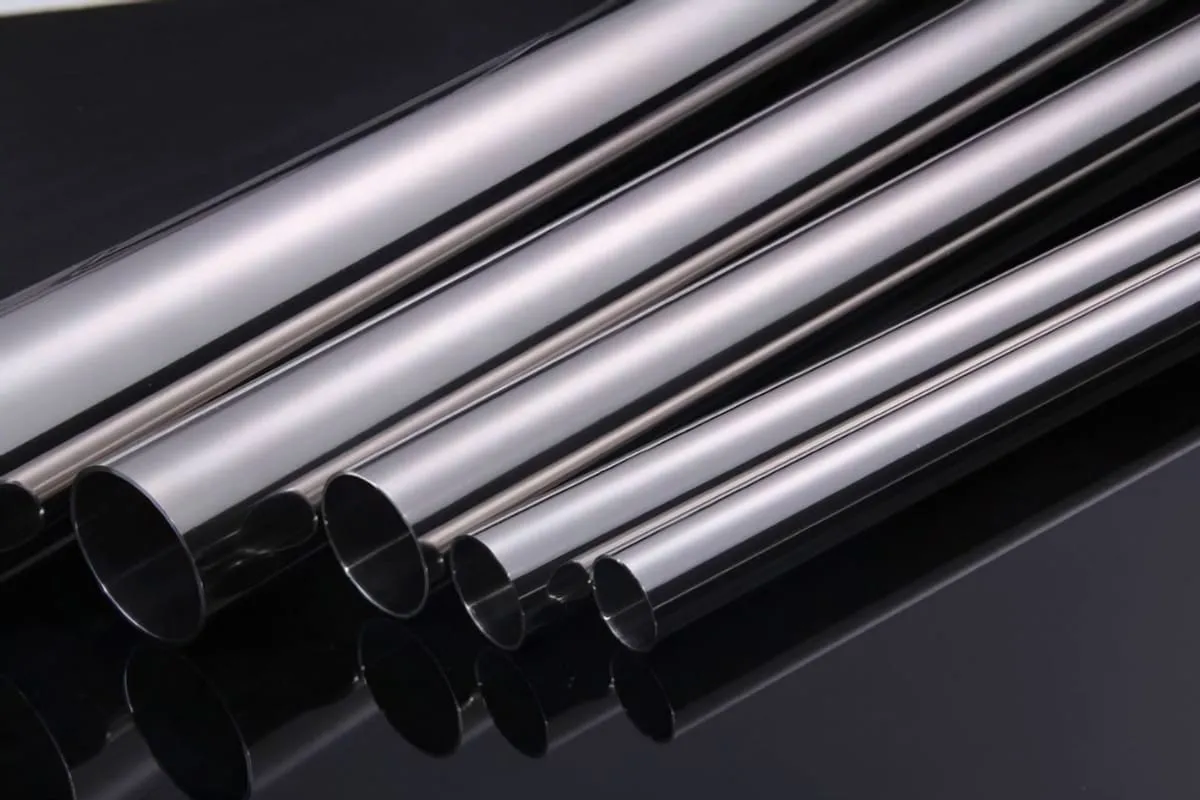
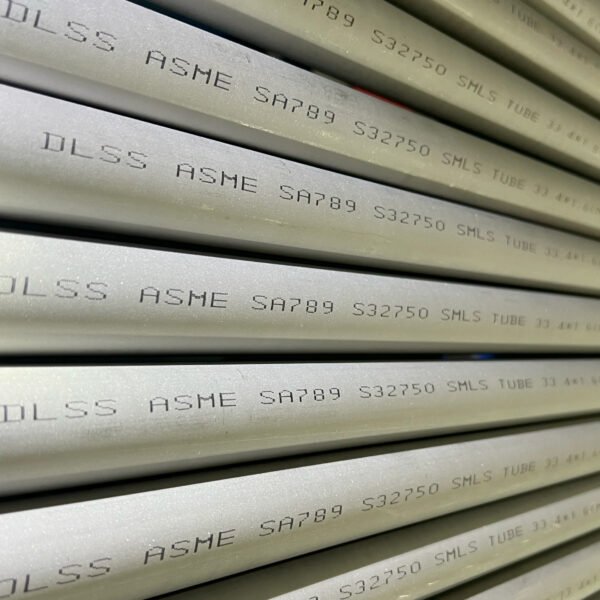
Stainless steel seamless bright tube

4. Surface Finish & Cleanliness

Surface condition affects heat transfer efficiency and hygiene.
Common options include:

  • Pickled (clean, matte surface, corrosion-resistant)
  • Bright Annealed (BA) (mirror-like, ultra-smooth surface for high-purity applications)

DLSS Advantage: We offer precision-pickled and bright annealed finishes for sanitary and high-efficiency usage.

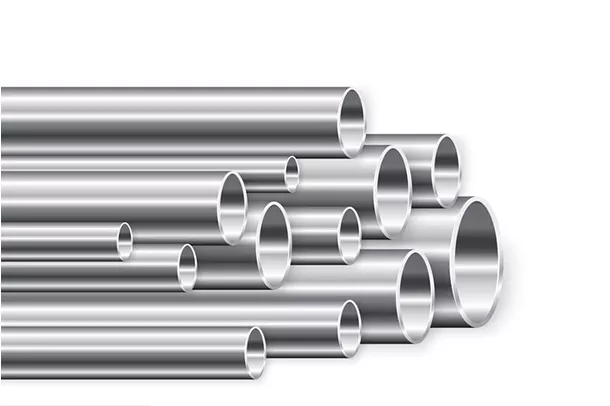
Stainless steel seamless bright tube

5. Certification & Quality Assurance

International buyers should ensure compliance with:

  • ASTM / ASME standards
  • Hydrostatic & NDT tests (e.g. eddy current, ultrasonic)
  • PMI (Positive Material Identification)
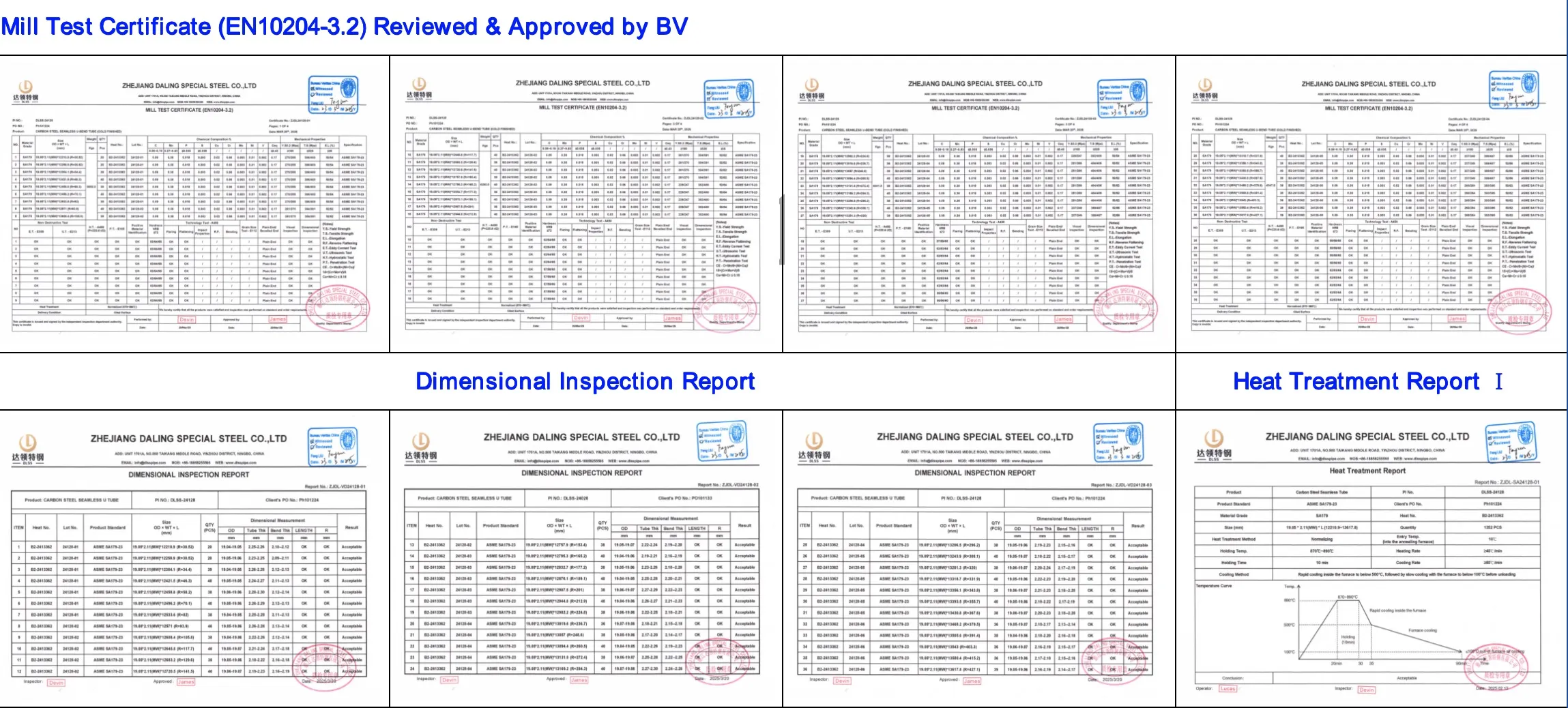
  • Third-party inspection reports (SGS, TUV, BV, etc.)

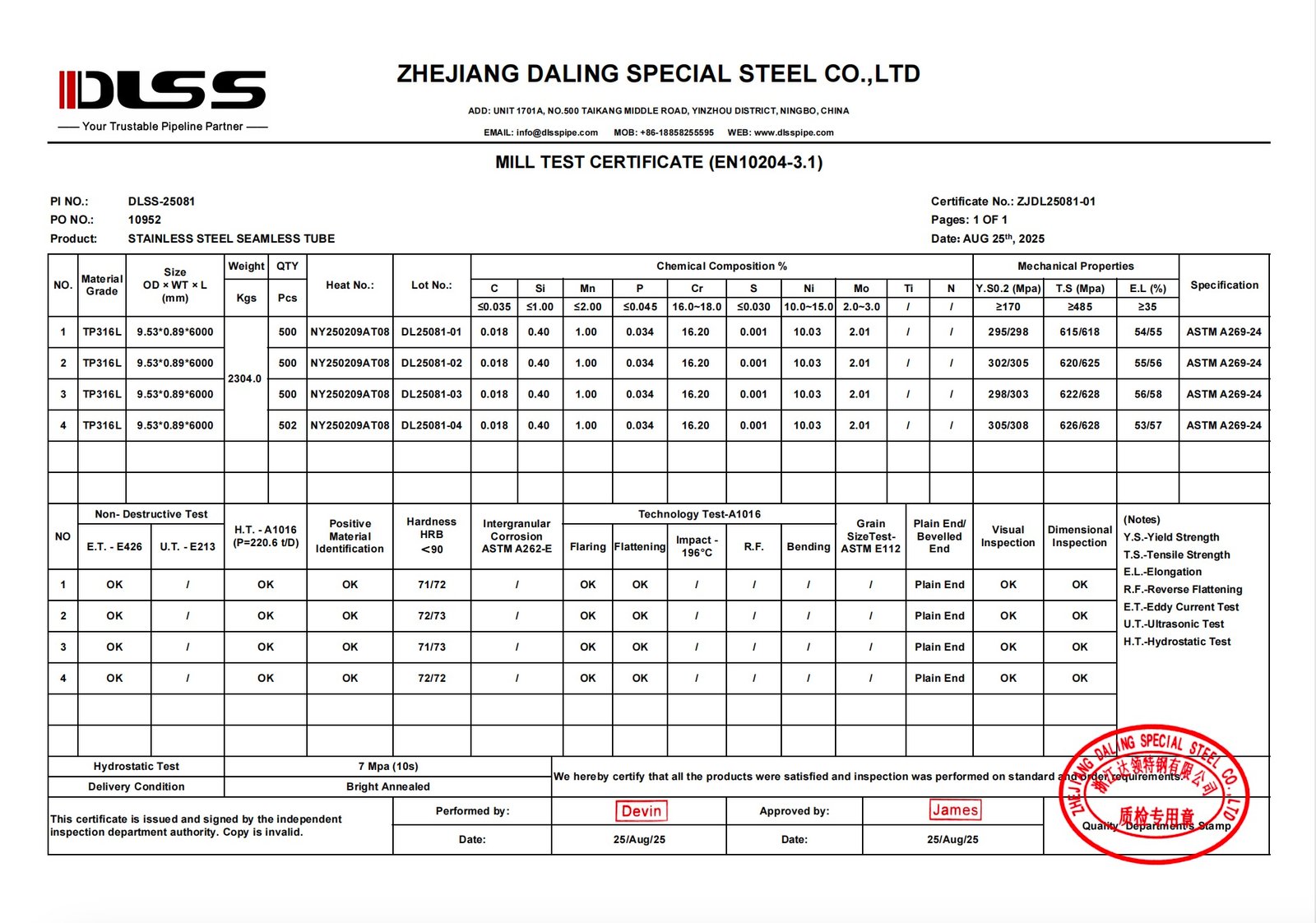
A professional supplier like DLSS can provide full traceability, mill test certificates (MTCs), and custom testing reports.
Conclusion

Selecting the right stainless steel heat exchanger tube is not just about price—it’s about performance, safety, and long-term value. By focusing on the 5 key factors above, you can ensure the best tube selection for your project.

Why Choose DLSS as Your Stainless Steel Tube Partner?

With over 30 years of experience and exports to 40+ countries, DLSS offers:

  • Customized tube solutions for heat exchangers and condensers
  • Full compliance with ASTM/ASME standards
  • Third-party inspections and full quality reports
  • Precision production, fast delivery

 Contact us today to get a free consultation or quote: info@dlsspipe.com

Wonderful! Share This Case:

Austenitic Stainless Steel

Duplex Stainless Steel

Nickel Alloys

▪ Incoloy Family

▪ Inconel Family

▪ Monel Family

▪ Hastelloy Family

▪ Other Special Alloys

Cobalt Alloys

Related Posts

Everything You Need to Know

What Are Inner Grooved Coil Tubes? Inner grooved coil tubes, also known as ribbed tubes or micro-fin tubes, are seamless or welded coil tubes with precisely formed helical grooves on the internal surface. These grooves increase turbulence in fluid flow, thereby enhancing the heat transfer coefficient. They are widely used in: Why Choose Inner Grooved Tubes?  30–50% better heat transfer than smooth tubes Enhanced […]

Read More
Cost vs Performance: Are Titanium Pipes Worth It in Power Plant Condensers?

Cost vs Performance: Are Titanium

1. Introduction Power plants around the world rely on efficient condenser systems to maximize energy output and minimize downtime. Material choice for condenser tubes directly impacts operating costs and plant reliability. While stainless steel and copper alloys have traditionally been used, titanium pipes (Grade 2, ASTM B338) are increasingly recognized as the most cost-effective solution […]

Read More
Stainless Steel Seamless Pipes for Mining and Metallurgy Projects in South America

Stainless Steel Seamless Pipes for

Meta Description:Discover how stainless steel seamless tubes support high-performance mining and metallurgy operations across Chile, Peru, and Brazil. Learn about corrosion resistance, mechanical strength, and industry standards. Introduction South America is home to some of the world’s most significant mining and metallurgical hubs, particularly in Chile, Peru, and Brazil. With growing global demand for copper, […]

Read More
europe-cbam-stainless-steel-export-guide

How Europe’s CBAM Is Changing

On October 1, 2023, the European Union launched its Carbon Border Adjustment Mechanism (CBAM) — a groundbreaking policy that requires importers to report the embedded carbon emissions of certain goods, including iron, steel, and stainless steel. For stainless steel pipe and heat exchanger tube exporters, this marks a new era. Quality and price are no […]

Read More
Why Stainless Steel Tube Grain Size Matters in Heat Exchanger Applications

Why Stainless Steel Tube Grain

Meta Description:Grain size in stainless steel tubes directly affects corrosion resistance, mechanical strength, and heat exchanger durability. Learn how ASTM grain size ratings influence performance and certification. Introduction When engineers specify stainless steel tubes for shell-and-tube heat exchangers, attention is often paid to chemical composition, wall thickness, and surface finish. But there’s another hidden factor […]

Read More
latin-america-energy-projects-stainless-steel-opportunities

Latin America’s Energy Boom: Opportunities

In recent years, Latin America has emerged as a hotbed of industrial investment. From deepwater oil fields in Brazil to lithium mines in Argentina and sugar mills in Colombia, the region is investing heavily in infrastructure and energy. For suppliers of stainless steel tubes, heat exchanger coils, and industrial piping systems, this presents both a […]

Read More
How DLSS Controls Grain Size for Austenitic Stainless Steel Tubes – Why It Matters

How DLSS Controls Grain Size

Meta Description:Discover why grain size matters in stainless steel tubing and how DLSS ensures optimal grain structure through precise heat treatment, testing, and quality control. Introduction Grain size in stainless steel is more than just a microscopic characteristic—it directly affects mechanical strength, corrosion resistance, formability, and creep performance. For critical applications such as heat exchangers, […]

Read More
ultrasonic testing tube inspection

5 Reasons Ultrasonic Testing Tube

Ultrasonic testing tube inspection is a critical non-destructive method used in the stainless steel tube industry to ensure product quality, safety, and compliance with international standards. Especially in industries such as heat exchangers, boilers, power plants, and oil & gas, even the smallest internal defect can lead to costly failures or system breakdowns. This article […]

Read More

Request A Quote

*We respect your confidentiality and all information are protected.