Why Stainless Steel Seamless Tubes Are the Backbone of South America’s Energy Industry

DLSS - Pipe&Tube - Why Stainless Steel Seamless Tubes Are the Backbone of South America’s Energy Industry

Meta Description:
Explore how stainless steel seamless tubes support South America’s oil, gas, and petrochemical infrastructure. Learn about key materials, standards, and corrosion-resistant solutions for high-performance applications.


Introduction

South America is rich in natural resources—but also in engineering challenges. With vast offshore oil fields, mountainous LNG projects, and acidic mining processes, the region demands durable, corrosion-resistant piping systems.

Stainless steel seamless tubes have become the material of choice across the continent for reliability, strength, and long lifecycle performance. From Brazil’s offshore rigs to Chile’s lithium refineries, let’s explore why.


South America’s Industrial Demands Require Premium Tubing

The region’s industries operate in high-risk, high-salinity, and chemically aggressive environments.

Key industries using stainless steel tubes include:

IndustryCountryCommon Application
Oil & GasBrazil, ColombiaOffshore platforms, sour gas pipelines
MiningChile, PeruAcid leaching, solvent extraction heat exchangers
PetrochemicalArgentinaAmmonia plants, reformers, cooling systems
DesalinationChile, PeruSWRO pre-heaters, brine cooling systems
Food ProcessingBrazil, EcuadorSanitary piping, steam condensers

These sectors demand seamless tubes that can resist corrosion, temperature fluctuation, and pressure cycles.


Recommended Stainless Steel Grades for South America

Based on local water chemistry (chlorides, sulfates), temperature, and media, the following grades perform well:

GradeProperties / StandardsTypical Use
316LHigh chloride resistance / ASTM A213, A269Offshore and seawater systems
317LSuperior pitting resistance / ASTM A213High-chloride mining and chemical processes
904LHigh corrosion + sulfuric acid tolerance / ASTM B677Lithium extraction and fertilizer plants
Duplex 2205High strength + crack resistance / ASTM A789Pressure piping in offshore rigs
304/304LCost-effective / For clean-water or food-grade servicesFood, beverage, light industry

Compare grades here


Why Seamless Tubes Over Welded in Latin America?

  • Better corrosion resistance in high-salinity coastal environments
  • Higher pressure rating—ideal for mountainous regions with fluctuating altitude pressures
  • Fewer failure points under mechanical stress or chemical attack
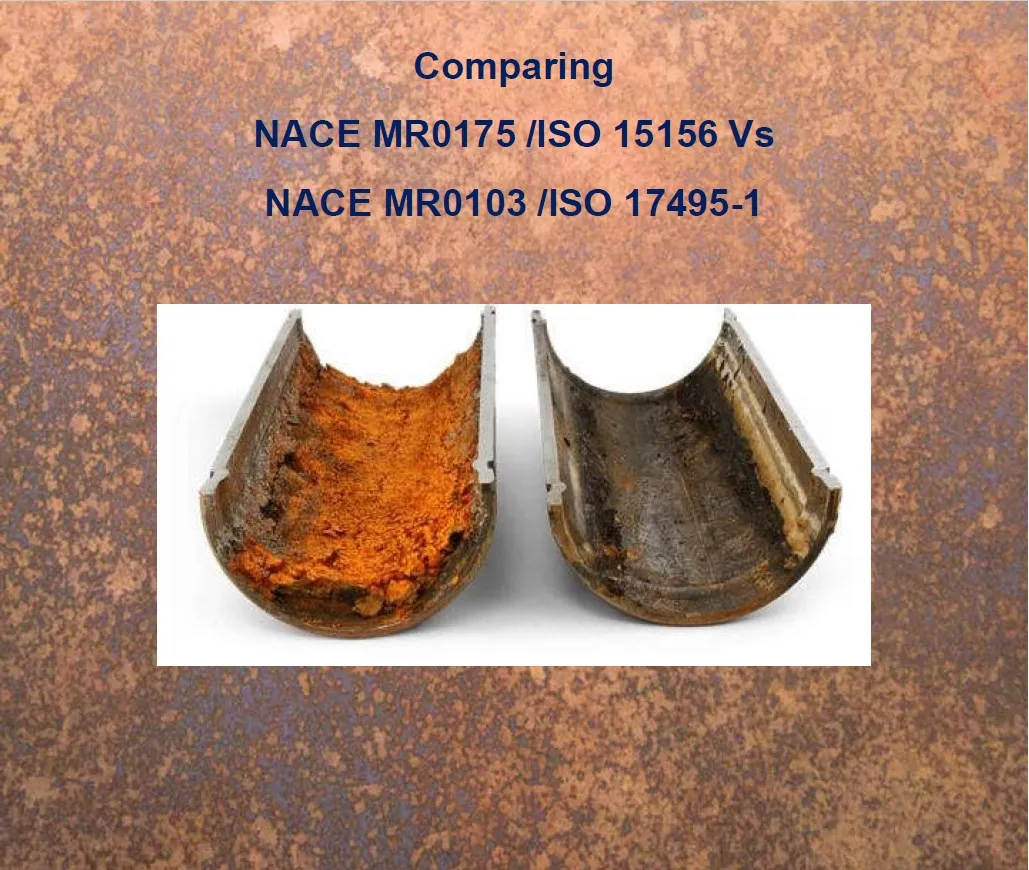
  • More accepted under NACE MR0175 / ISO 15156, often required in Petrobras and YPF tenders

Explore ASTM A213 & A269 standards


DLSS Tube Specifications for South America Projects

DLSS offers custom tube supply based on Latin American needs:

  • OD range: 6.35 mm to 114.3 mm
  • Wall thickness: 0.7 mm to 8 mm
  • Lengths: Up to 12 meters (custom cut-to-length)
  • Surface finish: Pickled, BA (Bright Annealed), Polished, Electropolished
  • Testing: UT, ET, Hydrostatic, PMI, Grain size, NACE compliance
  • Certifications: EN10204 3.1, 3.2 by BV, TUV, DNV upon request

South America Case Highlight

Client: Offshore FPSO in Brazil
Solution: TP316L seamless tubes, BA surface, ASTM A213 + NACE MR0175
Use: Cooling and instrumentation lines exposed to seawater spray
Result: 0% corrosion after 18 months of service, outperforming previous welded solution


FAQs

Q1: Are your tubes suitable for sour gas environments like in Colombia or Argentina?
Yes. We supply NACE MR0175-compliant tubing in 316L, Duplex, and Incoloy alloys.

Q2: Can you deliver to South American ports?
Yes. We frequently ship to Santos (Brazil), Callao (Peru), Cartagena (Colombia), Valparaíso (Chile).

Q3: How do you ensure product traceability?
We provide full mill test certificates, batch numbers, and optional 3rd-party inspection reports.


Conclusion

South America’s infrastructure is evolving rapidly—and DLSS’s stainless steel seamless tubes offer a proven, compliant, and durable solution to support that growth. Whether for offshore platforms, mining heat exchangers, or chemical plants, we’re ready to deliver precision and performance.


Contact DLSS
Email: info@dlsspipe.com
Website: www.dlsspipeline.com

Looking to source stainless steel tubes for South American industrial projects? Let’s discuss your application and deliver a tailored solution.

Wonderful! Share This Case:

Austenitic Stainless Steel

Duplex Stainless Steel

Nickel Alloys

▪ Incoloy Family

▪ Inconel Family

▪ Monel Family

▪ Hastelloy Family

▪ Other Special Alloys

Cobalt Alloys

Related Posts

What’s the Difference Between TP304, TP316, TP321, and Other Stainless Steel Tube Grades?

What’s the Difference Between TP304,

Meta Description:Explore the key differences between TP304, TP316, TP321, and other stainless steel tube grades. Learn how to choose the right material based on corrosion resistance, temperature, mechanical strength, and compliance with ASTM and EN standards. Introduction Choosing the correct stainless steel tube grade is crucial for ensuring performance, longevity, and regulatory compliance in industries […]

Read More
ASTM B111 C70600 (O61) Copper-Nickel Seamless Tube 16 × 1.0mm × 3000mm with 100% Eddy Current Testing for Condenser Applications

ASTM B111 C70600 (O61) Copper-Nickel

Product Overview: ASTM B111 C70600 Seamless Copper-Nickel Tube (16×1.0mm, 3000mm) C70600, also known as 90/10 Copper-Nickel, is a marine-grade copper alloy containing 90% copper and 10% nickel. It’s renowned for its outstanding resistance to seawater corrosion, biofouling, and stress corrosion cracking, making it a top choice for condenser tubes and heat exchanger systems, especially in power plants, […]

Read More
middle-east-decarbonization-energy-equipment-procurement

How the Middle East’s Decarbonization

The Middle East, historically known for its oil wealth, is now positioning itself as a leader in clean energy innovation. National strategies like Saudi Vision 2030 and the UAE Net Zero by 2050 roadmap are driving massive investments in hydrogen, solar, desalination, and carbon capture projects. As a result, the region’s energy infrastructure is undergoing […]

Read More
Different Types of Finned Tubes and Their Applications in Heat Exchangers

Different Types of Finned Tubes

Finned tubes come in a variety of designs, each engineered to meet specific heat transfer and operating conditions. Choosing the right type of finned tube is essential for achieving optimal heat exchanger efficiency and long-term durability. If you are new to the concept, you can first read our article What is a Finned Tube and […]

Read More
Top Stainless Steel Industry Trends in 2025: Sustainability, Advanced Alloys, and Smart Manufacturing

Top Stainless Steel Industry Trends

Meta Description:Explore the top 6 stainless steel industry trends in 2025, including green steel initiatives, duplex and super duplex stainless steels, nickel alloy pipes, and intelligent tube manufacturing. 1. Sustainable Stainless Steel Production With the global push toward decarbonization, the stainless steel industry is rapidly transitioning to green steel production. In 2025: Key Keywords: green […]

Read More
Stainless Steel Seamless Pipes for Mining and Metallurgy Projects in South America

Stainless Steel Seamless Pipes for

Meta Description:Discover how stainless steel seamless tubes support high-performance mining and metallurgy operations across Chile, Peru, and Brazil. Learn about corrosion resistance, mechanical strength, and industry standards. Introduction South America is home to some of the world’s most significant mining and metallurgical hubs, particularly in Chile, Peru, and Brazil. With growing global demand for copper, […]

Read More
Pickling vs Bright Annealing: Which Surface Treatment Is Best for Stainless Steel Tubes?

Top 5 Stainless Steel Tube

Meta Description:Discover the five most common causes of stainless steel tube failures. Learn how to detect, prevent, and solve issues in high-performance piping systems across industries. Introduction Stainless steel tubes are widely used in high-demand applications due to their corrosion resistance, strength, and cleanliness. However, tube failure—when it occurs—can lead to production shutdowns, safety hazards, […]

Read More
Ultrasonic vs Eddy Current Testing: Which Is Best for Heat Exchanger Tube Inspection?

Ultrasonic vs Eddy Current Testing:

Meta Description:Understand the key differences between ultrasonic testing (UT) and eddy current testing (ECT) for stainless steel and alloy heat exchanger tubes. Learn which method is best for your application. Introduction Non-destructive testing (NDT) is essential in the manufacturing and inspection of stainless steel tubes used in critical heat exchanger systems. Among the most widely […]

Read More

Request A Quote

*We respect your confidentiality and all information are protected.