Why High-Performance Grades Like 904L, 2205, and 2507 Are Gaining Ground in the Stainless Steel Seamless Tube Market

DLSS - Pipe&Tube - Why High-Performance Grades Like 904L, 2205, and 2507 Are Gaining Ground in the Stainless Steel Seamless Tube Market

As industrial applications become more extreme—whether due to high chloride content, elevated temperatures, or corrosive media—the demand for high-alloy stainless steel seamless tubes is rising sharply. Materials such as 904L, 2205 duplex, and 2507 super duplex are seeing significant adoption across oil & gas, chemical processing, desalination, and offshore energy sectors.

According to recent reports, these premium-grade materials are among the fastest-growing segments in the global stainless steel seamless tube market, as end-users shift from standard austenitic grades like TP304 and TP316L.

In this blog, we explore the market drivers, technical benefits, and application opportunities that are positioning high-performance stainless tube grades as strategic materials for the future.


1. Why Standard Austenitic Grades Are No Longer Enough

While TP304 and TP316L remain popular, they are often insufficient in high-chloride, acidic, or high-pressure environments. Failures caused by:

  • Pitting and crevice corrosion
  • Stress corrosion cracking (SCC)
  • Weld decay or intergranular attack
  • Fatigue under cyclic pressure/temperature

…are driving engineers toward more robust material alternatives.


2. High-Performance Grades in Focus

A. 904L (UNS N08904)

  • Highly alloyed austenitic stainless steel
  • Excellent resistance to sulfuric acid and chloride pitting
  • Good weldability and formability
  • Used in: acid plants, heat exchangers, condensers

B. 2205 Duplex (UNS S32205)

  • Ferritic-austenitic structure = high strength + corrosion resistance
  • Superior SCC and erosion resistance
  • Lower nickel content = cost-effective
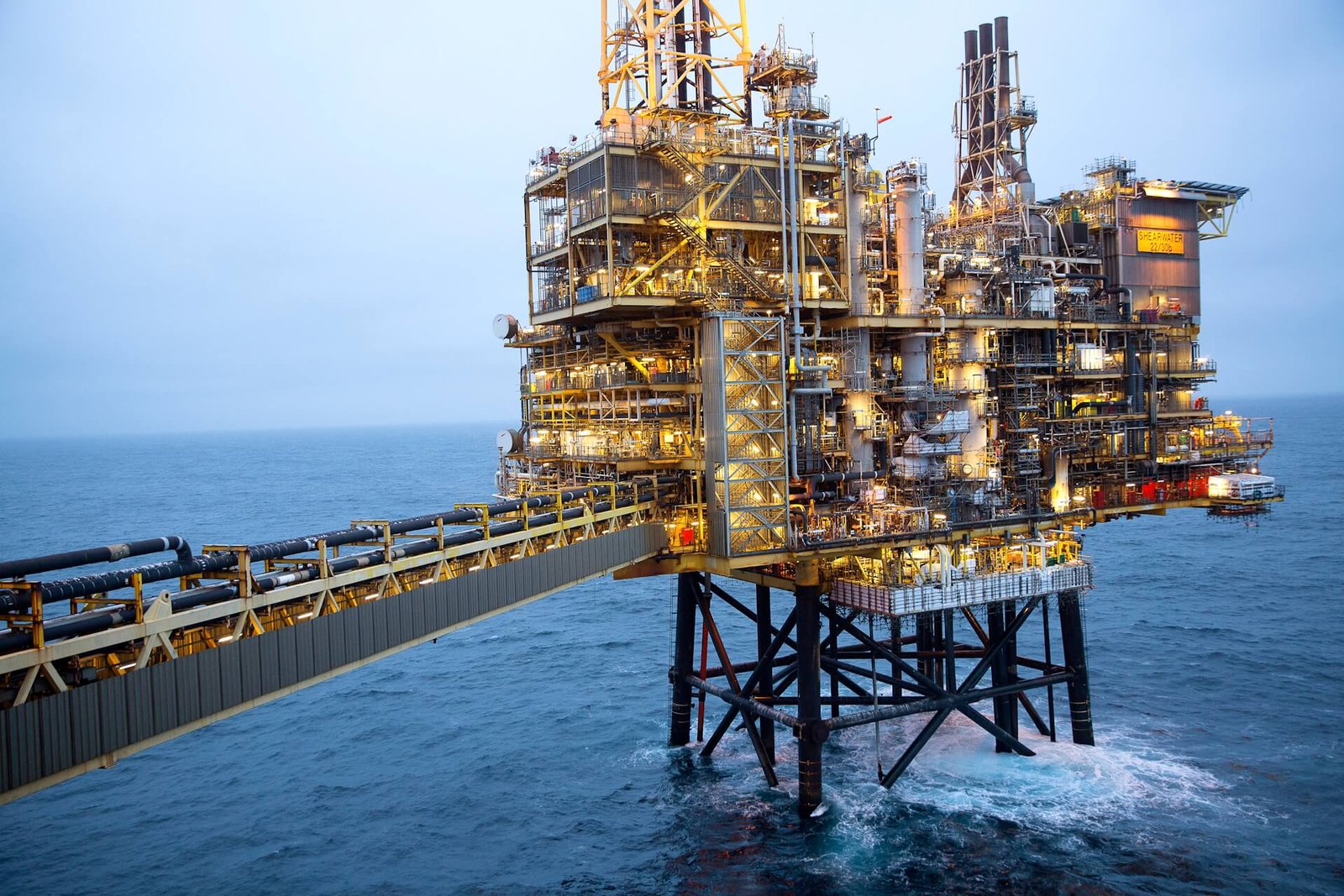
  • Used in: offshore platforms, chemical plants, power generation

C. 2507 Super Duplex (UNS S32750)

  • Very high PREN (>42) for severe chloride environments
  • High mechanical strength = thinner wall possible
  • Requires careful welding procedures
  • Used in: seawater desalination, FPSOs, marine cooling

DLSS supplies 904L, 2205, and S32750 seamless tubes with full documentation and MTC. See: www.dlsspipeline.com


3. Market Sectors Demanding High-Alloy Tubes

SectorKey Use CasesTube Grades Commonly Used
Oil & Gas (onshore)Sour gas, refinery condensers2205, 904L
Oil & Gas (offshore)Cooling, injection lines, subsea exchangers2507, 2205
Chemical ProcessingAcid recovery, heat transfer904L, 317L
DesalinationEvaporators, condensing tubes2507, Titanium
Power PlantsFeedwater heaters, high-pressure preheaters2205, 2507

4. Market Trend: Duplex and Super Duplex Growing Faster than Austenitic

  • Duplex tubes are growing at >7% CAGR globally
  • 904L adoption rising in retrofitting and European projects
  • OEMs and EPCs are specifying duplex grades for longer service life and reduced wall thickness

DLSS provides duplex and super duplex seamless tubes in compliance with ASME SA789, EN 10216-5, and PED requirements.


Frequently Asked Questions (FAQ)

Q1: Is 2205 a direct replacement for TP316L?
Not always. It offers superior performance, but welding, handling, and certification must be considered.

Q2: How does 904L compare to 316L in acidic service?
904L has better resistance to sulfuric, phosphoric, and acetic acids. It’s a better choice in chemical heat exchangers.

Q3: Does DLSS offer small batch production of special grades?
Yes. We support both bulk orders and project-specific quantities for 904L, 2205, and S32750 with short lead times.


Conclusion

As global industries face tougher chemical, thermal, and mechanical demands, high-alloy stainless steel seamless tubes are becoming essential for reliability and safety. Choosing the right grade can significantly reduce lifecycle cost, maintenance frequency, and system downtime.

DLSS Pipeline delivers certified 904L, duplex 2205, and super duplex 2507 tubes to global clients with full material traceability and performance guarantees.
Wonderful! Share This Case:

Austenitic Stainless Steel

Duplex Stainless Steel

Nickel Alloys

▪ Incoloy Family

▪ Inconel Family

▪ Monel Family

▪ Hastelloy Family

▪ Other Special Alloys

Cobalt Alloys

Related Posts

Stainless Steel Tubes for Hydrogen Production and Electrolysis Systems

Stainless Steel Tubes

Hydrogen production systems need reliable tubing and piping materials. In electrolysis plants, hydrogen generators, balance-of-plant systems, cooling loops, gas-water separation units, purification systems, compressors, and hydrogen skids, tubes may be exposed to high-purity water, oxygen, hydrogen, alkaline electrolyte, acidic environments, pressure, temperature changes, and strict cleanliness requirements. Stainless steel tubes...

Read More
Pickling vs Bright Annealing: Which Surface Treatment Is Best for Stainless Steel Tubes?

Pickling vs Bright

Introduction The performance of stainless steel tubes isn’t just about alloy grade or dimensional accuracy—surface finish plays a crucial role in corrosion resistance, cleanliness, and long-term durability. Two widely used surface treatments are: Each has distinct characteristics, advantages, and ideal applications. This article explores their differences and helps you decide...

Read More
Spiral Finned Tube vs Extruded Finned Tube: Which is Better for Your Project?

Spiral Finned Tube

When selecting spiral finned tube vs extruded finned tube for a heat exchanger, engineers must weigh performance, durability, and operating costs. Both fin types enhance heat transfer, but their differences can significantly affect long-term efficiency. If you’re new to finned tubes, start with What is a Finned Tube and How...

Read More
Nickel Alloy Steel Seamless Pipes and Tubes: Industrial Advantages and Applications

Alloy Steel Heat

Introduction In high-temperature environments such as boilers, power plants, and petrochemical heat exchangers, alloy steel tubes are indispensable. One common choice is ASTM A199 T11, a Cr-Mo alloy steel that provides excellent creep resistance, mechanical strength, and durability. Recently, a customer requirement for T11 cold drawn tubes offers a valuable...

Read More

How to Choose

Stainless steel tubes are commonly used in heat exchanger systems because they are corrosion-resistant and have a long lifespan. However, how do you choose the right stainless steel tube? This article will help you understand the key factors to consider when selecting stainless steel tubes. 1、Material Grade Stainless steel tubes are...

Read More
Common Condenser Coil Problems and How to Prevent Them (Ultimate HVAC Maintenance Guide)

Common Condenser Coil

What Is a Condenser Coil in an Air Conditioner? The condenser coil is the heart of your outdoor HVAC system. It’s responsible for releasing the heat collected indoors by your refrigerant. When the coil fails—due to dirt, leaks, or damage—your air conditioner stops cooling, your energy bills rise, and long-term system damage becomes inevitable. Keyword Targets: condenser...

Read More
desalination-projects-stainless-steel-heat-exchanger-tubes

How Global Desalination

With water scarcity on the rise, seawater desalination has become a critical infrastructure priority—especially in the Middle East, North Africa, Asia-Pacific, and parts of Latin America. These plants rely heavily on heat exchanger systems for energy-efficient freshwater production. And at the core of those systems? Stainless steel tubes that can...

Read More
Cómo Prevenir el Agrietamiento por Sulfuro de Hidrógeno (H₂S) en Tuberías Industriales

Cómo Prevenir el

Meta descripción:El H₂S puede causar fallas catastróficas en tuberías de refinería o gasoductos. Descubra cómo prevenir el agrietamiento inducido por hidrógeno (HIC) y la fisuración bajo esfuerzo (SSC) con materiales y pruebas adecuados. Introducción El sulfuro de hidrógeno (H₂S) es uno de los mayores enemigos de la integridad de las...

Read More

Request A Quote

*We respect your confidentiality and all information are protected.