Exploring Different Types of Pipe-Based Heat Exchangers: Double Tube, Stove Pipe, Exhaust Pipe, and Heat Pipe Designs

DLSS - Tubes For Heat Exchanger - Exploring Different Types of Pipe-Based Heat Exchangers: Double Tube, Stove Pipe, Exhaust Pipe, and Heat Pipe Designs

In various industrial and domestic applications, heat exchangers are essential for optimizing thermal efficiency, reducing energy waste, and lowering operational costs. Among the many designs, pipe-based heat exchangers play a crucial role due to their structural simplicity and high effectiveness.

This blog explores four common types: the Double Tube Heat Exchanger, Stove Pipe Heat Exchanger, Exhaust Pipe Heat Exchanger, and Heat Pipe Heat Exchanger—highlighting their working principles, applications, and material requirements.


1. Double Tube Heat Exchanger: Reliable and Modular

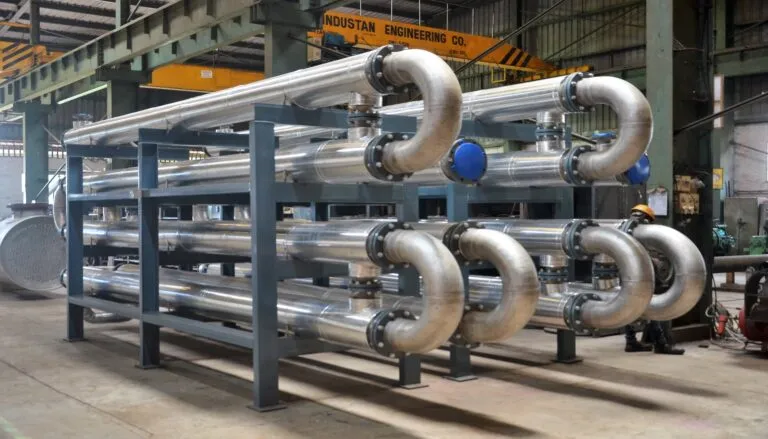
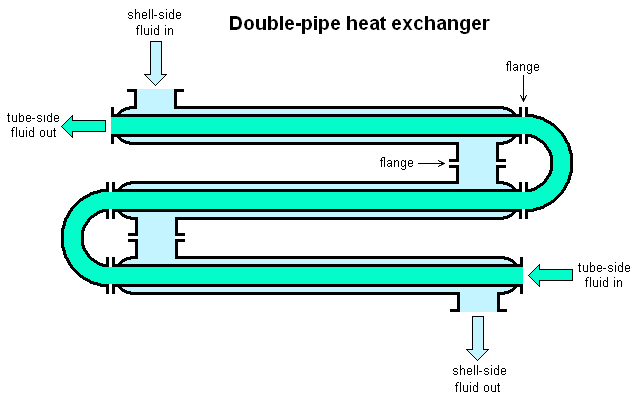
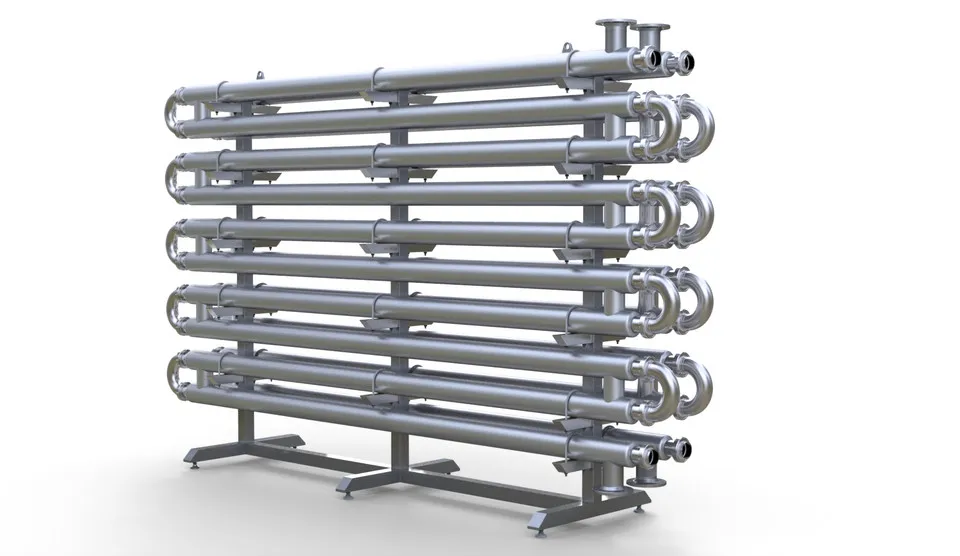
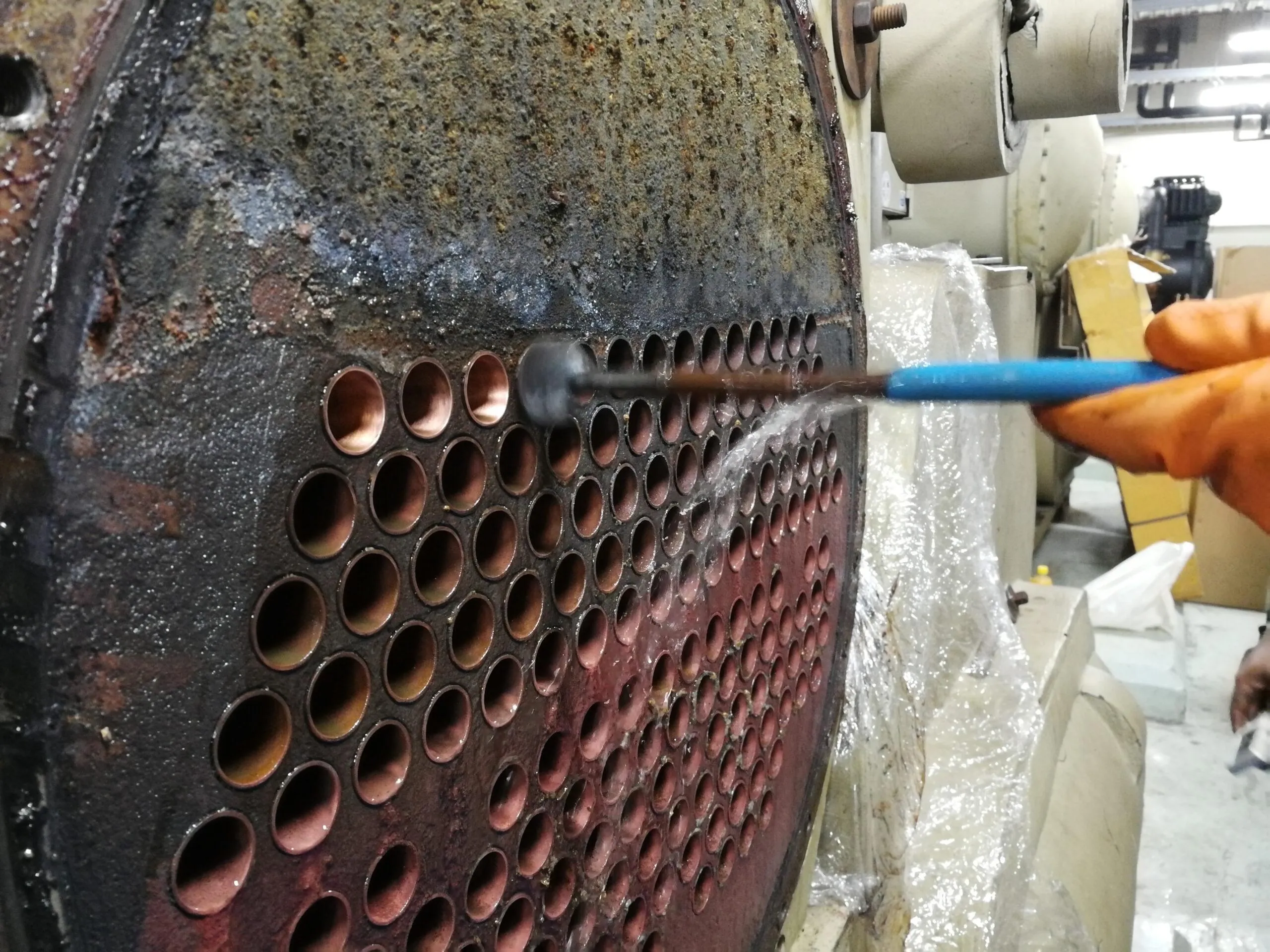
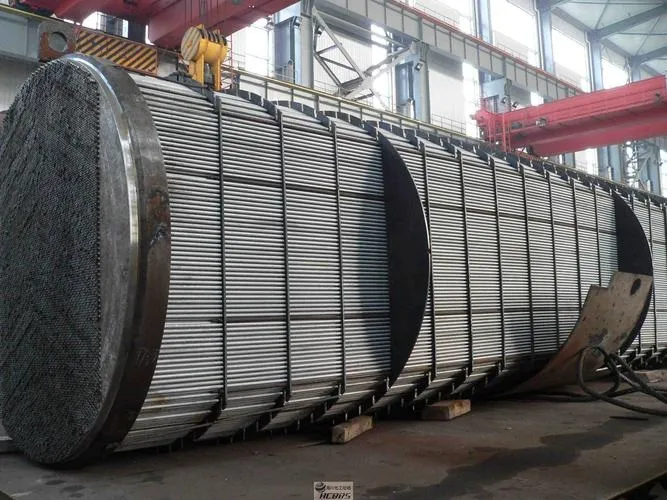
The double tube heat exchanger, also known as the double pipe heat exchanger, is a simple and cost-effective design where two concentric pipes allow heat transfer between fluids. One fluid flows through the inner pipe while the other moves in the annular space between the pipes.

Advantages:

  • Ideal for high-temperature differences
  • Easy to clean and maintain
  • Suitable for modular extension
Exploring Different Types of Pipe-Based Heat Exchangers: Double Tube, Stove Pipe, Exhaust Pipe, and Heat Pipe Designs

Applications:

  • Oil and gas
  • Chemical processing
  • Cooling lubricants or heating fluids in small batch operations

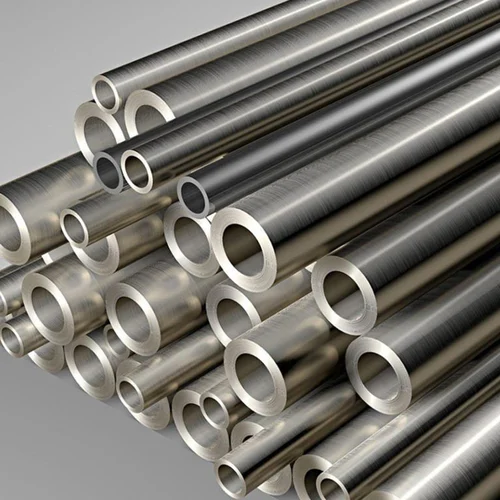
Learn more about DLSS stainless steel tubing for double tube heat exchanger applications


2. Stove Pipe Heat Exchanger: Maximizing Residential Heating Efficiency

A stove pipe heat exchanger is commonly used in wood stoves or pellet stoves to reclaim waste heat from the stove’s exhaust gases. These systems circulate room air around hot exhaust pipes to improve heating efficiency without consuming extra fuel.

Benefits:

  • Enhances energy utilization in homes
  • Reduces heating costs
  • Simple and affordable installation
Exploring Different Types of Pipe-Based Heat Exchangers: Double Tube, Stove Pipe, Exhaust Pipe, and Heat Pipe Designs

Materials:

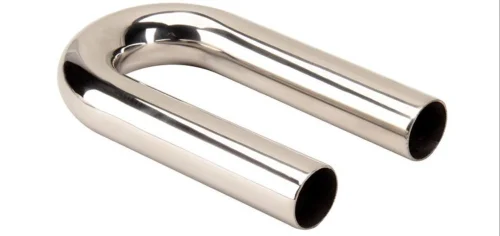
  • Heat-resistant stainless steel pipes (e.g., 304 or 409)
  • Galvanized steel with heat coating

3. Exhaust Pipe Heat Exchanger: Waste Heat Recovery in Industry

In power plants, engine systems, or incinerators, exhaust pipe heat exchangers recover heat from high-temperature flue gases. This reclaimed energy is then used to preheat combustion air or water, significantly improving system efficiency.

Key Applications:

  • Diesel generators
  • Combined heat and power (CHP) systems
  • Industrial furnaces
  • Marine engines
Exploring Different Types of Pipe-Based Heat Exchangers: Double Tube, Stove Pipe, Exhaust Pipe, and Heat Pipe Designs

Design Considerations:

  • Corrosion resistance
  • High thermal conductivity
  • Vibration resistance

DLSS provides seamless stainless steel pipes ideal for exhaust heat exchanger systems.


4. Heat Pipe Heat Exchanger: Passive, High-Efficiency Cooling

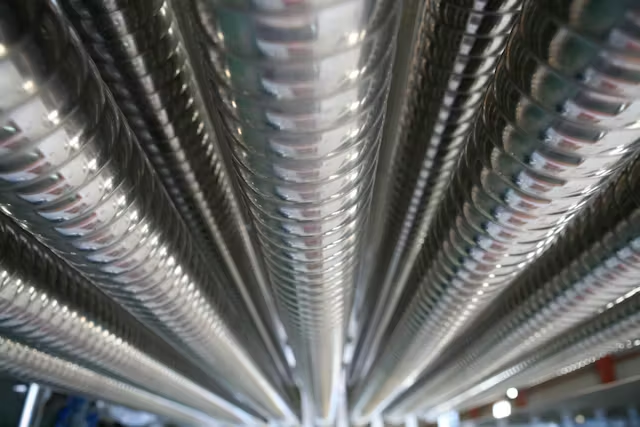
The heat pipe heat exchanger uses a sealed tube containing a working fluid that vaporizes and condenses to transfer heat passively. These systems are highly efficient and have no moving parts.

Use Cases:

  • Data center cooling
  • Electronics thermal management
  • Energy recovery in HVAC systems

Why It Works:

  • Rapid thermal response
  • Minimal maintenance
  • No external power required
Exploring Different Types of Pipe-Based Heat Exchangers: Double Tube, Stove Pipe, Exhaust Pipe, and Heat Pipe Designs

Material Selection for Pipe-Based Heat Exchangers

When selecting pipes for any heat exchanger application, materials must withstand:

  • Thermal stress
  • Corrosion (especially in acidic or marine environments)
  • Pressure fluctuations

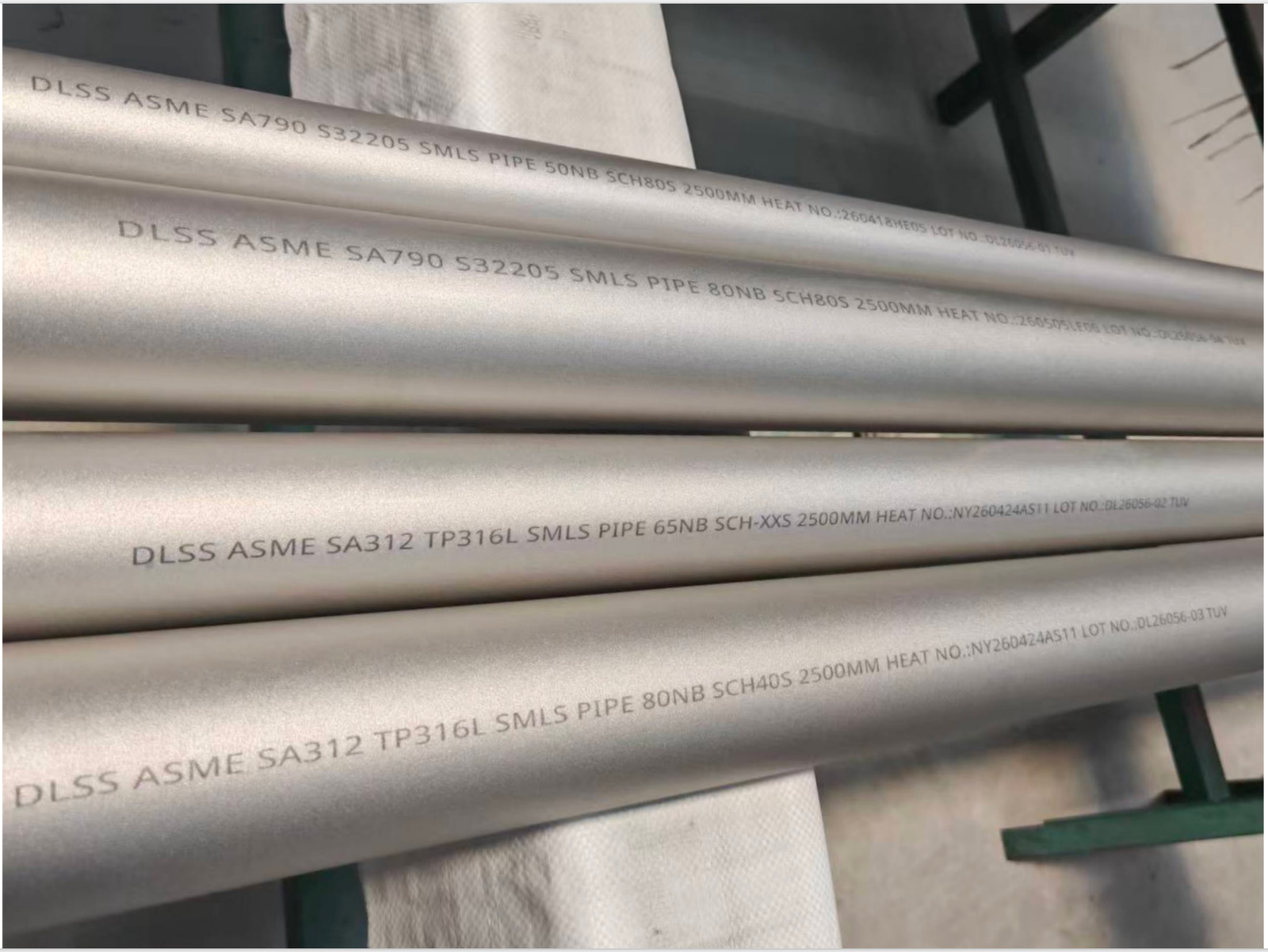
Stainless steel seamless tubes, such as TP316L, TP304, and duplex grades like 2205 or 2507, are ideal for most heat exchanger applications. These materials offer excellent strength, corrosion resistance, and long service life.


Conclusion

From industrial exhaust recovery to household heating systems, pipe-based heat exchangers come in various forms, each optimized for specific functions. Whether you’re engineering a double tube heat exchanger for a chemical plant or integrating a stove pipe heat exchanger into a residential setup, choosing the right design and material is critical for performance and reliability.

Explore our full range of stainless steel tube solutions at www.dlsspipeline.com
Contact us: info@dlsspipe.com

Wonderful! Share This Case:

Austenitic Stainless Steel

Duplex Stainless Steel

Nickel Alloys

▪ Incoloy Family

▪ Inconel Family

▪ Monel Family

▪ Hastelloy Family

▪ Other Special Alloys

Cobalt Alloys

Related Posts

How to Pass 3.2 Certification for Heat Exchanger Tubing Projects

How to Pass 3.2 Certification

Meta Description:EN 10204 3.2 certification is often mandatory for high-spec tubing projects. Learn what it means, how to prepare, and how to ensure your stainless steel heat exchanger tubes pass 3.2 inspection. Introduction For heat exchanger projects in industries like oil & gas, power generation, and refineries, third-party certification is often non-negotiable. One of the […]

Read More
Stainless Steel Seamless Pipes for Mining and Metallurgy Projects in South America

Stainless Steel Seamless Pipes for

Meta Description:Discover how stainless steel seamless tubes support high-performance mining and metallurgy operations across Chile, Peru, and Brazil. Learn about corrosion resistance, mechanical strength, and industry standards. Introduction South America is home to some of the world’s most significant mining and metallurgical hubs, particularly in Chile, Peru, and Brazil. With growing global demand for copper, […]

Read More
Stainless Steel Tubing for Food & Beverage Applications – Sanitary Requirements Explained

Stainless Steel Tubing for Food

Meta Description:Discover the sanitary tubing requirements for food and beverage processing. Learn how stainless steel tubes ensure hygiene, corrosion resistance, and compliance with global standards. Introduction In the food and beverage industry, maintaining product purity, hygiene, and corrosion resistance is non-negotiable. Stainless steel tubing plays a critical role in transporting liquids and gases—from dairy to […]

Read More
Do Stainless Steel Seamless Pipes Leak? Causes, Risks, and How to Prevent It

Do Stainless Steel Seamless Pipes

Meta Description:Are stainless steel seamless pipes leak-proof? Discover the real causes of leakage, how to prevent failures, and what international standards say about pipe integrity. Introduction One of the most frequently asked questions by project engineers, maintenance managers, and buyers is: “Will stainless steel seamless pipes leak?” The short answer:Under normal use and proper installation, […]

Read More
Understanding ASTM A213 – Seamless Tubes for Heat Exchangers and Boilers

Understanding ASTM A213 – Seamless

Meta Description:Learn everything about ASTM A213: scope, material grades, dimensional tolerances, mechanical properties, and test methods. Ideal for engineers, buyers, and project managers working with heat exchanger and boiler tubing. Introduction ASTM A213 is one of the most critical international standards for seamless ferritic and austenitic alloy steel tubes, especially those used in boilers, superheaters, […]

Read More
Bright Annealed vs Pickled Tubes – Which Finish Is Right for Your Application?

Bright Annealed vs Pickled Tubes

Meta Description:Explore the differences between bright annealed and pickled stainless steel tubes. Learn which finish is best for your application in terms of corrosion resistance, cleanliness, and industry standards. Introduction When selecting stainless steel tubes, the surface finish isn’t just cosmetic—it directly affects corrosion resistance, cleanability, and suitability for critical applications such as food processing, […]

Read More
Applications of Nickel Alloy Pipes in LNG and Refinery Projects

Applications of Nickel Alloy Pipes

1. Introduction Liquefied Natural Gas (LNG) terminals and oil refineries operate under some of the most challenging conditions in the energy sector. Piping systems in these facilities are constantly exposed to high pressure, fluctuating temperatures, and corrosive media such as hydrogen sulfide, chlorides, and acids. Nickel alloy pipes, including Inconel 625 (ASTM B444) and Incoloy […]

Read More
Global Market Trends for Titanium and Nickel Alloy Pipes (2025–2030)

Global Market Trends for Titanium

1. Introduction The demand for titanium and nickel alloy pipes is expected to grow steadily between 2025 and 2030, driven by the expansion of desalination projects, LNG infrastructure, refinery upgrades, and power plant modernization. With CAGR estimates ranging from 5–7% across both product categories, these high-performance alloys are increasingly chosen for projects requiring superior corrosion […]

Read More

Request A Quote

*We respect your confidentiality and all information are protected.