Selecting Stainless Steel Tubes for Boilers and High-Temperature Heaters (2025 Guide)

DLSS - Pipe&Tube - Selecting Stainless Steel Tubes for Boilers and High-Temperature Heaters (2025 Guide)

Why High-Temperature Applications Require Specialized Tubes

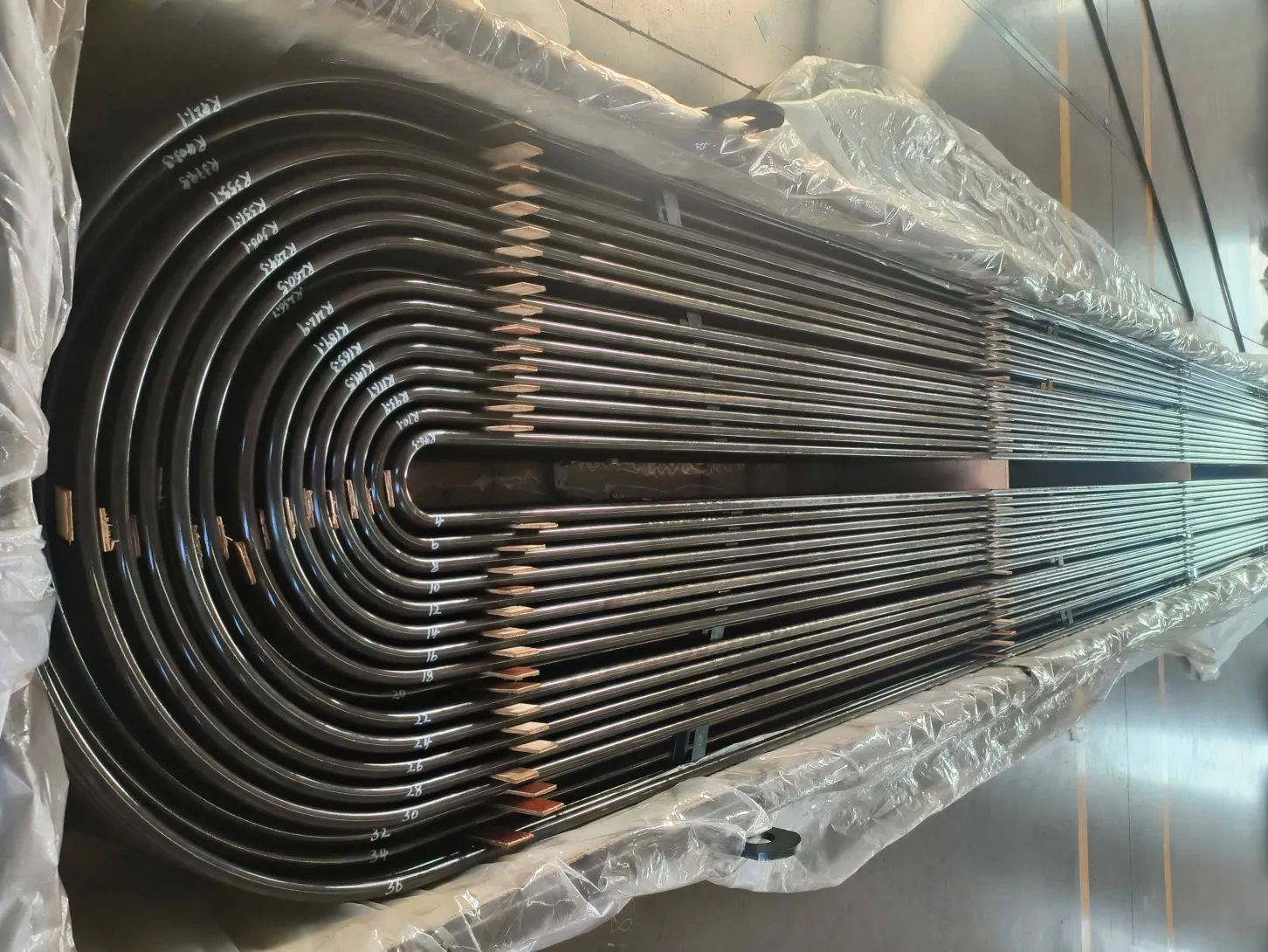
Boilers, reheaters, and furnace coils operate in environments that push materials to their thermal limits. Stainless steel tubes used in these systems must withstand continuous exposure to temperatures ranging from 500°C to over 1000°C, while also resisting oxidation, creep deformation, and thermal fatigue.

Without proper material selection, high temperatures can cause scaling, strength loss, embrittlement, or even rupture. That’s why selecting high-temperature resistant stainless steel tubing is critical for safety, performance, and long-term reliability.


Recommended Stainless Steel & Alloy Tubes for High-Temperature Applications

1. TP304H / TP316H — Austenitic Tubes for Elevated Temp Use

  • High carbon variants of 304/316 with better creep strength
  • Suitable for superheaters and reheaters under 600°C
  • Conform to ASTM A213 / ASME SA213

2. TP347H / 321H — Stabilized Stainless Tubes

  • Niobium or titanium stabilized to resist intergranular corrosion at high temperatures
  • Good structural stability under thermal cycling
  • Widely used in boiler headers, steam piping, and heat recovery systems

3. 310S / 253MA — High-Temp Oxidation-Resistant Tubes

  • Outstanding resistance to oxidation up to 1150°C
  • Ideal for radiant heater tubes, furnace burners, and thermal processing lines
  • 253MA offers better mechanical strength with nitrogen and rare earth elements

4. Incoloy 800H / 800HT — Nickel-Iron-Chromium Alloy Tubes

  • Excellent resistance to oxidation, carburization, and thermal creep
  • Often used in ethane/ethylene cracker furnaces, reformers, and high-pressure boilers
  • Compliant with ASTM B407 and ASME Code Cases

Key Properties to Consider for High-Temperature Stainless Tubes

PropertyImportance in High-Temp Service
Creep ResistancePrevents long-term deformation at high stress and temperature
Oxidation & Carburization ResistanceEnsures tube integrity in air or combustion atmospheres
Thermal Fatigue ResistanceWithstands repeated temperature cycling in startup/shutdown systems
Microstructure StabilityPrevents grain coarsening and embrittlement over time
Compliance with Boiler CodesASTM A213, A335, EN 10216-2, ASME Section I / VIII

Global Industry Trends in High-Temperature Tube Applications

  • Power plants are switching from carbon steel to TP347H and 310S to meet emission and efficiency requirements
  • Refineries and hydrogen plants are increasingly using Incoloy 800H in reformer outlet systems
  • Waste-to-energy and biomass boilers prefer 253MA stainless steel tubes for better oxidation resistance and service life

DLSS Expert Insight

“Clients often ask if 304L can be used in boilers. While it’s fine for low-temp systems, once you exceed 550°C, you must consider H-grade stainless steel or high-nickel alloys. We provide tailored support to ensure creep rupture strength, oxidation resistance, and code compliance are met.”
— DLSS High-Temperature Product Team


Frequently Asked Questions (FAQ)

Q1: Can regular 304 stainless steel be used for boiler tubes?
No. Use TP304H or TP347H, which offer better high-temperature strength and oxidation resistance.

Q2: What’s the temperature limit for 310S tubes?
310S can typically withstand continuous use at 1050°C, with short-term exposure up to 1150°C.

Q3: When should I choose 800H over 310S?
For long-term exposure above 800°C where creep resistance is critical, 800H or 800HT are better choices than 310S.


Conclusion: High-Temperature Performance Requires the Right Alloy

Operating under extreme heat demands materials engineered for thermal strength and surface stability. DLSS supplies high-temperature stainless steel and alloy tubes that meet the world’s most stringent boiler, heater, and pressure vessel standards.

With 30+ years of experience, third-party test support, and traceable heat batches, we ensure safe, durable, and code-compliant delivery for your high-temp systems.


Wonderful! Share This Case:

Austenitic Stainless Steel

Duplex Stainless Steel

Nickel Alloys

▪ Incoloy Family

▪ Inconel Family

▪ Monel Family

▪ Hastelloy Family

▪ Other Special Alloys

Cobalt Alloys

Related Posts

Cost vs Performance: Are Titanium Pipes Worth It in Power Plant Condensers?

Cost vs Performance:

1. Introduction Power plants around the world rely on efficient condenser systems to maximize energy output and minimize downtime. Material choice for condenser tubes directly impacts operating costs and plant reliability. While stainless steel and copper alloys have traditionally been used, titanium pipes (Grade 2, ASTM B338) are increasingly recognized...

Read More
Applications of Stainless Steel Seamless Pipes in the Oil & Gas Industry

Applications of Stainless

Introduction In the global steel market, stainless steel seamless pipes are projected to grow from USD 3.88 B in 2025 to USD 5.15 B by 2030, driven largely by demand in the oil and gas sector linkedin.com+1gerabnationalenterprises.com+1marketsandmarkets.com+4globenewswire.com+4marketsandmarkets.com+4. Their unmatched resistance to high pressure, corrosion, and temperature make them essential across the entire petroleum value...

Read More

Why Seamless Stainless

When designing a high-performance heat exchanger, tube material is a critical factor. Stainless steel, particularly in seamless form, is gaining popularity across industries thanks to its mechanical strength, corrosion resistance, and thermal reliability. In this article, we’ll break down why seamless stainless steel tubes are the ideal choice for demanding heat exchanger...

Read More
How to Specify U-Bend Stainless Steel Tubes for Heat Exchangers

How to Specify

Introduction U-bend stainless steel tubes are a critical component in shell and tube heat exchangers, designed to increase heat transfer area while optimizing space. These tubes must meet strict dimensional, metallurgical, and mechanical standards to perform reliably under thermal cycling and high-pressure environments. This article guides you through the key...

Read More
How to Ensure Zero-Defect Delivery of High-Performance Alloy Pipes

Zero-Defect Delivery for

For EPC contractors and end users, high-performance alloy pipes are not ordinary commodities. Materials such as titanium, Alloy 625, Alloy 825, Hastelloy C-276, Monel 400, duplex stainless steel, and super duplex stainless steel are often used in desalination, LNG, chemical processing, power plants, refineries, offshore platforms, and heat exchanger systems....

Read More
Heat Exchangers in the Food and Beverage Industry: Hygienic Design and Stainless Steel Tube Selection

Heat Exchangers in

In the food and beverage (F&B) industry, heat exchangers play a vital role in processes such as pasteurization, sterilization, CIP cleaning, and temperature control in production lines. These systems must meet stringent hygiene requirements, resist corrosion, and maintain high thermal efficiency under continuous operation. This article explores how heat exchangers...

Read More
ASTM B111 C70600 (O61) Copper-Nickel Seamless Tube 16 × 1.0mm × 3000mm with 100% Eddy Current Testing for Condenser Applications

ASTM B111 C70600

Product Overview: ASTM B111 C70600 Seamless Copper-Nickel Tube (16×1.0mm, 3000mm) C70600, also known as 90/10 Copper-Nickel, is a marine-grade copper alloy containing 90% copper and 10% nickel. It’s renowned for its outstanding resistance to seawater corrosion, biofouling, and stress corrosion cracking, making it a top choice for condenser tubes and heat exchanger...

Read More
hardness testing MTC stainless steel tubes

Hardness Testing in

Introduction Mill Test Certificates (MTCs) are essential documents for stainless steel tubes, certifying that products comply with ASTM, ASME, EN, and JIS standards. Among the critical mechanical properties included, hardness values (Brinell, Rockwell, Vickers) are especially important for ensuring suitability in demanding applications like boilers and heat exchangers. 1. Hardness...

Read More

Request A Quote

*We respect your confidentiality and all information are protected.