Shell and Tube Heat Exchanger Design Considerations for Optimal Performance

DLSS - Heat Exchanger Knowledge Hub - Shell and Tube Heat Exchanger Design Considerations for Optimal Performance

1. Introduction – Shell and Tube Heat Exchanger Design

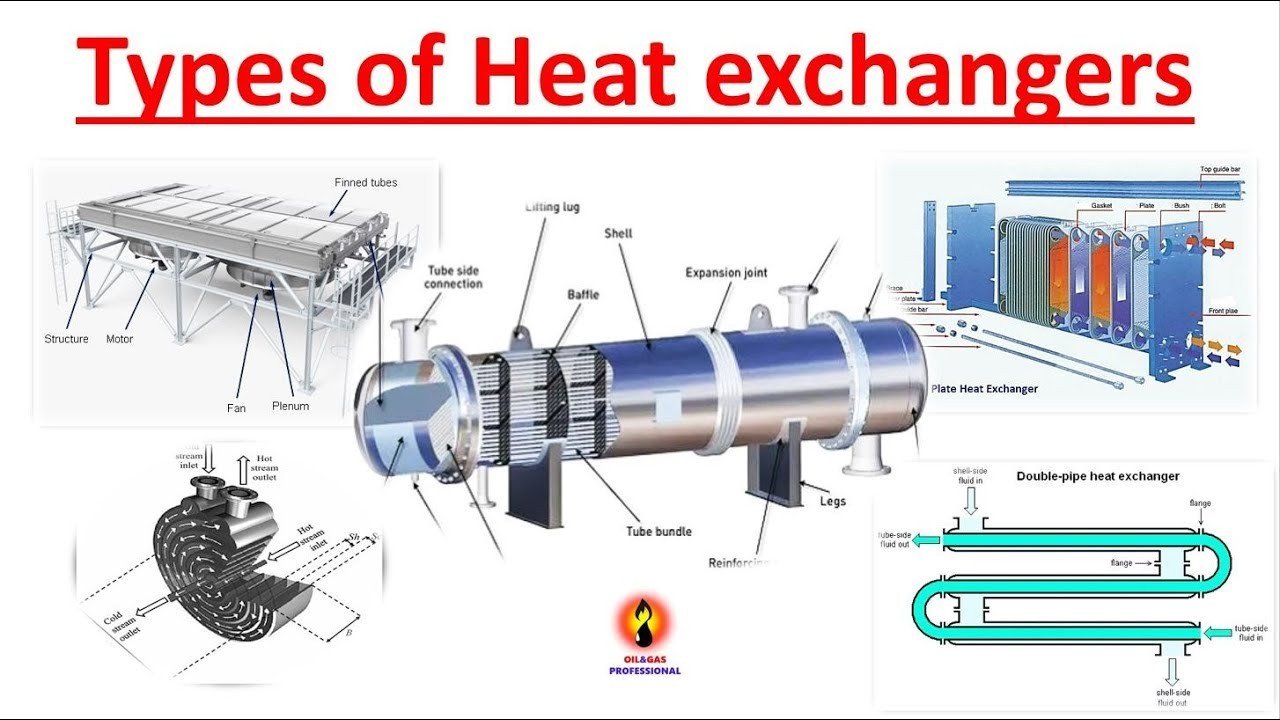
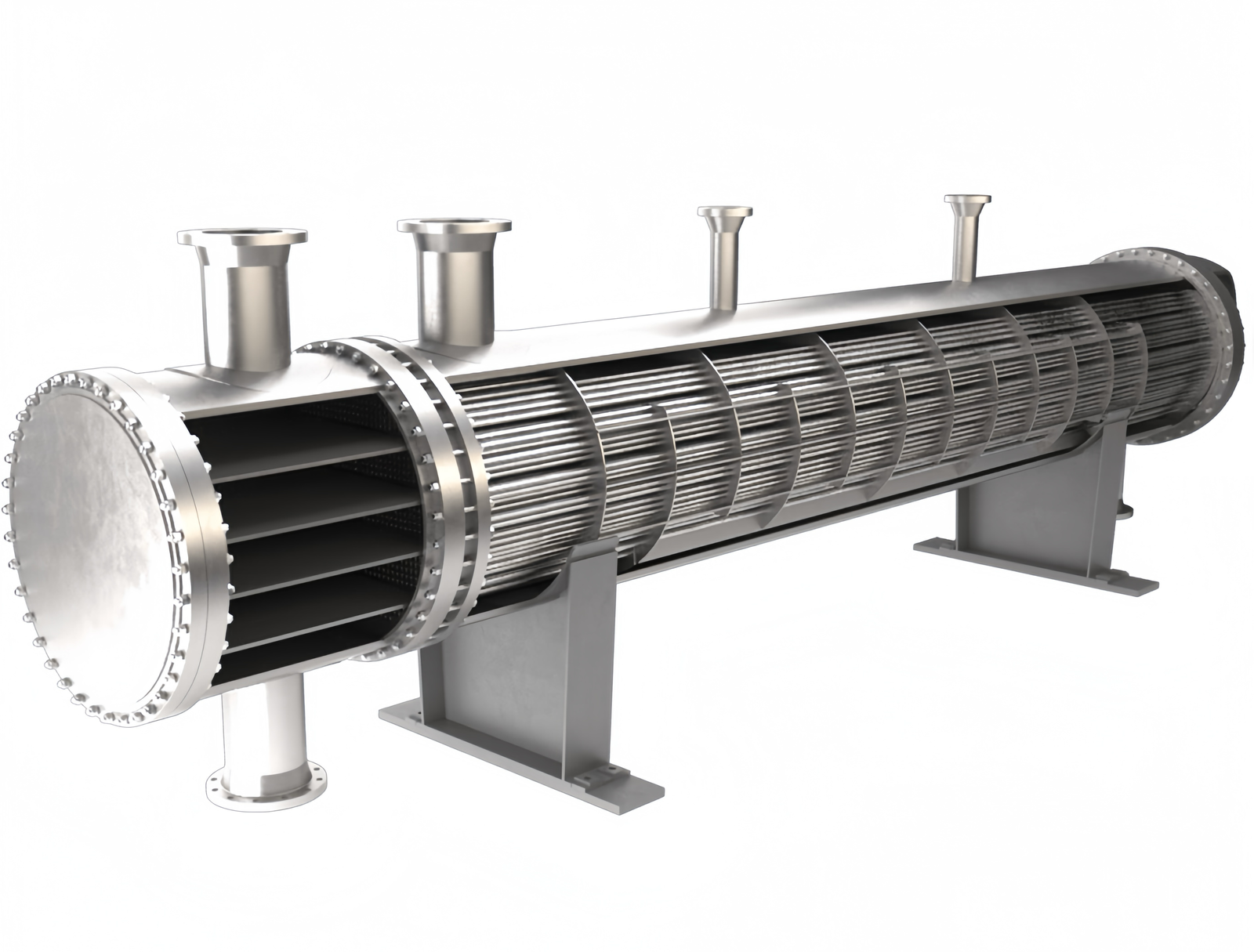
A shell and tube heat exchanger is one of the most widely used heat exchanger types in industrial applications due to its versatility, durability, and ability to handle high pressures and temperatures.

When planning a new installation or upgrading existing equipment, it is essential to consider several key design factors that directly influence efficiency, reliability, and maintenance requirements.

For related topics, see 5 Proven Ways to Improve Heat Exchanger Efficiency, 7 Effective Ways to Prevent Fouling in Heat Exchangers, Best Material for Seawater Heat Exchanger, and Heat Exchanger Maintenance Checklist.


2. Tube Bundle Design

  • Tube Diameter & Thickness: Select dimensions based on fluid type, flow velocity, and pressure requirements.
  • Tube Layout: Common patterns include triangular and square pitch; triangular maximizes heat transfer surface area, while square facilitates cleaning.
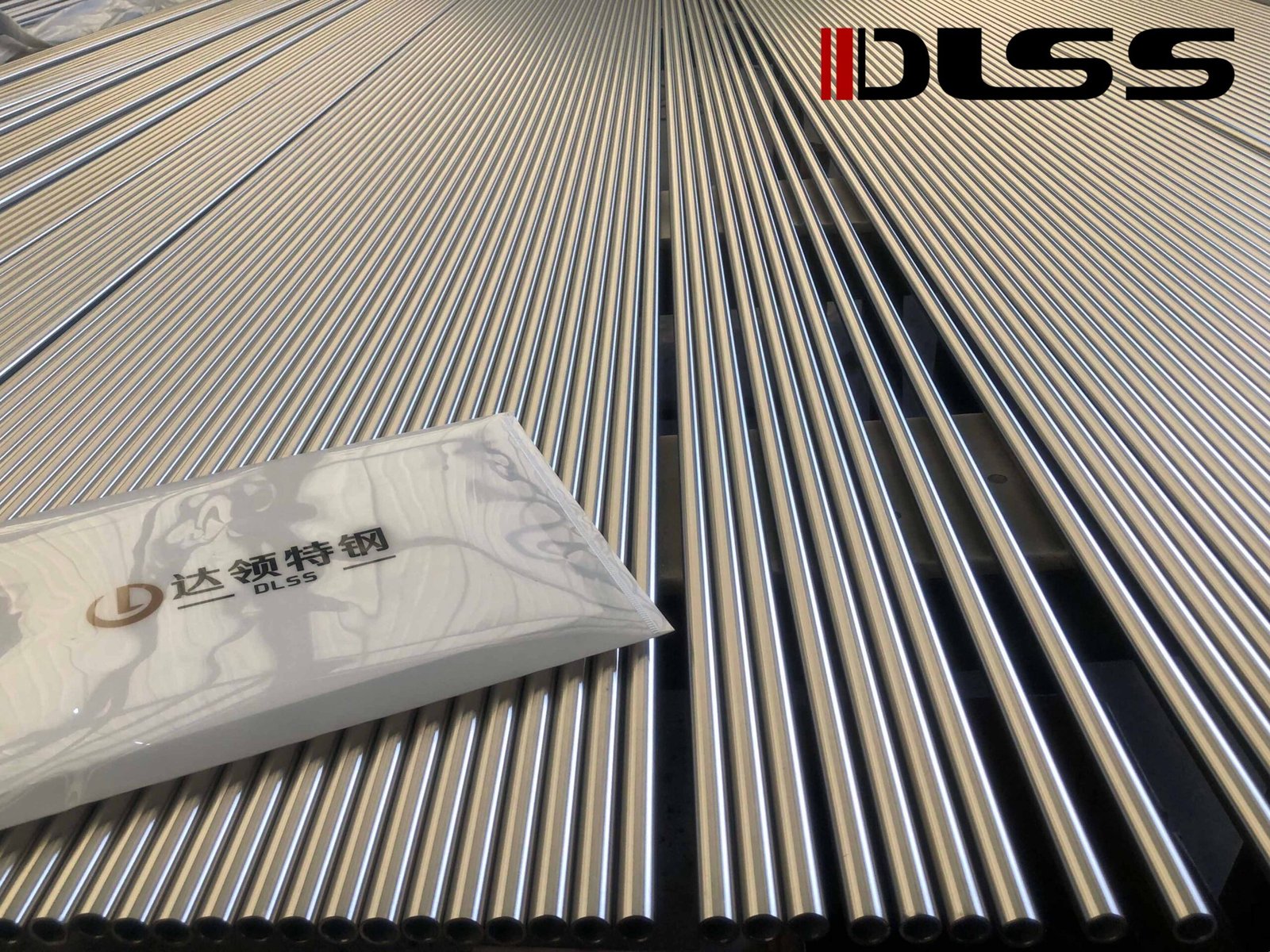
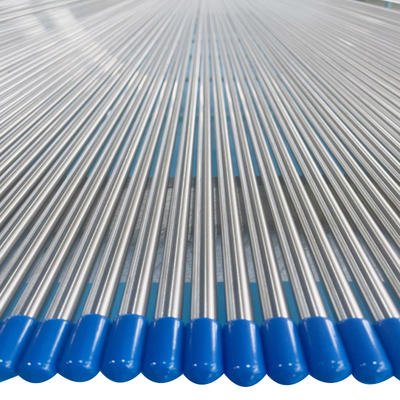
  • Tube Material: Choose corrosion-resistant alloys like 316L, duplex 2205, or titanium for seawater or chemical service. See our heat exchanger tubes for more details.

3. Shell-Side Configuration

  • Shell Diameter: Must accommodate the tube bundle with sufficient clearance for thermal expansion.
  • Baffle Design: Baffles guide shell-side flow to improve turbulence and heat transfer while supporting the tubes.
  • Baffle Spacing: Tighter spacing improves heat transfer but increases pressure drop; find the right balance based on process requirements.

4. Flow Arrangement

  • Single Pass vs. Multi-Pass: Multi-pass arrangements allow greater heat recovery and smaller units for the same duty, but may increase pressure drop.
  • Counterflow vs. Parallel Flow: Counterflow maximizes the temperature driving force, improving efficiency.
  • Not sure which type fits your duty? Compare options in plate vs shell and tube heat exchangers. When your duty is set, confirm key steps for sizing a shell and tube heat exchanger.

5. Fouling Considerations

Design should minimize areas of low velocity where deposits can settle. For long-term performance, see 7 Effective Ways to Prevent Fouling in Heat Exchangers.


6. Mechanical Design and Standards

  • Design Codes: Ensure compliance with ASME Boiler and Pressure Vessel Code or TEMA standards for pressure-containing equipment.
  • Thermal Expansion: Include expansion joints or floating heads to handle temperature differences between shell and tubes.

7. Maintenance Access

  • Removable Tube Bundle: Simplifies inspection and cleaning, particularly for seawater-cooled units.
  • Manways and Nozzles: Properly sized for internal access and ease of maintenance.

8. Real-World Example

A petrochemical facility redesigned its seawater-cooled shell and tube exchanger using duplex stainless steel tubes, optimized baffle spacing, and a counterflow arrangement. This reduced fouling rates by 35% and improved thermal efficiency by 12%, extending maintenance intervals from 9 months to 15 months.


9. Conclusion

Effective shell and tube heat exchanger design balances thermal performance, pressure drop, fouling resistance, and maintenance requirements. By choosing the right tube material, optimizing baffle and flow design, and adhering to industry standards, you can achieve high efficiency and long service life.

For more on maintenance, read Heat Exchanger Maintenance Checklist, and for corrosion-resistant material selection, see Best Material for Seawater Heat Exchanger.


Contact DLSS
At DLSS, we manufacture high-quality stainless steel tubes for heat exchanger applications, ensuring optimal heat transfer, corrosion resistance, and long service life.
Email: info@dlsspipe.com
Website: www.dlsspipeline.com

Related Reading

Wonderful! Share This Case:

Austenitic Stainless Steel

Duplex Stainless Steel

Nickel Alloys

▪ Incoloy Family

▪ Inconel Family

▪ Monel Family

▪ Hastelloy Family

▪ Other Special Alloys

Cobalt Alloys

Related Posts

Stainless Steel Tubing Solutions for South America’s Oil & Gas Industry

Stainless Steel Tubing Solutions for

Meta Description:South America’s oil and gas industry faces complex environments—from offshore Brazil to Andean gas fields. Learn why stainless steel seamless tubes are the smart choice for long-term reliability. Introduction South America is rich in oil and gas reserves—from Brazil’s offshore pre-salt basins, to Argentina’s Vaca Muerta shale, and Colombia’s expanding gas fields. These resources […]

Read More

Disadvantages of Copper Tubes in

Copper tubes have been widely used in heat exchangers for decades, thanks to their excellent thermal conductivity and workability. However, as industries evolve and system requirements become more demanding, copper tubes are facing several limitations in terms of performance, durability, and lifecycle cost. In this blog, we’ll explore the main disadvantages of copper tubes in heat exchangers—and […]

Read More
Pickling vs Bright Annealing: Which Surface Treatment Is Best for Stainless Steel Tubes?

Top 5 Stainless Steel Tube

Meta Description:Discover the five most common causes of stainless steel tube failures. Learn how to detect, prevent, and solve issues in high-performance piping systems across industries. Introduction Stainless steel tubes are widely used in high-demand applications due to their corrosion resistance, strength, and cleanliness. However, tube failure—when it occurs—can lead to production shutdowns, safety hazards, […]

Read More
ASTM A213 vs A269: What’s the Difference in Heat Exchanger Tubing?

ASTM A213 vs A269: What’s

Meta Description:Confused between ASTM A213 and A269 stainless steel tube standards? Learn the key differences in application, tolerances, testing, and suitability for heat exchangers and process systems. Introduction Two of the most frequently specified standards for stainless steel tubing are ASTM A213 and ASTM A269. Both cover austenitic stainless steel tubes like TP304L, TP316L, and […]

Read More

3.2 Certificate, TPI inspection and

Product Information ASME SA179 Seamless U-tubes ∅19.05 × 2.11min × L12210.9~13617.8mm, Total: 1,352 pcs Project Background The end user is a large energy and chemical company. Due to severe quality issues with previously sourced ASME SA179 tubes from India—leading to equipment shutdown and project suspension—the customer urgently needed to procure new tubes for heat exchanger […]

Read More
What’s the Difference Between TP304, TP316, TP321, and Other Stainless Steel Tube Grades?

What’s the Difference Between TP304,

Meta Description:Explore the key differences between TP304, TP316, TP321, and other stainless steel tube grades. Learn how to choose the right material based on corrosion resistance, temperature, mechanical strength, and compliance with ASTM and EN standards. Introduction Choosing the correct stainless steel tube grade is crucial for ensuring performance, longevity, and regulatory compliance in industries […]

Read More
Nickel 200 and Nickel 201 Seamless Tubes: Properties, Applications, and Selection Guide

Nickel 200 and Nickel 201

Introduction Nickel 200 seamless tubes and Nickel 201 seamless tubes are widely used in industries requiring high-purity, corrosion-resistant, and thermally conductive materials. These nickel alloy seamless pipes offer exceptional performance in chemical processing, caustic environments, cryogenic systems, and electrolytic applications. According to Wikipedia, both Nickel 200 and 201 belong to the category of commercially pure […]

Read More
avoid steel pipe shipment delays

How to Avoid Delays in

In global trade, on-time delivery is just as critical as product quality. For overseas buyers of stainless steel pipes and tubes, shipment delays can lead to project interruptions, financial losses, and strained client relationships. Understanding the common causes of delays—and how to avoid them—is essential for smooth international transactions. Common Causes of Shipment Delays How […]

Read More

Request A Quote

*We respect your confidentiality and all information are protected.