How Nuclear Energy and SMRs Are Shaping the Future of Stainless Steel Tube Demand

DLSS - Pipe&Tube - How Nuclear Energy and SMRs Are Shaping the Future of Stainless Steel Tube Demand

As the world searches for low-carbon, reliable energy, nuclear power is regaining momentum—this time with smaller, safer, and more modular technology.

Small Modular Reactors (SMRs) are expected to play a vital role in off-grid energy, decarbonization of industry, and stable base-load supply. These reactors rely heavily on high-performance stainless steel and alloy tubing for their cooling systems, heat exchangers, condensers, and steam generators.


1. What Are SMRs, and Why Do They Matter?

  • SMRs are nuclear reactors with an output typically under 300 MWe
  • Designed for modularity, quicker deployment, and remote operation
  • Used in military bases, mining regions, desalination, and industrial zones
  • Targeted by over 20 countries for rollout between 2025–2040

Reference: International Atomic Energy Agency (IAEA) SMR Platform
nuclear-smr-stainless-tube-market-opportunity

2. What Types of Tubes Are Needed in SMR Systems?

ApplicationTube Requirement
Primary heat exchangersTP347H / TP316Ti with high-temperature stability
Steam generatorsSA213 Class I tubing with wall thickness control
Pressurizers & recirculation loopsHigh-pressure seamless tubes, low sulfur, low carbon
Containment coolingCorrosion-resistant tubes, bright annealed finish
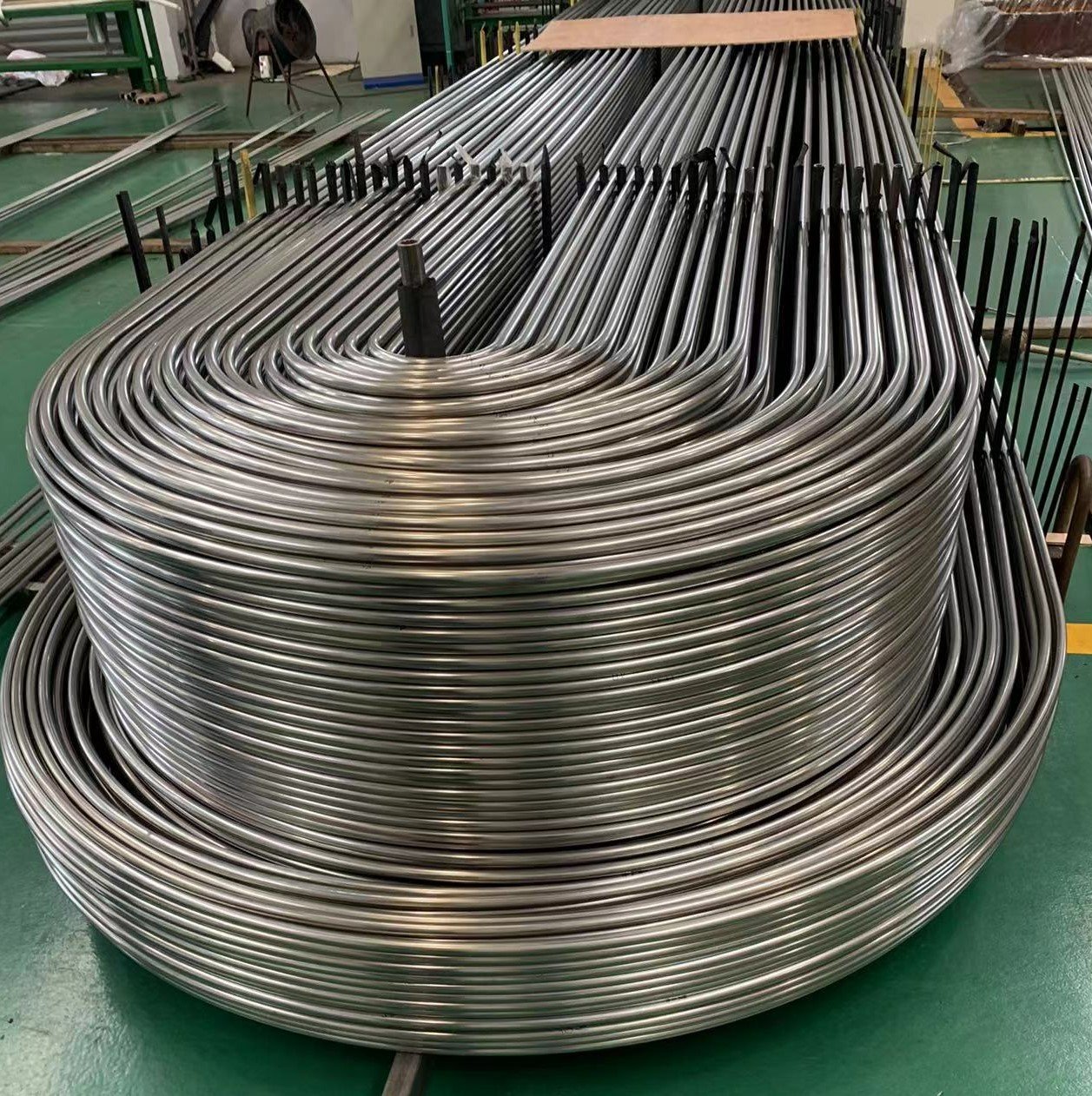
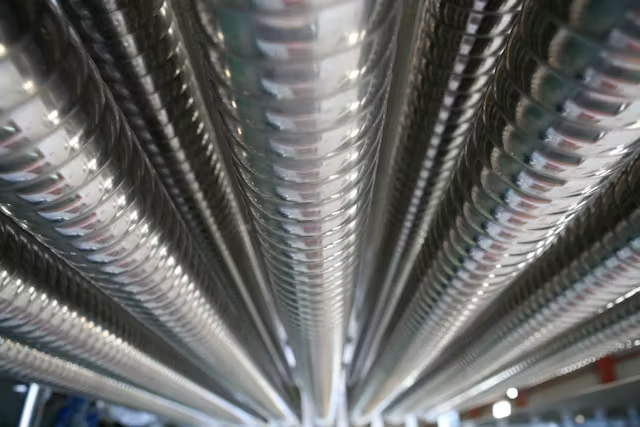
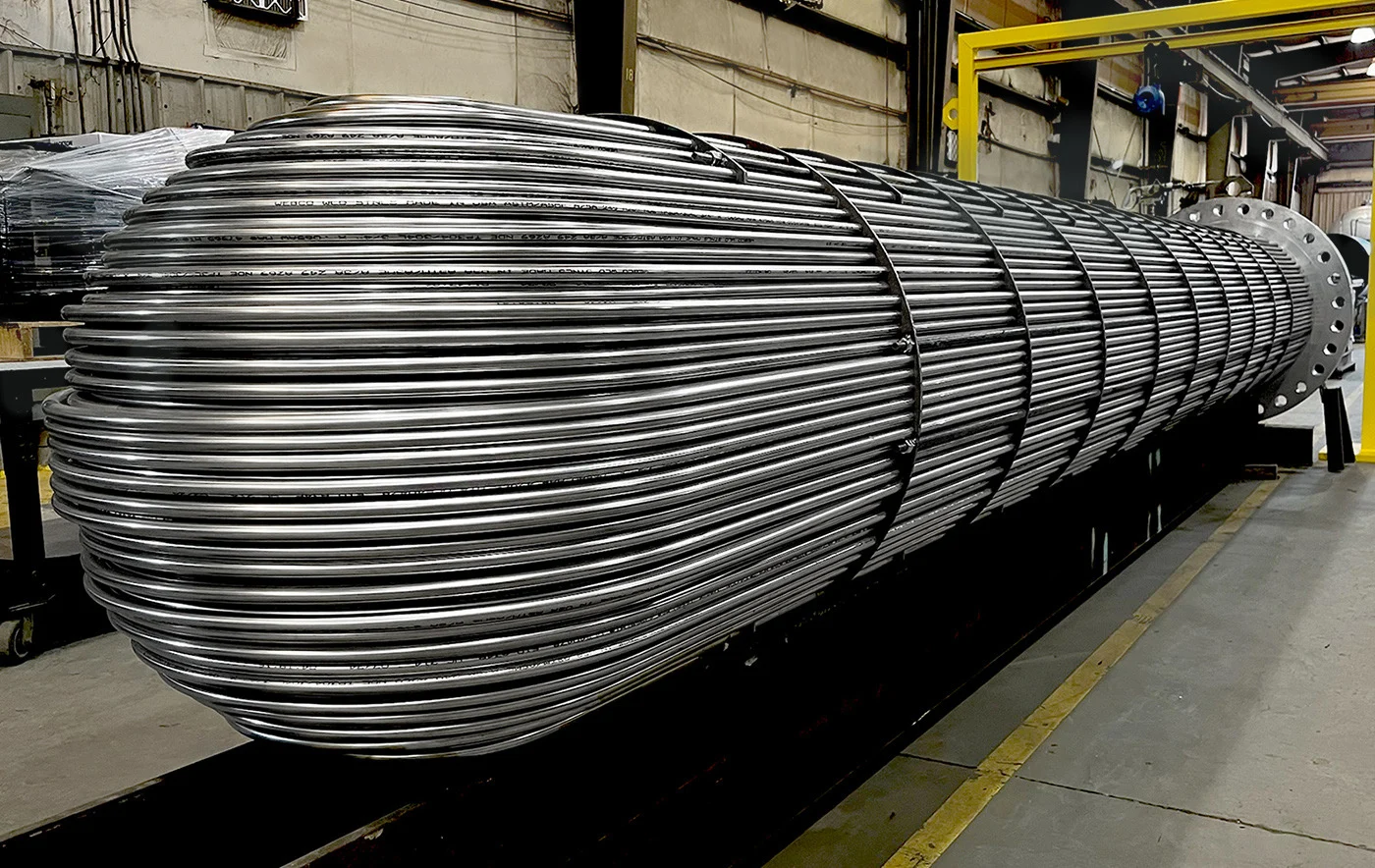
Turbine condensersU-bent or finned TP304L/316L coils

Tubes used in nuclear systems must meet stringent ASME, RCC-M, or JSME codes, often requiring Level 1 or Level 2 safety class certifications, full NDE, and traceability from raw material to finished product.
nuclear-smr-stainless-tube-market-opportunity

3. Global SMR Projects Under Development

CountryProjectStainless Steel Opportunities
USANuScale, GE-Hitachi BWRX-300ASME Class I pipe, SA213 TP347H
CanadaOntario Power Generation SMRNuclear-certified U-tubes
ChinaACP100, HTR-PMTP316Ti, 347H bright-annealed piping
FranceEDF NUWARD SMREN + RCC-M qualified alloy pipes
South KoreaSMART reactorThin-wall corrosion-resistant bundles

These projects favor manufacturers with nuclear-quality documentation, stable delivery cycles, and international inspection experience.

nuclear-smr-stainless-tube-market-opportunity

4. What Makes a Tube Supplier Nuclear-Ready?

  • Certified to ASME NQA-1, ISO 19443, or relevant nuclear QA frameworks
  • Provide full heat lot traceability, material test reports, and welding logs
  • Conduct 100% UT, RT, and eddy current testing
  • Support witnessed hydro and destructive testing
  • Meet tight tolerance on wall thickness, concentricity, and surface finish

Suppliers like DLSS, while not yet supplying nuclear grade directly, can gradually build qualifications by supporting peripheral systems (non-safety-critical steam lines, condensers, cooling water).
nuclear-smr-stainless-tube-market-opportunity

Frequently Asked Questions (FAQ)

Q1: What’s the difference between TP316L and TP316Ti in nuclear service?
A: TP316Ti offers better resistance to sensitization at elevated temperatures, making it suitable for long-term use in systems above 500°C.

Q2: Can Chinese tube suppliers enter the SMR market?
A: Yes, especially in auxiliary systems or by partnering with certified EPCs. Achieving ASME N-type or ISO 19443 certification is key for direct nuclear component supply.

Q3: What testing is required for nuclear-grade stainless steel tubes?
A: Non-destructive testing (UT, ET, RT), mechanical tests (tensile, flattening, flaring), corrosion tests, and full documentation audit trails.

Q4: What packaging is used for nuclear tubes?
A: Individual tube capping, color-coding, alloy tagging, VCI paper wrapping, and crate labeling with P.O., batch, and heat number.


Conclusion: SMRs Need Smart Tubes

The global shift toward SMRs and modern nuclear systems is opening new high-specification, high-value markets for stainless steel tube manufacturers.

For suppliers that can meet the challenge—through tight dimensional control, total material traceability, and nuclear-ready documentation—the opportunity is long-term and strategic.

The reactors of the future are small—but the demand for precision tubes has never been bigger.

Wonderful! Share This Case:

Austenitic Stainless Steel

Duplex Stainless Steel

Nickel Alloys

▪ Incoloy Family

▪ Inconel Family

▪ Monel Family

▪ Hastelloy Family

▪ Other Special Alloys

Cobalt Alloys

Related Posts

ASTM A789 S32750 Super Duplex Steel Seamless Tube 19*2.4MW Bright Annealed Type

Global Heat Exchanger

Introduction In the international heat exchanger industry, buyers and engineers frequently encounter various regional and international standards. The most commonly used include: Understanding the similarities and differences between these standards is essential when sourcing or specifying stainless steel seamless tubes, particularly for high-pressure, thermal, or corrosive environments. This article provides...

Read More
Stainless steel seamless bright tube

Stainless Steel Ultra-pure

Stainless Steel Ultra-Pure Clean BA/EP Tubes for Semiconductor Applications In the high-tech world of semiconductor manufacturing, purity is everything. From the wafers to the equipment, every component must meet stringent cleanliness standards to ensure flawless performance. Among the most critical components are ultra-pure stainless steel tubes, especially those with BA (Bright Annealed) and EP...

Read More
ASTM A213 vs A269: What’s the Difference in Heat Exchanger Tubing?

ASTM A213 vs

Introduction Two of the most frequently specified standards for stainless steel tubing are ASTM A213 and ASTM A269. Both cover austenitic stainless steel tubes like TP304L, TP316L, and TP321. However, their scope, tolerances, and test requirements differ significantly—especially for heat exchanger and pressure service applications. This article provides a clear,...

Read More
Heat Exchanger Tube Manufacturing for Japan’s Power Industry(日本の発電産業向け熱交換器チューブ製造)

Heat Exchanger Tube

1. Introduction Japan’s power sector—including 火力発電所 (thermal power plants), 原子力発電所 (nuclear power plants), and 再生可能エネルギー施設 (renewable energy facilities)—demands high-performance heat exchanger tube Japan that can withstand high pressure, high temperature, and corrosive environments. DLSS provides stainless steel and special alloy tubes that meet JIS G3463 and ASTM standards, ensuring long...

Read More
Nickel Alloy Steel Seamless Pipes and Tubes: Industrial Advantages and Applications

Nickel Alloy Steel

Introduction Nickel alloy steel seamless pipes and tubes are essential materials in demanding industries where components must withstand extreme temperatures, corrosive chemicals, and high pressure. Their seamless structure combined with the superior characteristics of nickel-based alloys makes them the material of choice for chemical processing, petrochemical, marine, power generation, and...

Read More
Seamless vs Welded Stainless Steel Pipes: Which Is More Reliable in 2025?

Seamless vs Welded

Introduction When selecting stainless steel pipes for high-stakes projects—whether in oil & gas, chemical processing, or heat exchanger systems—one key decision is: Should I choose seamless or welded pipe? With evolving quality standards and application-specific demands, this comparison remains a hot topic in 2025.In this article, we explore the structural,...

Read More
NACE MR0175 vs MR0103: What’s the Difference in Stainless Steel Tube Procurement?

NACE MR0175 vs

Introduction When sourcing stainless steel tubes for corrosive environments, especially those involving hydrogen sulfide (H₂S), two international standards are frequently cited: While both relate to sulfide stress cracking (SSC) resistance, they apply to different industries and conditions. Misinterpreting their scope can lead to rejected materials or premature failures. This article...

Read More
Nickel Alloy 625 vs 825: Choosing the Right Pipe for Chemical and Offshore Projects

Nickel Alloy 625

1. Introduction When it comes to critical piping systems in chemical plants, refineries, and offshore projects, material selection plays a decisive role in long-term reliability. Two of the most widely specified options are Nickel Alloy 625 pipes and Incoloy 825 tubes. Although both are high-performance alloys with excellent corrosion resistance,...

Read More

Request A Quote

*We respect your confidentiality and all information are protected.