Global Heat Exchanger Market Trends 2025: New Technologies, Materials, and Opportunities

DLSS - Tubes For Heat Exchanger - Global Heat Exchanger Market Trends 2025: New Technologies, Materials, and Opportunities

As the world transitions toward cleaner energy and more efficient industrial processes, heat exchangers are becoming more critical than ever. Whether in hydrogen plants, data centers, electric vehicle battery cooling, or traditional oil refineries—thermal management systems are evolving rapidly.

This change is driving demand for more durable, efficient, and customizable heat exchanger tubes, particularly in stainless steel and alloy grades.


1. The Global Market Outlook

According to MarketsandMarkets, the global heat exchanger market is projected to grow from USD 16.6 billion in 2023 to over USD 22.1 billion by 2028, driven by:

  • Renewable energy investment (wind, solar, hydrogen)
  • LNG and refinery upgrades
  • Electrification of transport and heating
  • Demand for energy efficiency in process industries

Major growth regions include Asia-Pacific, North America, Middle East, and South America.
global-heat-exchanger-market-trends-2025

2. What’s Changing in Heat Exchanger Design?

TrendImpact on Tube Requirements
Compact and modular designsTighter bending radii, thinner walls, higher surface finish
High-efficiency demandsSmooth inner surfaces, smaller tolerance ranges
Corrosive environmentsDuplex or high-nickel alloys for seawater, acid gas, or amines
Green refrigerants & heat pumpsCompatibility with CO₂, ammonia, and R-32 refrigerants
Digital thermal modelingCustom tube specifications tied to simulation results

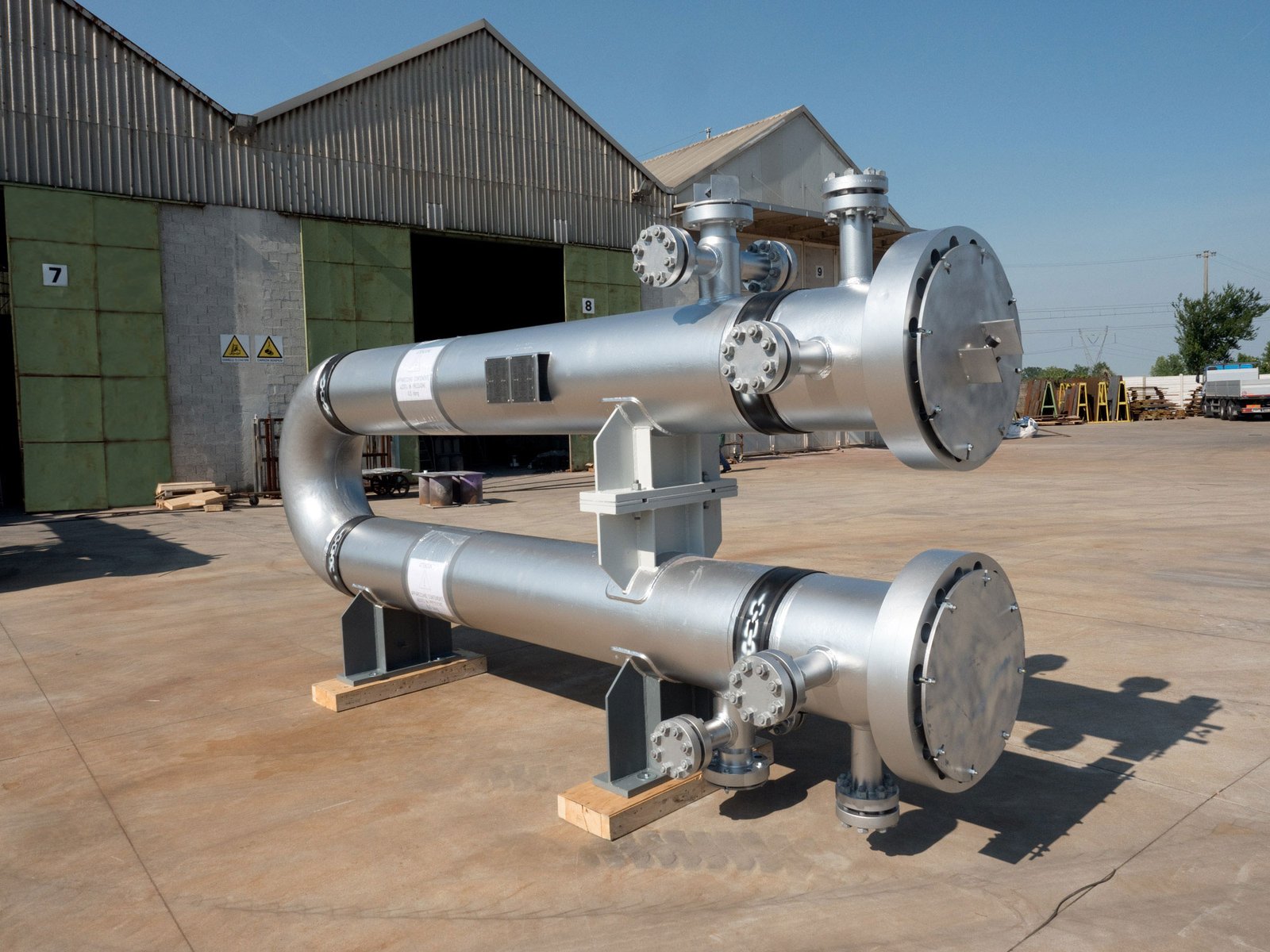
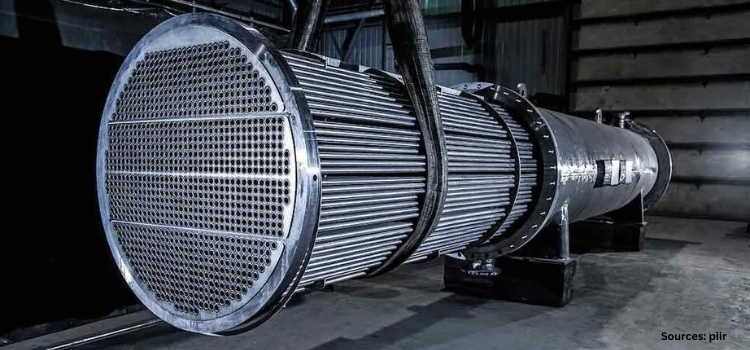
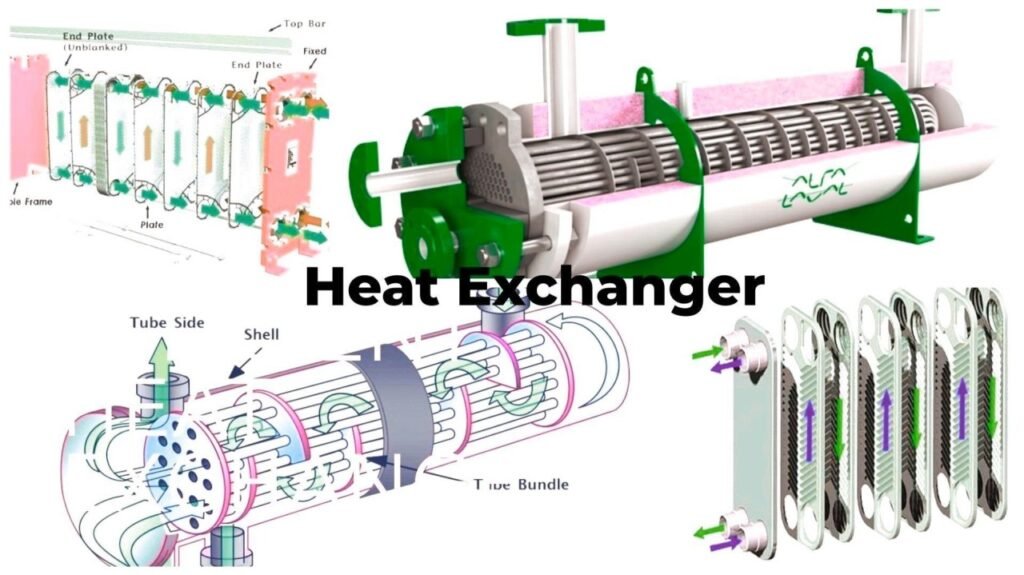
The traditional shell-and-tube heat exchanger still dominates heavy industry, but plate-fin, air-cooled, and printed heat exchangers are gaining ground in emerging fields.
global-heat-exchanger-market-trends-2025

3. Most Demanded Tube Types in 2025

  • TP316L / TP304L seamless tubes for general heat exchanger applications
  • Duplex stainless (S32205 / S32750) for offshore or chloride-rich systems
  • TP321/347 for high-temperature applications like waste heat recovery
  • Low-fin and extruded finned tubes for air-cooled or condensation systems
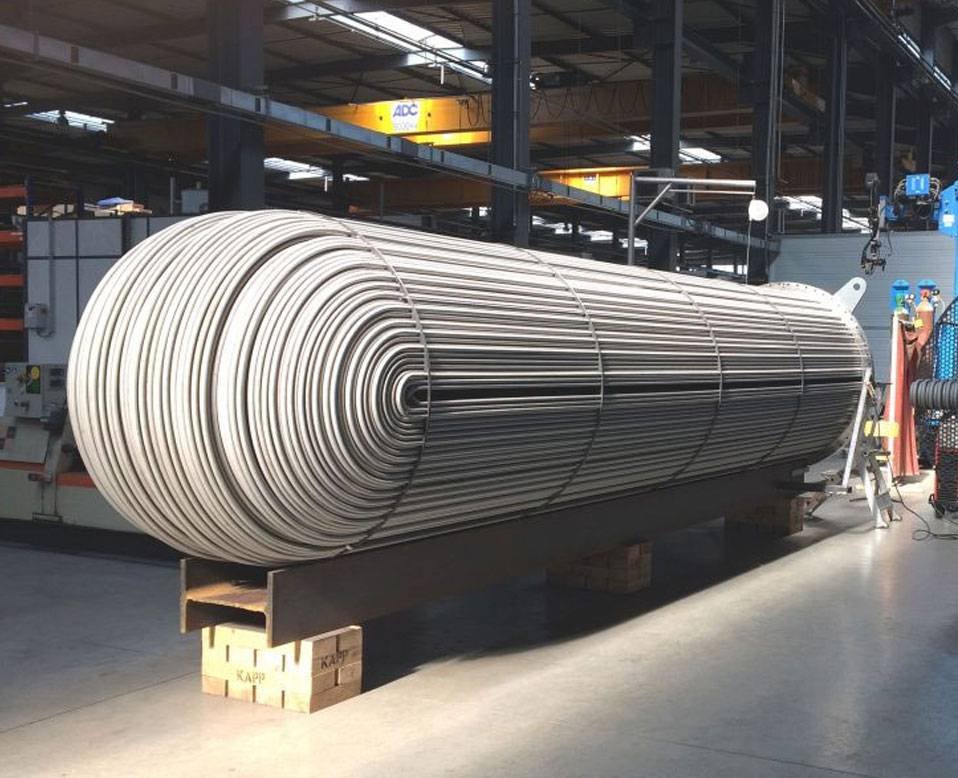
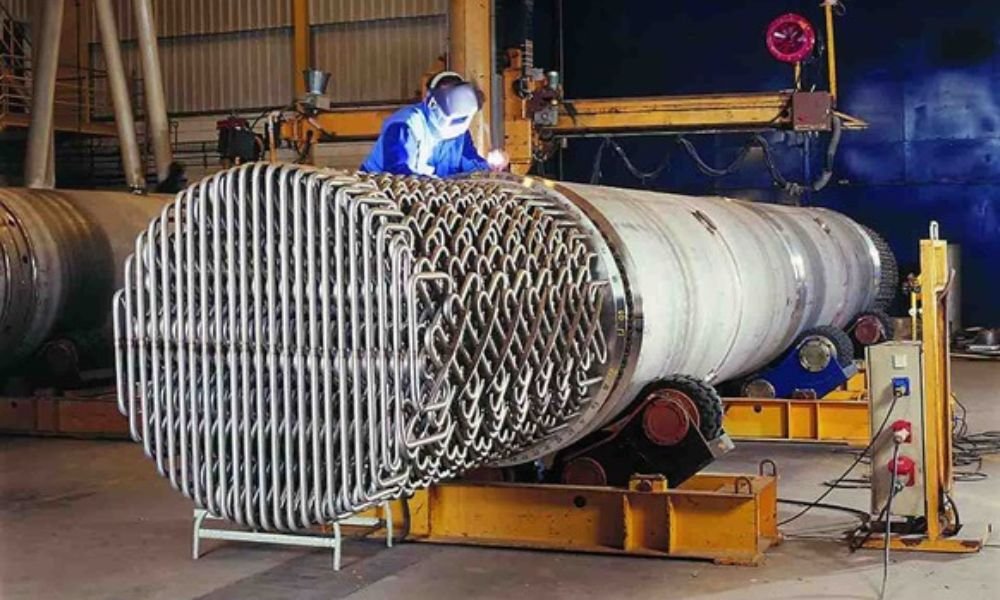
  • U-bent or spiral coil tubes for compact and modular exchanger systems
offshore-oil-gas-corrosion-resistant-heat-exchanger-tubes

4. Where Are the Projects?

RegionSegmentOpportunity
Middle EastHydrogen, water treatmentTP316L and duplex tubes for corrosion resistance
North AmericaLNG and carbon captureASME U-bundle and finned tubes for cold cycling
Latin AmericaSugar mill boilers, ethanol plantsASTM A249 polished tubes for condensers
EuropeDistrict heating, green buildingsEN10216-5 compliant tubes for CO₂ heat pumps
Asia-PacificSemiconductor cooling, EV battery plantsHigh-purity, tight-tolerance tubes

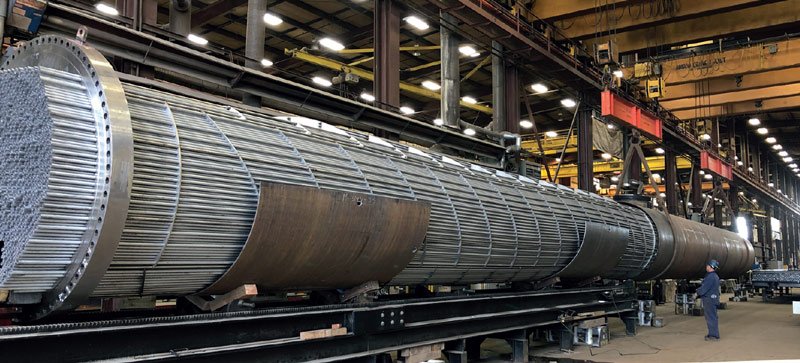
OEMs now increasingly require pre-engineered tube bundles, with documentation, packaging, and project-specific ID tags.
southeast-asia-industrial-parks-heat-exchanger-demand

Frequently Asked Questions (FAQ)

Q1: What certifications are most requested in 2025 for heat exchanger tubes?
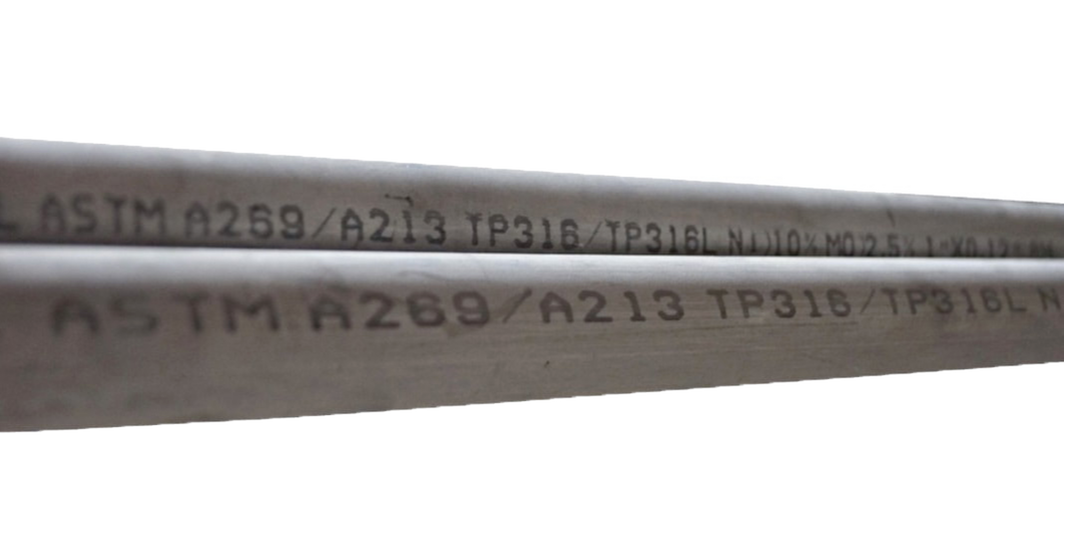
A: ASME SA213/SA789, ASTM A269/A249, EN 10216-5, PED, and ISO 9001. For sustainability, ISO 14001 or carbon footprint data (ISO 14067) may be required.

Q2: What surface finish is preferred for high-efficiency exchangers?
A: Inner surface roughness of Ra ≤ 0.6 µm is often required to reduce fouling and improve flow. DLSS can provide bright annealed or polished finishes per spec.

Q3: What industries are leading innovation in heat exchangers?
A: Hydrogen, nuclear SMR (small modular reactors), data centers, pharmaceuticals, and HVAC. These sectors often require small-diameter or special-alloy tubes.

Q4: Can DLSS support bundled U-tube or finned tube assemblies?
A: Yes. DLSS supplies pre-bent, marked, and bundled U-tubes, as well as welded finned tubes for condensers and air-cooled exchangers.


Conclusion: Tubes at the Heart of Thermal Innovation

From traditional petrochemicals to emerging energy systems, heat exchangers are becoming smarter, smaller, and stronger. But one thing remains constant—the need for high-quality tubes that can deliver performance under pressure.

For manufacturers like DLSS, staying ahead means offering flexibility, precision, and proven materials—ready for the next generation of thermal systems.

2025 will not just be about building heat exchangers—it will be about engineering efficiency from the inside out.

Wonderful! Share This Case:

Austenitic Stainless Steel

Duplex Stainless Steel

Nickel Alloys

▪ Incoloy Family

▪ Inconel Family

▪ Monel Family

▪ Hastelloy Family

▪ Other Special Alloys

Cobalt Alloys

Related Posts

Brinell Rockwell Vickers Shore hardness stainless steel tubes

Definitions and Representation

Introduction Hardness is one of the most important mechanical properties for evaluating metallic materials. It reflects a material’s resistance to deformation, wear, and penetration, which is critical for stainless steel seamless tubes used in boilers, heat exchangers, and petrochemical equipment. The most widely used hardness testing methods are Brinell (HB),...

Read More
Europe’s Stainless Steel Tube Market: Compliance-Driven Demand and Strategic Opportunities

Europe’s Stainless Steel

Europe is one of the most regulated and compliance-focused markets in the world for stainless steel seamless tubes—especially for heat exchangers, pharma-grade piping, and energy infrastructure. With stringent requirements for traceability, environmental certification, and dual material standards, suppliers must demonstrate not only high product quality but also full alignment with...

Read More
Heat Exchanger Maintenance Checklist: How to Extend Equipment Life and Improve Performance

Heat Exchanger Maintenance

1. Introduction – Heat Exchanger Maintenance Checklist Following a structured heat exchanger maintenance checklist is the most effective way to keep your equipment running efficiently, avoid costly breakdowns, and extend service life. Whether you operate a shell and tube heat exchanger, a plate heat exchanger, or an air-cooled model, regular...

Read More
What is a Finned Tube and How It Improves Heat Exchanger Efficiency

Finned Tubes for

Finned tubes are widely used in heat exchangers, boilers, economizers, air coolers, condensers, evaporators, and heat recovery systems. Their main purpose is simple: increase the heat transfer surface area without greatly increasing the size of the equipment. However, finned tube selection is not only about adding more fins. A good...

Read More
Electropolished vs Mechanically Polished Tubes: What’s Best for Hygienic Applications?

Electropolished vs Mechanically

Introduction In sanitary applications, cleanability is critical. Whether you’re building a milk pasteurizer in Brazil or a pharmaceutical system in Colombia, the inner surface of your stainless steel tubes directly affects hygiene, bacterial resistance, and compliance. The two most common surface finishes used in sanitary stainless steel tubing are: But...

Read More
3 Essential Heat Exchanger Design Guides Every Thermal Engineer Should Know

3 Essential Heat

In industries such as oil and gas, power generation, chemical processing, and HVAC, heat exchangers play a critical role in transferring energy efficiently. Whether you’re designing a new system or optimizing an existing one, understanding the fundamentals of heat exchanger design is vital for thermal engineers. This article introduces three...

Read More
Selecting Stainless Steel Tubes for Chemical Processing Equipment (2025 Guide)

Selecting Stainless Steel

Why Chemical Processing Requires Advanced Tubing Materials Chemical industries operate under some of the most corrosive and demanding environments. Stainless steel tubes used in reactors, acid circulation lines, scrubbers, and condensers are constantly exposed to aggressive chemicals like sulfuric acid, hydrochloric acid, chlorides, and high-pressure steam. Choosing the wrong material...

Read More
TP316L Stainless Pipes for Japan’s Chemical Processing Plants – 日本化学プラント向けTP316Lステンレス管

TP316L Stainless Pipes

Introduction Japan’s chemical industry demands high-performance stainless steel pipes capable of withstanding aggressive media and high temperatures. TP316L stainless pipes by DLSS meet JIS G3459 – Stainless Steel Pipes for Corrosion Resistance, ensuring durability, weldability, and excellent resistance to chloride-induced corrosion common in Japanese chemical processing plants. 1. Why TP316L...

Read More

Request A Quote

*We respect your confidentiality and all information are protected.