Corrosion Resistance in Marine Applications: Stainless Tubes for Japan(海洋用途における耐食性:日本向けステンレスチューブ)

DLSS - Market Insights – Japan - Corrosion Resistance in Marine Applications: Stainless Tubes for Japan(海洋用途における耐食性:日本向けステンレスチューブ)

1. Introduction

Japan, an island nation surrounded by seawater, faces constant challenges from 塩化物腐食 (chloride corrosion) in its marine industries. Stainless steel tubes with high corrosion resistance are essential in 海水淡水化プラント (seawater desalination plants), offshore oil & gas facilities, and shipbuilding. DLSS specializes in supplying marine corrosion resistant tube Japan to meet these demanding conditions.


2. Corrosion Challenges in Japanese Marine Industry

Marine environments expose metals to:

  • High chloride levels from seawater
  • Salt-laden air in coastal regions
  • Temperature variations between seasons
  • Biofouling from marine organisms

If the wrong material is used, pitting corrosion, crevice corrosion, or stress corrosion cracking can quickly reduce service life.


3. Recommended Stainless Grades for Marine Use

  • SUS316L / TP316L – Molybdenum-enhanced for excellent pitting resistance
  • SUS2205 Duplex – Higher strength and better chloride resistance than 316L
  • SUS2507 Super Duplex – Superior performance in extreme seawater conditions
  • Titanium Tubes – For the most aggressive marine and desalination applications

Reference: Pitting Corrosion – Wikipedia


4. Applications in Japan

  • 海水淡水化設備 in Okinawa, Shizuoka, and coastal cities
  • 洋上風力発電冷却システム (offshore wind farm cooling systems)
  • 化学工場の海水冷却ライン (chemical plants using seawater cooling)
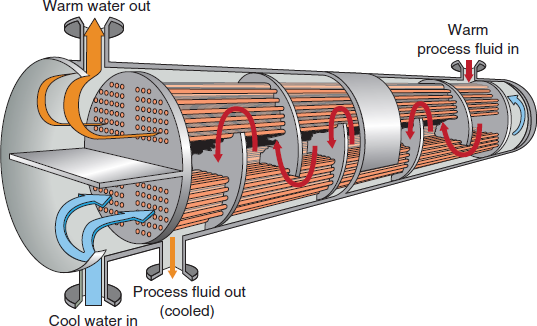
  • 船舶用熱交換器 (shipboard heat exchangers)

5. DLSS Marine Tube Advantages

  • Enhanced Corrosion Resistance: Tested in simulated seawater conditions
  • High Surface Finish Quality: Smooth inner surface minimizes fouling
  • Custom Lengths & Bending: U-bend tubes for marine condensers
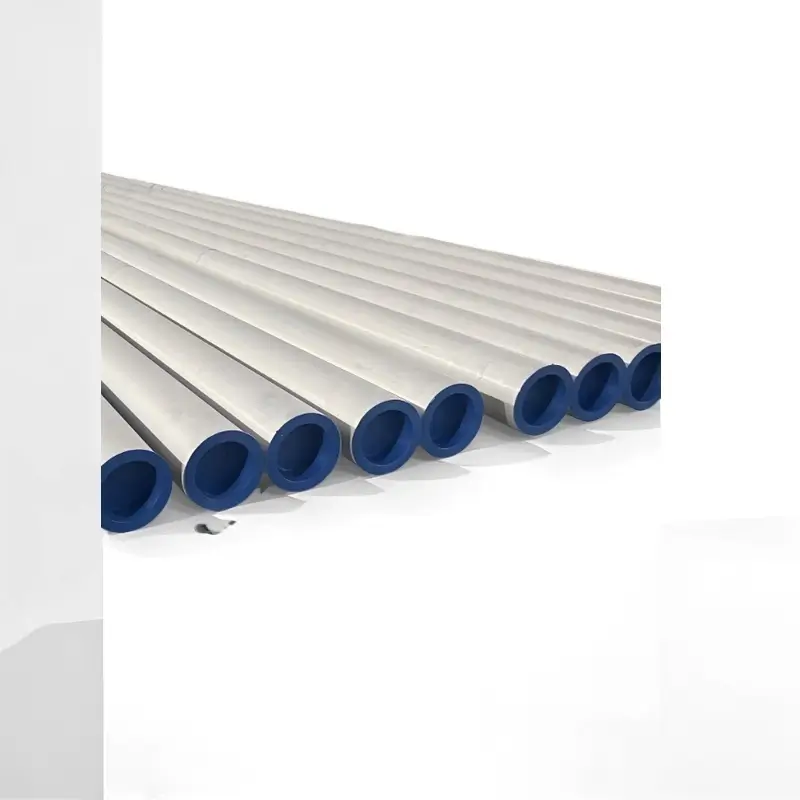
  • Seaworthy Packaging: Plastic end caps, anti-corrosion oil, wooden crates for long-distance sea transport
  • Dual Certification: ASTM + JIS for international and domestic projects

6. Conclusion & Call to Action

For Japan’s marine and coastal industries, marine corrosion resistant tube Japan is more than a product—it’s a safeguard against downtime and costly replacements. DLSS delivers the right materials, certified quality, and export-ready packaging to ensure your projects succeed in the harshest seawater environments.

info@dlsspipe.com | www.dlsspipeline.com

Wonderful! Share This Case:

Austenitic Stainless Steel

Duplex Stainless Steel

Nickel Alloys

▪ Incoloy Family

▪ Inconel Family

▪ Monel Family

▪ Hastelloy Family

▪ Other Special Alloys

Cobalt Alloys

Related Posts

How to Accurately Measure Pipe Wall Thickness Using a Micrometer

How to Accurately

In the manufacturing and inspection of metal pipes—whether stainless steel, carbon steel, or alloy—the wall thickness is a key dimensional parameter. Precise wall thickness affects mechanical strength, pressure resistance, and long-term reliability, especially in critical applications such as heat exchangers, boilers, and petrochemical piping systems. One of the most accurate...

Read More
Nickel Alloy 625 vs 825: Choosing the Right Pipe for Chemical and Offshore Projects

Nickel Alloy 625

1. Introduction When it comes to critical piping systems in chemical plants, refineries, and offshore projects, material selection plays a decisive role in long-term reliability. Two of the most widely specified options are Nickel Alloy 625 pipes and Incoloy 825 tubes. Although both are high-performance alloys with excellent corrosion resistance,...

Read More
Top Stainless Steel Industry Trends in 2025: Sustainability, Advanced Alloys, and Smart Manufacturing

Top Stainless Steel

1. Sustainable Stainless Steel Production With the global push toward decarbonization, the stainless steel industry is rapidly transitioning to green steel production. In 2025: Key Keywords: green stainless steel, low-carbon stainless steel, ISO 14001 stainless tube supplier 2. Global Capacity Shifts and Import Pressure According to CRU Group, stainless steel...

Read More
Aluminum Brass C68700 (O61) ASTM B111 Seamless Tube 19 × 1.6mm × 3000mm with 100% Eddy Current Testing for Condenser Applications.

Aluminum Brass C68700

Product Overview: ASTM B111 C68700 Aluminum Brass Seamless Tube (19×1.6mm, 3000mm) C68700 Aluminum Brass, also known as Al-Brass, is a copper-zinc alloy enhanced with a small amount of aluminum. It is widely recognized for its exceptional resistance to dezincification, corrosion, and biofouling, especially in seawater and brackish water environments. This makes it...

Read More
How to Interpret EN 10204 3.1 vs 3.2 Material Test Certificates

How to Interpret

Introduction When sourcing stainless steel tubes, especially for critical applications in oil & gas, power, or chemical industries, the Material Test Certificate (MTC) is your assurance of quality, compliance, and traceability. Two of the most requested MTC types are: Understanding the difference between these certificates helps procurement teams, inspectors, and...

Read More
Top 5 Questions Buyers Ask About Duplex Stainless Steel Tubes

Top 5 Questions

Introduction Duplex stainless steel tubes are widely used in offshore platforms, chemical processing, desalination plants, and heat exchanger systems, thanks to their excellent combination of mechanical strength and corrosion resistance. However, many buyers—especially those transitioning from austenitic stainless—have specific concerns before placing an order. Here, we answer the top 5...

Read More
How to Improve Heat Exchanger Efficiency: Practical Tips for Better Heat Transfer Performance

How to Improve

Heat exchanger efficiency is important for chemical plants, refineries, power plants, marine systems, HVAC systems, food processing lines, and heat recovery projects. When a heat exchanger does not perform well, the result may be higher energy consumption, unstable outlet temperature, increased pressure drop, frequent cleaning, leakage, or unexpected downtime. Improving...

Read More
What Is a Double Pipe Heat Exchanger? Design, Benefits, and Industrial Applications

What Is a

A Double Pipe Heat Exchanger, also known as a double tube heat exchanger, is one of the simplest yet most effective types of heat exchangers for small to medium heat transfer needs. It consists of two concentric pipes—one inside the other—allowing two fluids to exchange heat without mixing. This blog...

Read More

Request A Quote

*We respect your confidentiality and all information are protected.