How to Accurately Measure Pipe Wall Thickness Using a Micrometer

DLSS - Pipe&Tube - How to Accurately Measure Pipe Wall Thickness Using a Micrometer

In the manufacturing and inspection of metal pipes—whether stainless steel, carbon steel, or alloy—the wall thickness is a key dimensional parameter. Precise wall thickness affects mechanical strength, pressure resistance, and long-term reliability, especially in critical applications such as heat exchangers, boilers, and petrochemical piping systems.

One of the most accurate methods for determining wall thickness at the pipe ends is using an external micrometer. In this article, we explain how to use a micrometer correctly, best practices, and why this method remains a trusted standard in quality control.

Why Wall Thickness Measurement Matters

Pipe wall thickness directly impacts:

  • Pressure-bearing capacity
  • Heat transfer efficiency (for heat exchanger tubes)
  • Compliance with ASTM, ASME, EN, or JIS standards
  • Welding and assembly tolerances

Even slight deviations can cause rejection during quality checks, equipment failure in service, or regulatory non-compliance.
How to Accurately Measure Pipe Wall Thickness Using a Micrometer

What Is a Micrometer?

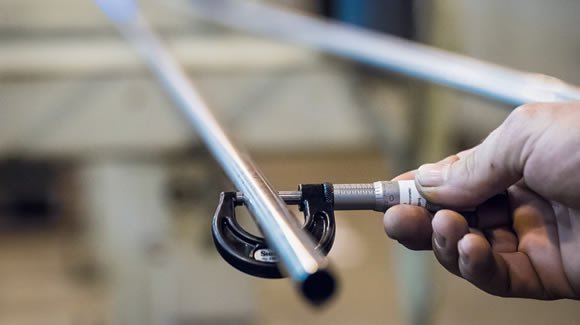
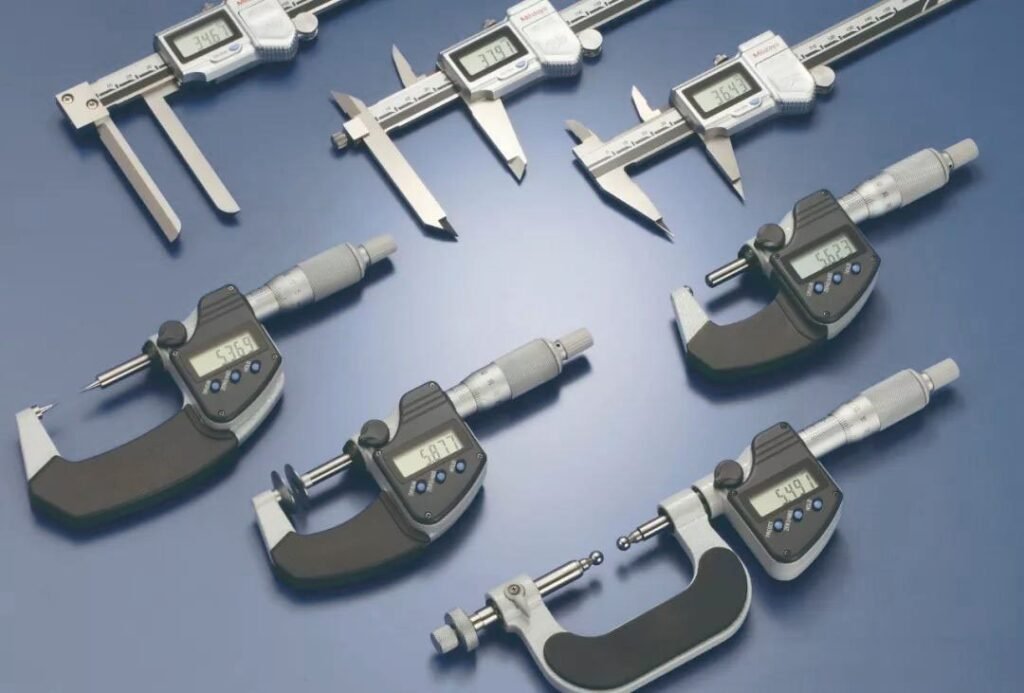
A micrometer (also called a micrometer caliper) is a precision measuring tool capable of measuring dimensions with a typical accuracy of 0.01 mm or even 0.001 mm. For wall thickness measurement, an outside micrometer is used.

Step-by-Step: Measuring Pipe Wall Thickness with a Micrometer

1. Select the Right Micrometer

Choose an external micrometer with an appropriate measuring range, such as:

  • 0–25 mm for thin-walled tubes
  • 25–50 mm for larger-diameter pipes

Ensure the micrometer is calibrated and clean before use.

2. Prepare the Pipe Surface

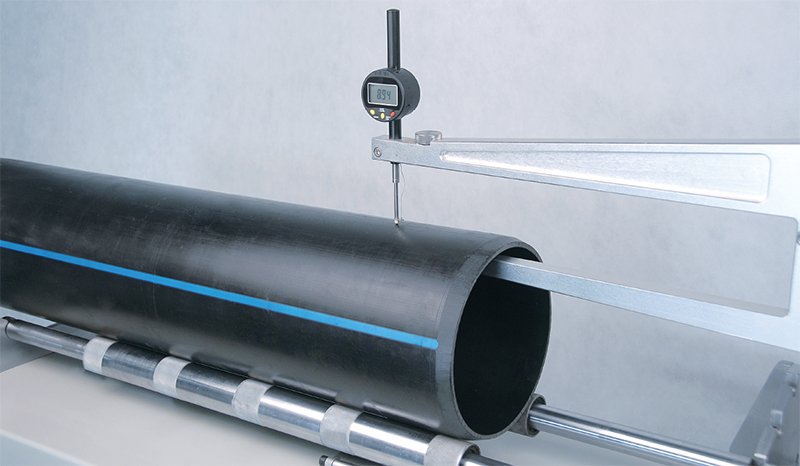
Before measuring, clean the pipe’s outer and inner surfaces near the end. Remove dust, oil, rust, or burrs. This helps avoid false readings.
How to Accurately Measure Pipe Wall Thickness Using a Micrometer

3. Choose the Measurement Points

To ensure reliable results:

  • Measure at four locations around the pipe circumference (0°, 90°, 180°, 270°)
  • Avoid the weld seam or beveled ends
  • Take measurements close to the pipe end, but on a flat section

4. Take the Measurement

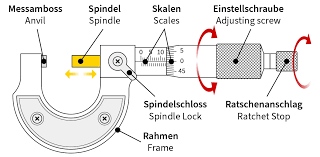
  • Open the micrometer slightly wider than the expected thickness
  • Place the anvil and spindle against the outer and inner surfaces
  • Turn the ratchet stop until you feel a light click (indicates proper pressure)
  • Lock and read the measurement from the scale or digital display

Repeat the process at each point and record the results.
How to Accurately Measure Pipe Wall Thickness Using a Micrometer

Tips for Accurate Measurement

  • Avoid overtightening the micrometer; use the ratchet to ensure consistent pressure.
  • For thin-walled pipes, minimize contact pressure to prevent deformation.
  • Record values to the nearest 0.01 mm or 0.001 mm, depending on micrometer resolution.
  • For full-length inspection (not just ends), consider ultrasonic thickness gauges.

Comparison with Other Methods

MethodAccuracyDestructive?Best For
MicrometerVery HighNoPipe ends, spot-checking
Ultrasonic GaugeModerate–HighNoFull pipe length
CaliperModerateNoQuick checks

When to Use a Micrometer

Micrometer-based wall thickness inspection is particularly useful when:

  • Certifying products for export (e.g. to ASME/ASTM standards)
  • Verifying precision tubing (e.g. for condensers or instrumentation)
  • Sampling incoming or outgoing pipe batches in QC labs
  • Ensuring manufacturing compliance during in-process control
How to Accurately Measure Pipe Wall Thickness Using a Micrometer

Conclusion

Accurate measurement of pipe wall thickness is fundamental for quality assurance, especially in high-performance industries. Micrometers offer a simple yet powerful way to obtain precise thickness readings, making them indispensable tools for inspection professionals.

For large-volume or in-line inspection needs, micrometers are often complemented with ultrasonic devices. However, for sampling at the pipe ends, nothing beats the direct contact accuracy of a well-calibrated micrometer.

Wonderful! Share This Case:

Austenitic Stainless Steel

Duplex Stainless Steel

Nickel Alloys

▪ Incoloy Family

▪ Inconel Family

▪ Monel Family

▪ Hastelloy Family

▪ Other Special Alloys

Cobalt Alloys

Related Posts

Finned Tube Cleaning and Maintenance Best Practices – Keep Your Heat Exchanger at Peak Performance

Finned Tube Cleaning

Finned tube cleaning and maintenance are critical to ensuring optimal heat transfer performance and extending the service life of heat exchangers. Without proper care, fouling, corrosion, and fin damage can reduce efficiency and increase operating costs. For background on preventing fouling, read our article How to Prevent Corrosion and Fouling...

Read More
NACE MR0175 vs MR0103: What’s the Difference in Stainless Steel Tube Procurement?

NACE MR0175 vs

Introduction When sourcing stainless steel tubes for corrosive environments, especially those involving hydrogen sulfide (H₂S), two international standards are frequently cited: While both relate to sulfide stress cracking (SSC) resistance, they apply to different industries and conditions. Misinterpreting their scope can lead to rejected materials or premature failures. This article...

Read More
Heat Exchanger Tube Materials: Pros and Cons of Stainless Steel, Copper, and Titanium

Heat Exchanger Tube

1. Introduction – Heat Exchanger Tube Materials Selecting the right heat exchanger tube material is critical for optimizing performance, extending service life, and minimizing maintenance costs. This article compares stainless steel, copper, and titanium—three of the most common materials used in shell and tube as well as plate heat exchanger...

Read More
Do Stainless Steel Seamless Pipes Leak? Causes, Risks, and How to Prevent It

Can Stainless Steel

Stainless steel seamless pipes are widely used in heat exchangers, boilers, condensers, pressure piping, petrochemical plants, power generation, shipbuilding, and other demanding industrial systems. For heat exchanger and condenser projects, buyers often prefer stainless steel seamless heat exchanger tubes because they offer better pressure resistance, dimensional stability, and corrosion performance....

Read More
Global Outlook: Growth Trajectory of Stainless Steel Seamless Tube Market (2025–2030)

Global Outlook: Growth

The global stainless steel seamless tube market is entering a phase of steady, diversified, and value-driven expansion. As industries demand higher performance under increasingly harsh conditions, seamless tubes are gaining preference over welded ones—especially in heat exchanger, petrochemical, power, and clean energy applications. According to recent market reports, the stainless...

Read More
Best Material for Seawater Heat Exchanger: 5 Options Compared for Corrosion Resistance and Performance

Seawater Heat Exchanger

Choosing the right seawater heat exchanger tube materials is one of the most important steps in a seawater heat exchanger project. Seawater contains chlorides and dissolved oxygen. It can cause corrosion very fast if the tube material is not suitable. Common problems include: For engineers and buyers, the best material...

Read More
Super Duplex Seamless Tubes (SA789 S32205) for Long-Length Heat Exchangers

Super Duplex Seamless

Introduction Heat exchangers operating in corrosive and high-pressure environments require tube materials with superior mechanical properties and corrosion resistance. One typical customer requirement highlights the importance of super duplex seamless tubes (SA789 S32205) in long-length applications. With outside diameters of 25.4 mm, thin wall thickness, and lengths exceeding 18 meters,...

Read More
ccus-carbon-capture-stainless-steel-pipe-requirements

Stainless Steel Tube

As countries ramp up efforts to reach net-zero emissions, Carbon Capture, Utilization, and Storage (CCUS) technologies are being deployed at scale. These systems capture CO₂ from industrial processes or power generation and inject it deep underground—or repurpose it for industrial use. But behind every CCUS facility lies a network of...

Read More

Request A Quote

*We respect your confidentiality and all information are protected.