Understanding EN 10204 3.1 vs 3.2: Certification Types for Stainless Steel Tubes

DLSS - Pipe&Tube - Understanding EN 10204 3.1 vs 3.2: Certification Types for Stainless Steel Tubes

Meta Description:
Learn the key differences between EN 10204 3.1 and 3.2 material certificates for stainless steel tubes. Understand which certificate your project needs and how DLSS ensures compliance.


Introduction

Material certification is essential for traceability and quality assurance in the supply of stainless steel tubes, especially in industries like oil & gas, power generation, and chemical processing.

The European standard EN 10204 defines different types of inspection documents. Among them, 3.1 and 3.2 certificates are the most commonly requested by engineers, EPC contractors, and quality inspectors.

In this article, we explain what these certificates are, how they differ, and when each is required.


What Is EN 10204?

EN 10204 is a standard issued by the European Committee for Standardization (CEN) that specifies the content and type of inspection documents issued by metal manufacturers.

It applies to all metallic products including:

  • Seamless stainless steel tubes
  • Welded tubes
  • Flanges, pipe fittings, and pressure parts

Definition of 3.1 Certificate

EN 10204 3.1 Certificate is issued by the manufacturer’s quality department, confirming that the supplied material:

  • Complies with the purchase order and applicable standards
  • Has passed all required mechanical and chemical tests
  • Is traceable to specific heat numbers and batches

Signed by: Manufacturer’s authorized QA/QC representative
Content includes:

  • Heat number
  • Material grade and standard
  • Chemical composition
  • Mechanical properties
  • Dimensional inspection results
  • NDT or pressure test data (if applicable)

Typical Use: Accepted for most industrial projects and internal quality systems.


Definition of 3.2 Certificate

EN 10204 3.2 Certificate goes one step further. It is validated by an independent third-party inspection agency or the purchaser’s appointed inspector, in addition to the manufacturer.

Signed by: Manufacturer + Third-party inspector (e.g., SGS, TUV, BV, Lloyd’s)

Key Difference: 3.2 involves witness inspection of production or testing.

When required:

  • High-risk projects (e.g., nuclear, pressure vessel, refinery piping)
  • When specified in the purchase order
  • Government or EPC-mandated projects

3.1 vs 3.2 Summary Table

Feature3.1 Certificate3.2 Certificate
Issued byManufacturerManufacturer + Third Party
Witnessed by External BodyNoYes
Traceable to Heat/BatchesYesYes
Mechanical & Chemical TestsIncludedIncluded + Witnessed
CostLowerHigher (due to inspector involvement)
Typical ProjectsGeneral industrialCritical, high-spec projects

How DLSS Supports Certified Supply

DLSS can supply both 3.1 and 3.2 certified stainless steel tubes according to:

  • ASTM A213 / A312 / A269 / A789 / B111
  • EN 10216-5
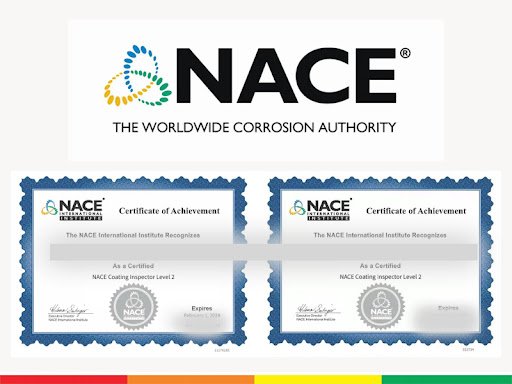
  • NACE MR0175 / ISO 15156
  • ASME Section II and III requirements

Inspection Partners:
DLSS works with leading third-party agencies including SGS, BV, TUV, Lloyd’s Register, and DNV to provide witnessed inspections and 3.2 endorsement.


Procurement Tip

When placing an order:

  • Always specify in the PO if 3.2 certification is required
  • Include the name of the authorized inspection agency (if applicable)
  • Arrange inspection dates in advance to avoid delivery delays
  • Ask for sample certificates if first-time supplier

SEO Keywords

EN 10204 3.1 certificate stainless pipe, EN 10204 3.2 tube certification, 3.1 vs 3.2 material cert, third-party witnessed inspection tube, TP316L 3.1 certified tube, heat number traceability stainless steel, DLSS 3.2 certificate pipe, stainless tube inspection requirement, BV TUV certified tube manufacturer, ASTM A213 with EN10204 certificate


Conclusion

For most applications, EN 10204 3.1 is sufficient. But for critical applications—especially those involving pressure, corrosive media, or regulated industries—a 3.2 certificate is required for added assurance.

DLSS supplies stainless steel tubes with full documentation, traceability, and inspection options tailored to your project’s compliance requirements.


Contact DLSS for Certified Tube Supply

Email: info@dlsspipe.com
Website: www.dlsspipeline.com

Our team will guide you through the material certification process and provide all necessary documents to support your technical and regulatory needs.

Wonderful! Share This Case:

Austenitic Stainless Steel

Duplex Stainless Steel

Nickel Alloys

▪ Incoloy Family

▪ Inconel Family

▪ Monel Family

▪ Hastelloy Family

▪ Other Special Alloys

Cobalt Alloys

Related Posts

How Long Do Stainless Steel Seamless Pipes Last? Lifespan, Factors, and Best Practices

How to Choose the Right

Why Material Selection Matters for Heat Exchanger Tubes In heat exchanger applications, the wrong material can lead to premature corrosion, low thermal efficiency, or even costly shutdowns. Whether you’re designing for a refinery, a desalination plant, or a food-grade chiller, choosing the right stainless steel tube is a crucial step in ensuring durability, reliability, and […]

Read More
Best Material for Seawater Heat Exchanger: 5 Options Compared for Corrosion Resistance and Performance

Best Material for Seawater Heat

1. Introduction – Best Material for Seawater Heat Exchanger Selecting the best material for seawater heat exchanger applications is critical because marine environments are highly corrosive. The wrong choice can lead to rapid degradation, costly repairs, and even complete system failure. If your priority is boosting efficiency, read 5 Proven Ways to Improve Heat Exchanger […]

Read More
Middle East Market Insight: Stainless Steel Seamless Tube Demand in Refining and Desalination Projects

Middle East Market Insight: Stainless

The Middle East remains one of the world’s largest consumers of stainless steel seamless tubes—driven by oil & gas refining, petrochemical facilities, and mega-scale desalination and water treatment plants. As Gulf countries shift toward more technologically advanced, environmentally compliant, and cost-efficient infrastructure, the demand for U-bent heat exchanger tubes, duplex/super duplex grades, and ASME/PED-certified seamless […]

Read More

How to Choose High-Quality Stainless

Stainless steel tubes are commonly used in heat exchanger systems because they are corrosion-resistant and have a long lifespan. However, how do you choose the right stainless steel tube? This article will help you understand the key factors to consider when selecting stainless steel tubes. 1、Material Grade Stainless steel tubes are commonly used in heat exchanger […]

Read More
Nickel Alloy Steel Seamless Pipes and Tubes: Industrial Advantages and Applications

Electropolished (EP) Stainless Steel Tubes

Electropolished (EP) Stainless Steel Tubes: The Key to High-Purity Piping Systems Updated: October 6, 2025 · Author: DLSS Technical Team In high-purity industries — from semiconductor wafer fabrication to pharmaceutical cleanrooms — even microscopic surface roughness can harbor contaminants and compromise sterile operations. That’s why electropolished (EP) stainless steel tubes have become the preferred choice […]

Read More
Material Selection for Seawater-Cooled Heat Exchangers: What Engineers Must Consider

Heat Exchanger Tube Demand to

The global heat exchanger market is heating up—literally and economically. With rising demand for energy efficiency, industrial process optimization, and sustainable thermal management, stainless steel heat exchanger tubes are becoming a critical infrastructure material across multiple industries. Recent industry research forecasts a compound annual growth rate (CAGR) of 9.5% through 2032 for the heat exchanger […]

Read More
Nickel Alloy Steel Seamless Pipes and Tubes: Industrial Advantages and Applications

Alloy Steel Heat Exchanger Tubes

Introduction In high-temperature environments such as boilers, power plants, and petrochemical heat exchangers, alloy steel tubes are indispensable. One common choice is ASTM A199 T11, a Cr-Mo alloy steel that provides excellent creep resistance, mechanical strength, and durability. Recently, a customer requirement for T11 cold drawn tubes offers a valuable example of how this material […]

Read More

ASTM A789 S32750 Super Duplex

Meta Description: Explore how ASTM A789 S32750 Super Duplex stainless steel tubes are used in seawater condensers, offering unmatched resistance to corrosion, pitting, and stress cracking in marine environments. Introduction Seawater condenser systems operate in highly aggressive environments, constantly exposed to chloride ions and variable temperatures. Standard stainless steels like 304 or 316 often fail […]

Read More

Request A Quote

*We respect your confidentiality and all information are protected.