How to Choose High-Quality Stainless Steel tubes for Heat Exchanger Applications

DLSS - Pipe&Tube - How to Choose High-Quality Stainless Steel tubes for Heat Exchanger Applications

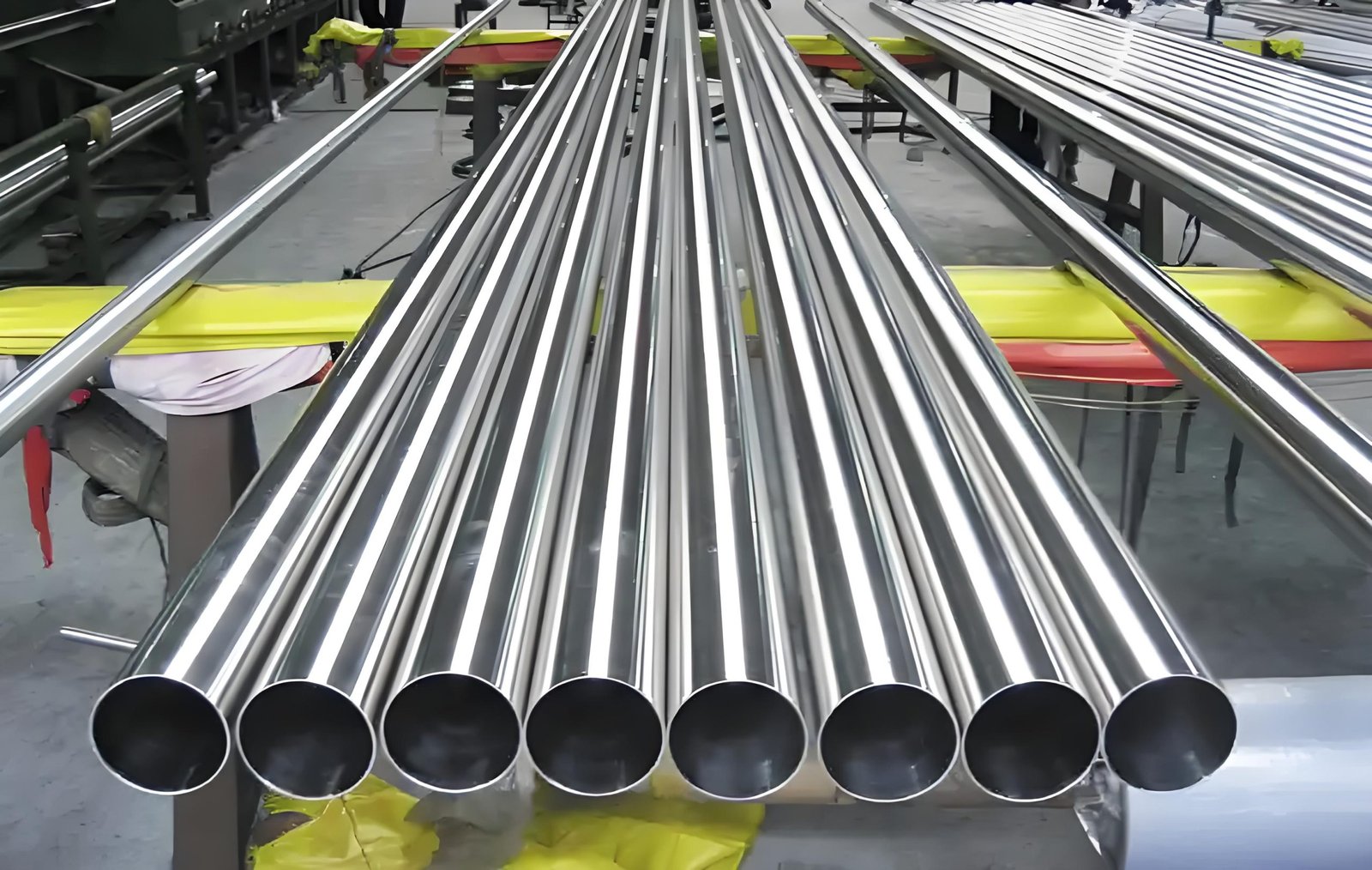
Stainless steel tubes are commonly used in heat exchanger systems because they are corrosion-resistant and have a long lifespan. However, how do you choose the right stainless steel tube? This article will help you understand the key factors to consider when selecting stainless steel tubes.

1、Material Grade

Stainless steel tubes are commonly used in heat exchanger systems because they are corrosion-resistant and have a long lifespan. However, how do you choose the right stainless steel tube? This article will help you understand the key factors to consider when selecting stainless steel tubes.

2、Corrosion Resistance

If the tubes will be exposed to corrosive environments like seawater or brine for extended periods, it is crucial to choose materials with strong corrosion resistance.

3、Temperature and Pressure:

Heat exchanger tubes need to withstand high temperatures and pressures. When selecting tubes, consider the system’s temperature and pressure requirements.

4、Pipe Diameter and Thickness

The tube size affects heat exchange efficiency. Tubes that are too small or too large are not ideal. Choosing the right size ensures smooth system operation.

Conclusion

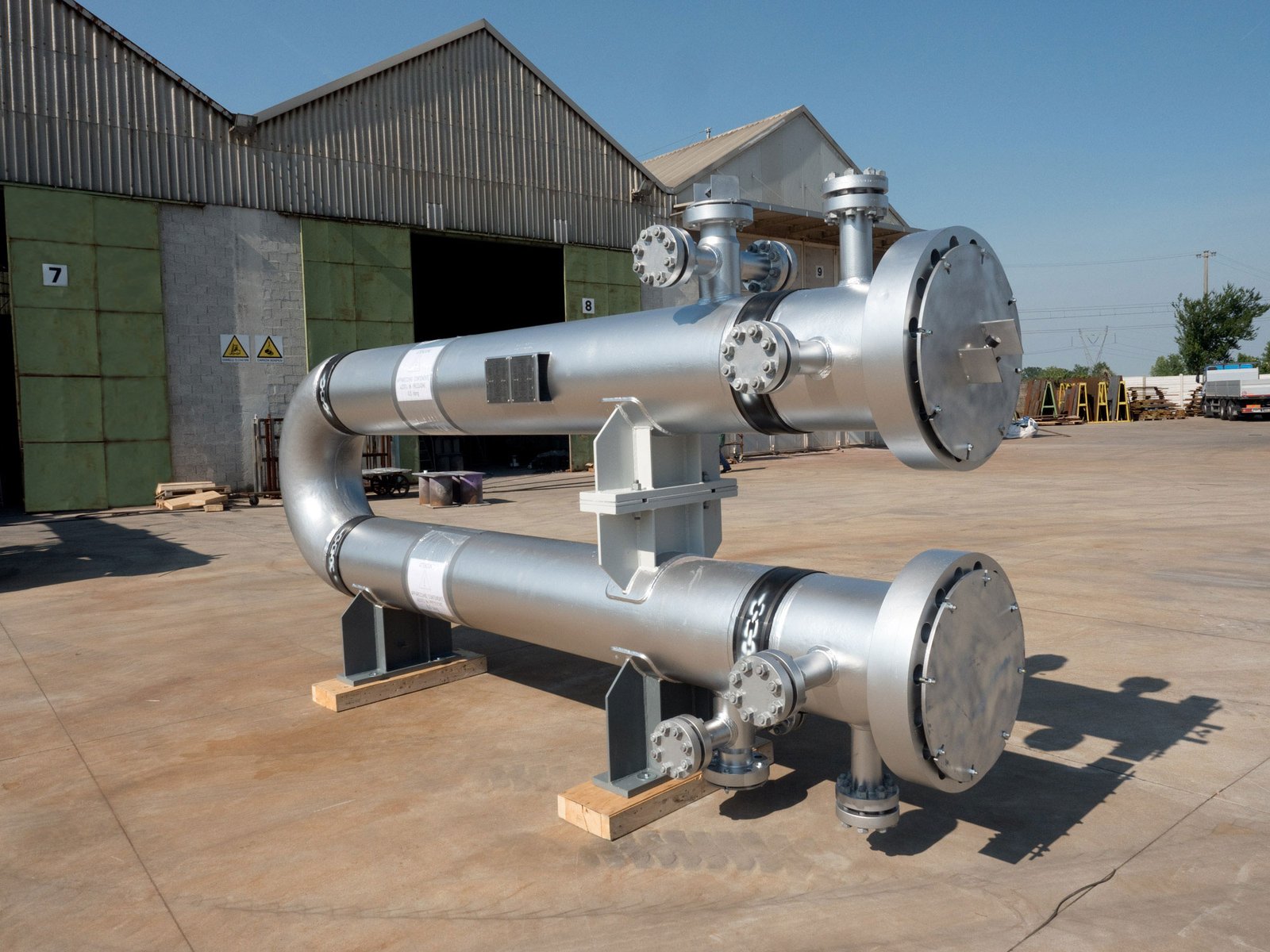
Choosing the right stainless steel tube is crucial for ensuring the efficient operation of a heat exchanger. Considering factors such as material, corrosion resistance, temperature, pressure, and tube size can help ensure your equipment operates steadily over the long term.


Wonderful! Share This Case:

Austenitic Stainless Steel

Duplex Stainless Steel

Nickel Alloys

▪ Incoloy Family

▪ Inconel Family

▪ Monel Family

▪ Hastelloy Family

▪ Other Special Alloys

Cobalt Alloys

Related Posts

Low-Fin Tubes: Compact Heat Transfer Solutions for Refrigeration and HVAC

Low-Fin Tubes: Compact Heat Transfer

Low-fin tubes are designed to improve heat transfer efficiency while maintaining a compact design, making them ideal for applications where space and weight are limited. These tubes feature external fins with a low height, which increases the surface area for heat exchange without significantly increasing the overall size. For a broader look at finned tube […]

Read More
Shell and Tube Heat Exchanger Design Considerations for Optimal Performance

Shell and Tube Heat Exchanger

1. Introduction – Shell and Tube Heat Exchanger Design A shell and tube heat exchanger is one of the most widely used heat exchanger types in industrial applications due to its versatility, durability, and ability to handle high pressures and temperatures. When planning a new installation or upgrading existing equipment, it is essential to consider […]

Read More
How to Improve Heat Exchanger Efficiency: Practical Tips for Better Heat Transfer Performance

5 Proven Ways: How to

1. Introduction – How to Improve Heat Exchanger Efficiency How to improve heat exchanger efficiency is a key question for operators who want lower energy bills, stable output, and longer asset life. Whether you run a shell and tube heat exchanger, a plate heat exchanger, or an air-cooled design, optimizing heat transfer performance delivers a […]

Read More
Middle East Market Insight: Stainless Steel Seamless Tube Demand in Refining and Desalination Projects

Middle East Market Insight: Stainless

The Middle East remains one of the world’s largest consumers of stainless steel seamless tubes—driven by oil & gas refining, petrochemical facilities, and mega-scale desalination and water treatment plants. As Gulf countries shift toward more technologically advanced, environmentally compliant, and cost-efficient infrastructure, the demand for U-bent heat exchanger tubes, duplex/super duplex grades, and ASME/PED-certified seamless […]

Read More
Super Duplex Seamless Tubes (SA789 S32205) for Long-Length Heat Exchangers

Super Duplex Seamless Tubes (SA789

Introduction Heat exchangers operating in corrosive and high-pressure environments require tube materials with superior mechanical properties and corrosion resistance. One typical customer requirement highlights the importance of super duplex seamless tubes (SA789 S32205) in long-length applications. With outside diameters of 25.4 mm, thin wall thickness, and lengths exceeding 18 meters, these tubes represent a challenging […]

Read More
The Role of Heat Treatment in Stainless Steel Tube Manufacturing

The Role of Heat Treatment

Meta Description:Understand the critical role of heat treatment in the manufacturing of stainless steel tubes. Learn about solution annealing, stress relieving, grain size control, and how these affect tube performance and quality. Introduction Heat treatment is not just a step in the production of stainless steel tubes—it is a fundamental quality determinant that affects corrosion […]

Read More
What Is Bright Annealed Tube (BA)? Benefits, Applications, and Surface Control

What Is Bright Annealed Tube

Meta Description:Discover the benefits of Bright Annealed (BA) stainless steel tubes. Learn how BA tubes are manufactured, their key applications, and why they are essential in precision industries. Introduction In industries where cleanliness, precision, and corrosion resistance are critical, the surface finish of stainless steel tubing is just as important as the alloy itself. Bright […]

Read More
Stainless Steel Tubes for Pharmaceutical and Cleanroom Systems – Surface Standards and Certification

Stainless Steel Tubes for Pharmaceutical

Meta Description:Explore the critical requirements for stainless steel tubing in pharmaceutical and cleanroom applications. Understand surface finish standards, certifications, and DLSS’s high-purity solutions. Introduction In pharmaceutical production and cleanroom environments, the cleanliness and surface integrity of stainless steel tubing are paramount. Even microscopic contamination can compromise product quality, regulatory compliance, or batch sterility. DLSS manufactures […]

Read More

Request A Quote

*We respect your confidentiality and all information are protected.