Welded vs. Seamless Tubes: Which is Better for Heat Exchangers?

DLSS - Pipe&Tube - Welded vs. Seamless Tubes: Which is Better for Heat Exchangers?

Choosing between welded and seamless tubes can impact your heat exchanger’s performance, durability, and cost. While both have their place, understanding their differences helps engineers and purchasers make informed decisions. In this blog, we compare these two types of stainless steel tubes and highlight where each one excels.

1. Manufacturing Process

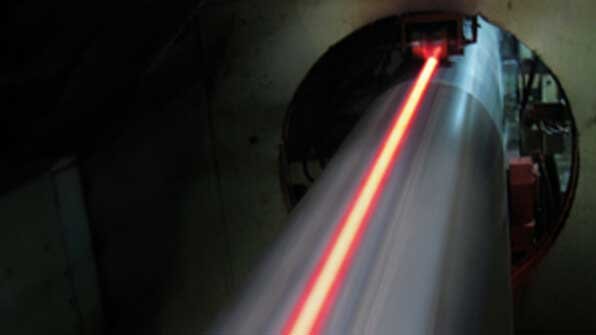
  • Welded tubes: Formed by rolling stainless steel strips and welding the seam.
  • Seamless tubes: Made by piercing a solid billet and drawing it into shape—no weld seam.

This difference affects the structural integrity and mechanical properties of the tube.
2. Mechanical Strength

Seamless tubes generally offer:

  • Higher strength under pressure
  • Better resistance to fatigue and cracking
  • No weak points along a welded seam

In high-pressure boilers and heat exchangers, seamless tubes are often the safer choice.
3. Corrosion Risk

The weld seam in welded tubes may:

  • Be more susceptible to corrosion
  • Contain microstructural irregularities
  • Need additional processing (like annealing or pickling)

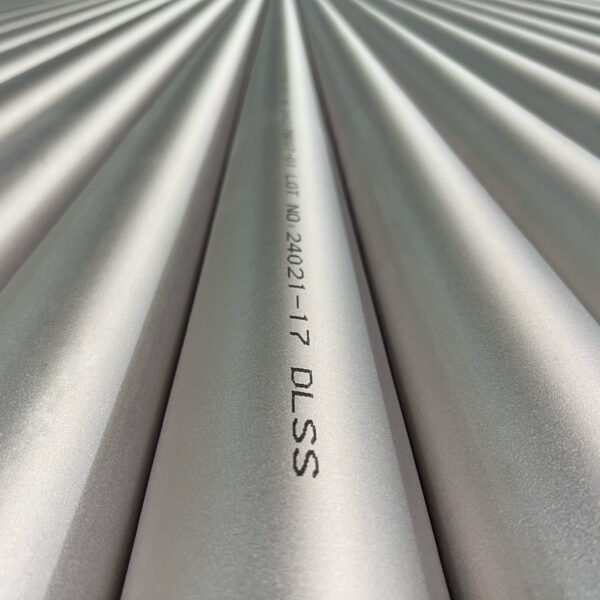
Seamless tubes, especially those from DLSS, have a smooth, uniform structure with minimal risk of localized corrosion.

4. Dimensional Accuracy & Surface Finish

Welded tubes may have:

  • Greater ovality
  • Visible seam marks
  • Slightly less consistent wall thickness

DLSS seamless tubes are known for:

  • Tight dimensional tolerance
  • Clean, pickled surface finish
  • Precision straightness
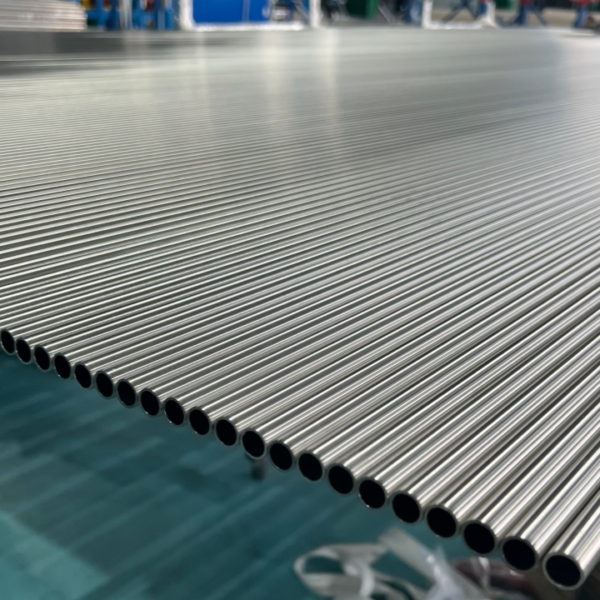
Stainless steel seamless bright tube

5. Application Suitability

  • Use welded tubes for low-pressure, non-critical applications where cost is a concern.
  • Choose seamless tubes for demanding industrial systems, high temperatures, and corrosive environments.
Conclusion

For many heat exchanger applications, seamless stainless steel tubes offer better strength, consistency, and reliability. DLSS specializes in high-precision seamless tubes designed to meet the most demanding industrial standards.

Why Choose DLSS as Your Stainless Steel Tube Partner?

With over 30 years of experience and exports to 40+ countries, DLSS offers:

  • Customized tube solutions for heat exchangers and condensers
  • Full compliance with ASTM/ASME standards
  • Third-party inspections and full quality reports
  • Precision production, fast delivery

 Contact us today to get a free consultation or quote: info@dlsspipe.com

Wonderful! Share This Case:

Austenitic Stainless Steel

Duplex Stainless Steel

Nickel Alloys

▪ Incoloy Family

▪ Inconel Family

▪ Monel Family

▪ Hastelloy Family

▪ Other Special Alloys

Cobalt Alloys

Related Posts

3.2 Certificate, TPI

Product Information ASME SA179 Seamless U-tubes ∅19.05 × 2.11min × L12210.9~13617.8mm, Total: 1,352 pcs Project Background The end user is a large energy and chemical company. Due to severe quality issues with previously sourced ASME SA179 tubes from India—leading to equipment shutdown and project suspension—the customer urgently needed to procure...

Read More
Stainless Steel Tube Failures in Heat Exchangers: Root Causes and How to Prevent Them

Stainless Steel Tube

Introduction Heat exchangers are essential components in power plants, refineries, HVAC systems, and chemical processing. Yet, even with premium-grade stainless steel tubes, failures can occur—leading to leaks, shutdowns, and expensive repairs. DLSS has helped dozens of clients investigate and resolve stainless tube failures across the globe. In this article, we...

Read More
Understanding Duplex and Super Duplex Stainless Steel Tubes – Grades, Benefits, Applications

Understanding Duplex and

Introduction When stainless steel isn’t enough for aggressive environments—duplex and super duplex stainless steels step in. These high-performance materials combine the advantages of both austenitic and ferritic structures, offering exceptional strength and corrosion resistance, particularly in chloride-rich and offshore settings. At DLSS, we supply duplex and super duplex seamless tubes...

Read More
How to Select the Right Stainless Steel Tube for Corrosive Environments – A Practical Guide

How to Select

Introduction Corrosive environments are among the most demanding settings for stainless steel tubing. Choosing the wrong grade can lead to pitting, cracking, or total system failure—costing both time and money. This practical guide from DLSS helps engineers and procurement specialists select the most appropriate stainless steel tube for various corrosive...

Read More
Flange Sealing Techniques: How to Ensure a Leak-Proof Pipeline Connection

Flange Sealing Techniques:

Introduction If you’ve ever walked through an oil refinery or a chemical plant, you’ve probably seen a flange connection wrapped in insulation—maybe even dripping or steaming from a tiny leak. Flange connections are everywhere in pipeline systems, but when not sealed properly, they’re one of the most common sources of...

Read More
Low-Fin Tubes: Compact Heat Transfer Solutions for Refrigeration and HVAC

Low-Fin Tubes: Compact

Low-fin tubes are designed to improve heat transfer efficiency while maintaining a compact design, making them ideal for applications where space and weight are limited. These tubes feature external fins with a low height, which increases the surface area for heat exchange without significantly increasing the overall size. For a...

Read More
Electropolished vs Mechanically Polished Tubes: What’s Best for Hygienic Applications?

Electropolished vs Mechanically

Introduction In sanitary applications, cleanability is critical. Whether you’re building a milk pasteurizer in Brazil or a pharmaceutical system in Colombia, the inner surface of your stainless steel tubes directly affects hygiene, bacterial resistance, and compliance. The two most common surface finishes used in sanitary stainless steel tubing are: But...

Read More
fraudulent steel suppliers in China

Beware of Fraudulent

In recent months, several cases have surfaced regarding fraudulent activities among certain steel and metal material suppliers in China. One particular case highlights the risks faced by overseas buyers when dealing with unreliable companies. Case Study: Brazilian Importer Defrauded In April and May 2025, a Brazilian company reported that it...

Read More

Request A Quote

*We respect your confidentiality and all information are protected.