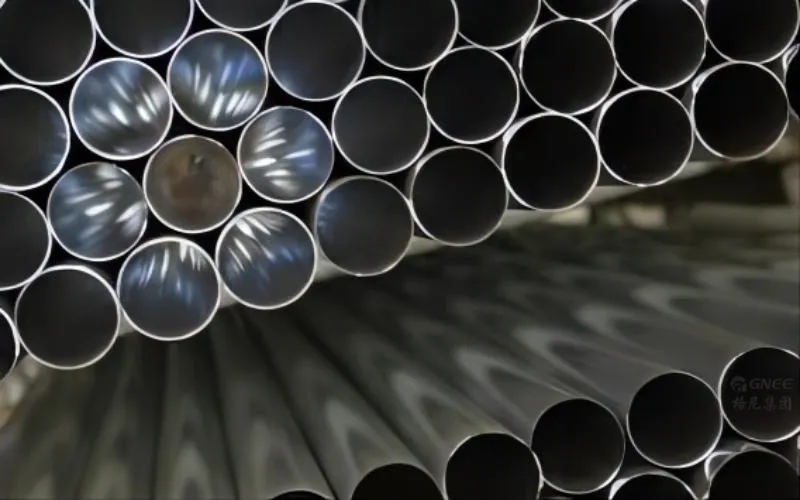
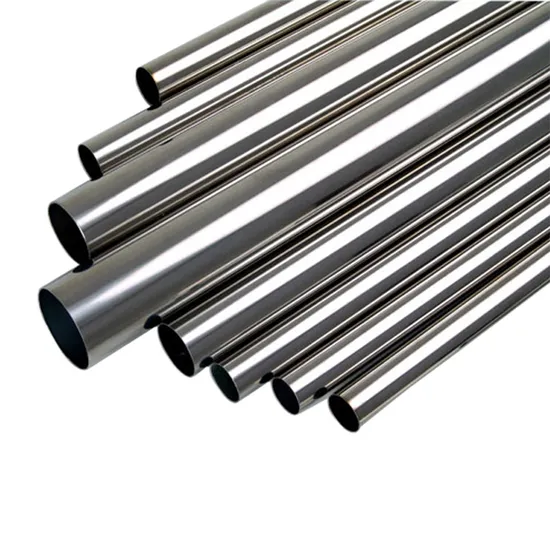
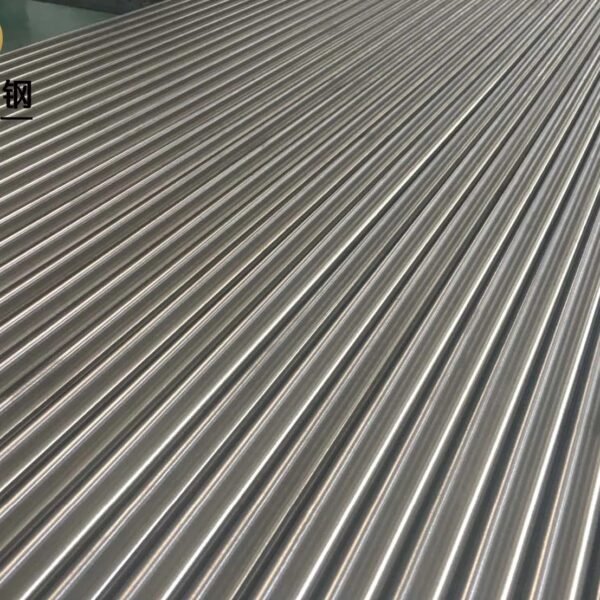
ASTM B163 Incoloy 825 (UNS N08825) Seamless Tube – 25.4 × 2.11 × 5555 mm, Bright Annealed Surface

DLSS - Pipe&Tube - ASTM B163 Incoloy 825 (UNS N08825) Seamless Tube – 25.4 × 2.11 × 5555 mm, Bright Annealed Surface

Product Details

  • Standard: ASTM B163
  • Grade: Incoloy® 825 / UNS N08825
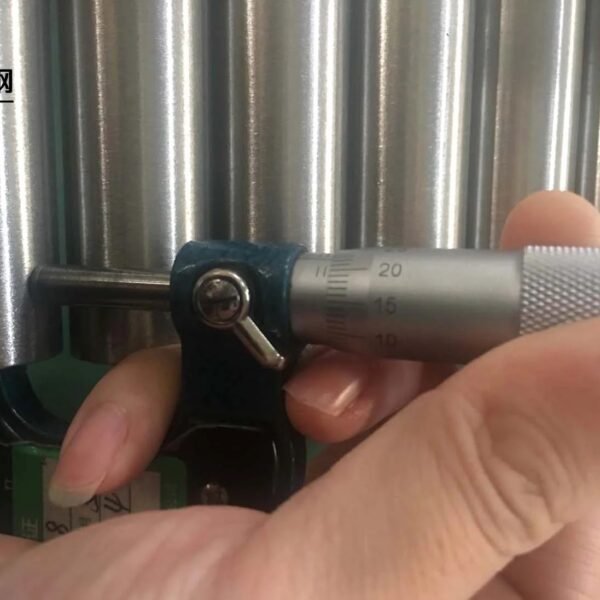
  • Tube Size: 25.4 mm OD × 2.11 mm WT × 5555 mm Length
  • Type: Seamless Tube
  • Surface: Bright Annealed (BA)
  • Delivery Condition: Annealed and Pickled or Bright Annealed
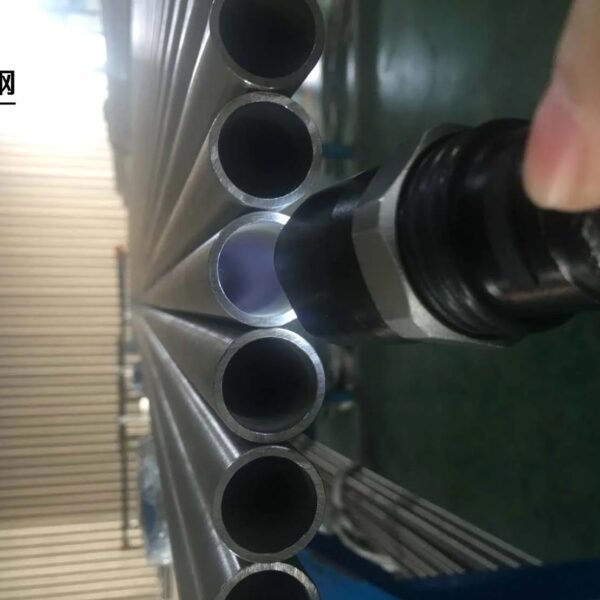
  • Testing: 100% Eddy Current, Hydrostatic, PMI, and Grain Size Control
ASTM B163 Incoloy 825 (UNS N08825) Seamless Tube – 25.4 × 2.11 × 5555 mm, Bright Annealed Surface

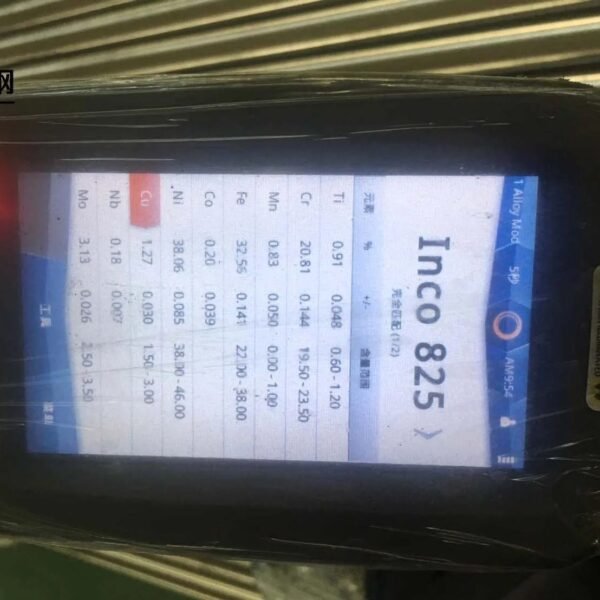
Chemical Composition of Incoloy 825 (UNS N08825)

ElementComposition (%)
Nickel (Ni)38.0 – 46.0
Chromium (Cr)19.5 – 23.5
Iron (Fe)Balance
Molybdenum (Mo)2.5 – 3.5
Copper (Cu)1.5 – 3.0
Titanium (Ti)0.6 – 1.2
Carbon (C)≤ 0.05

Incoloy 825 is a nickel-iron-chromium alloy with added molybdenum, copper, and titanium for enhanced corrosion resistance in reducing and oxidizing media.
ASTM B163 Incoloy 825 (UNS N08825) Seamless Tube – 25.4 × 2.11 × 5555 mm, Bright Annealed Surface

Mechanical Properties (As per ASTM B163)

PropertyTypical Value
Tensile Strength≥ 586 MPa (85 ksi)
Yield Strength (0.2%)≥ 221 MPa (32 ksi)
Elongation≥ 30%
Hardness≤ 200 HB
ASTM B163 Incoloy 825 (UNS N08825) Seamless Tube – 25.4 × 2.11 × 5555 mm, Bright Annealed Surface

Key Features

  • Excellent resistance to sulfuric acidphosphoric acid, and nitric acid
  • Outstanding corrosion resistance in chloride-bearing environments
  • Good mechanical strength at high temperatures
  • Suitable for nuclear, petrochemical, and marine industries
  •  Bright annealed finish ensures clean, oxide-free surface for high purity systems
ASTM B163 Incoloy 825 (UNS N08825) Seamless Tube – 25.4 × 2.11 × 5555 mm, Bright Annealed Surface

Common Applications

IndustryApplication Use
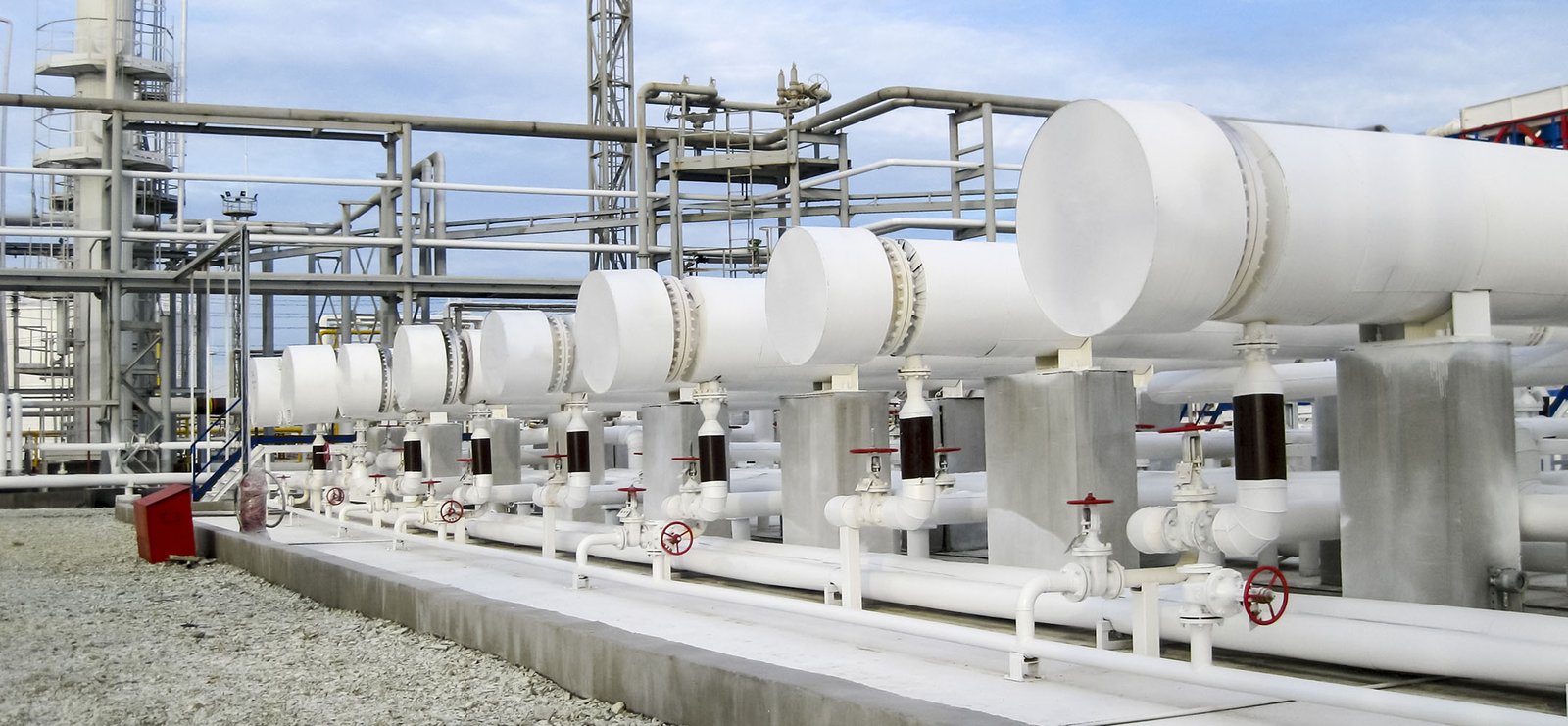
Chemical ProcessingHeat exchangers, evaporators, pickling tanks
Oil & Gas / OffshoreCooling coils, subsea piping
Power GenerationNuclear fuel processing
Acid ManufacturingSulfuric acid coolers
Pollution ControlFlue-gas scrubbers, absorber tubes

DLSS Testing & Quality Control

  • 100% Eddy Current Testing (per ASTM E426)
  • Hydrostatic Test (on request)
  • PMI (Positive Material Identification)
  • Microstructure & Grain Size per ASTM E112
  • Ultrasonic Testing for wall thickness uniformity
  • Visual & Dimensional inspection report
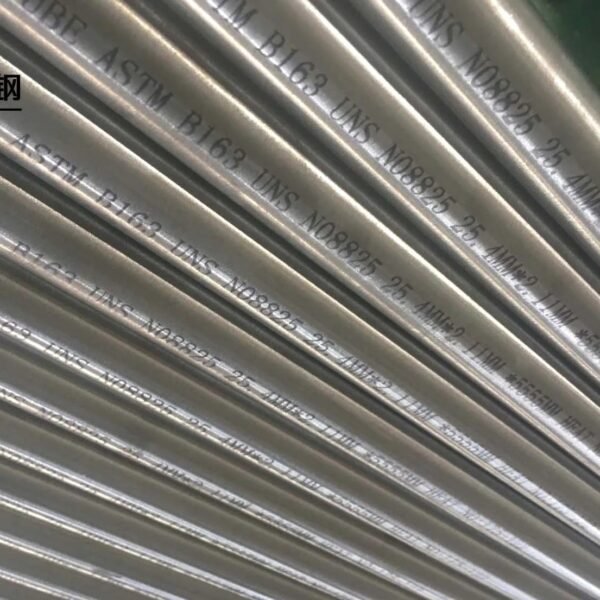
ASTM B163 Incoloy 825 (UNS N08825) Seamless Tube – 25.4 × 2.11 × 5555 mm, Bright Annealed Surface

Packaging for Export

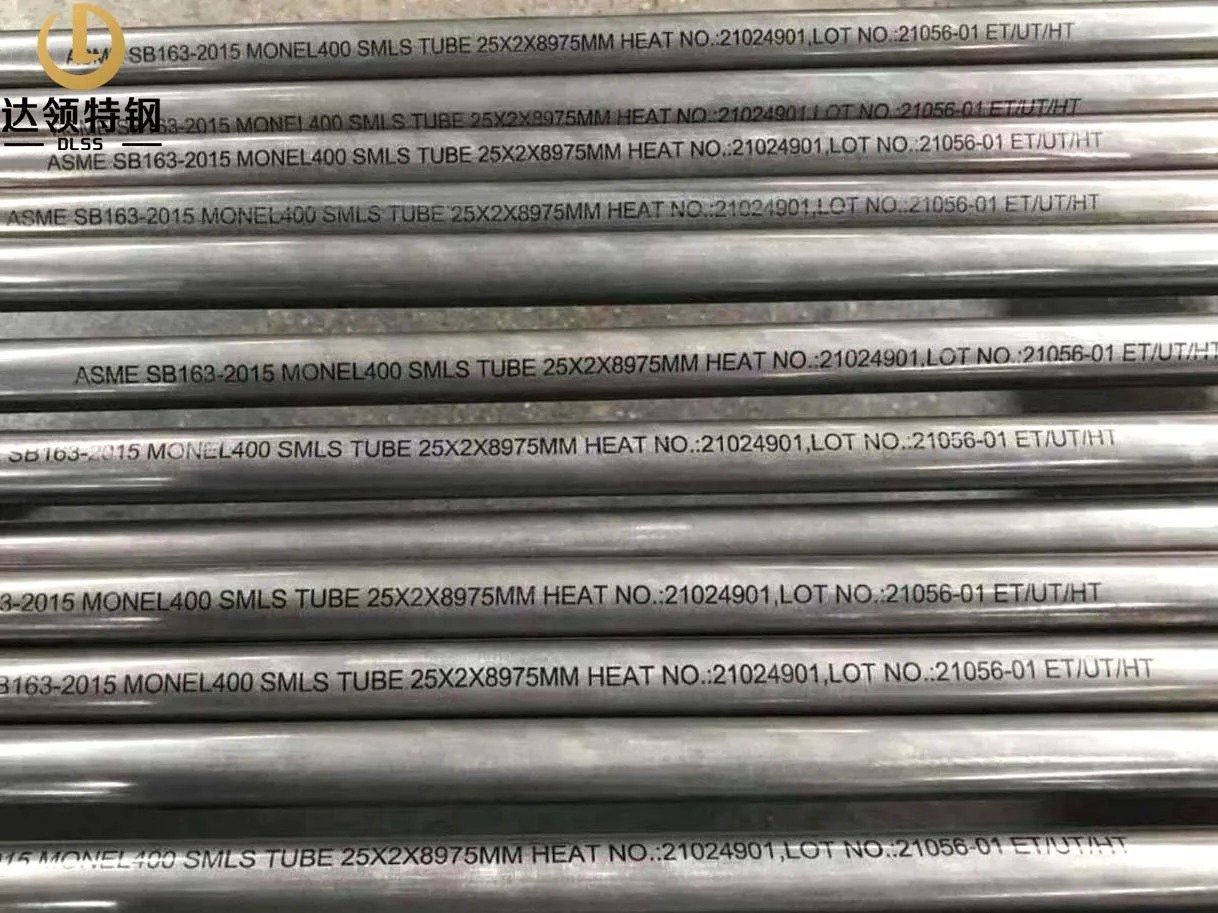
  • Tubes capped and sleeved for protection
  • Bundled in export wooden cases with steel bands
  • Heat number, size, and quantity labels
  • Optional: Third-party witness by SGS / BV / TUV
  • Incoloy 825 seamless tube
  • ASTM B163 N08825 tubing
  • nickel alloy heat exchanger tube
  • bright annealed Incoloy pipe
  • corrosion resistant alloy tube
  • UNS N08825 tubing supplier
  • Alloy 825 condenser tube
  • ASTM B163 tube for sulfuric acid plant
  • high performance nickel alloy tubing
  • Incoloy 825 tubing for offshore application
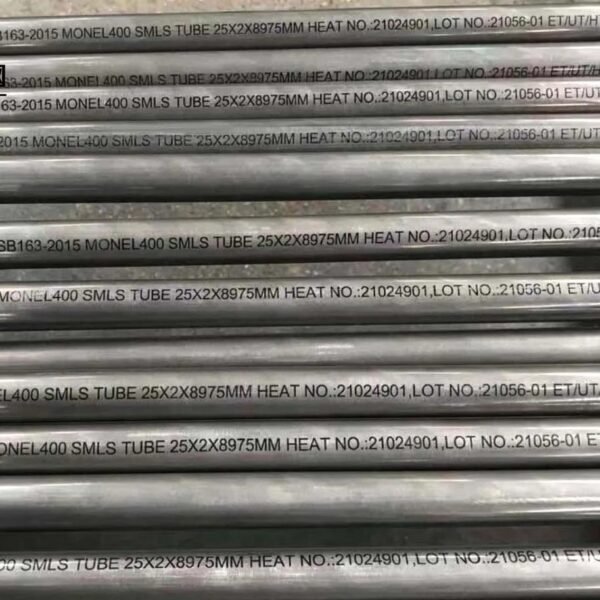
ASTM B163 Incoloy 825 (UNS N08825) Seamless Tube – 25.4 × 2.11 × 5555 mm, Bright Annealed Surface

Contact DLSS for Incoloy 825 Tubing Solutions

Looking for Incoloy 825 BA seamless tubes with full traceability and international certification?

Email: info@dlsspipe.com
Website: www.dlsspipeline.com

We offer technical support, drawing verification, third-party testing, and worldwide delivery.

Wonderful! Share This Case:

Austenitic Stainless Steel

Duplex Stainless Steel

Nickel Alloys

▪ Incoloy Family

▪ Inconel Family

▪ Monel Family

▪ Hastelloy Family

▪ Other Special Alloys

Cobalt Alloys

Related Posts

5 Common Causes of Tube

Heat exchanger tube failure can lead to system shutdowns, costly repairs, and even safety risks. Understanding the causes can help prevent future problems. In this article, we’ll cover the 5 most common reasons tubes fail—and how choosing the right materials and surface treatment can make all the difference. 1. Pitting and Crevice Corrosion Often caused […]

Read More
EN vs ASTM Standards for Stainless Steel Tubes – What’s the Difference and How to Choose?

EN vs ASTM Standards for

Meta Description:Explore the key differences between EN and ASTM standards for stainless steel tubes. Understand specifications, testing requirements, tolerances, and how to choose the right standard for your project. Introduction Global industrial projects often involve suppliers and clients from different regions—especially Europe, America, and Asia. As a result, you may encounter both ASTM and EN […]

Read More
Why Duplex Stainless Steel Tubes Are Ideal for South America's Offshore Oil & Gas Projects

Why Duplex Stainless Steel Tubes

Meta Description:Explore how duplex stainless steel tubes meet the demands of South America’s offshore energy sector. Learn about corrosion resistance, mechanical strength, and NACE compliance in deep-sea environments. Introduction From Brazil’s pre-salt fields to Colombia’s coastal gas terminals, offshore exploration in South America is pushing engineering materials to the limit. The tubes used in these […]

Read More
Heat Exchanger Troubleshooting Guide: Common Problems and How to Solve Them

Heat Exchanger Troubleshooting Guide: Common

1. Introduction – Heat Exchanger Troubleshooting A heat exchanger is a critical component in many industrial systems, and any performance issue can lead to reduced efficiency, higher operating costs, or even production downtime. This heat exchanger troubleshooting guide covers the most common problems, their likely causes, and practical solutions to get your system back on […]

Read More
Quality Inspection Methods for Stainless Steel Heat Exchanger Tubes

Quality Inspection Methods for Stainless

Ensuring the quality of stainless steel tubes is critical for the long-term reliability and safety of heat exchangers. Whether used in chemical plants, power stations, oil & gas facilities, or food processing systems, defective or poorly inspected tubes can lead to costly failures, shutdowns, or safety hazards. In this article, we cover the most important […]

Read More
green-building-hvac-stainless-steel-heat-exchanger-tube

How Green Buildings and HVAC

With urban centers pushing for net-zero construction and energy-efficient design, HVAC systems—heating, ventilation, and air conditioning—have become the heart of green buildings. This shift is driving new demand for stainless steel heat exchanger tubes, used in chilled water systems, heat pumps, condenser units, and energy recovery modules. 1. Why Stainless Steel Is Replacing Copper and […]

Read More
Stainless Steel Instrumentation Tubing for Japan’s Oil & Gas Projects – 日本石油・ガス産業向けステンレス計装チューブ

Stainless Steel Instrumentation Tubing for

Introduction The oil and gas industry in Japan demands high-precision stainless steel instrumentation tubing for safe and efficient operation of control systems. DLSS supplies JIS G3446-compliant tubes with excellent corrosion resistance, precision dimensional tolerances, and long service life in harsh offshore and onshore environments. 1. Why Stainless Instrumentation Tubes for Oil & Gas(石油・ガスにステンレス計装チューブが必要な理由) 2. Standards […]

Read More

Why Seamless Stainless Steel Tubes

When designing a high-performance heat exchanger, tube material is a critical factor. Stainless steel, particularly in seamless form, is gaining popularity across industries thanks to its mechanical strength, corrosion resistance, and thermal reliability. In this article, we’ll break down why seamless stainless steel tubes are the ideal choice for demanding heat exchanger applications. 1. Uniform Wall Thickness […]

Read More

Request A Quote

*We respect your confidentiality and all information are protected.