How to Specify U-Bend Stainless Steel Tubes for Heat Exchangers

DLSS - Pipe&Tube - How to Specify U-Bend Stainless Steel Tubes for Heat Exchangers

Meta Description:
A comprehensive guide to U-bend stainless steel tubes for heat exchangers. Learn how to specify bending radius, wall thinning limits, tolerance, surface finish, and inspection standards.


Introduction

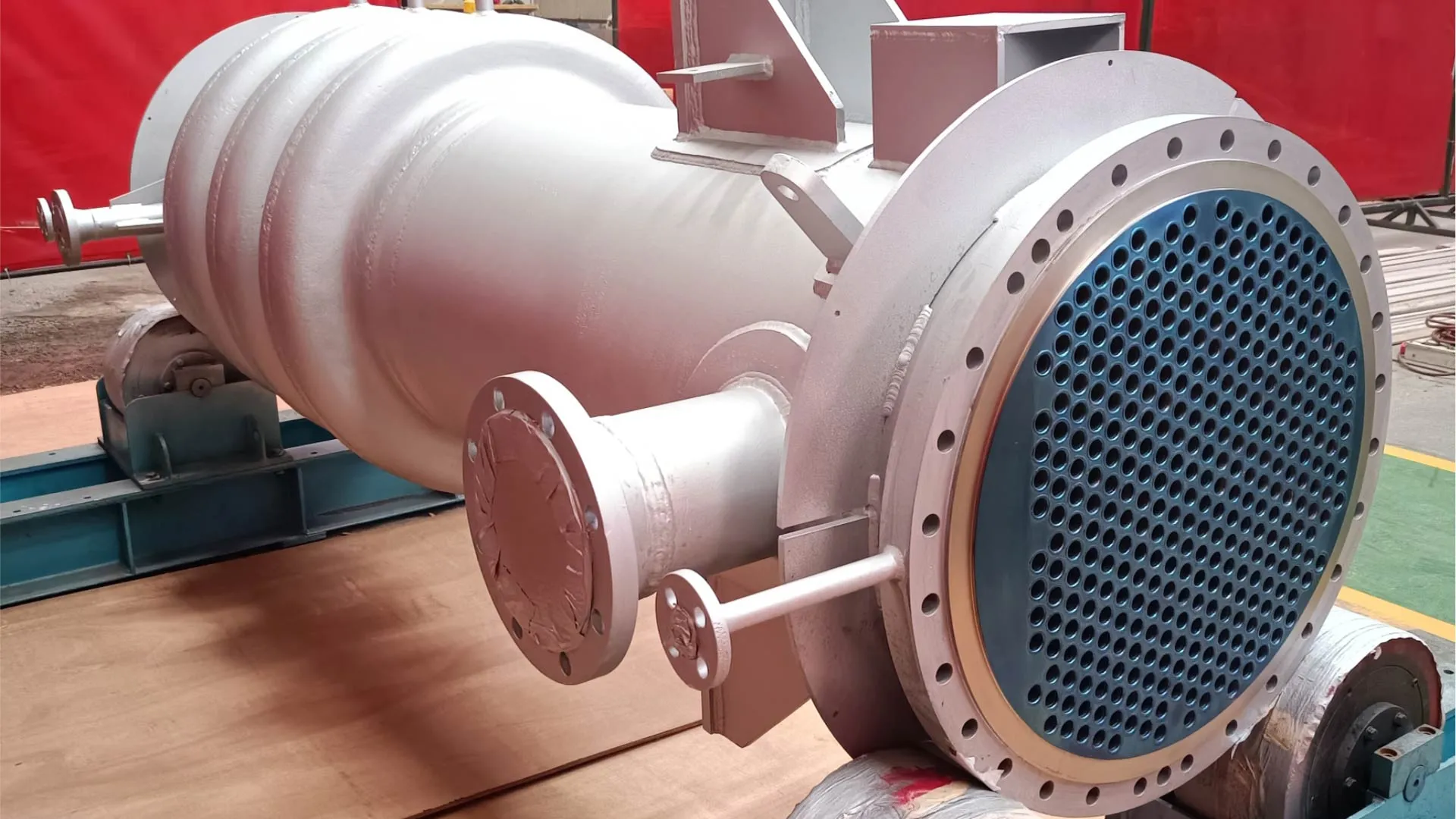
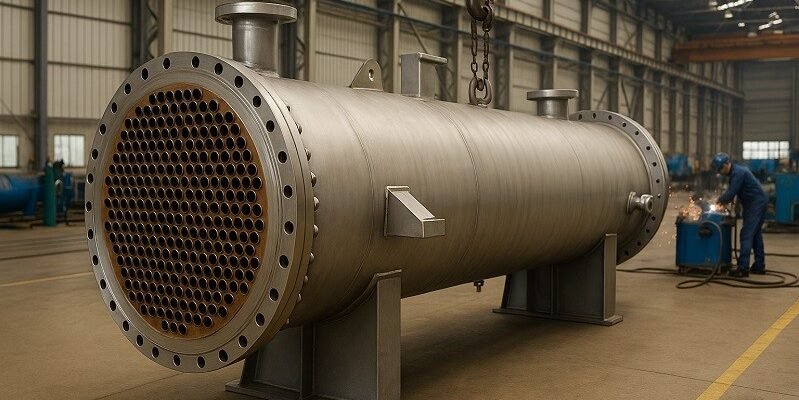
U-bend stainless steel tubes are a critical component in shell and tube heat exchangers, designed to increase heat transfer area while optimizing space. These tubes must meet strict dimensional, metallurgical, and mechanical standards to perform reliably under thermal cycling and high-pressure environments.

This article guides you through the key specifications and considerations when sourcing U-bend tubes for industrial heat exchanger applications.


1. What Are U-Bend Stainless Steel Tubes?

U-bend tubes are stainless steel tubes that are mechanically or thermally bent into a U-shape. Commonly used in heat exchangers for:

  • Petrochemical plants
  • Power generation boilers
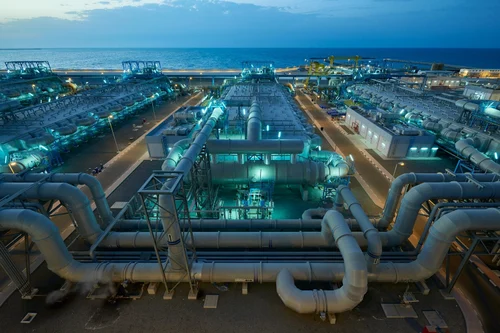
  • Seawater desalination
  • Refineries and gas processing units

They eliminate the need for return headers and allow compact bundle design.


2. Common Materials for U-Bend Tubes

GradeStandardKey Features
TP304 / TP304LASTM A213General-purpose, moderate corrosion resistance
TP316 / TP316LASTM A213High chloride resistance
TP321 / TP347ASTM A213Stabilized grades for high-temp service
S32205 DuplexASTM A789High strength, excellent SCC and pitting resistance
C70600 / C44300ASTM B111Admiralty and CuNi alloys for marine applications

3. Bending Radius (R): How to Specify

  • Standard Bending Radius: 1.5 × OD (Outside Diameter)
  • Custom Radius: 2D, 3D, or as per drawing
  • Tight Radius (<1.5D) may increase wall thinning risk

Tip: Confirm if the radius is inner or centerline for precise fabrication.


4. Wall Thinning Allowance

During bending, wall thinning occurs on the outer arc. Most specs limit thinning to:

  • ≤10% of nominal wall thickness for critical service
  • Wall thickness must remain above minimum ASTM requirement

DLSS Testing: We perform ultrasonic or micrometer inspection after bending.


5. Tolerances and Dimensional Control

ParameterTolerance
Leg length±1.5 mm (or per customer drawing)
Centerline radius±1.5 mm
Ovality (OD)≤10% difference max
Wall thinning≤10% (unless otherwise specified)

DLSS provides full dimensional inspection reports upon request.


6. Heat Treatment: Stress Relief Post-Bending

To avoid stress cracking, especially in austenitic stainless steel and duplex grades, U-bend tubes must undergo:

  • Bright annealing or
  • Solution annealing at 1050–1150°C
  • Quenching (water/air) to stabilize grain structure

DLSS performs furnace-controlled annealing in inert atmosphere for mirror-clean inner surface.


7. Surface Finish

Options include:

  • Pickled & Passivated (standard)
  • Bright Annealed (pharma or food-grade)
  • Polished (for decorative or hygienic applications)

Recommended Ra (roughness) for clean applications: ≤0.5 μm


8. Packing & Handling of U-Bend Tubes

Proper packaging is essential to avoid damage during shipment.

  • Packed in customized wooden frames or crates
  • Each leg supported to prevent stress at the bend
  • Ends protected with plastic or rubber caps
  • Tags include heat number, size, grade, and standard

DLSS ships globally with export-compliant packing per ASTM A700


9. Testing & Inspection for U-Bend Tubes

DLSS offers full QA/QC per ASTM, ASME, and client specs:

  • Hydrostatic or Pneumatic Test
  • Eddy Current Testing (ECT)
  • Hardness Test
  • Intergranular Corrosion (IGC) Test
  • Grain Size Measurement
  • EN 10204 3.1 / 3.2 Certification
  • Third-Party Inspection (SGS, TUV, BV)

10. Common Standards Referenced

  • ASTM A213 (TP304/316/321)
  • ASTM A789 (Duplex)
  • ASTM B111 (C44300 / C70600)
  • ASME SA213 / SA789
  • TEMA R / C / B Class Heat Exchanger Design
  • EN 10216-5 for seamless stainless tubes
  • NACE MR0175 for sour service

SEO Keywords

U-bend stainless steel tube, heat exchanger U tubes, stainless U tubes bending radius, TP316L U tube specification, ASTM A213 U bend tube, seamless U tube supplier, duplex steel U tubes, stress-relieved heat exchanger tube, pickled and passivated U tubes, DLSS stainless U tube manufacturer, 1.5D U bend tube, CuNi U bend tube ASTM B111, EN10204 3.2 certified U tubes


Conclusion

Specifying U-bend stainless steel tubes requires attention to material grade, bending parameters, wall thinning, and inspection requirements. Proper sourcing ensures long service life and system integrity under fluctuating thermal loads.

DLSS is an experienced manufacturer and exporter of U-bend tubes for global heat exchanger OEMs and EPC contractors.


Contact DLSS for Custom U-Bend Tube Solutions

Email: info@dlsspipe.com
Website: www.dlsspipeline.com

Let us help you engineer precision, performance, and peace of mind into your next heat exchanger project.

Wonderful! Share This Case:

Austenitic Stainless Steel

Duplex Stainless Steel

Nickel Alloys

▪ Incoloy Family

▪ Inconel Family

▪ Monel Family

▪ Hastelloy Family

▪ Other Special Alloys

Cobalt Alloys

Related Posts

Understanding Duplex Stainless Steel Tubes – Grades, Benefits, and Applications

Understanding Duplex Stainless Steel Tubes

Meta Description:Explore the advantages of duplex stainless steel tubes. Learn about key grades like 2205 and 2507, their properties, and why they are preferred in harsh industrial environments. Introduction Duplex stainless steel tubes are rapidly becoming the preferred solution for demanding industries such as oil & gas, marine, chemical processing, and desalination. With their dual-phase […]

Read More
Pickling vs Bright Annealing: Which Surface Treatment Is Best for Stainless Steel Tubes?

How to Select Tubing for

Meta Description:Choosing tubing for high-pressure systems? Learn how to select the right material, wall thickness, and standards for safe and reliable performance in oil & gas, chemical, and hydraulic applications. Introduction In high-pressure systems, tubing failure isn’t just costly—it can be catastrophic. Whether you’re building an offshore platform, a hydraulic power unit, or a supercritical […]

Read More
Pickling vs Bright Annealing: Which Surface Treatment Is Best for Stainless Steel Tubes?

Pickling vs Bright Annealing: Which

Meta Description:Pickled or bright annealed? Learn the pros, cons, and applications of these two surface treatment methods used in stainless steel tube manufacturing. Introduction The performance of stainless steel tubes isn’t just about alloy grade or dimensional accuracy—surface finish plays a crucial role in corrosion resistance, cleanliness, and long-term durability. Two widely used surface treatments […]

Read More

Disadvantages of Copper Tubes in

Copper tubes have been widely used in heat exchangers for decades, thanks to their excellent thermal conductivity and workability. However, as industries evolve and system requirements become more demanding, copper tubes are facing several limitations in terms of performance, durability, and lifecycle cost. In this blog, we’ll explore the main disadvantages of copper tubes in heat exchangers—and […]

Read More
EN vs ASTM Standards for Stainless Steel Tubes – What’s the Difference and How to Choose?

EN vs ASTM Standards for

Meta Description:Explore the key differences between EN and ASTM standards for stainless steel tubes. Understand specifications, testing requirements, tolerances, and how to choose the right standard for your project. Introduction Global industrial projects often involve suppliers and clients from different regions—especially Europe, America, and Asia. As a result, you may encounter both ASTM and EN […]

Read More
Heat Exchangers in Renewable Energy: Wind, Hydrogen, and Beyond

Heat Exchangers in Renewable Energy:

As the world transitions toward low-carbon energy, the role of heat exchangers in renewable energy systems is becoming increasingly critical. Whether in wind turbine cooling, hydrogen production, or energy storage, heat exchangers ensure thermal stability, equipment safety, and energy efficiency. This article explores how tubular heat exchangers are integrated into modern renewable energy technologies, what […]

Read More
Electropolished vs Mechanically Polished Tubes: What’s Best for Hygienic Applications?

Electropolished vs Mechanically Polished Tubes:

Meta Description:Discover the key differences between electropolished (EP) and mechanically polished (MP) stainless steel tubes. Learn which surface finish is better for food, beverage, and pharmaceutical use in Latin America. Introduction In sanitary applications, cleanability is critical. Whether you’re building a milk pasteurizer in Brazil or a pharmaceutical system in Colombia, the inner surface of […]

Read More
Middle East Market Insight: Stainless Steel Seamless Tube Demand in Refining and Desalination Projects

Middle East Market Insight: Stainless

The Middle East remains one of the world’s largest consumers of stainless steel seamless tubes—driven by oil & gas refining, petrochemical facilities, and mega-scale desalination and water treatment plants. As Gulf countries shift toward more technologically advanced, environmentally compliant, and cost-efficient infrastructure, the demand for U-bent heat exchanger tubes, duplex/super duplex grades, and ASME/PED-certified seamless […]

Read More

Request A Quote

*We respect your confidentiality and all information are protected.