Stainless Steel Tubes for Pharmaceutical and Cleanroom Systems – Surface Standards and Certification

DLSS - Tubes For Heat Exchanger - Stainless Steel Tubes for Pharmaceutical and Cleanroom Systems – Surface Standards and Certification

Meta Description:
Explore the critical requirements for stainless steel tubing in pharmaceutical and cleanroom applications. Understand surface finish standards, certifications, and DLSS’s high-purity solutions.


Introduction

In pharmaceutical production and cleanroom environments, the cleanliness and surface integrity of stainless steel tubing are paramount. Even microscopic contamination can compromise product quality, regulatory compliance, or batch sterility.

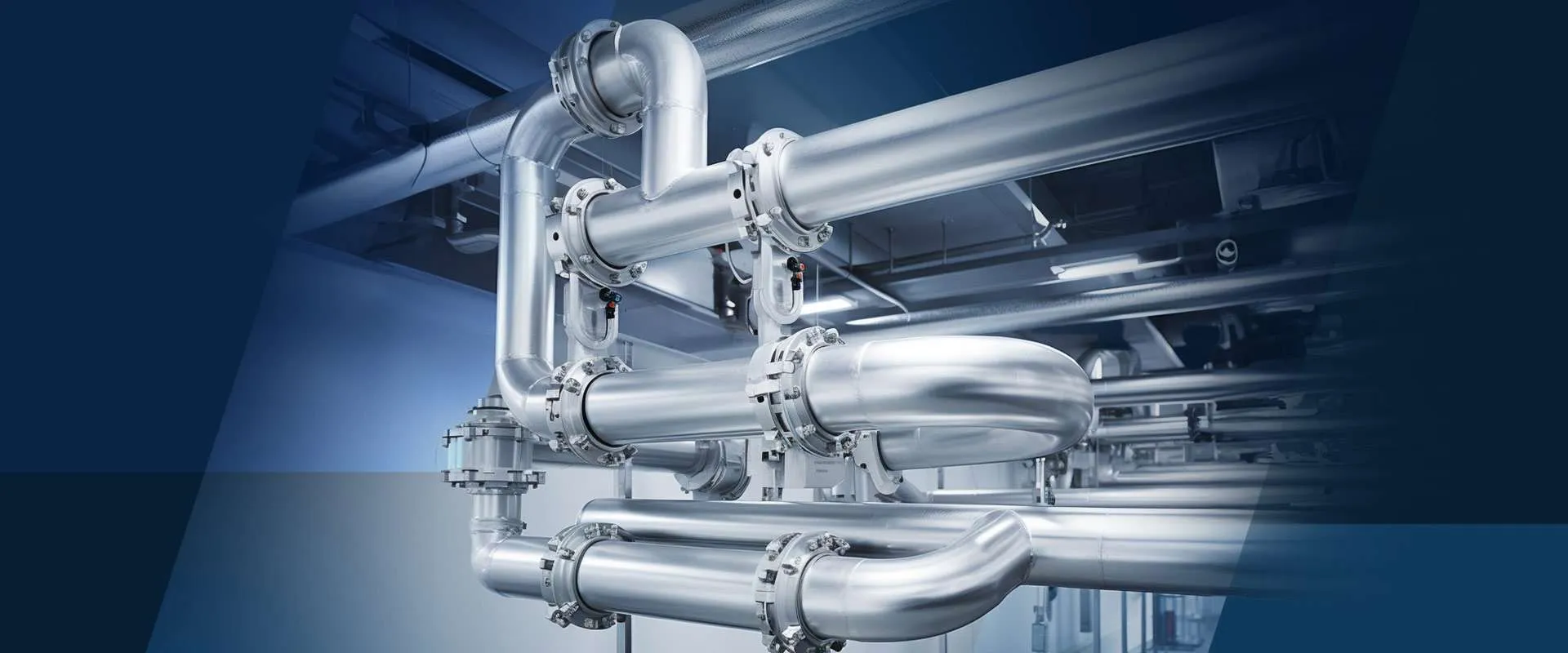
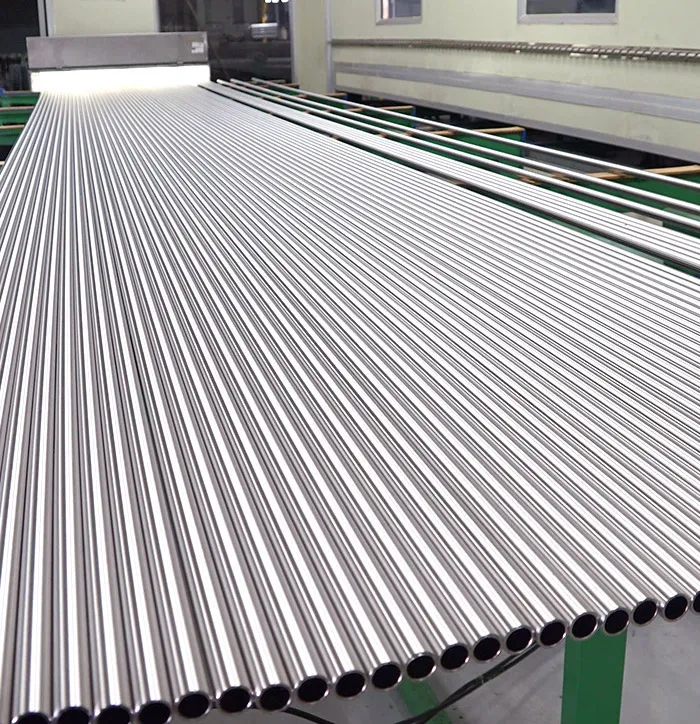
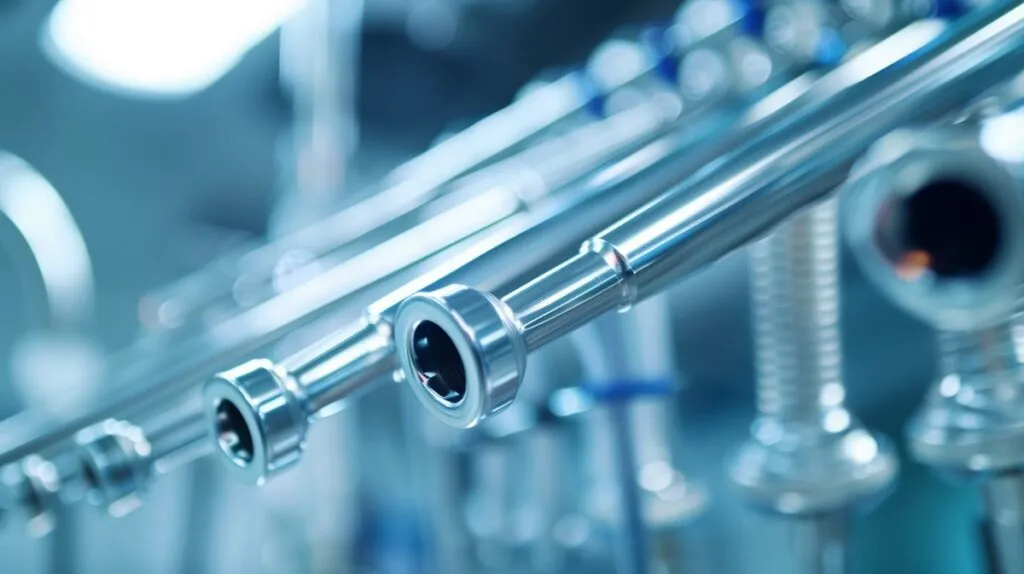
DLSS manufactures high-purity stainless steel seamless tubes with surface finishes and certifications that meet the rigorous demands of pharma piping systems, WFI (Water For Injection) loops, and aseptic processing zones.
Stainless Steel Tubes for Pharmaceutical and Cleanroom Systems – Surface Standards and Certification

1. Why Tubing Matters in Pharma and Cleanrooms

  • Product Contact: Tubing transports purified water, injectable solutions, solvents, gases
  • CIP/SIP Compatibility: Tubes must withstand frequent chemical cleaning and steam sterilization
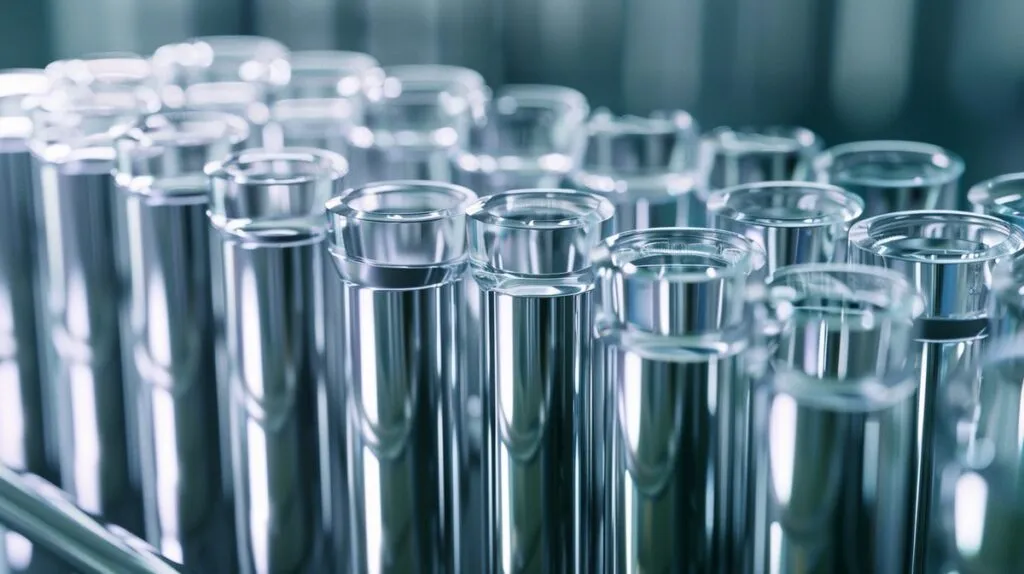
  • Particulate-Free Flow: Internal Ra < 0.5 μm prevents bacterial adhesion or particle buildup
  • GMP Compliance: Tubing materials are part of regulated critical systems (e.g., FDA, EU GMP)

Reference: FDA CFR Title 21 – Pharmaceutical Manufacturing


2. Critical Surface Standards and Requirements

ParameterStandard ValueImportance
Ra (Roughness average)≤ 0.5 μm (standard), ≤ 0.25 μm (EP)Prevents microbial growth, improves cleanability
Finish TypeBright Annealed (BA), Electropolished (EP)Required for hygienic and ultra-clean piping
Weld Bead ControlFlush or bead-rolledAvoids dead legs and turbulence
PassivationASTM A967 or EN 10357 compliantEnhances corrosion resistance

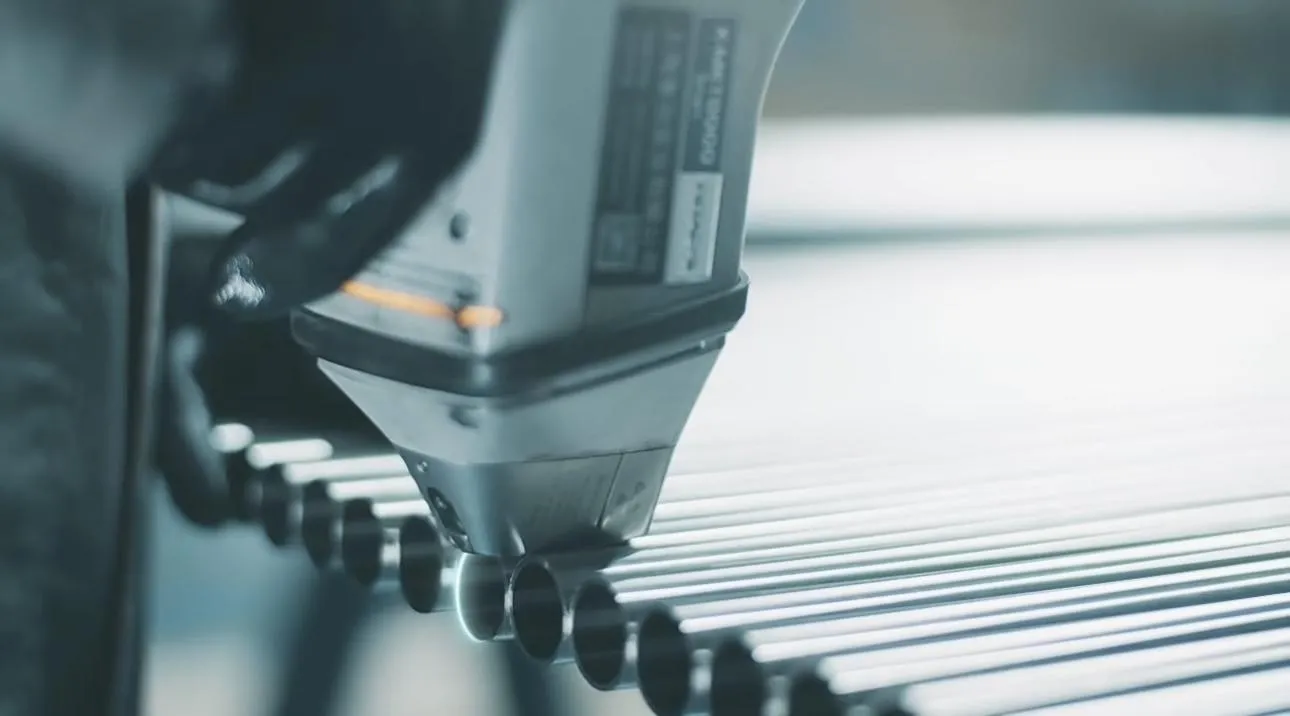
All DLSS pharma-grade tubes are inspected visually and by profilometry (contact or laser Ra measurement) before shipment.
Stainless Steel Tubes for Pharmaceutical and Cleanroom Systems – Surface Standards and Certification

3. Applicable Standards and Certifications

StandardApplication
ASTM A270 S2Sanitary tubing with controlled Ra and documentation
ASME BPEBio-processing equipment with dimensional and weld finish requirements
EN 10357Stainless steel tubes for food and pharma industry (EU)
ISO 1127Dimensional standards for stainless tubes
3-A 63-03Tubing for dairy and pharma use

Learn more: ASME BPE Guide – Bio-processing Equipment


4. DLSS High-Purity Tubing Capabilities

FeatureDLSS Offering
Tube GradesTP316L, TP316Ti, 1.4435, 1.4404, Alloy 22
Surface FinishBA standard, EP optional
Ra CertificationAvailable on request (contact or optical)
Tube TraceabilityLaser-marked with heat number and grade
DocumentationEN 10204 3.1 or 3.2 MTC, with Ra + PMI + ET reports
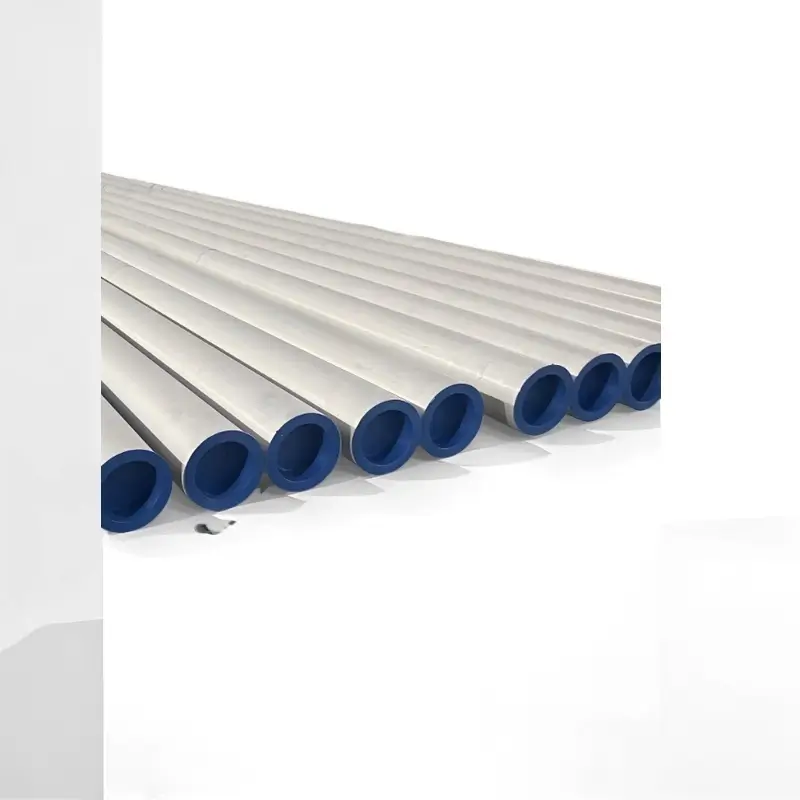
PackagingCleanroom PE bags, foam-end cap, dust-free export carton

5. Key Applications in Pharma Systems

SystemTube Function
WFI (Water for Injection)Circulates sterile water at high temp and velocity
USP Purified WaterDelivers RO or deionized water
CIP/SIP LoopsCarries cleaning and sterilization media
API Transfer LinesSolvents, liquids, and product batches
Compressed Gas LinesNitrogen, oxygen, clean air in aseptic zones

Related: USP <1231> – Water for Pharmaceutical Purposes


6. Case Study: Biopharma Cleanroom in Southeast Asia

Client: Leading vaccine manufacturer
Project: Expansion of injectable facility cleanroom piping
Scope: 8,000 meters of 1.4435 seamless tubing
Specifications: ASTM A270 S2 + ASME BPE; EP finish Ra ≤ 0.25 μm
Testing: 100% Ra test, PMI, ET, ID video scope inspection
Result: Tubes passed FAT without issues. System certified by TÜV as GMP-compliant.
Stainless Steel Tubes for Pharmaceutical and Cleanroom Systems – Surface Standards and Certification

FAQs: Pharmaceutical Stainless Steel Tubing

Q1: What’s the difference between BA and EP tubing?
A: BA is oxide-free and smooth; EP goes further by electrochemically polishing the surface to Ra ≤ 0.25 μm and removing embedded particles.

Q2: What material is best for WFI lines?
A: TP316L or 1.4435 are most common, with EP finish preferred. Some critical lines use Alloy 22 for high chloride resistance.

Q3: Can DLSS tubes be used in ASME BPE systems?
A: Yes. DLSS provides tubes compliant with BPE dimensional and surface finish tolerances, with complete documentation.

Q4: What’s the cleanroom packaging method?
A: Tubes are bagged in PE sleeves, with end caps and shrink-wrap protection. Packing takes place in a controlled zone to prevent particulate ingress.


Conclusion

Pharmaceutical-grade stainless steel tubing requires more than just corrosion resistance—it demands documented purity, dimensional precision, and flawless surface finish.

DLSS supports pharmaceutical manufacturers and cleanroom integrators with stainless steel tubes engineered for GMP compliance, regulatory traceability, and long-term stability.


Contact DLSS
Email: info@dlsspipe.com
Website: www.dlsspipeline.com

Need EP-certified pharma tubing or assistance with GMP documentation? Contact DLSS for material samples, Ra certificates, and regulatory support.


Wonderful! Share This Case:

Austenitic Stainless Steel

Duplex Stainless Steel

Nickel Alloys

▪ Incoloy Family

▪ Inconel Family

▪ Monel Family

▪ Hastelloy Family

▪ Other Special Alloys

Cobalt Alloys

Related Posts

Will Stainless Steel Seamless Pipes Rust? The Truth Behind the Name

Will Stainless Steel Seamless Pipes

Meta Description:Do stainless steel seamless pipes really resist rust? Understand the science of corrosion, what causes rusting in stainless steel, and how to prevent failures in critical systems. Introduction A common question among engineers and procurement teams is: “If it’s called stainless, can it rust?” The name “stainless steel” suggests perfect rust resistance—but in reality, […]

Read More
offshore-oil-gas-corrosion-resistant-heat-exchanger-tubes

Corrosion-Resistant Heat Exchanger Solutions for

Offshore oil and gas platforms operate in some of the harshest environments on earth—intense humidity, salt spray, hydrogen sulfide, and high-pressure processes. These conditions make corrosion the #1 threat to heat exchanger systems and piping reliability. To reduce failures and maintenance costs, operators are turning to advanced stainless steel and duplex alloy tubes as the […]

Read More
Meeting JIS G3459 Standards for Stainless Steel Seamless Pipes(JIS G3459規格に適合するステンレス無縫管)

Meeting JIS G3459 Standards for

1. Introduction JIS G3459 seamless pipe Japan is a widely recognized specification for stainless steel pipes used in chemical, food, marine, and high-temperature applications. For Japanese buyers, compliance with ステンレス無縫管 規格 (stainless seamless pipe standards) is not optional—it is the foundation of product acceptance. DLSS ensures every tube meets or exceeds the stringent requirements of […]

Read More
Stainless Steel Tubes for Hydrogen Production and Electrolysis Systems

Stainless Steel Tubes for Hydrogen

Meta Description:Explore the role of stainless steel seamless tubes in hydrogen production and electrolysis systems. Understand material selection, corrosion challenges, and how DLSS supports green energy. Introduction As the global push toward green hydrogen accelerates, the materials used in hydrogen production systems are under intense scrutiny. Stainless steel tubes—especially those used in electrolyzers, high-pressure pipelines, […]

Read More
Energy-Saving Tips for Industrial Heat Exchangers

Energy-Saving Tips for Industrial Heat

1. Introduction – Energy Savings in Heat Exchangers Industrial facilities often spend a significant portion of their energy budget on heating and cooling processes. Optimizing heat exchanger performance not only lowers energy consumption but also extends equipment life and reduces maintenance costs. This guide shares proven strategies to maximize energy efficiency in shell and tube […]

Read More
steel demand Global Market Outlook for Stainless Steel Seamless Pipes (2025–2030)

Global Market Outlook for Stainless

Meta Description:Explore global market trends, key drivers, and regional opportunities shaping the future of stainless steel seamless pipe demand between 2025 and 2030. Introduction The stainless steel seamless pipe industry is entering a new growth phase driven by infrastructure investments, energy transition, and decarbonization.From oil & gas to clean energy, seamless pipes play a vital […]

Read More

TP304 vs TP316L: A Comprehensive

Introduction TP304 and TP316L are the two most widely used austenitic stainless steel grades in industrial piping, particularly in heat exchangers, boiler systems, and chemical plants. While both belong to the same stainless steel family, they differ in corrosion resistance, mechanical properties, and application suitability. In this article, we compare TP304 and TP316L across 5 key aspects to help engineers, procurement teams, and project […]

Read More
How to Choose the Right Pipe Material for Your Industrial Project

How to Choose the Right

Meta Description:Choosing pipe material can make or break your project. Learn how engineers weigh cost, corrosion, pressure, and long-term reliability when selecting stainless steel and alloy pipes. Introduction If you’ve ever been responsible for building or maintaining an industrial pipeline—whether it’s for steam, chemical transfer, or even chilled water—you know one thing: Choosing the right […]

Read More

Request A Quote

*We respect your confidentiality and all information are protected.