Integrated Stainless Steel Piping Solutions for Industrial Projects

DLSS - Oil & Gas Industry - Integrated Stainless Steel Piping Solutions for Industrial Projects

Introduction

In large-scale industrial projects—such as oil refineries, power plants, food processing lines, and chemical facilities—procurement teams often face a key challenge: how to consolidate material supply while ensuring technical compliance and on-time delivery.

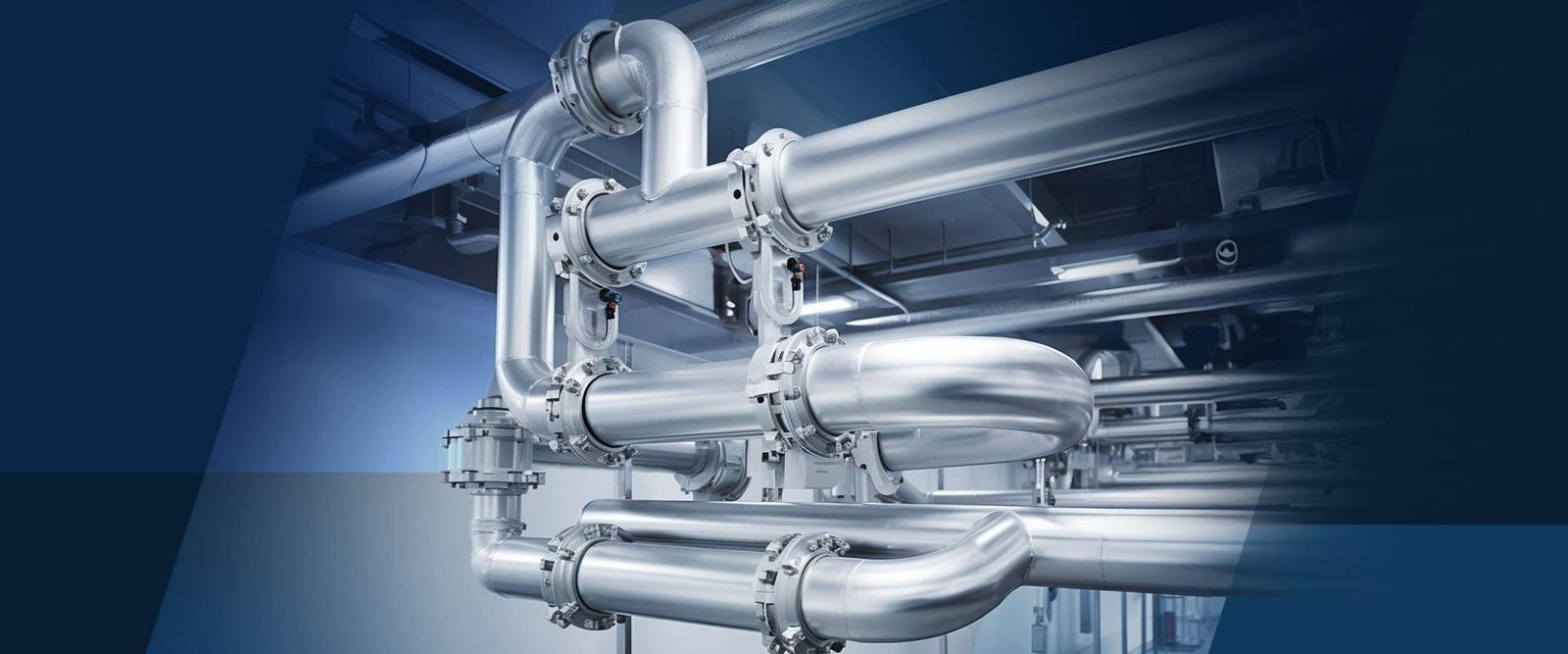
DLSS offers a complete stainless steel piping solution, including seamless pipes, fittings, flanges, and documentation services tailored to global project requirements.


Why Choose a Complete Package?

Traditional sourcing involves multiple suppliers, each with different standards, lead times, and documentation. This increases:

  • Coordination effort
  • Quality inconsistency
  • Project delay risks
  • Inspection & logistics complexity

DLSS simplifies this by providing:

  • Unified quality system (ISO 9001, PED, EN 10204 3.1/3.2)
  • Full traceability and certification
  • Single-point delivery with packaging, bundling, and marking
  • Experience in project orders across South America, Southeast Asia, and the Middle East
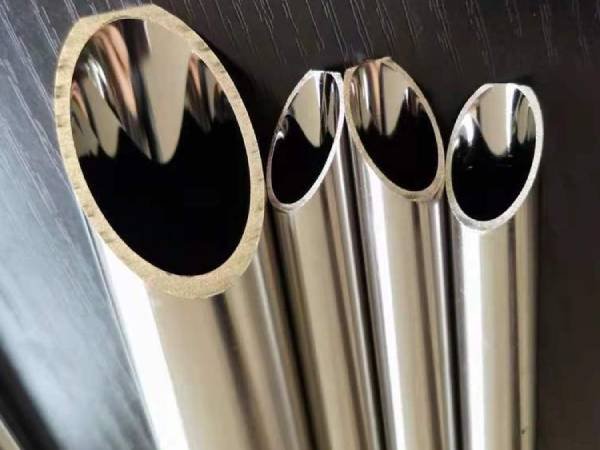
ASTM A270 vs ASME BPE: Understanding the Difference in Sanitary Tubing Standards

DLSS Product Scope

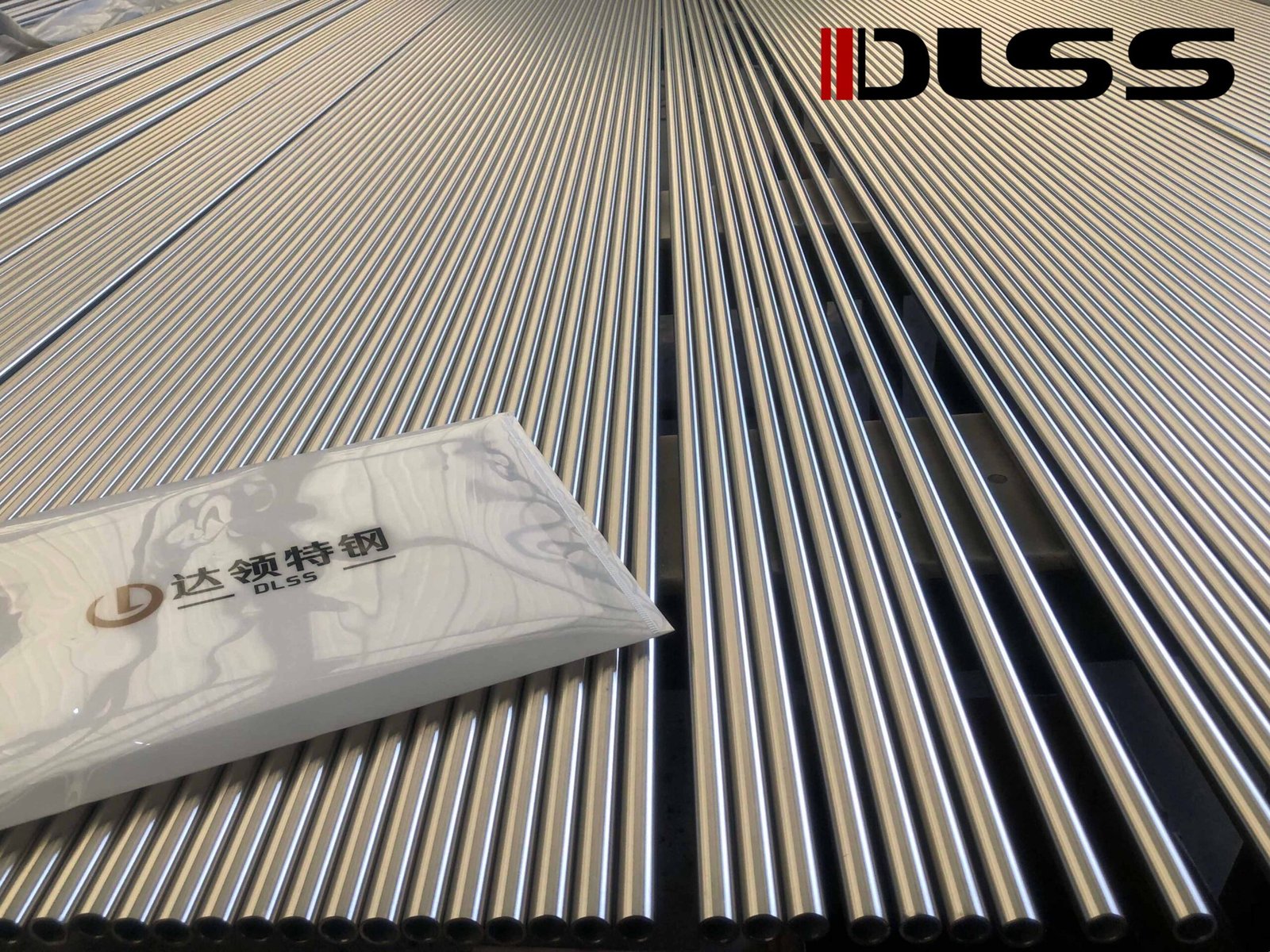
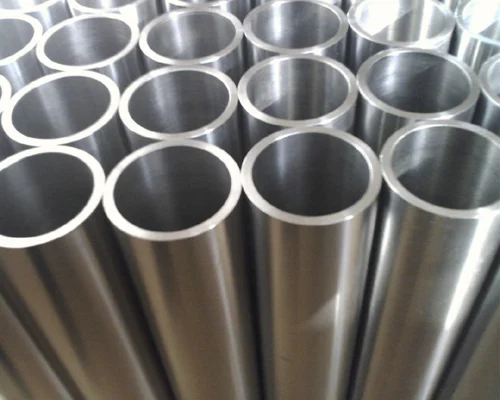
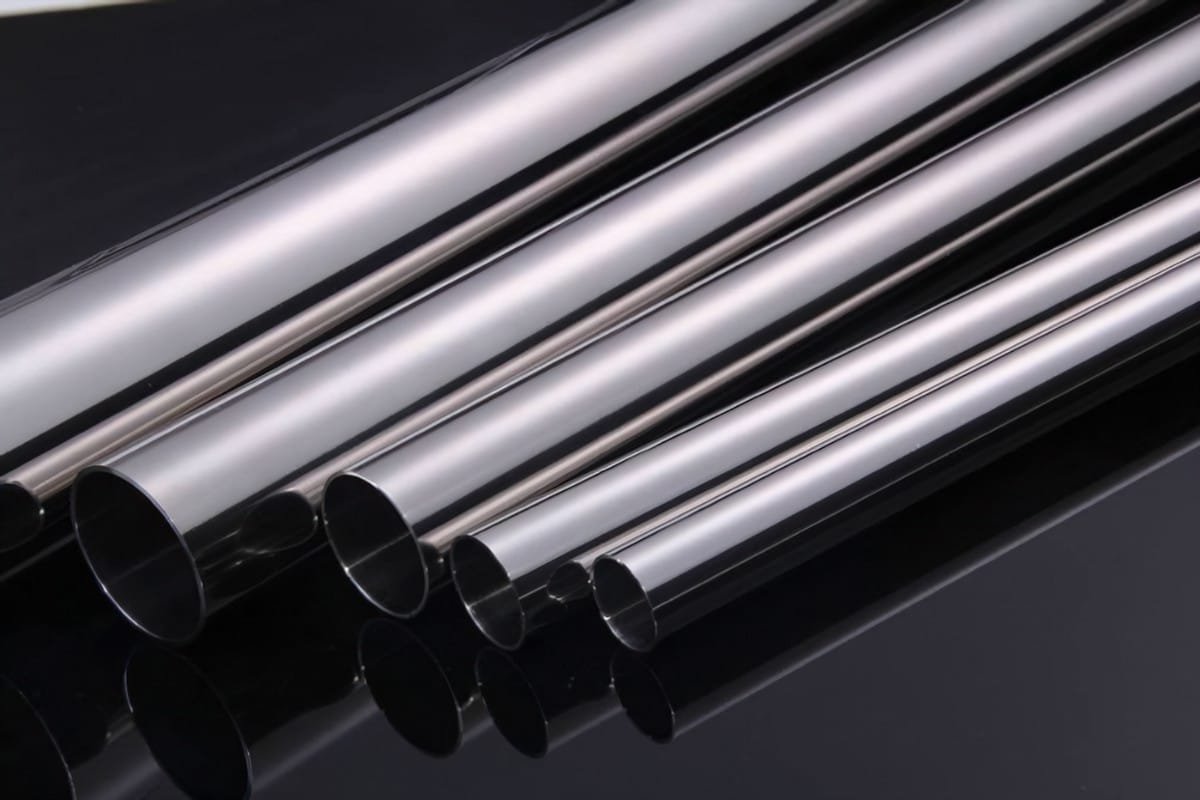
Stainless Steel Seamless Pipes

  • OD: 6 mm – 114.3 mm, WT: 0.8 mm – 8 mm
  • Standards: ASTM A312, A213, EN 10216-5
  • Grades: TP304/304L, TP316/316L, TP321, TP347H, Duplex S31803, 904L

Stainless Steel Fittings

  • Types: Elbows (90°, 45°), Tees, Reducers, Caps
  • Standards: ASME B16.9, MSS SP-43
  • Sizes: 1/2” to 24”, SCH 10–160
  • Manufacturing: Cold forming + solution annealing

Stainless Steel Flanges

  • Types: Weld Neck, Slip-On, Blind, Threaded, Lap Joint
  • Standards: ASME B16.5, EN 1092-1, DIN, JIS
  • Materials: A182 F304/316, F316L, F321, F51

Project Service Workflow

  1. Technical Confirmation: Review of specs, grades, dimensions, tolerances
  2. Third-Party Inspection: SGS, BV, TUV, or customer-nominated agencies
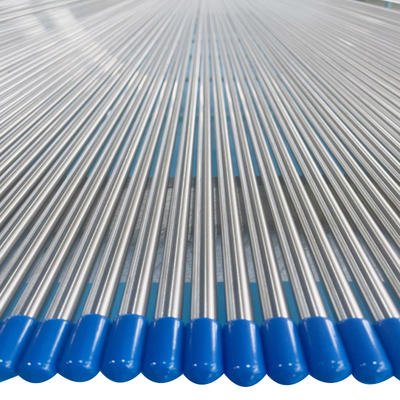
  3. Packaging: Wood cases, HDPE caps, marking with QR code traceability
  4. Documentation: Material Test Certificate (MTC), dimensional reports, welding & NDT records
  5. Shipping: CIF or FOB to ports in Brazil, Chile, Peru, Colombia, or Argentina
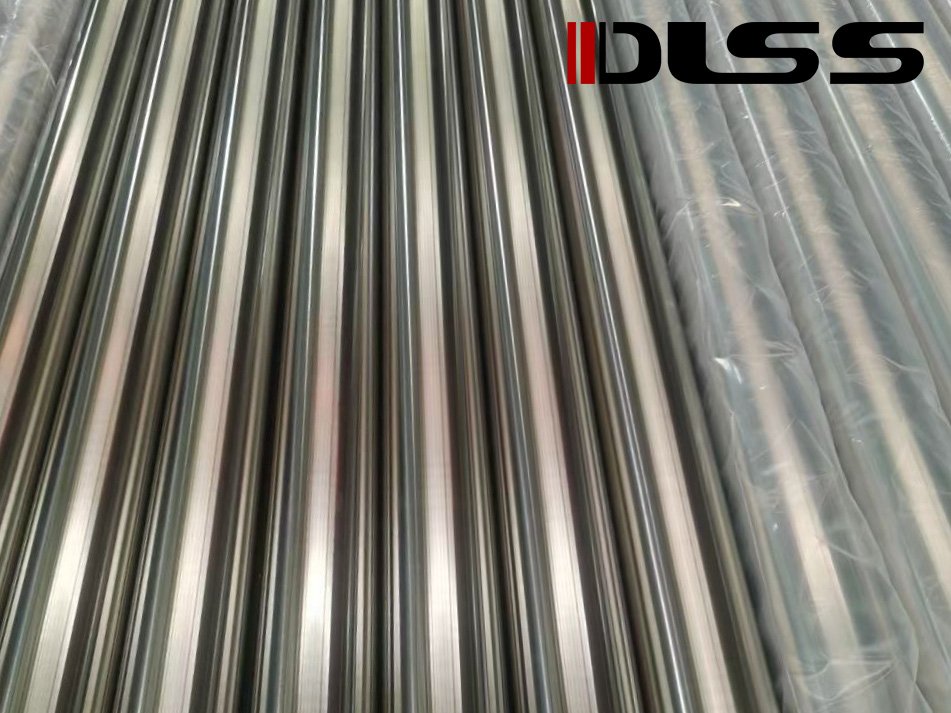
Case Study: Brazil Chemical Facility

In 2022, DLSS supplied a full stainless steel piping package to a chlor-alkali plant in São Paulo. The order included:

  • 35 tons of TP316L seamless pipes
  • 900+ ASME B16.5 flanges
  • 600 fittings (elbows, tees, reducers)
  • All items passed PMI and hydro test under SGS inspection

The client praised DLSS for shortening the procurement cycle by 20% through integrated delivery.


Frequently Asked Questions

Q: Can DLSS coordinate mixed material projects (pipes + fittings + flanges)?
Yes. We offer bundled packing and ensure matching standards across all items.

Q: Are your products suitable for NACE MR0175 or sour service?
Yes, we can provide NACE-compliant materials with full documentation.

Q: Do you support 3.2 certification for European projects?
Yes, with Lloyd’s, DNV, or customer-appointed inspection agencies.


Conclusion

For EPC projects, process system builders, and global contractors, DLSS delivers more than products—we deliver peace of mind. From stainless pipes to complete connection systems, our expertise helps you reduce risk, control cost, and deliver excellence on schedule.


Contact DLSS
Email: info@dlsspipe.com
Website: www.dlsspipeline.com

Wonderful! Share This Case:

Austenitic Stainless Steel

Duplex Stainless Steel

Nickel Alloys

▪ Incoloy Family

▪ Inconel Family

▪ Monel Family

▪ Hastelloy Family

▪ Other Special Alloys

Cobalt Alloys

Related Posts

Why NACE MR0175 & ISO 15156 Matter When Sourcing Tubes for Sour Service

Why NACE MR0175

Meta Description:Learn why compliance with NACE MR0175 / ISO 15156 is essential when selecting stainless steel or alloy tubes for sour gas environments. Understand testing, materials selection, and DLSS compliance offerings. Introduction In oil and gas applications—especially those involving sour service environments with hydrogen sulfide (H₂S)—selecting the wrong material can...

Read More

How to Ensure

Introduction Sour gas environments—containing hydrogen sulfide (H₂S)—pose one of the greatest challenges for stainless steel tubes in the oil and gas industry. The presence of H₂S increases the risk of sulfide stress cracking (SSC) and hydrogen-induced cracking (HIC), which can lead to catastrophic failures if materials are not selected and...

Read More
Stainless steel seamless bright tube

5 Key Factors

Introduction Choosing the right stainless steel heat exchanger tube is critical to ensuring long-term performance, safety, and efficiency—especially in industries like petrochemical, power generation, and marine engineering. At DLSS, we’ve supported projects in over 35 countries and understand what matters most when it comes to tube selection. In this article,...

Read More

ISO 2037 Sanitary

ISO 2037 sanitary tube is a common term in food, beverage and hygienic piping projects. Many old drawings, RFQs and equipment lists still mention ISO 2037. Buyers may also use this term when they need stainless steel sanitary tubes for dairy lines, beverage lines, food processing systems or clean process...

Read More
Why Stainless Steel Tube Grain Size Matters in Heat Exchanger Applications

Grain Size Requirements

For stainless steel heat exchanger tubes, grain size is not always the first item buyers mention in an RFQ. Most projects start with grade, outside diameter, wall thickness, length, heat treatment, surface finish, and testing requirements. However, in high-specification heat exchanger projects, grain size can become an important quality factor....

Read More
Selecting Stainless Steel Tubes for Boilers and High-Temperature Heaters (2025 Guide)

Selecting Stainless Steel

Why High-Temperature Applications Require Specialized Tubes Boilers, reheaters, and furnace coils operate in environments that push materials to their thermal limits. Stainless steel tubes used in these systems must withstand continuous exposure to temperatures ranging from 500°C to over 1000°C, while also resisting oxidation, creep deformation, and thermal fatigue. Without...

Read More
How Long Do Stainless Steel Seamless Pipes Last? Lifespan, Factors, and Best Practices

How Long Do

Introduction Stainless steel seamless pipes are widely known for their long service life, but just how long can they last? Under ideal conditions, seamless stainless steel pipes can last 50 years or more. However, actual lifespan depends on factors such as: In this article, we explore realistic service life expectations,...

Read More
Hygienic Stainless Steel Seamless Tubes for Food and Pharmaceutical Industries in South America

Hygienic Stainless Steel

Hygienic stainless steel tubes are used in clean process systems. They are common in food, beverage, dairy, cosmetics, biotechnology, and pharmaceutical plants. These systems need clean inner surfaces, good corrosion resistance, and safe material traceability. For buyers, tube selection is not only about size and price. The key question is:...

Read More

Request A Quote

*We respect your confidentiality and all information are protected.