How to Select the Right Stainless Steel Seamless Pipe for Projects in South America

DLSS - Pipe&Tube - How to Select the Right Stainless Steel Seamless Pipe for Projects in South America

Introduction

South America is home to diverse industries—from refineries in Brazil to mining operations in Chile, and LNG terminals in Colombia. Each project comes with its own environmental, technical, and regulatory challenges.

Choosing the wrong pipe material or finish can result in:

  • Premature corrosion
  • Certification failure
  • Customs clearance delays

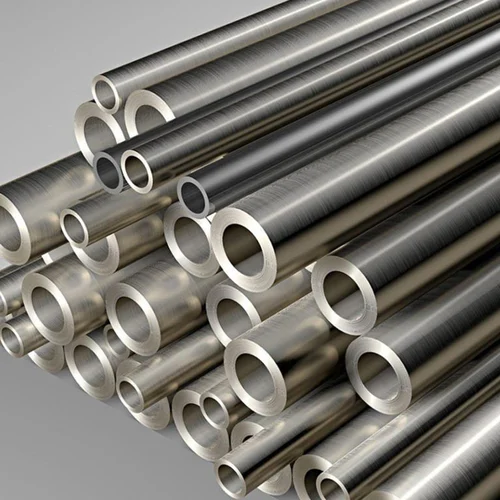
This article offers a practical guide for EPC contractors, engineers, and procurement teams on how to select the right seamless stainless steel pipe for projects in South America.
How to Select the Right Stainless Steel Seamless Pipe for Projects in South America

1. Match Pipe Grade to Application Environment

EnvironmentRecommended GradeWhy
High chloride (coastal, seawater)Duplex 2205, Alloy 625Pitting and SCC resistance
Food or ethanol processingTP316L, TP304LCleanability, corrosion resistance, weldability
Steam boilers or superheatersTP347HCreep resistance at high temperature
Acid recovery / sour gasIncoloy 825, TP317LExcellent resistance to H₂SO₄, HCl, H₂S
Mining (abrasive + acidic slurry)Super Duplex, 2205High strength and corrosion in harsh fluids

2. Understand Local Certification Needs

Most South American projects now require:

  • EN 10204 3.1 or 3.2 certificates
  • Compliance with NACE MR0175 / ISO 15156 for oil & gas
  • ASTM A213, A312, A269, or A270 dimensional and chemical standards
  • Optional: ASME B31.3 / B31.1 piping design basis

Third-party inspections by SGS, BV, TÜV are often mandatory in refineries and power plants.
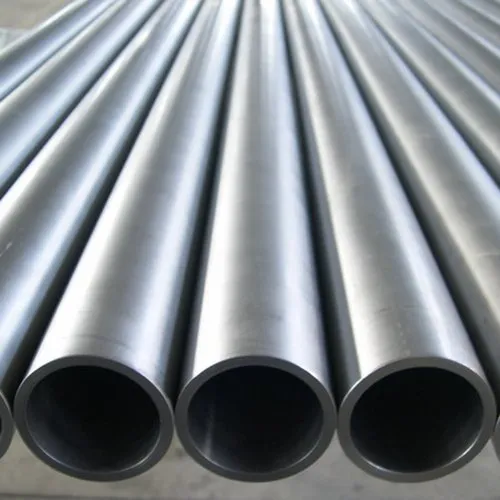
steel demand Global Market Outlook for Stainless Steel Seamless Pipes (2025–2030)

3. Choose the Right Surface Finish

ApplicationPreferred Surface Finish
Food-grade pipingBA (Bright Annealed) or EP
LNG, clean servicePickled + nitrogen purge sealed
Chemical & power plantsStandard pickled, BA optional
Pharmaceutical/biotechElectropolished (EP), ID ≤ 0.4 µm

Smooth internal surfaces reduce fouling, enhance flow efficiency, and ease cleaning validation.


4. Consider Transit and Export Needs

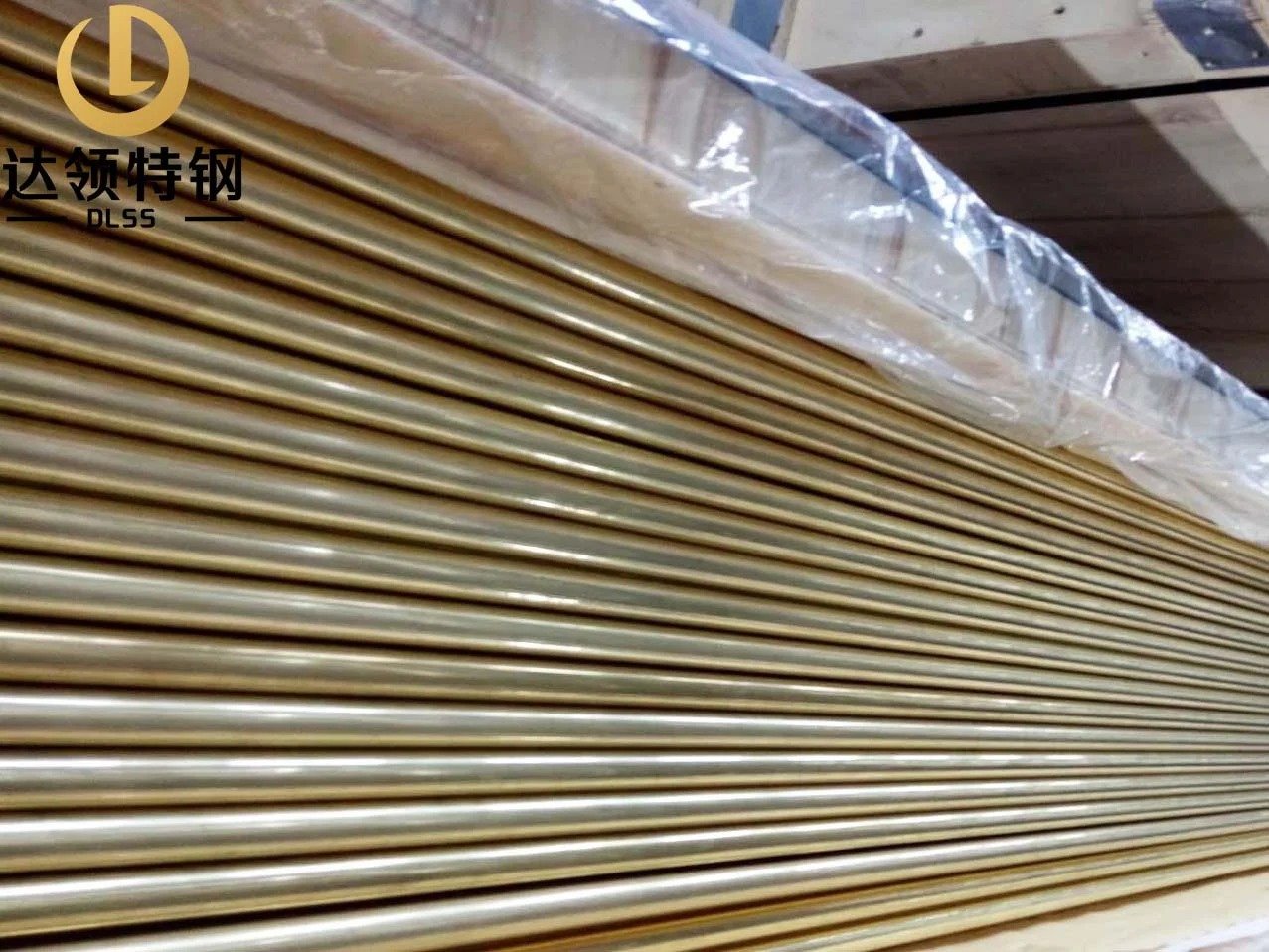
  • Specify sealed ends, plastic caps, dry packaging
  • Use wooden crates or PE-wrap bundles for protection
  • Ensure MTCs include dual language (English/Spanish)
  • Confirm HS code and steel origin for customs declarations
  • Arrange pre-shipment inspection or video QC if no in-person visit

DLSS supports direct delivery to Santos, Callao, Buenos Aires, Cartagena, and other South American ports.


5. Common Mistakes to Avoid

  • Selecting TP304L for coastal plants (risk of pitting)
  • Not verifying 3.2 requirement in tender stage
  • Failing to provide EC or PMI results for pressure tubing
  • Overlooking oxygen-sensitive ID protection in LNG service
  • Using decorative-grade A554 tubing for pressure systems
How to Select the Right Stainless Steel Seamless Pipe for Projects in South America

Frequently Asked Questions (FAQ)

Q1: Can I use TP316L for both ethanol and seawater?
TP316L is good for ethanol systems, but may be inadequate in seawater. Use Duplex or higher alloys near the coast.

Q2: What’s the lead time for 3.2-certified tubes to South America?
DLSS typically arranges inspection within 2–3 working days after testing. Port shipment lead time varies from 25–40 days.

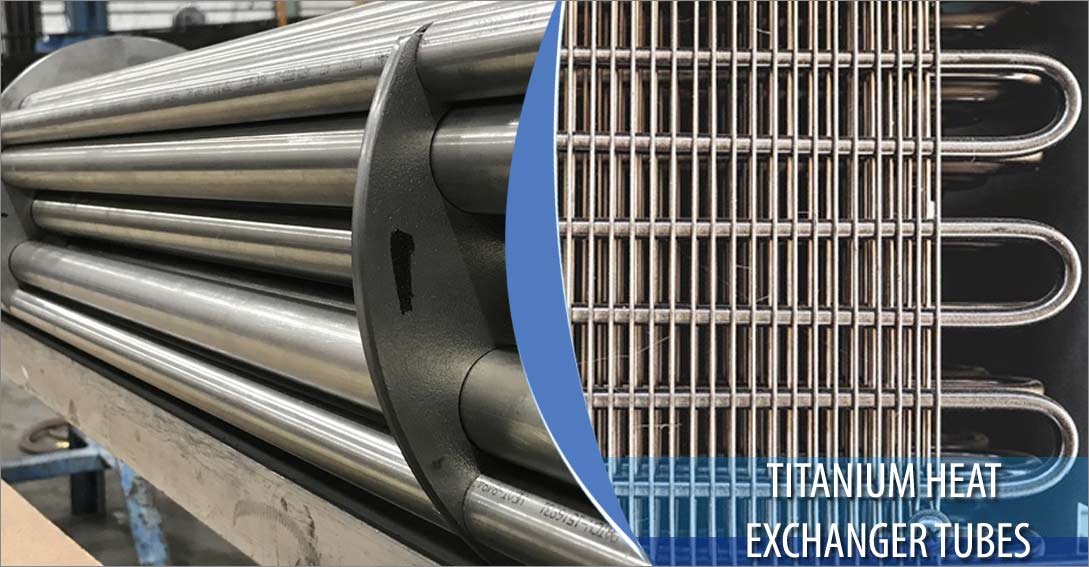
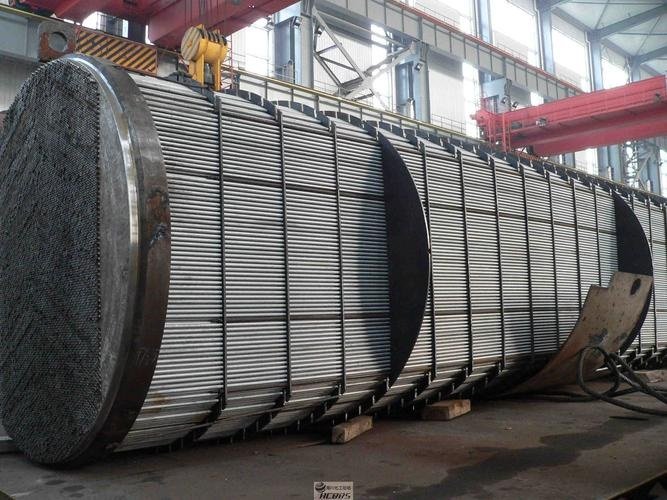
Q3: Can DLSS customize length or U-bend for heat exchangers?
Yes. We support fixed-length, cut-to-order, and U-bend fabrication with proper inspection and marking.

Q4: What if my client changes spec after PO?
We offer flexible change control before inspection or shipping, with revised documentation and labeling if needed.
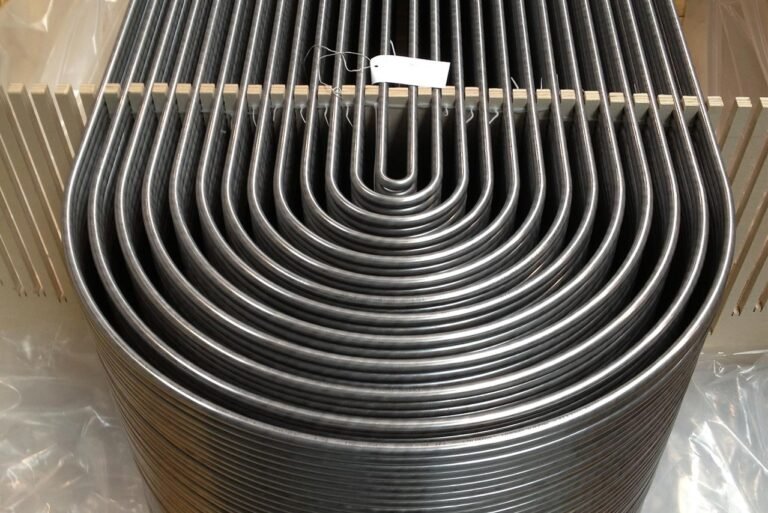
U-Bend Stainless Steel Tubes: Design, Manufacturing and Application in Heat Exchangers

Conclusion

South American projects require grade-specific, inspection-ready, and logistics-friendly stainless steel pipe solutions.
By working with a supplier familiar with regional demands, like DLSS, your team gains reliability, certification support, and competitive delivery timelines.


Contact DLSS
Email: info@dlsspipe.com
Website: www.dlsspipeline.com

Wonderful! Share This Case:

Austenitic Stainless Steel

Duplex Stainless Steel

Nickel Alloys

▪ Incoloy Family

▪ Inconel Family

▪ Monel Family

▪ Hastelloy Family

▪ Other Special Alloys

Cobalt Alloys

Related Posts

How to Interpret EN 10204 3.1 and 3.2 Material Certificates in Industrial Audits

EN 10204 3.1

Many buyers ask for EN 10204 3.1 or 3.2 certificates when buying stainless steel tubes. But not every buyer knows the real difference. This difference is important. If the wrong certificate type is selected, the project may face delay, extra cost, or end-user rejection. For stainless steel tube projects, a...

Read More
TP904L Stainless Pipes for Seawater Desalination in Japan – 日本海水淡水化向けTP904Lステンレス管

TP904L Stainless Pipes

Introduction Japan’s seawater desalination plants operate in highly corrosive environments due to the presence of chlorides and high salinity. TP904L stainless pipes from DLSS offer superior resistance to pitting and crevice corrosion, making them an ideal choice for JIS G3459 – Stainless Steel Pipes for Corrosion Resistance compliance in marine...

Read More
ASTM Standards for Nickel and Titanium Pipes: A Complete Guide

ASTM Standards for

1. Introduction When sourcing nickel alloy and titanium pipes for chemical plants, desalination projects, or power plants, compliance with ASTM standards is a key requirement. ASTM (American Society for Testing and Materials) specifications define the chemical composition, mechanical properties, testing, and delivery conditions for these critical materials. This article provides...

Read More
Nickel Alloys vs Stainless Steel Tubes – When and Why to Choose Each

Nickel Alloys vs

Introduction In critical industries like oil & gas, chemical processing, power generation, and aerospace, choosing between stainless steel tubes and nickel alloy tubes can be the deciding factor in system reliability and longevity. This article explains the differences in composition, corrosion resistance, heat resistance, and cost between these two families...

Read More

Welded vs. Seamless

Choosing between welded and seamless tubes can impact your heat exchanger’s performance, durability, and cost. While both have their place, understanding their differences helps engineers and purchasers make informed decisions. In this blog, we compare these two types of stainless steel tubes and highlight where each one excels. 1. Manufacturing Process This difference affects...

Read More
Material Selection for Seawater-Cooled Heat Exchangers: What Engineers Must Consider

Material Selection for

Seawater is one of the most aggressive environments for heat exchanger systems. High levels of chlorides, biofouling, and oxygenated saline water create ideal conditions for pitting, crevice corrosion, and stress corrosion cracking (SCC). Choosing the wrong material for tubes in seawater-cooled heat exchangers can lead to early failure, frequent maintenance,...

Read More
EN vs ASTM Standards for Stainless Steel Tubes – What’s the Difference and How to Choose?

EN vs ASTM

Introduction Global industrial projects often involve suppliers and clients from different regions—especially Europe, America, and Asia. As a result, you may encounter both ASTM and EN standards when sourcing stainless steel seamless tubes. Understanding how these standards differ helps ensure proper specification alignment, regulatory compliance, and performance reliability. 1. Overview:...

Read More
india-manufacturing-export-impact-stainless-steel-supply

Guía logística: Cómo

Meta descripción:¿Está planeando exportar tubos de acero inoxidable a Sudamérica? Esta guía explica cómo preparar documentación, embalaje e inspección para asegurar una entrega rápida y conforme a puertos de Brasil, Argentina, Chile, Colombia y más. 1. Introducción Sudamérica es una de las regiones de más rápido crecimiento en la demanda...

Read More

Request A Quote

*We respect your confidentiality and all information are protected.