Low-Fin Tubes: Compact Heat Transfer Solutions for Refrigeration and HVAC

DLSS - Finned Tube Knowledge Hub - Low-Fin Tubes: Compact Heat Transfer Solutions for Refrigeration and HVAC

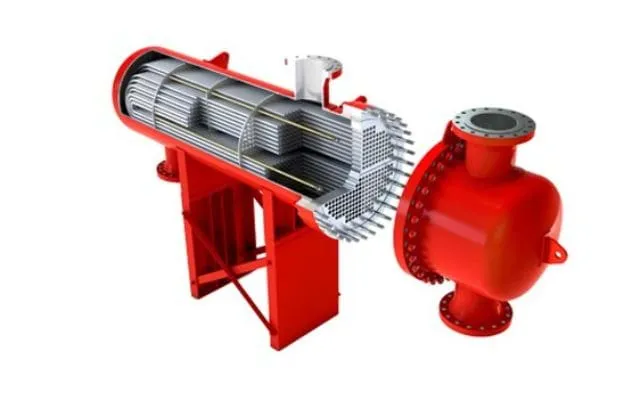
Low-fin tubes are designed to improve heat transfer efficiency while maintaining a compact design, making them ideal for applications where space and weight are limited. These tubes feature external fins with a low height, which increases the surface area for heat exchange without significantly increasing the overall size.

For a broader look at finned tube designs, see our Different Types of Finned Tubes and Their Applications. To compare with larger fin configurations, check High-Frequency Welded Finned Tubes: Advantages and Ideal Applications.


How Low-Fin Tubes Are Made

Low-fin tubes are typically manufactured by rolling fin profiles directly onto the surface of a plain tube. This creates:

  • Enhanced outer surface area for better heat transfer
  • Minimal impact on fluid-side pressure drop
  • Good mechanical strength

Key Advantages

  1. Compact Design – Ideal for space-constrained installations.
  2. High Efficiency – Increased heat transfer without large equipment footprint.
  3. Versatile Applications – Suitable for both condensation and evaporation processes.
  4. Material Flexibility – Available in copper, stainless steel, titanium, and other alloys.

Ideal Applications

  • Refrigeration Systems – Evaporators and condensers in commercial refrigeration units.
  • HVAC Chillers – Compact cooling coils in air-conditioning systems.
  • Heat Pumps – Space-saving heat exchange solutions.
  • Marine HVAC Systems – Where corrosion resistance and compactness are key.

Maintenance and Performance

To ensure long-term performance:


Conclusion

Low-fin tubes are an excellent choice for engineers who need to balance high heat transfer efficiency with limited installation space. Their compact design, durability, and versatility make them essential in modern refrigeration and HVAC systems.

DLSS offers customized low-fin tube solutions for diverse industries, with options for material, fin profile, and coating to suit specific operating conditions.

Contact us today at www.dlsspipeline.com or email info@dlsspipe.com to discuss your project requirements and get a tailored quote.

Wonderful! Share This Case:

Austenitic Stainless Steel

Duplex Stainless Steel

Nickel Alloys

▪ Incoloy Family

▪ Inconel Family

▪ Monel Family

▪ Hastelloy Family

▪ Other Special Alloys

Cobalt Alloys

Related Posts

U-Bend Stainless Steel Tubes: Design, Manufacturing and Application in Heat Exchangers

U-Bend Stainless Steel

Introduction U-bend stainless steel tubes are a core component in shell-and-tube heat exchangers, used in power plants, refineries, LNG terminals, and petrochemical plants. Their precise bending, dimensional accuracy, and resistance to thermal fatigue directly impact the longevity and performance of the equipment. This article explores the full lifecycle of U-bend...

Read More

5 Common Causes

Heat exchanger tube failure can lead to system shutdowns, costly repairs, and even safety risks. Understanding the causes can help prevent future problems. In this article, we’ll cover the 5 most common reasons tubes fail—and how choosing the right materials and surface treatment can make all the difference. 1. Pitting...

Read More

How to Choose

Stainless steel tubes are commonly used in heat exchanger systems because they are corrosion-resistant and have a long lifespan. However, how do you choose the right stainless steel tube? This article will help you understand the key factors to consider when selecting stainless steel tubes. 1、Material Grade Stainless steel tubes are...

Read More
Hygienic Stainless Steel Seamless Tubes for Food and Pharmaceutical Industries in South America

Hygienic Stainless Steel

Hygienic stainless steel tubes are used in clean process systems. They are common in food, beverage, dairy, cosmetics, biotechnology, and pharmaceutical plants. These systems need clean inner surfaces, good corrosion resistance, and safe material traceability. For buyers, tube selection is not only about size and price. The key question is:...

Read More
fraudulent steel suppliers in China

Beware of Fraudulent

In recent months, several cases have surfaced regarding fraudulent activities among certain steel and metal material suppliers in China. One particular case highlights the risks faced by overseas buyers when dealing with unreliable companies. Case Study: Brazilian Importer Defrauded In April and May 2025, a Brazilian company reported that it...

Read More
The Role of Heat Treatment in Stainless Steel Tube Manufacturing

The Role of

Introduction Heat treatment is not just a step in the production of stainless steel tubes—it is a fundamental quality determinant that affects corrosion resistance, mechanical strength, and long-term reliability. Whether you’re sourcing ASTM A213 heat exchanger tubes, duplex stainless pipes, or nickel alloy tubes, understanding the heat treatment process will...

Read More
How to Interpret EN 10204 3.1 and 3.2 Material Certificates in Industrial Audits

EN 10204 3.1

Many buyers ask for EN 10204 3.1 or 3.2 certificates when buying stainless steel tubes. But not every buyer knows the real difference. This difference is important. If the wrong certificate type is selected, the project may face delay, extra cost, or end-user rejection. For stainless steel tube projects, a...

Read More
How to Interpret a Stainless Steel Mill Test Certificate (MTC)

How to Interpret

When importing stainless steel pipes and tubes, one of the most important documents is the Mill Test Certificate (MTC). This document provides traceability and guarantees that the materials meet international standards. However, many buyers are not fully familiar with how to read and interpret an MTC correctly. In this article,...

Read More

Request A Quote

*We respect your confidentiality and all information are protected.