TP321 Heat Exchanger Tubes for High-Temperature Japanese Applications – 日本高温用途向けTP321熱交換器チューブ

DLSS - Market Insights – Japan - TP321 Heat Exchanger Tubes for High-Temperature Japanese Applications – 日本高温用途向けTP321熱交換器チューブ

Introduction

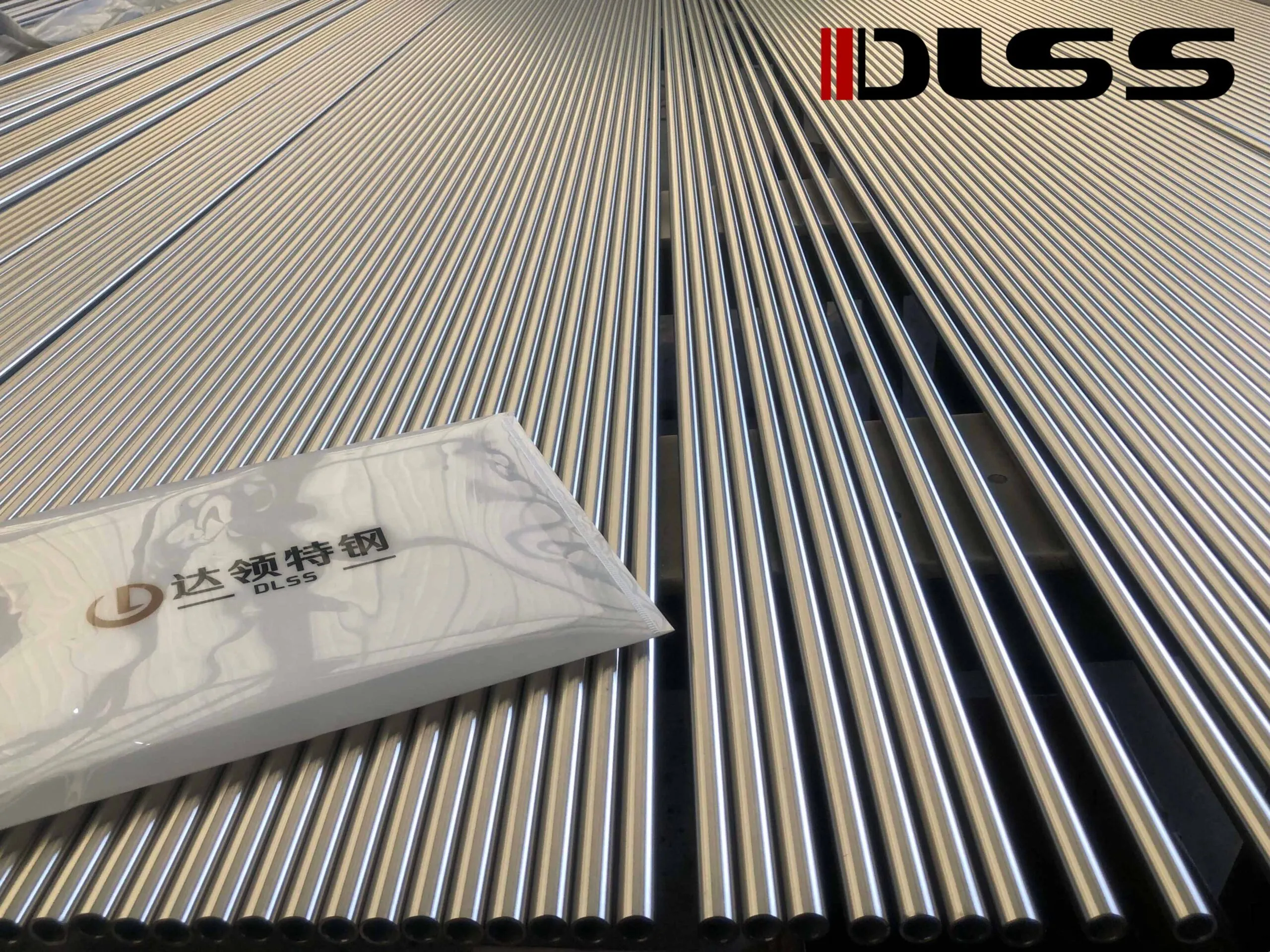
Japanese industries such as power generation, petrochemicals, and marine engineering often require high-temperature-resistant stainless steel tubes. TP321 heat exchanger tubes from DLSS meet JIS G3463 – Stainless Steel Boiler and Heat Exchanger Tubes, providing exceptional stability against oxidation and creep at elevated temperatures.


1. Why TP321 for High-Temperature Applications(高温用途でTP321が選ばれる理由)

  • Titanium Stabilization – prevents carbide precipitation during prolonged heating
  • Superior Oxidation Resistance – withstands up to 870°C continuous service
  • Creep Strength – ideal for boilers, superheaters, and high-pressure heat exchangers

2. JIS-Compliant Manufacturing for Japan(日本規格準拠の製造)

DLSS produces JIS-certified TP321 tubes with:

  • Precise wall thickness control (±10%)
  • 100% non-destructive testing (NDT)
  • Mill Test Certificates showing chemical & mechanical compliance

3. Common Applications in Japan(日本での主な用途)

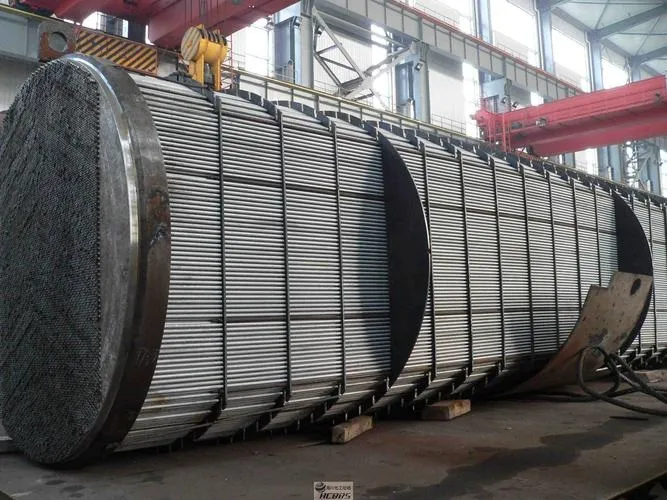
  • High-temperature heat exchangers in thermal power plants
  • Waste heat recovery systems
  • Petrochemical process heaters
  • Marine exhaust gas boilers

4. Packaging & Export(梱包と輸出)

We ensure TP321 tubes arrive in perfect condition through:


5. DLSS Advantages for Japanese Clients(日本向けDLSSの強み)

  • Over 30 years of manufacturing expertise
  • Flexible production for small or large batch orders
  • Close cooperation with Japanese EPC contractors and plant owners

FAQ(よくある質問)

Q1: Which JIS standard applies to TP321 heat exchanger tubes?
A1: JIS G3463 – Stainless Steel Boiler and Heat Exchanger Tubes is the primary standard.

Q2: What’s the main difference between TP321 and TP304 for heat exchanger use?
A2: TP321 contains titanium, which enhances resistance to intergranular corrosion at high temperatures.

Q3: Can DLSS provide TP321 tubes with both JIS and ASTM A213 certification?
A3: Yes, we regularly supply dual-certified tubes for global project compatibility.

Q4: What is the maximum service temperature for TP321 tubes?
A4: Continuous service up to 870°C, intermittent service up to 925°C.

Q5: What is the typical delivery time for TP321 tubes to Japan?
A5: 40–50 days from order confirmation, depending on quantity and specifications.

Wonderful! Share This Case:

Austenitic Stainless Steel

Duplex Stainless Steel

Nickel Alloys

▪ Incoloy Family

▪ Inconel Family

▪ Monel Family

▪ Hastelloy Family

▪ Other Special Alloys

Cobalt Alloys

Related Posts

Stainless Steel Tubes for Desalination Plants: What You Need to Know

Stainless Steel Tubes for Desalination

Meta Description:Explore why stainless steel tubes are essential in desalination plants. Understand material selection, corrosion resistance, and DLSS’s tubing solutions for seawater applications. Introduction As global freshwater demand surges, desalination—the process of turning seawater into potable water—is expanding rapidly. But desalination environments are among the most corrosive and challenging in industrial processing. To withstand high […]

Read More
What’s the Difference Between TP304, TP316, TP321, and Other Stainless Steel Tube Grades?

What’s the Difference Between TP304,

Meta Description:Explore the key differences between TP304, TP316, TP321, and other stainless steel tube grades. Learn how to choose the right material based on corrosion resistance, temperature, mechanical strength, and compliance with ASTM and EN standards. Introduction Choosing the correct stainless steel tube grade is crucial for ensuring performance, longevity, and regulatory compliance in industries […]

Read More
EN vs ASTM Standards for Stainless Steel Tubes – What’s the Difference and How to Choose?

EN vs ASTM Standards for

Meta Description:Explore the key differences between EN and ASTM standards for stainless steel tubes. Understand specifications, testing requirements, tolerances, and how to choose the right standard for your project. Introduction Global industrial projects often involve suppliers and clients from different regions—especially Europe, America, and Asia. As a result, you may encounter both ASTM and EN […]

Read More
Green Energy and ESG: How Sustainability Is Reshaping the Stainless Steel Seamless Tube Market

Green Energy and ESG: How

The stainless steel seamless tube industry is undergoing a quiet but profound transformation—not just driven by technical demands, but by Environmental, Social, and Governance (ESG) goals and the global energy transition. As governments, investors, and end-users demand cleaner, longer-lasting, and traceable materials, tube manufacturers are under growing pressure to reduce carbon footprint, improve transparency, and […]

Read More
africa-refinery-power-projects-stainless-steel-demand

Africa’s Refining and Power Surge:

Africa is undergoing a once-in-a-generation infrastructure transformation. New refineries, LNG terminals, combined cycle power plants, and mining developments are emerging across Nigeria, Egypt, Algeria, Angola, Kenya, and beyond. For stainless steel tube and pipe suppliers, this is not just a trend—it’s a new frontier. The continent’s demand for high-quality industrial piping, heat exchanger tubes, and […]

Read More
Stainless Steel Seamless Pipes for Mining and Metallurgy Projects in South America

Stainless Steel Seamless Pipes for

Meta Description:Discover how stainless steel seamless tubes support high-performance mining and metallurgy operations across Chile, Peru, and Brazil. Learn about corrosion resistance, mechanical strength, and industry standards. Introduction South America is home to some of the world’s most significant mining and metallurgical hubs, particularly in Chile, Peru, and Brazil. With growing global demand for copper, […]

Read More

How Precision Stainless Steel Tubes

In high-demand industrial environments, precision stainless steel tubing is more than just a conduit—it plays a critical role in enhancing the overall efficiency and stability of a system. This article delves into how precision stainless steel tubes contribute to improving industrial system performance. The Importance of Precision Tubing 1、Enhanced Heat Transfer Efficiency The smoothness of a stainless […]

Read More
How to Interpret a Stainless Steel Mill Test Certificate (MTC)

How to Interpret a Stainless

Meta Description:Learn how to read and understand a stainless steel Mill Test Certificate (MTC). This guide explains MTC format, content, EN 10204 types, and what to verify before accepting a shipment. Introduction A Mill Test Certificate (MTC), also known as a Material Test Report (MTR), is a quality assurance document provided by the manufacturer. It […]

Read More

Request A Quote

*We respect your confidentiality and all information are protected.