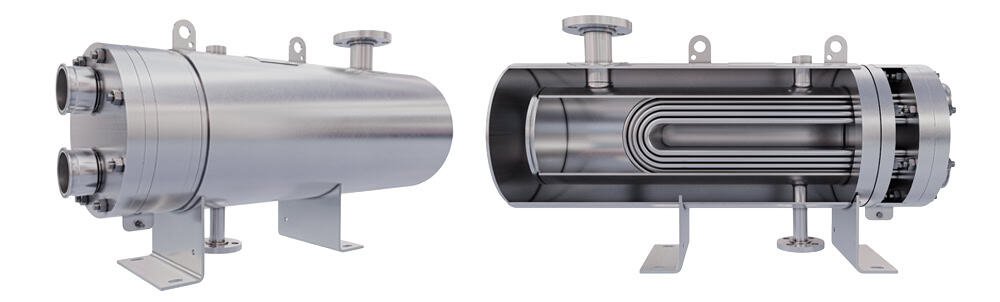
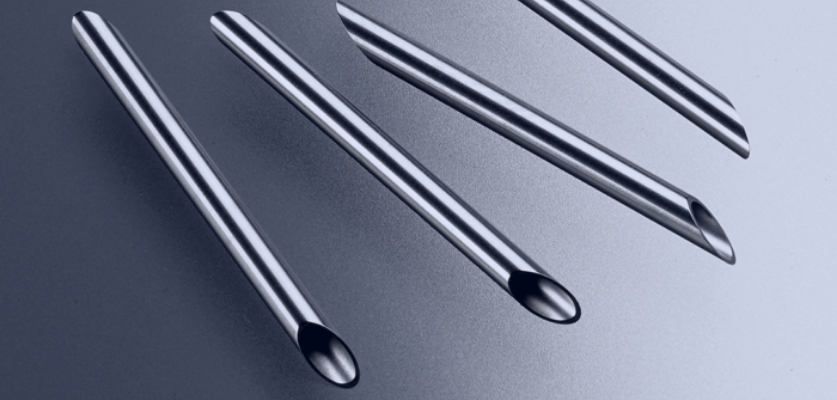
Low Finned Tubes in Duplex Steel for High-Efficiency Heat Exchangers

DLSS - Pipe&Tube - Low Finned Tubes in Duplex Steel for High-Efficiency Heat Exchangers

Introduction

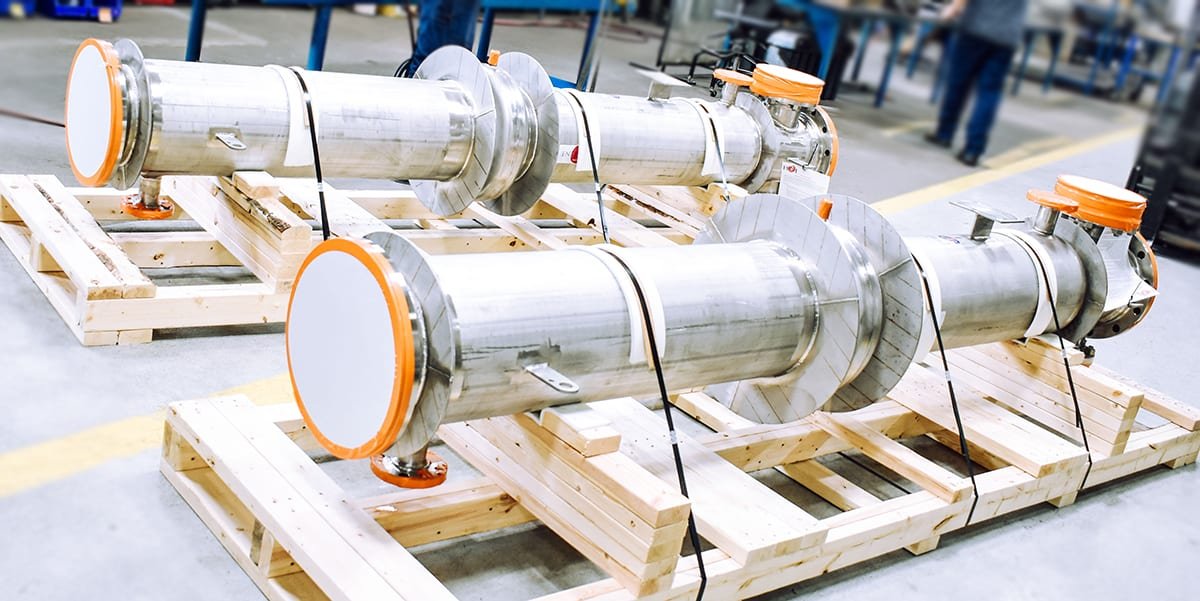
Heat exchangers play a critical role in maximizing thermal performance across industries such as geothermal energy, petrochemical, and power generation. Among the different tube designs, low finned tubes stand out as a proven solution to increase the surface area and improve heat transfer efficiency without requiring more installation space. Recently, a customer presented us with a highly technical requirement for duplex steel low finned tubes — an excellent example to illustrate how advanced materials and precision manufacturing meet the needs of demanding projects.


Typical Customer Requirement for Low Finned Tubes

The customer requested the following specification:

  • Material: ASME SA789 S32205 Duplex
  • Outside Diameter (OD): 19.05 mm
  • Minimum Wall Thickness: 1.65 mm
  • Fin Thickness: 0.33 mm
  • Fin Height: To be optimized based on operating conditions
  • Fins per Unit Length: 1023.6 fins/meter
  • Tube Length: 17,500 mm
  • Unfinned Ends: 113 mm at each side
  • Quantity: 3,500 pieces

This configuration highlights how customers are focusing on both durability and efficiency in high-pressure and high-corrosion environments.
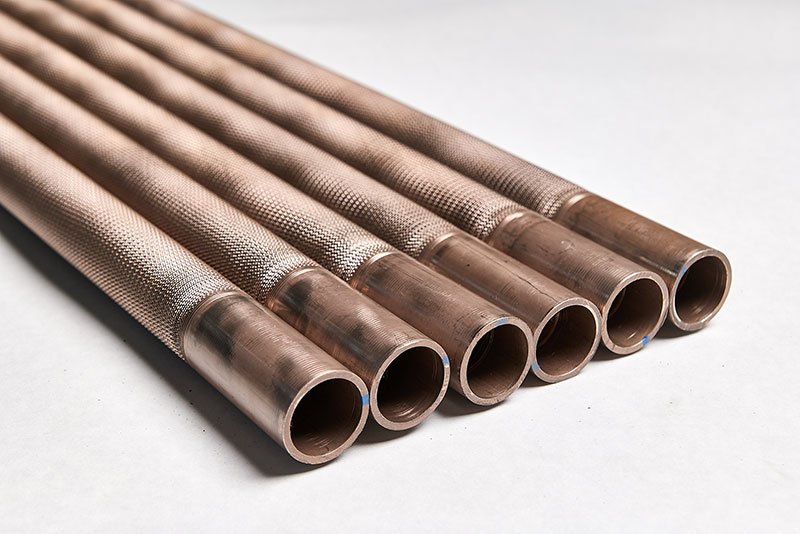
Low-Fin Tubes: Compact Heat Transfer Solutions for Refrigeration and HVAC

Why Low Finned Tubes?

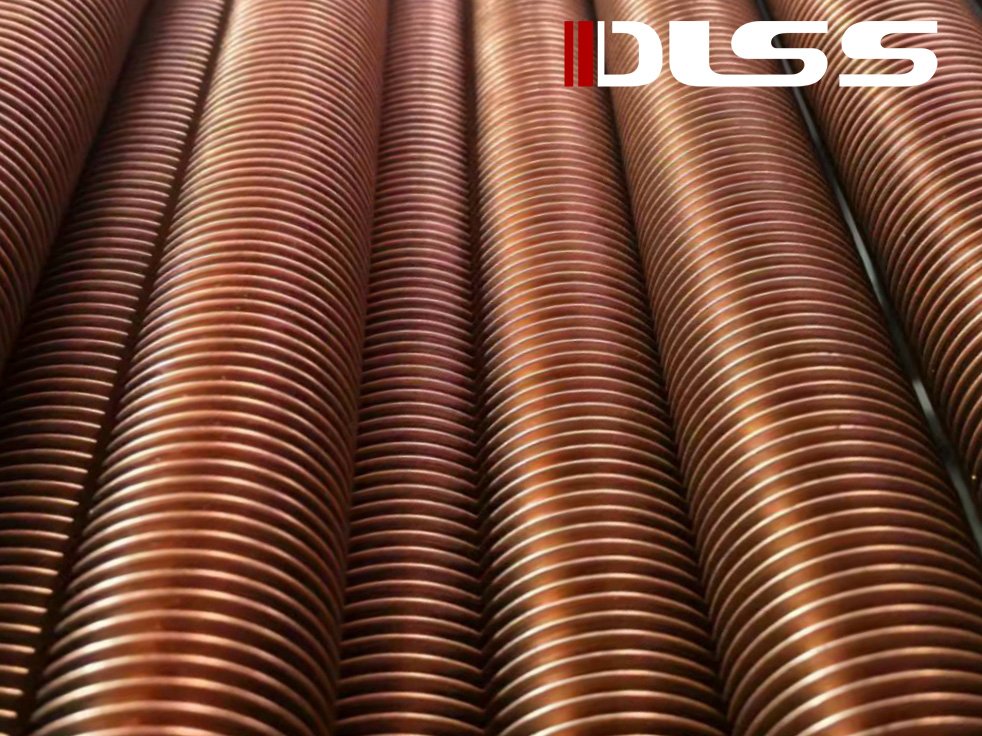
Low finned tubes are manufactured by mechanically forming fins from the base tube material, resulting in:

  • Increased Heat Transfer Area: More fins per unit length maximize efficiency without additional tube bundles.
  • Compact Design: Higher output per unit volume, reducing overall equipment footprint.
  • Durable Construction: As the fins are integral with the tube, there is no risk of detachment under thermal cycling.
  • Operational Cost Savings: Enhanced efficiency leads to reduced energy consumption and improved system performance.

For environments where heat duty is critical — such as geothermal brine cooling or condenser units — this design ensures long service life and consistent performance.


Why Choose Duplex S32205?

Duplex stainless steel S32205 was selected by the customer due to its unique properties:

  • High Resistance to Chloride Stress Corrosion Cracking
  • Excellent Pitting Resistance (PREN ≥ 35)
  • Superior Mechanical Strength compared with standard austenitic stainless steels
  • Cost-Effectiveness: Requires thinner walls while maintaining strength, optimizing weight and price per unit length

These qualities make S32205 especially suitable for aggressive environments where seawater, geothermal brine, or chemical exposure are expected.
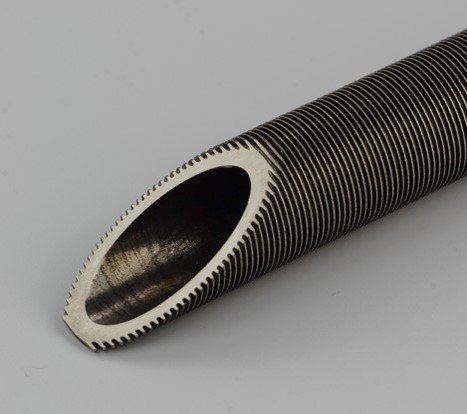
Low Finned Tubes in Duplex Steel for High-Efficiency Heat Exchangers

Technical Challenges and DLSS Solutions

Meeting this kind of requirement is not straightforward. Manufacturing thin-wall, long-length finned tubes requires precision and advanced quality control:

  • Precision Fin Forming: Ensuring consistent fin thickness (0.33 mm) and density (1023.6 fins/m).
  • Length and Straightness: For tubes up to 17.5 m, DLSS applies cold drawing and straightening processes to guarantee alignment.
  • Surface Treatment: Acid pickling and passivation for corrosion resistance, optional bright annealing for enhanced cleanliness.
  • Quality Assurance:
    • EN 10204 3.1 or 3.2 certificates
    • 100% Eddy Current + Hydrostatic Testing
    • PMI (Positive Material Identification) for every heat batch
    • Full ITP (Inspection & Test Plan) documentation
  • Packaging: End caps, nitrogen purging, and seaworthy wooden cases to ensure safe transportation.

Application Insights

Low finned tubes like these are not limited to one sector. They are commonly applied in:

  • Geothermal Power Plants
  • Petrochemical Condensers and Coolers
  • Seawater Desalination Units
  • Refinery Heat Exchangers

By combining low fin geometry with duplex material performance, operators benefit from both thermal efficiency and long service life.
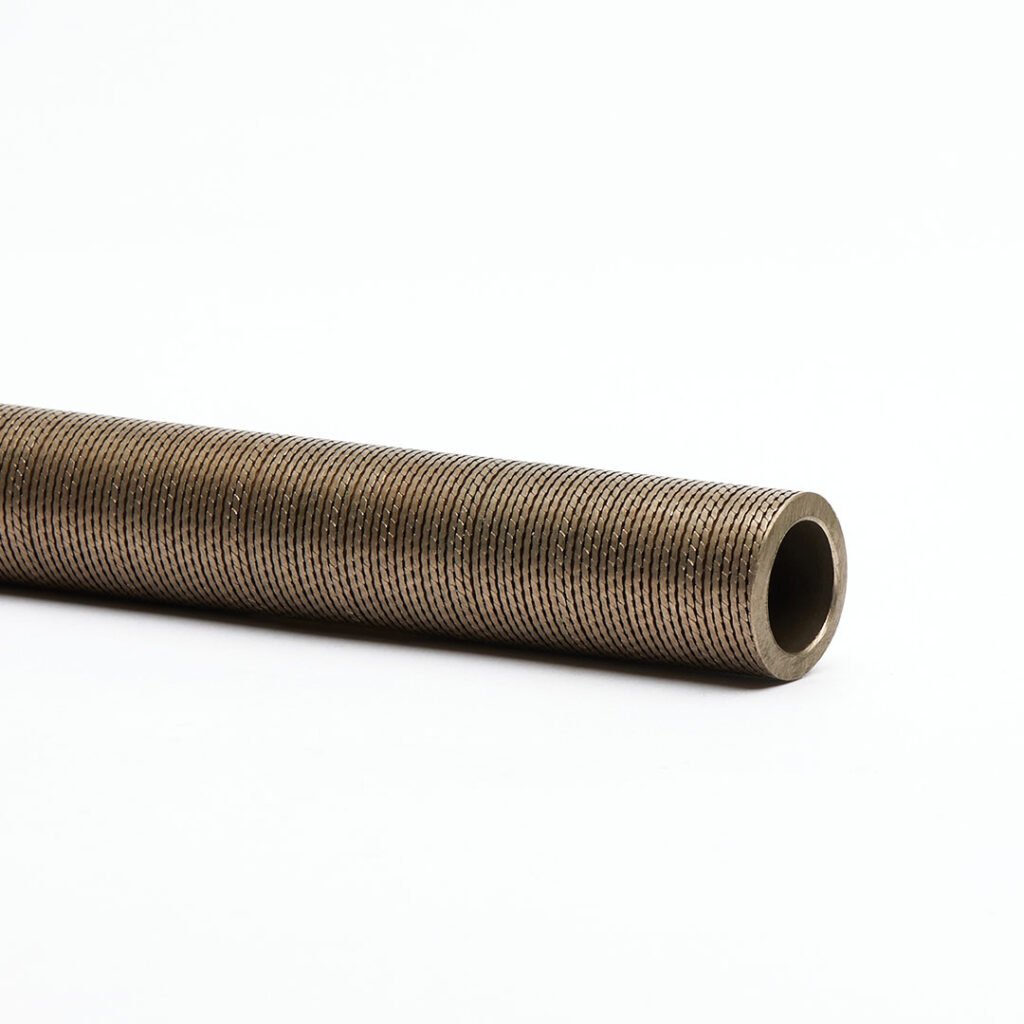
Low Finned Tubes in Duplex Steel for High-Efficiency Heat Exchangers

Conclusion – Partner with DLSS

This customer case demonstrates how specific and demanding requirements are becoming the new norm in heat exchanger design. DLSS specializes in supplying precision-engineered tubes — including low finned tubes in duplex, super duplex, titanium, CuNi, and high-alloy steels — backed by rigorous quality control and global project experience.

Contact us at info@dlsspipe.com or visit www.dlsspipeline.com to discuss your upcoming projects.

Wonderful! Share This Case:

Austenitic Stainless Steel

Duplex Stainless Steel

Nickel Alloys

▪ Incoloy Family

▪ Inconel Family

▪ Monel Family

▪ Hastelloy Family

▪ Other Special Alloys

Cobalt Alloys

Related Posts

What Is Bright Annealed Tube (BA)? Benefits, Applications, and Surface Control

Stainless Steel Tube

Surface finish is an important part of stainless steel tube selection. For stainless steel tubes, duplex tubes, nickel alloy tubes and heat exchanger tubes, the surface condition can affect corrosion resistance, cleanliness, inspection results, welding quality and final application performance. Common stainless steel tube surface finishes include pickled surface, bright...

Read More

5 U-Bending Standards

Introduction U-bent stainless steel tubes are essential in shell-and-tube heat exchangers, widely used in power generation, petrochemical processing, desalination, HVAC, and marine applications. These tubes are designed to efficiently redirect fluid flow while withstanding extreme thermal and mechanical stress. At DLSS, we specialize in producing high-quality U-tubes with tight tolerances and...

Read More
Weldability and Fabrication Challenges of Titanium and Nickel Alloy Tubes

Weldability and Fabrication

1. Introduction Welding and fabrication are critical stages in the production and installation of titanium tubes and nickel alloy pipes. Both materials offer superior corrosion resistance and mechanical properties, but they require specialized welding techniques, strict process control, and skilled workmanship to ensure reliability in demanding applications such as desalination...

Read More
Reliable Tubes for the Shipbuilding Industry

Reliable Stainless Steel

The shipbuilding industry continues to grow, with China, South Korea, and Japan accounting for nearly 90% of global ship output in 2023. As vessels are exposed to seawater corrosion, high pressure, and strict IMO environmental standards, the demand for corrosion-resistant stainless steel tubes and copper-nickel alloy pipes has never been...

Read More
How Long Do Stainless Steel Seamless Pipes Last? Lifespan, Factors, and Best Practices

How Long Do

Introduction Stainless steel seamless pipes are widely known for their long service life, but just how long can they last? Under ideal conditions, seamless stainless steel pipes can last 50 years or more. However, actual lifespan depends on factors such as: In this article, we explore realistic service life expectations,...

Read More
Understanding ASTM A213 – Seamless Tubes for Heat Exchangers and Boilers

How to Choose

Introduction Heat exchangers are the heart of many industrial systems—refineries, petrochemicals, power plants, and HVAC units. And at the core of any heat exchanger is a network of tubes or pipes that must perform under thermal, chemical, and mechanical stress. But not all stainless steel pipes are created equal. Selecting...

Read More
Cómo Prevenir el Agrietamiento por Sulfuro de Hidrógeno (H₂S) en Tuberías Industriales

Cómo Prevenir el

Meta descripción:El H₂S puede causar fallas catastróficas en tuberías de refinería o gasoductos. Descubra cómo prevenir el agrietamiento inducido por hidrógeno (HIC) y la fisuración bajo esfuerzo (SSC) con materiales y pruebas adecuados. Introducción El sulfuro de hidrógeno (H₂S) es uno de los mayores enemigos de la integridad de las...

Read More
Understanding ASTM A213 – Seamless Tubes for Heat Exchangers and Boilers

Understanding ASTM A213

Introduction ASTM A213 is one of the most critical international standards for seamless ferritic and austenitic alloy steel tubes, especially those used in boilers, superheaters, and heat exchangers. If your project involves high-temperature or high-pressure tubing, understanding this standard is essential. This guide offers a detailed overview of ASTM A213,...

Read More

Request A Quote

*We respect your confidentiality and all information are protected.