Selecting Stainless Steel Tubes for Seawater, Desalination, and Marine Applications (2025 Guide)

DLSS - Pipe&Tube - Selecting Stainless Steel Tubes for Seawater, Desalination, and Marine Applications (2025 Guide)

Why Seawater and Desalination Systems Require Specialized Tubing

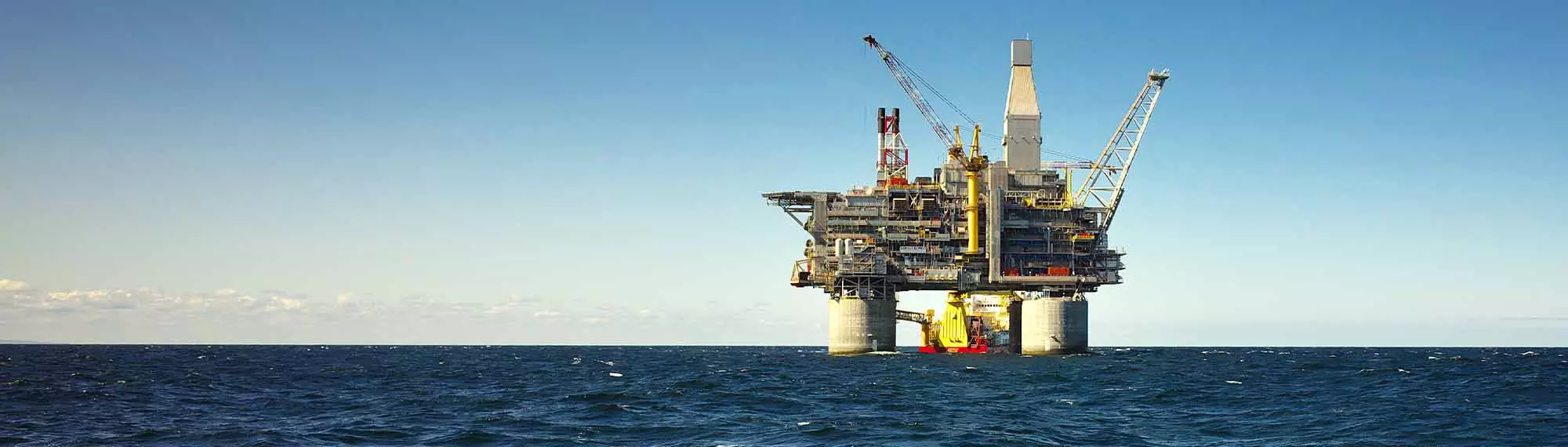
Seawater contains high concentrations of chlorides, which are extremely aggressive toward most conventional stainless steels. In marine environments or desalination plants, tubes are exposed to continuous flow of saline water, biofouling, crevice conditions, and temperature fluctuations.

To ensure long service life and avoid premature failure due to pitting, crevice corrosion, or stress corrosion cracking (SCC), it’s essential to use chloride-resistant stainless steel or nickel alloy tubes engineered for such environments.


Recommended Tubing Grades for Seawater & Marine Use

1. 316L — Basic Marine-Grade Tube (Limited Use)

  • Acceptable for intermittent or low-chloride environments
  • Not suitable for warm, stagnant seawater or high-chloride brines
  • Requires regular maintenance and cleaning

2. Duplex S31803 / S32205 — Cost-Effective Corrosion Resistance

  • Excellent pitting and crevice corrosion resistance in seawater
  • Higher strength and better fatigue resistance than austenitic grades
  • Common in seawater piping, offshore firewater lines, and brine loops

3. Super Duplex S32750 / S32760

  • PREN > 40, highly resistant to localized corrosion and SCC
  • Ideal for desalination plants, heat exchangers, marine exhausts, and ballast systems
  • Long service life in high-pressure and high-temperature brine conditions

4. 254SMo / 6Mo Alloy Tubing

  • Super austenitic stainless steel with high molybdenum (≥6%)
  • Outstanding resistance to chlorides and acidic seawater environments
  • Used in desalination evaporators, marine condensers, chlorine dosing systems

5. Nickel Alloys (625, C276)

  • Ultimate resistance to aggressive seawater and biofouling
  • Applied in subsea umbilicals, seawater injection systems, and offshore risers
  • High cost but unmatched long-term performance in extreme marine settings

Key Tubing Selection Criteria for Marine & Desalination Systems

ParameterEngineering Significance
Pitting Resistance Equivalent (PREN)Indicates ability to resist localized chloride attack
Crevice Corrosion ResistanceEssential in flanged or gasketed zones of cooling systems
Strength vs. WeightImpacts wall thickness, fatigue life, and installation weight
Weldability & FabricationAffects corrosion behavior in the heat-affected zone (HAZ)
Standards ComplianceASTM A790, ASTM A312, ASTM B444, EN 10216-5, NORSOK MDS D45

Global Marine & Desalination Trends (2025 Update)

  • Middle East leads global desalination investment; S32750 and 254SMo tubes dominate new SWRO plants
  • Offshore platforms upgrading firewater and brine reject systems to duplex or super duplex tubing
  • Coastal LNG terminals and shipyards in Southeast Asia and Latin America are shifting toward C276 and 625 alloy tubing in risers and umbilicals

DLSS Technical Insight

“Many clients assume 316L is ‘marine grade,’ but it cannot survive in warm or static seawater. We guide EPCs and system designers to select duplex or 6Mo alloys with proper wall thickness, welding specs, and NDT procedures to ensure safety and durability.”
— DLSS Marine Projects Team


Frequently Asked Questions (FAQ)

Q1: What’s the best tube grade for seawater cooling in a desalination plant?
S32750 or 254SMo are ideal due to their high pitting resistance and long-term corrosion performance.

Q2: Can I use duplex stainless steel in offshore platforms?
Yes. S32205 and S32750 are widely used in offshore risers, firewater systems, and seawater injection lines.

Q3: When should I choose nickel alloy tubing over duplex?
In high-temperature brine, high-salinity static seawater, or if there’s strong acid exposure—use Alloy 625 or C276.


Conclusion: Build for the Ocean with Corrosion-Proof Tubes

In seawater, failure isn’t an option. DLSS delivers stainless and nickel alloy tubes that perform in the world’s harshest marine conditions. Whether you’re building a desalination plant, offshore FPSO, or coastal cooling system, we help you select and supply corrosion-resistant tubing built to last.

Our marine-grade tubes meet global codes, pass third-party NDT, and offer peace of mind even in deepwater or high-pressure chloride service.

Wonderful! Share This Case:

Austenitic Stainless Steel

Duplex Stainless Steel

Nickel Alloys

▪ Incoloy Family

▪ Inconel Family

▪ Monel Family

▪ Hastelloy Family

▪ Other Special Alloys

Cobalt Alloys

Related Posts

ASTM B163 Incoloy 825 (UNS N08825) Seamless Tube – 25.4 × 2.11 × 5555 mm, Bright Annealed Surface

ASTM A213/ASME SA213

Product Overview: ASTM A213/ASME SA213 TP321 Seamless Tube (1.4541) The ASTM A213/ASME SA213 TP321 (1.4541) seamless tube is a high-performance, austenitic stainless steel tube designed for critical applications in heat exchangers and other high-temperature, high-stress systems. Known for its excellent corrosion resistance, especially against sulfuric and nitric acids, and its ability to...

Read More
Custom Finned Tube Solutions for Offshore and Marine Applications

Custom Finned Tube

Offshore oil platforms, marine vessels, and coastal industrial facilities require custom finned tube solutions that can withstand the challenges of seawater corrosion, high humidity, and continuous operation. At DLSS, we specialize in designing and manufacturing offshore and marine finned tube heat exchanger components with precision engineering and enhanced durability. For...

Read More
Stainless Steel Heat Exchanger Tubes

10 Industry Applications

Introduction Stainless steel heat exchanger tubes are vital components in thermal systems that manage fluid and gas temperatures. Known for their corrosion resistance, strength, and versatility, these tubes operate under high pressure and temperature conditions in a wide variety of industries. Whether you’re an engineer, project planner, or procurement officer,...

Read More
hygienic-food-pharma-heat-exchanger-stainless-steel

Hygienic Stainless Steel

In the food and pharmaceutical industries, cleanliness is not optional—it’s mandatory. Heat exchangers in these sectors are integral to pasteurization, sterilization, CIP (clean-in-place) loops, and product temperature control. That’s why the choice of tubing is critical. Sanitary-grade stainless steel tubes ensure both product safety and regulatory compliance, while also withstanding...

Read More
Titanium GR2 Condenser Tubes for Seawater Desalination Plants

Titanium GR2 Condenser

1. Introduction Seawater desalination projects are expanding rapidly across the Middle East, North Africa, and Asia, with a market size of over 25 billion USD. One of the most critical components in desalination plants is the condenser and heat exchanger tubing, where Titanium Grade 2 (GR2) tubes are the preferred...

Read More
TP904L Stainless Pipes for Seawater Desalination in Japan – 日本海水淡水化向けTP904Lステンレス管

TP904L Stainless Pipes

Introduction Japan’s seawater desalination plants operate in highly corrosive environments due to the presence of chlorides and high salinity. TP904L stainless pipes from DLSS offer superior resistance to pitting and crevice corrosion, making them an ideal choice for JIS G3459 – Stainless Steel Pipes for Corrosion Resistance compliance in marine...

Read More
Precision Delivered: Super Duplex Stainless Steel Tie Rods Successfully Supplied

Precision Delivered: Super

At DLSS (Zhejiang Daling Special Steel Co., Ltd.), we take pride in transforming customer requirements into high-performance stainless steel solutions. Recently, we successfully fulfilled a custom order for Super Duplex Stainless Steel (UNS S32750) Tie Rods and Hex Nuts, tailored precisely to our client’s technical drawings and application needs. Project...

Read More
Cost vs Performance: Are Titanium Pipes Worth It in Power Plant Condensers?

Cost vs Performance:

1. Introduction Power plants around the world rely on efficient condenser systems to maximize energy output and minimize downtime. Material choice for condenser tubes directly impacts operating costs and plant reliability. While stainless steel and copper alloys have traditionally been used, titanium pipes (Grade 2, ASTM B338) are increasingly recognized...

Read More

Request A Quote

*We respect your confidentiality and all information are protected.