Stainless Steel Seamless Pipe for NACE MR0175 / MR0103 Applications: What You Must Know

DLSS - Pipe&Tube - Stainless Steel Seamless Pipe for NACE MR0175 / MR0103 Applications: What You Must Know

Meta Description:
Explore how stainless steel seamless pipes tested to NACE MR0175 / ISO 15156 and MR0103 standards ensure safety in sour service environments. Learn about SSC, HIC, and corrosion resistance.


Introduction

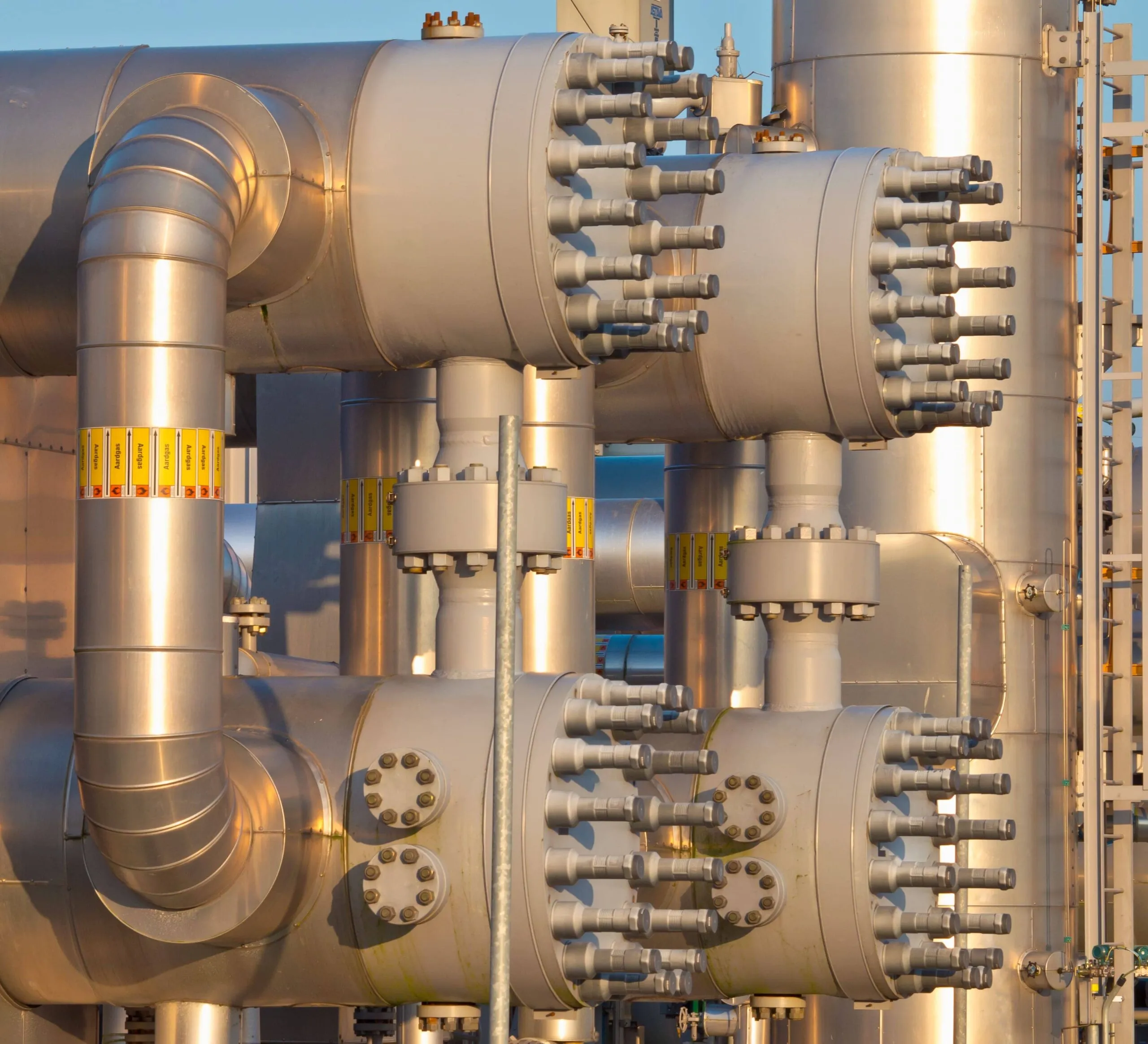
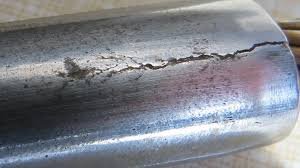
Sour service environments—such as oil and gas fields containing hydrogen sulfide (H₂S)—pose serious challenges to piping materials. Without the proper metallurgy and testing, stainless steel pipes can fail due to sulfide stress cracking (SSC) or hydrogen-induced cracking (HIC).

To prevent such failures, international standards like NACE MR0175 / ISO 15156 and NACE MR0103 define the material and testing requirements for metallic components used in sour gas environments.

DLSS offers stainless steel seamless tubes that fully comply with these critical standards.


What Is NACE MR0175 / ISO 15156?

NACE MR0175 / ISO 15156 is a globally recognized standard published by the National Association of Corrosion Engineers (NACE). It outlines requirements for the selection and qualification of materials used in H₂S-containing oil and gas production environments.

Key features include:

  • Guidelines for chemical composition and hardness limits
  • Testing for SSC (Sulfide Stress Cracking)
  • Requirements for microstructure and heat treatment control

What Is NACE MR0103?

NACE MR0103 applies to downstream refining equipment, defining similar criteria to prevent SSC and HIC in environments with wet H₂S—such as amine units and sour water systems.

It is often referenced in refineries, fertilizer plants, and gas processing facilities.


Why Stainless Steel Needs SSC / HIC Qualification

In sour service, high-strength or improperly heat-treated stainless steel is vulnerable to cracking when exposed to H₂S, particularly under tensile stress. Therefore, any stainless steel pipe used in these environments must:

  • Have controlled hardness (<22 HRC for most grades)
  • Exhibit homogeneous microstructure
  • Pass SSC (per NACE TM0177) and HIC tests (per NACE TM0284)

DLSS Stainless Steel Seamless Pipe for Sour Service

We offer stainless steel seamless pipes manufactured and tested according to:

  • ASTM A312 / A213
  • NACE MR0175 / ISO 15156
  • NACE MR0103
  • EN10204 3.1 / 3.2 Certification

Example Product:

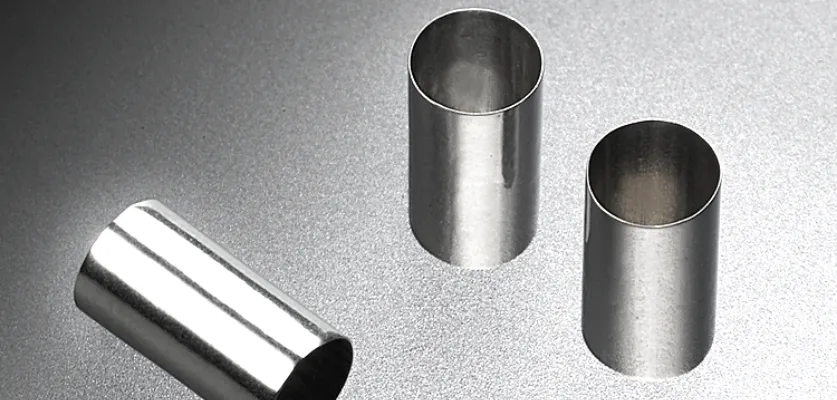
  • Material: Stainless Steel Seamless Pipe (TP316L / 317L / Duplex 2205)
  • Outer Diameter: as per client spec (e.g. 19.05mm)
  • Wall Thickness: as per design pressure
  • Length: up to 12 meters
  • Surface: Pickled, Annealed, or Bright Annealed
  • Testing:
    • 100% Eddy Current or UT
    • SSC Test (NACE TM0177 Method A/B)
    • HIC Test (NACE TM0284)
    • Hardness ≤ 22 HRC (typically < 200 HB)

Material Grades for NACE Compliance

GradeTypical UseRemarks
TP316LGeneral sour serviceLow C, low hardness, good weldability
TP317LHigh Mo for chloride-rich H₂S conditionsEnhanced pitting resistance
S31803 / S32205Duplex for stronger resistance & strengthMust control ferrite phase properly
Alloy 825Strong acid resistance (sulfuric, phosphoric)Nickel alloy for severe sour service

Common Applications

  • Upstream oil & gas pipelines
  • Natural gas dehydration units
  • Sour water stripper systems
  • Amine regeneration columns
  • Refinery desulfurization piping
  • Gas injection systems with wet H₂S

Documentation Provided by DLSS

  • Material Test Certificate (EN10204 3.1/3.2)
  • NACE SSC/HIC Test Report
  • PMI and UT Inspection Report
  • Heat Treatment Record
  • Hardness Test (Brinell / Rockwell)

SEO Keywords

  • Stainless steel pipe for NACE MR0175
  • NACE MR0103 seamless tube supplier
  • HIC tested stainless steel pipe
  • sour service pipe for H2S
  • SSC resistant pipe
  • NACE-compliant stainless tubing
  • TP316L MR0175 approved pipe
  • duplex stainless steel for sour gas
  • hydrogen sulfide cracking prevention
  • ASTM A312 pipe for acid gas application

Contact DLSS for NACE-Approved Tubing

If you’re sourcing stainless steel seamless pipe for use in H₂S-containing systems, contact DLSS for:

  • Grade selection
  • SSC/HIC test reports
  • Competitive pricing
  • Fast delivery for critical applications

Email: info@dlsspipe.com
Website: www.dlsspipeline.com

Our pipes are trusted by engineering firms, EPCs, and end-users in sour gas fields across the Middle East, Asia, and South America.

Wonderful! Share This Case:

Austenitic Stainless Steel

Duplex Stainless Steel

Nickel Alloys

▪ Incoloy Family

▪ Inconel Family

▪ Monel Family

▪ Hastelloy Family

▪ Other Special Alloys

Cobalt Alloys

Related Posts

Weldability and Fabrication Challenges of Titanium and Nickel Alloy Tubes

Weldability and Fabrication

1. Introduction Welding and fabrication are critical stages in the production and installation of titanium tubes and nickel alloy pipes. Both materials offer superior corrosion resistance and mechanical properties, but they require specialized welding techniques, strict process control, and skilled workmanship to ensure reliability in demanding applications such as desalination...

Read More
Advanced Pipe-Based Heat Exchanger Designs: U-Tube, Shell-and-Tube, and Coiled Tube Systems

Advanced Pipe-Based Heat

As industrial demands for thermal efficiency, space optimization, and corrosion resistance continue to grow, the design and selection of heat exchangers have become increasingly specialized. Beyond basic double tube systems, engineers often turn to more advanced pipe configurations to meet rigorous process requirements. In this article, we explore three widely...

Read More
Cómo Prevenir el Agrietamiento por Sulfuro de Hidrógeno (H₂S) en Tuberías Industriales

Cómo Prevenir el

Meta descripción:El H₂S puede causar fallas catastróficas en tuberías de refinería o gasoductos. Descubra cómo prevenir el agrietamiento inducido por hidrógeno (HIC) y la fisuración bajo esfuerzo (SSC) con materiales y pruebas adecuados. Introducción El sulfuro de hidrógeno (H₂S) es uno de los mayores enemigos de la integridad de las...

Read More

ASME, EN, and

In global heat exchanger projects, engineers and procurement teams often face a critical question: Which material standard should we follow—ASME, EN, or JIS? Each of these standards governs stainless steel tube production but comes from different regions and technical philosophies. Understanding their differences helps avoid miscommunication, ensure regulatory compliance, and...

Read More
Will Stainless Steel Seamless Pipes Rust? The Truth Behind the Name

Will Stainless Steel

Introduction A common question among engineers and procurement teams is: “If it’s called stainless, can it rust?” The name “stainless steel” suggests perfect rust resistance—but in reality, stainless steel can corrode under certain conditions. Understanding when and why this happens is essential to material selection and system reliability. This article...

Read More
Top Stainless Steel Industry Trends in 2025: Sustainability, Advanced Alloys, and Smart Manufacturing

Top Stainless Steel

1. Sustainable Stainless Steel Production With the global push toward decarbonization, the stainless steel industry is rapidly transitioning to green steel production. In 2025: Key Keywords: green stainless steel, low-carbon stainless steel, ISO 14001 stainless tube supplier 2. Global Capacity Shifts and Import Pressure According to CRU Group, stainless steel...

Read More
Stainless Steel Tubing Solutions for South America’s Oil & Gas Industry

Stainless Steel Tubing

Introduction South America is rich in oil and gas reserves—from Brazil’s offshore pre-salt basins, to Argentina’s Vaca Muerta shale, and Colombia’s expanding gas fields. These resources fuel the region’s economy but also demand high-performance, corrosion-resistant piping solutions. In this article, we explore how stainless steel seamless tubes meet the challenges...

Read More

Everything You Need

What Are Inner Grooved Coil Tubes? Inner grooved coil tubes, also known as ribbed tubes or micro-fin tubes, are seamless or welded coil tubes with precisely formed helical grooves on the internal surface. These grooves increase turbulence in fluid flow, thereby enhancing the heat transfer coefficient. They are widely used in: Why Choose Inner Grooved Tubes?  30–50%...

Read More

Request A Quote

*We respect your confidentiality and all information are protected.