Top 5 Questions Buyers Ask About Duplex Stainless Steel Tubes

DLSS - Pipe&Tube - Top 5 Questions Buyers Ask About Duplex Stainless Steel Tubes

Meta Description:
Explore the top five questions procurement teams and engineers ask when sourcing duplex stainless steel tubes, including corrosion resistance, welding, standards, and pricing.


Introduction

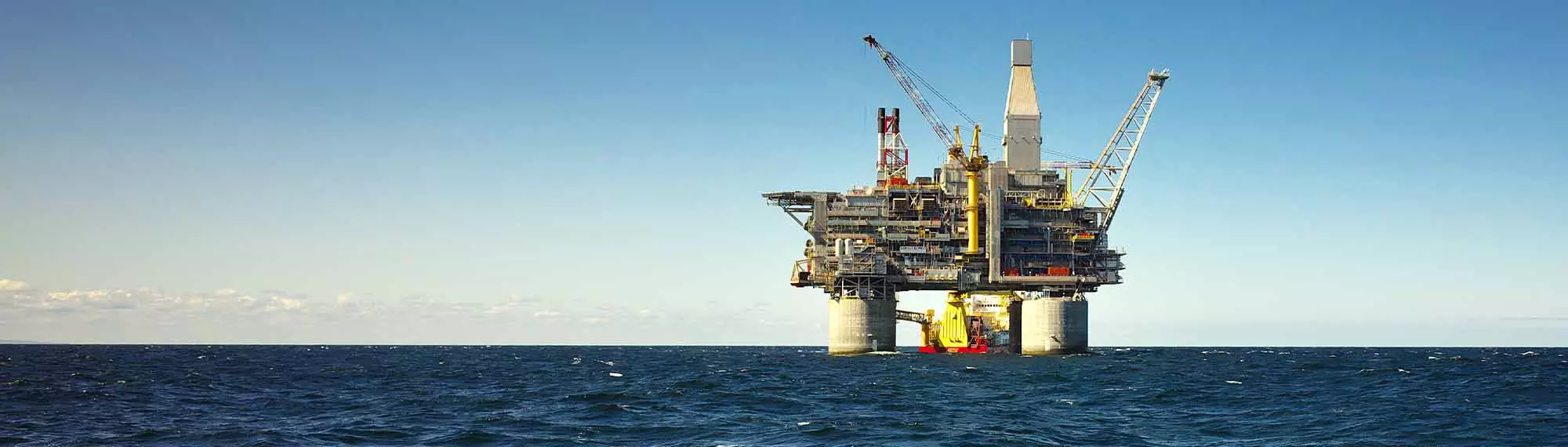
Duplex stainless steel tubes are widely used in offshore platforms, chemical processing, desalination plants, and heat exchanger systems, thanks to their excellent combination of mechanical strength and corrosion resistance.

However, many buyers—especially those transitioning from austenitic stainless—have specific concerns before placing an order. Here, we answer the top 5 questions DLSS regularly receives from project managers, EPCs, and purchasing teams worldwide.


1. What’s the Real Difference Between Duplex and 316L Stainless Tubes?

The key difference lies in microstructure and performance:

FeatureDuplex Stainless Steel (e.g., S31803)316L Austenitic Stainless Steel
Structure50% Ferrite / 50% AusteniteFully Austenitic
Yield Strength2× higher than 316L (~450 MPa)Lower (~200 MPa)
Pitting Resistance (PREN)~35~25
Chloride ResistanceExcellentModerate
Cost~10–20% higherLower upfront cost

Duplex is ideal for high-pressure and chloride-rich environments where 316L may pit or crack.

Learn more: Outokumpu Duplex Stainless Grades

Key Keywords: S31803 tube, 2205 vs 316L, duplex pipe advantages


2. What Are the Common Standards for Duplex Tubes?

Buyers often ask which global standards duplex stainless tubes conform to. At DLSS, our duplex tubes typically meet:

  • ASTM A789 / A790 – Seamless & welded duplex tubes
  • EN 10216-5 / 10217-7 – Pressure use tubes in Europe
  • NACE MR0175 / ISO 15156 – Sour service compliance
  • ASME B36.19M – Dimensional reference
  • PED 2014/68/EU – Pressure Equipment Directive for CE markets

Material Designations:

  • UNS S31803 (Standard Duplex)
  • UNS S32205 (High-performance Duplex)
  • UNS S32750 / S32760 (Super Duplex)

Key Keywords: ASTM A789 duplex, EN 10216-5 tube, S32205 supplier


3. Can Duplex Tubes Be Welded Onsite Without Cracking?

Yes—but it requires controlled procedures.

  • Duplex tubes have different thermal conductivity and coefficient of expansion compared to 316L, so welding procedures must be adjusted.
  • Use low heat input, interpass temp control, and post-weld cleaning to prevent intermetallic phase formation.
  • Filler metals: ER2209, ER2553 depending on grade
  • PWHT is not usually needed but may be required for thick-walled or critical-service jobs

Reference: Avesta Welding Guidelines for Duplex Stainless

Key Keywords: duplex tube welding, ER2209 filler, duplex pipe WPS


4. Is Duplex Stainless More Difficult to Machine or Fabricate?

Generally yes, compared to 304/316L:

  • Higher strength means more tool wear
  • Cutting speed must be reduced (25–35% lower than 316L)
  • Bending radius should be >2× OD
  • Requires special tooling and coolant systems for drilling or threading

However, modern CNC equipment easily handles duplex tubes with the correct parameters.

Key Keywords: duplex stainless machinability, duplex tube bending, S32750 fabrication


5. Why Is the Price of Duplex Tubes Higher—and Is It Worth It?

While the unit price is 10–25% higher than 316L, duplex often reduces total lifecycle cost:

  • Fewer failures due to chloride pitting
  • Higher mechanical strength = reduced wall thickness = lower weight
  • Longer service life in aggressive media
  • Better performance in seawater, acid, and oilfield applications

If your project involves corrosive brine, sour gas, or marine humidity, duplex is likely the better investment.

See: Nickel Institute – Duplex Economics

Key Keywords: duplex tube price, duplex vs austenitic lifecycle, S32750 ROI


Conclusion

Duplex stainless steel tubes may be slightly more complex to specify and work with—but they offer superior performance, especially in harsh operating environments.

At DLSS, we provide:

  • ASTM A789 / EN 10216-5 duplex seamless tubes
  • 100% ET/UT tested with 3.1 / 3.2 MTC
  • Heat treatment, PMI, hardness, and grain size testing
  • Customized U-bending and export packaging
  • Pre-qualified welding & fabrication support

Contact DLSS
Email: info@dlsspipe.com
Website: www.dlsspipeline.com

Have a question about duplex tube sourcing? Send us your inquiry and we’ll respond with a tech-backed solution in 24 hours.

Wonderful! Share This Case:

Austenitic Stainless Steel

Duplex Stainless Steel

Nickel Alloys

▪ Incoloy Family

▪ Inconel Family

▪ Monel Family

▪ Hastelloy Family

▪ Other Special Alloys

Cobalt Alloys

Related Posts

global shipbuilding industry trends

Global Shipbuilding Industry: Opportunities and

The shipbuilding industry has long been a foundation of global trade and maritime power. In today’s era of globalization, sustainability challenges, and energy transition, shipbuilding remains one of the world’s most strategic industries. From transporting goods and passengers to supporting defense and offshore energy, shipbuilding shapes the future of international commerce and technology. East Asia’s […]

Read More
How Stainless Steel Tubes Ensure Safety and Efficiency in South American Power Plants

How Stainless Steel Tubes Ensure

Meta Description:Discover how stainless steel tubes support thermal efficiency, corrosion resistance, and long-term reliability in South American power generation plants. Introduction South America’s growing energy demand is driving the expansion of both conventional and renewable power plants. Whether it’s a thermoelectric station in Brazil or a biomass facility in Chile, one common requirement persists: reliable, […]

Read More
fraudulent steel suppliers in China

Beware of Fraudulent Companies Among

In recent months, several cases have surfaced regarding fraudulent activities among certain steel and metal material suppliers in China. One particular case highlights the risks faced by overseas buyers when dealing with unreliable companies. Case Study: Brazilian Importer Defrauded In April and May 2025, a Brazilian company reported that it had purchased approximately 125 tonnes […]

Read More

TP304 vs TP316L: A Comprehensive

Introduction TP304 and TP316L are the two most widely used austenitic stainless steel grades in industrial piping, particularly in heat exchangers, boiler systems, and chemical plants. While both belong to the same stainless steel family, they differ in corrosion resistance, mechanical properties, and application suitability. In this article, we compare TP304 and TP316L across 5 key aspects to help engineers, procurement teams, and project […]

Read More
Heat Exchangers in the Food and Beverage Industry: Hygienic Design and Stainless Steel Tube Selection

Heat Exchangers in the Food

In the food and beverage (F&B) industry, heat exchangers play a vital role in processes such as pasteurization, sterilization, CIP cleaning, and temperature control in production lines. These systems must meet stringent hygiene requirements, resist corrosion, and maintain high thermal efficiency under continuous operation. This article explores how heat exchangers are used in F&B, the […]

Read More
How Long Do Stainless Steel Seamless Pipes Last? Lifespan, Factors, and Best Practices

How to Choose the Right

Why Material Selection Matters for Heat Exchanger Tubes In heat exchanger applications, the wrong material can lead to premature corrosion, low thermal efficiency, or even costly shutdowns. Whether you’re designing for a refinery, a desalination plant, or a food-grade chiller, choosing the right stainless steel tube is a crucial step in ensuring durability, reliability, and […]

Read More
Stainless Steel Tube Failures in Heat Exchangers: Root Causes and How to Prevent Them

Stainless Steel Tube Failures in

Meta Description:Discover the top reasons stainless steel tubes fail in heat exchangers and how to prevent them. Learn from DLSS’s real-world case studies and proven solutions. Introduction Heat exchangers are essential components in power plants, refineries, HVAC systems, and chemical processing. Yet, even with premium-grade stainless steel tubes, failures can occur—leading to leaks, shutdowns, and […]

Read More
Why Stainless Steel Seamless Tubes Are the Backbone of South America’s Energy Industry

Why Stainless Steel Seamless Tubes

Meta Description:Explore how stainless steel seamless tubes support South America’s oil, gas, and petrochemical infrastructure. Learn about key materials, standards, and corrosion-resistant solutions for high-performance applications. Introduction South America is rich in natural resources—but also in engineering challenges. With vast offshore oil fields, mountainous LNG projects, and acidic mining processes, the region demands durable, corrosion-resistant […]

Read More

Request A Quote

*We respect your confidentiality and all information are protected.