The Role of Stainless Steel Tubes in Renewable Energy Systems – Solar, Wind, and Hydrogen

DLSS - Tubes For Heat Exchanger - The Role of Stainless Steel Tubes in Renewable Energy Systems – Solar, Wind, and Hydrogen

Meta Description:
Discover how stainless steel tubes power the transition to renewable energy. Explore their critical applications in solar thermal systems, wind turbine cooling, and hydrogen infrastructure.


Introduction

As the global push for carbon neutrality intensifies, renewable energy systems are expanding at an unprecedented rate. From solar thermal plants to hydrogen pipelines, the infrastructure behind green energy demands materials that offer durability, corrosion resistance, and long life cycles under harsh environments.

DLSS provides high-grade stainless steel tubes that support mission-critical operations in solar, wind, and hydrogen power—where failure is not an option.

The Role of Stainless Steel Tubes in Renewable Energy Systems – Solar, Wind, and Hydrogen

1. Why Stainless Steel Is Essential in Green Energy

RequirementStainless Steel Advantage
High temperature resistanceIdeal for solar thermal & electrolyzers
Corrosion resistanceHandles marine air, aggressive chemicals
Pressure toleranceUsed in hydrogen transport, heat exchangers
Long service lifeSupports infrastructure with >20-year lifespan
Sustainability100% recyclable and low lifecycle emissions

Reference: World Stainless Association – Stainless for Sustainable Energy


2. Applications in Solar Energy

a) Solar Thermal Power Plants (CSP)

Stainless steel tubes are used in:

  • Heat transfer fluid loops (HTF)
  • Steam generator coils
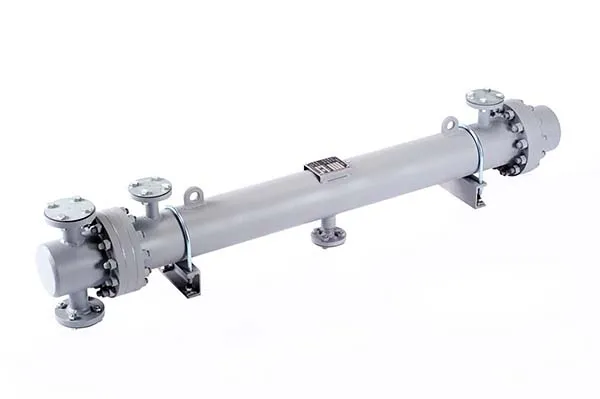
  • Thermal storage heat exchangers

Recommended Grades:

  • TP316L, TP321H for high-temp resistance
  • Incoloy 800H (UNS N08810) for molten salt systems

Related: IEA – Solar Thermal Technology Roadmap


b) Solar Water Heating Systems

In residential/commercial setups, tubes must:

  • Resist internal scaling and corrosion
  • Support high pressures and outdoor exposure

Typical Material:

  • TP304/316 with Bright Annealed or polished finish
The Role of Stainless Steel Tubes in Renewable Energy Systems – Solar, Wind, and Hydrogen

3. Applications in Wind Energy

a) Cooling Systems in Wind Turbines

Modern wind turbines use active cooling for:

  • Gearboxes
  • Generators
  • Power converters

Stainless steel tubes are used for:

  • Heat exchanger coils
  • Coolant loops
  • Condensate drains

Challenges Faced:

  • Vibration fatigue
  • Salt spray (offshore turbines)
  • Low ambient temperatures

Best Materials:

  • TP316Ti, TP444, Duplex 2205
The Role of Stainless Steel Tubes in Renewable Energy Systems – Solar, Wind, and Hydrogen

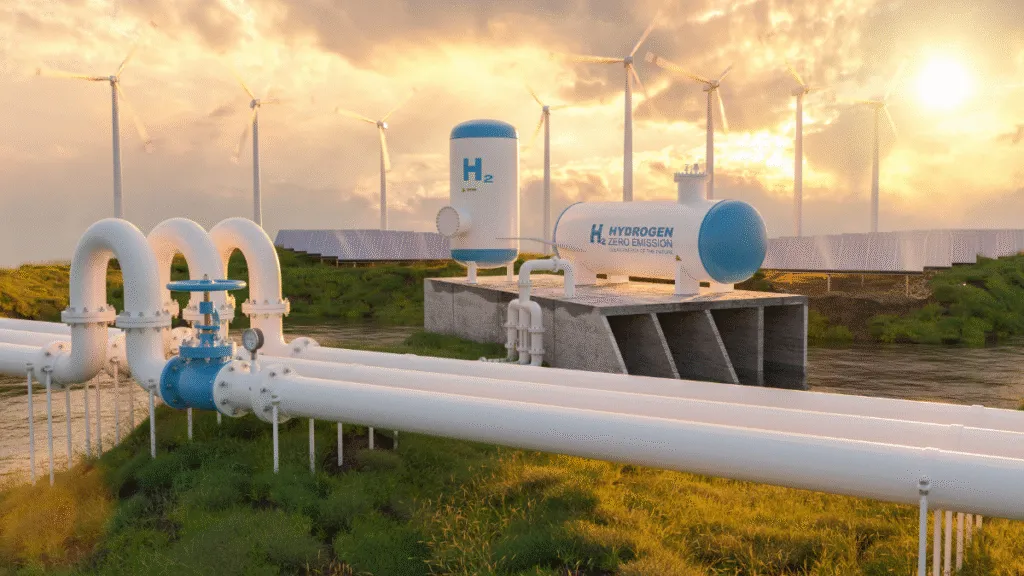
4. Applications in Hydrogen Systems

a) Hydrogen Production (Electrolyzers)

Stainless steel tubes must resist:

  • Highly pure water
  • Oxygen and hydrogen gases
  • Electrolytic chemicals

Preferred Materials:

  • 1.4404 / TP316L for PEM electrolyzers
  • Alloy 825 or 254SMO for alkaline/acidic environments

b) Hydrogen Storage & Distribution

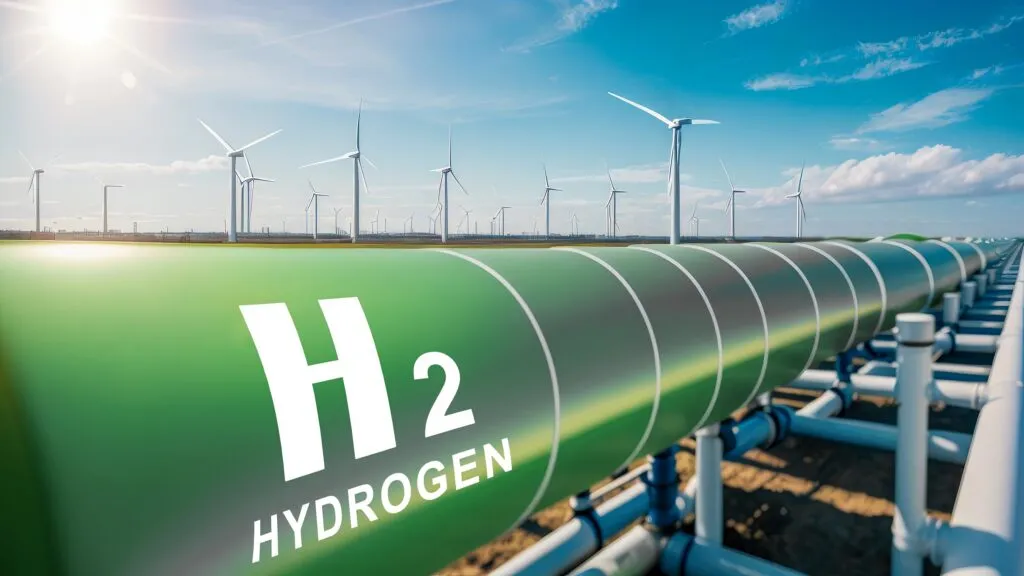
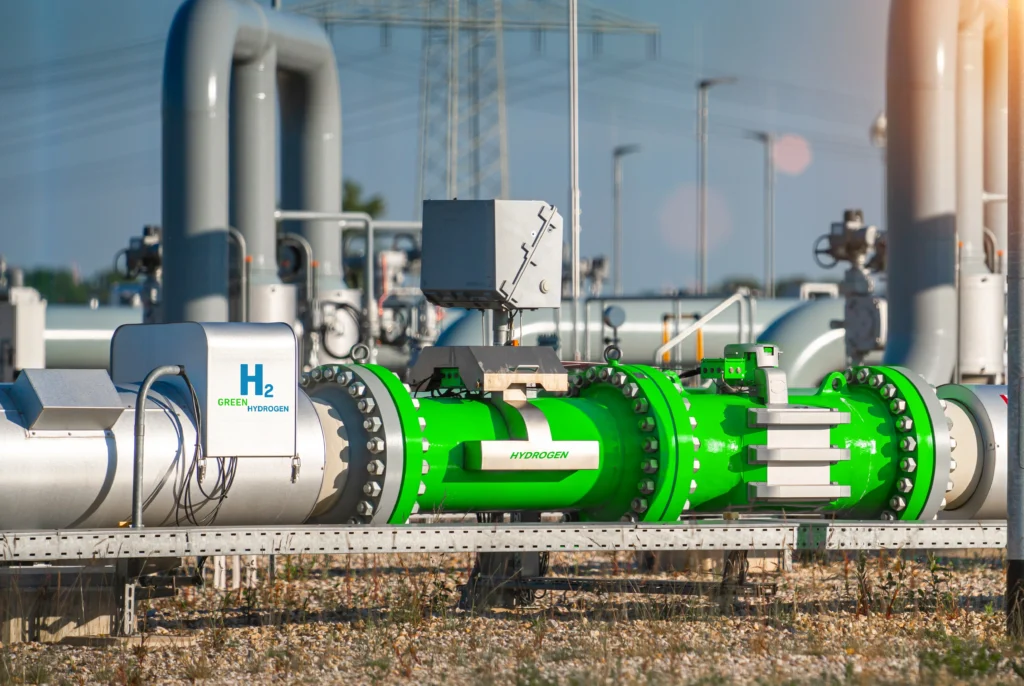
Stainless steel seamless tubes are used for:

  • High-pressure hydrogen transport (up to 700 bar)
  • Compressor units
  • Fueling station pipework

Standard Compliance:

  • ISO 11114-1: Hydrogen compatibility
  • EN 10216-5 TC2: Pressure tubes
  • ASME B31.12: Hydrogen piping systems

Read more: Hydrogen Europe – Infrastructure Needs


5. DLSS’s Technical Advantages in Green Energy Projects

FeatureDLSS Solution
High-temperature gradesTP321H, Incoloy 800H, 347H
Corrosion resistanceDuplex 2205, 2507, 254SMO
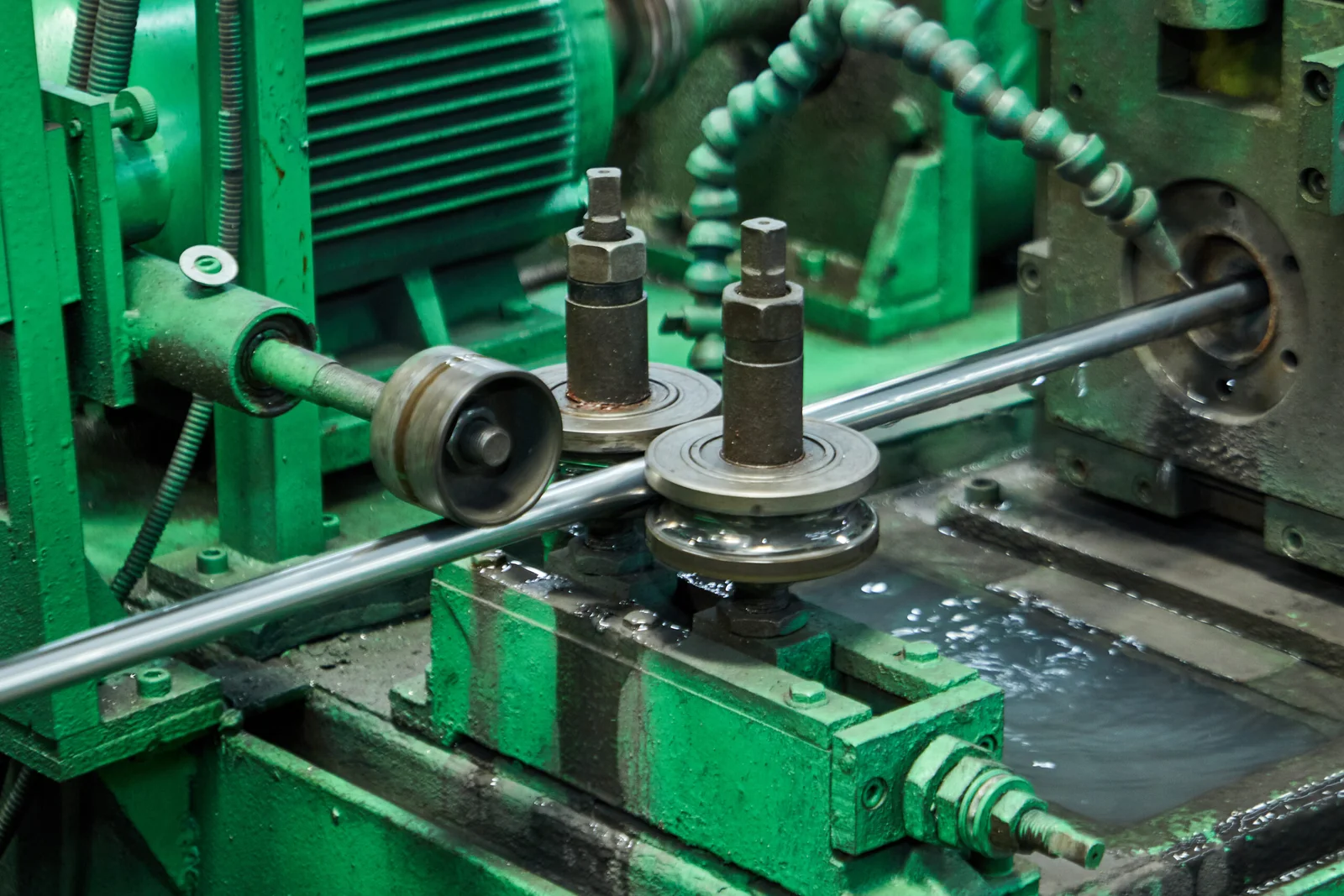
Precision formingU-bent tubes for compact exchangers
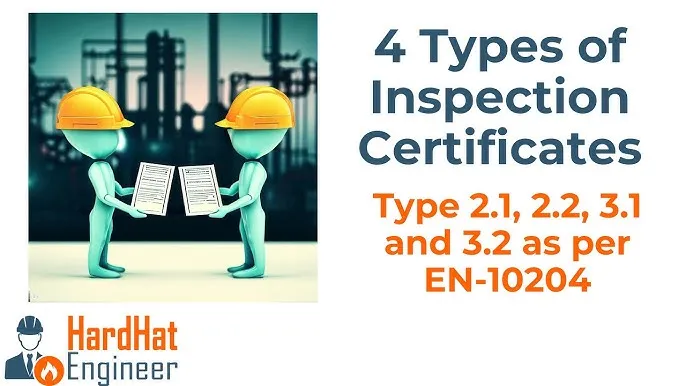
CertificationsEN 10204 3.1/3.2, NACE MR0175, PED, AD2000
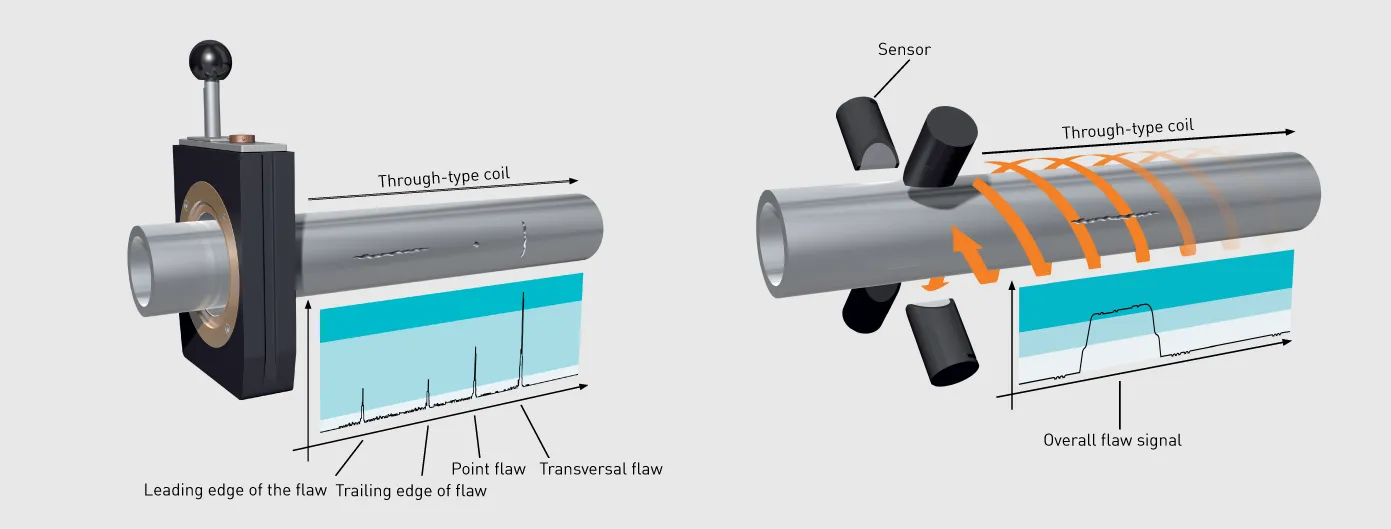
Testing & QAET, PMI, grain size, hydrotest, hydrogen embrittlement tests

Case Study: Hydrogen Pilot Plant in the Middle East

Scope: 2,000 meters of TP316L + Alloy 825 seamless tubing
Application: Electrolyzer + compression system
Pressure Rating: 300 bar, ISO 11114 compliant
Features: BA finish, hydrotested, helium leak-tested
Outcome: Operational stability confirmed after 12-month commissioning
The Role of Stainless Steel Tubes in Renewable Energy Systems – Solar, Wind, and Hydrogen

FAQs: Stainless Steel Tubes in Renewable Energy

Q1: Can standard stainless steel handle hydrogen exposure?
A: Yes, certain grades like 316L and Duplex can be used at low-to-medium pressure. For high pressure, hydrogen-compatible materials tested to ISO 11114 are required.

Q2: Which grade is best for solar thermal systems?
A: TP321H and Incoloy 800H are recommended due to their high-temperature creep resistance.

Q3: Are stainless tubes suitable for offshore wind turbines?
A: Absolutely. DLSS recommends Duplex 2205 or 2507 for superior resistance to salt spray and fatigue.

Q4: Does DLSS support custom tube forming for exchangers?
A: Yes. We supply U-bend, coil, and serpentine formats with post-forming annealing and inspection.


Conclusion

As the energy sector transforms, stainless steel tubing will be at the heart of clean energy systems. Whether in solar, wind, or hydrogen, DLSS delivers high-performance, sustainable tubing solutions that meet today’s toughest engineering challenges.


Contact DLSS
Email: info@dlsspipe.com
Website: www.dlsspipeline.com

Planning a renewable energy project? Contact DLSS to discuss material options, technical datasheets, or hydrogen-compliant tube systems.

Wonderful! Share This Case:

Austenitic Stainless Steel

Duplex Stainless Steel

Nickel Alloys

▪ Incoloy Family

▪ Inconel Family

▪ Monel Family

▪ Hastelloy Family

▪ Other Special Alloys

Cobalt Alloys

Related Posts

OGA 2025

OGA 2025 Highlights: Stainless Steel

Introduction The 21st Oil & Gas Asia (OGA 2025) in Kuala Lumpur emphasizes the future of the energy industry under the theme “Powering Progress, Shaping Tomorrow.” Key innovation areas include energy transition, digitalization, sustainability, and advanced materials. For manufacturers in the heat exchanger, boiler, oil & gas, and power industries, sourcing reliable stainless steel seamless […]

Read More
Understanding ASTM A213 – Seamless Tubes for Heat Exchangers and Boilers

Understanding ASTM A213 – Seamless

Meta Description:Learn everything about ASTM A213: scope, material grades, dimensional tolerances, mechanical properties, and test methods. Ideal for engineers, buyers, and project managers working with heat exchanger and boiler tubing. Introduction ASTM A213 is one of the most critical international standards for seamless ferritic and austenitic alloy steel tubes, especially those used in boilers, superheaters, […]

Read More
Quality Inspection Methods for Stainless Steel Heat Exchanger Tubes

Quality Inspection Methods for Stainless

Ensuring the quality of stainless steel tubes is critical for the long-term reliability and safety of heat exchangers. Whether used in chemical plants, power stations, oil & gas facilities, or food processing systems, defective or poorly inspected tubes can lead to costly failures, shutdowns, or safety hazards. In this article, we cover the most important […]

Read More
How to Specify U-Bend Stainless Steel Tubes for Heat Exchangers

How to Specify U-Bend Stainless

Meta Description:A comprehensive guide to U-bend stainless steel tubes for heat exchangers. Learn how to specify bending radius, wall thinning limits, tolerance, surface finish, and inspection standards. Introduction U-bend stainless steel tubes are a critical component in shell and tube heat exchangers, designed to increase heat transfer area while optimizing space. These tubes must meet […]

Read More
Weldability and Fabrication Challenges of Titanium and Nickel Alloy Tubes

Weldability and Fabrication Challenges of

1. Introduction Welding and fabrication are critical stages in the production and installation of titanium tubes and nickel alloy pipes. Both materials offer superior corrosion resistance and mechanical properties, but they require specialized welding techniques, strict process control, and skilled workmanship to ensure reliability in demanding applications such as desalination plants, LNG terminals, and chemical […]

Read More
avoid steel pipe shipment delays

How to Avoid Delays in

In global trade, on-time delivery is just as critical as product quality. For overseas buyers of stainless steel pipes and tubes, shipment delays can lead to project interruptions, financial losses, and strained client relationships. Understanding the common causes of delays—and how to avoid them—is essential for smooth international transactions. Common Causes of Shipment Delays How […]

Read More
Selecting Stainless Steel Tubes for Seawater, Desalination, and Marine Applications (2025 Guide)

Selecting Stainless Steel Tubes for

Why Seawater and Desalination Systems Require Specialized Tubing Seawater contains high concentrations of chlorides, which are extremely aggressive toward most conventional stainless steels. In marine environments or desalination plants, tubes are exposed to continuous flow of saline water, biofouling, crevice conditions, and temperature fluctuations. To ensure long service life and avoid premature failure due to […]

Read More
TP904L Stainless Pipes for Seawater Desalination in Japan – 日本海水淡水化向けTP904Lステンレス管

TP904L Stainless Pipes for Seawater

Introduction Japan’s seawater desalination plants operate in highly corrosive environments due to the presence of chlorides and high salinity. TP904L stainless pipes from DLSS offer superior resistance to pitting and crevice corrosion, making them an ideal choice for JIS G3459 – Stainless Steel Pipes for Corrosion Resistance compliance in marine applications. 1. Why TP904L for […]

Read More

Request A Quote

*We respect your confidentiality and all information are protected.