How Long Do Stainless Steel Seamless Pipes Last? Lifespan, Factors, and Best Practices

DLSS - Pipe&Tube - How Long Do Stainless Steel Seamless Pipes Last? Lifespan, Factors, and Best Practices

Meta Description:
How durable are stainless steel seamless pipes? Learn about average service life, key factors that affect corrosion and fatigue, and how to extend performance in industrial systems.


Introduction

Stainless steel seamless pipes are widely known for their long service life, but just how long can they last?

Under ideal conditions, seamless stainless steel pipes can last 50 years or more. However, actual lifespan depends on factors such as:

  • Material grade
  • Environment (humidity, salinity, pH)
  • Pressure and temperature
  • Installation and maintenance quality

In this article, we explore realistic service life expectations, factors that reduce longevity, and tips to maximize the performance of your piping system.


Typical Lifespan of Stainless Steel Pipes

EnvironmentExpected LifespanNotes
Indoor water systems50+ yearsMinimal corrosion, low stress
Chemical plants with acids10–25 yearsDepends on grade (e.g., TP316L, Incoloy 825)
Seawater or coastal environments10–20 yearsRisk of pitting unless Duplex/Super Duplex
Boiler/steam lines20–40 yearsNeeds regular pressure testing and control
Food & pharma applications30–50 yearsWith pickled or EP surfaces

Source: Nickel Institute – Corrosion Data


What Factors Affect Pipe Longevity?

1. Material Grade

TP304 lasts well in clean water but corrodes in salty or acidic media. Use TP316L, Duplex, or Incoloy in harsh environments.

2. Corrosive Exposure

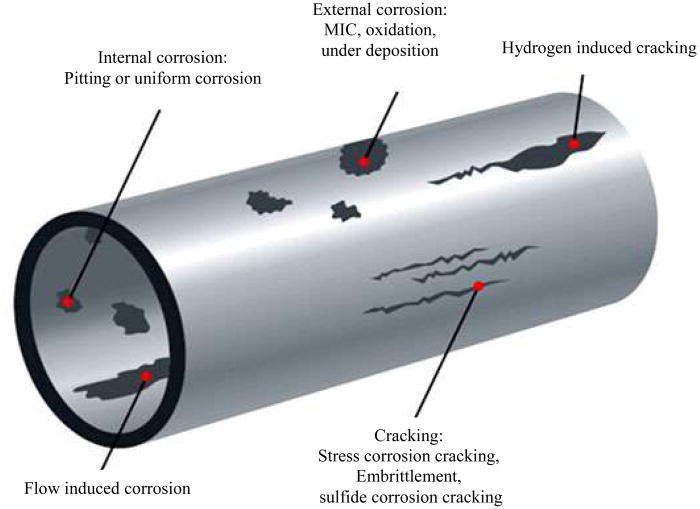
High chloride, low pH, or stagnant flow can trigger corrosion and reduce service life. Avoid crevices and use smooth ID pipes in such cases.

3. Operating Temperature & Pressure

Thermal cycling or excessive pressure causes fatigue and microcracks. Refer to ASME B31.3 piping rules.

4. Welding & Fabrication

Improper welding may cause sensitization or reduce corrosion resistance. Use qualified WPS and post-weld treatments.

5. Maintenance Practices

Systems that are cleaned, flushed, and inspected regularly can exceed expected lifespan by decades.


How to Maximize Service Life

  • Select the correct stainless grade for the medium
  • Use pickled or electropolished finish for corrosive or sanitary applications
  • Avoid stagnant flow and oxygen-deprived zones
  • Store pipes with end caps and in dry, ventilated spaces
  • Conduct periodic NDT inspections (UT, PT, EC)

More info: ASTM A213 & A269 Seamless Pipe Standards


Frequently Asked Questions (FAQ)

Q1: Can stainless pipes last over 50 years?
Yes, in clean, low-corrosion environments. TP316L or better grades are key to long service life.

Q2: What shortens the lifespan of stainless pipes?
Corrosive chemicals, chloride attack, mechanical stress, and poor installation practices.

Q3: Does wall thickness affect pipe life?
Yes. Thicker walls can delay perforation due to corrosion, especially in aggressive conditions.

Q4: How do I confirm expected pipe life for a project?
Consult NACE MR0175 for sour service, and work with suppliers like DLSS who provide grade-specific technical advice.


Conclusion

Stainless steel seamless pipes offer decades of durability when selected, installed, and maintained correctly.
From heat exchangers to sanitary systems, proper grade and surface treatment can extend service life and reduce lifetime costs.

DLSS helps clients worldwide select the best pipe solutions for their unique environments—designed to last, backed by certification.


Contact DLSS
Email: info@dlsspipe.com
Website: www.dlsspipeline.com

Wonderful! Share This Case:

Austenitic Stainless Steel

Duplex Stainless Steel

Nickel Alloys

▪ Incoloy Family

▪ Inconel Family

▪ Monel Family

▪ Hastelloy Family

▪ Other Special Alloys

Cobalt Alloys

Related Posts

Integrated Stainless Steel Piping Solutions for Industrial Projects

Integrated Stainless Steel Piping Solutions

Meta Description:For EPC contractors and system integrators, DLSS offers a one-stop stainless steel piping package: pipes, flanges, fittings, inspection, and global delivery. Introduction In large-scale industrial projects—such as oil refineries, power plants, food processing lines, and chemical facilities—procurement teams often face a key challenge: how to consolidate material supply while ensuring technical compliance and on-time […]

Read More
heat exchanger tubes

Heat Exchanger Tubes: Standards, Materials,

Heat exchanger tubes are the backbone of many critical industries, including oil & gas, power generation, petrochemicals, shipbuilding, and desalination. Choosing the right tube material and ensuring compliance with international standards are essential to guarantee safety, efficiency, and long-term performance. In this article, we provide a detailed overview of standards, materials, manufacturing processes, and applications […]

Read More
What Is Bright Annealed Tube (BA)? Benefits, Applications, and Surface Control

What Is Bright Annealed Tube

Meta Description:Discover the benefits of Bright Annealed (BA) stainless steel tubes. Learn how BA tubes are manufactured, their key applications, and why they are essential in precision industries. Introduction In industries where cleanliness, precision, and corrosion resistance are critical, the surface finish of stainless steel tubing is just as important as the alloy itself. Bright […]

Read More
Will Stainless Steel Seamless Pipes Rust? The Truth Behind the Name

Will Stainless Steel Seamless Pipes

Meta Description:Do stainless steel seamless pipes really resist rust? Understand the science of corrosion, what causes rusting in stainless steel, and how to prevent failures in critical systems. Introduction A common question among engineers and procurement teams is: “If it’s called stainless, can it rust?” The name “stainless steel” suggests perfect rust resistance—but in reality, […]

Read More
The Role of Heat Treatment in Stainless Steel Tube Manufacturing

The Role of Heat Treatment

Meta Description:Understand the critical role of heat treatment in the manufacturing of stainless steel tubes. Learn about solution annealing, stress relieving, grain size control, and how these affect tube performance and quality. Introduction Heat treatment is not just a step in the production of stainless steel tubes—it is a fundamental quality determinant that affects corrosion […]

Read More
Why Alloy C-276 Pipes are Essential for Acid Processing Industries

Why Alloy C-276 Pipes are

1. Introduction Industries handling aggressive chemicals such as sulfuric acid, hydrochloric acid, and phosphoric acid face constant challenges in piping material selection. Hastelloy C-276 (Alloy C-276) pipes are one of the most reliable choices for these corrosive environments. With outstanding resistance to strong oxidizers, reducing agents, and mixed chemical streams, Alloy C-276 tubes have become […]

Read More
What’s the Difference Between TP304, TP316, TP321, and Other Stainless Steel Tube Grades?

What’s the Difference Between TP304,

Meta Description:Explore the key differences between TP304, TP316, TP321, and other stainless steel tube grades. Learn how to choose the right material based on corrosion resistance, temperature, mechanical strength, and compliance with ASTM and EN standards. Introduction Choosing the correct stainless steel tube grade is crucial for ensuring performance, longevity, and regulatory compliance in industries […]

Read More
How Long Do Stainless Steel Seamless Pipes Last? Lifespan, Factors, and Best Practices

How to Choose the Right

Why Material Selection Matters for Heat Exchanger Tubes In heat exchanger applications, the wrong material can lead to premature corrosion, low thermal efficiency, or even costly shutdowns. Whether you’re designing for a refinery, a desalination plant, or a food-grade chiller, choosing the right stainless steel tube is a crucial step in ensuring durability, reliability, and […]

Read More

Request A Quote

*We respect your confidentiality and all information are protected.