Corrosion-Resistant Heat Exchanger Solutions for Offshore Oil & Gas Platforms

DLSS - Pipe&Tube - Corrosion-Resistant Heat Exchanger Solutions for Offshore Oil & Gas Platforms

Offshore oil and gas platforms operate in some of the harshest environments on earth—intense humidity, salt spray, hydrogen sulfide, and high-pressure processes. These conditions make corrosion the #1 threat to heat exchanger systems and piping reliability.

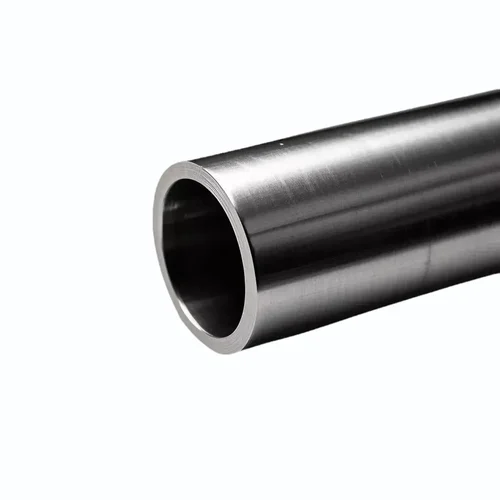
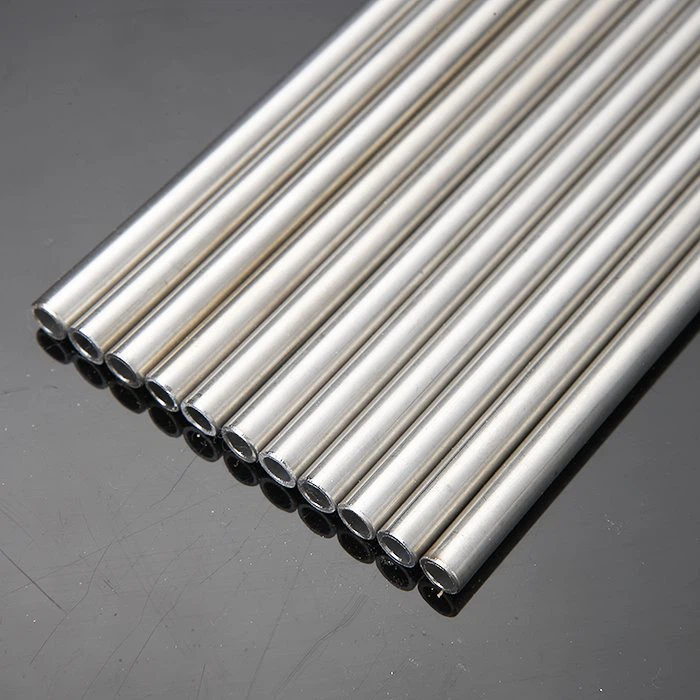
To reduce failures and maintenance costs, operators are turning to advanced stainless steel and duplex alloy tubes as the core solution for offshore heat exchangers.


1. The Offshore Corrosion Challenge

Key corrosion risks on offshore rigs include:

  • Seawater corrosion (pitting, crevice attack) from open-loop cooling systems
  • Sour service (H₂S exposure) in gas dehydration and amine units
  • Stress corrosion cracking (SCC) due to high chloride and thermal cycling
  • Galvanic corrosion when dissimilar metals are used in bundle assemblies

According to DNV, corrosion-related failures account for over 30% of unplanned downtime in offshore operations—much of it related to cooling, separation, or utility systems.
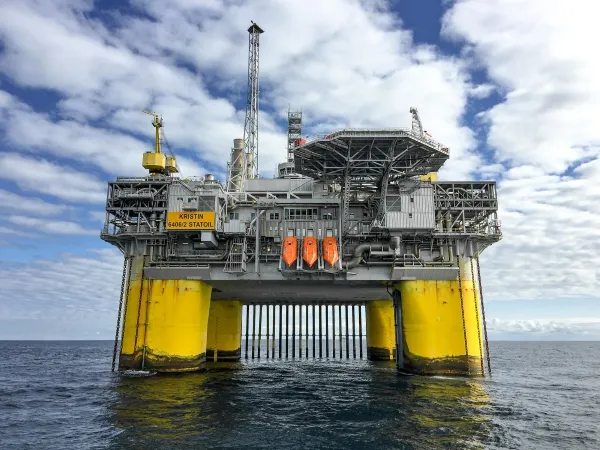
offshore-oil-gas-corrosion-resistant-heat-exchanger-tubes

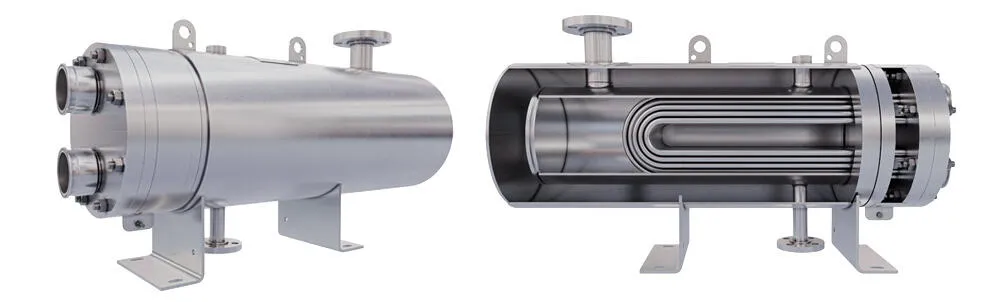
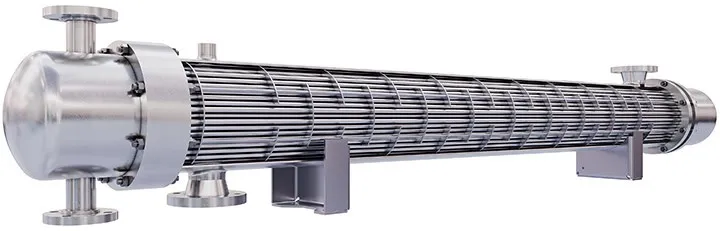
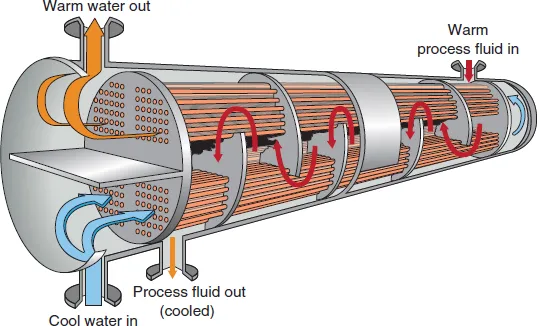
2. Where Heat Exchanger Tubes Are Used Offshore

Application AreaTube Function
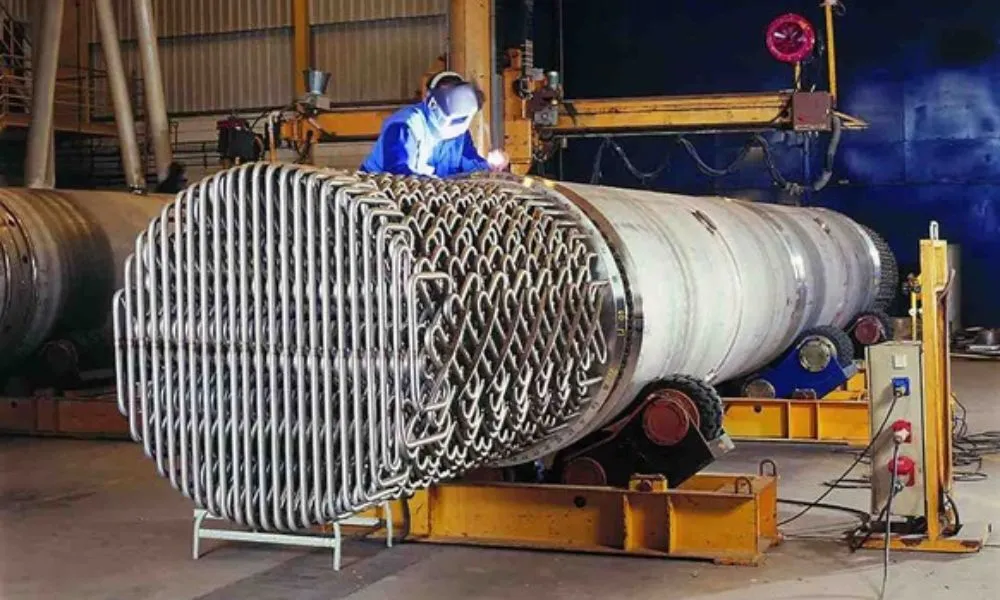
Crude oil coolersReduce temperature before separation or export
Gas dehydration unitsHeat and reboil glycol or amine solutions
Seawater-cooled condensersCondense process gases using seawater
Closed-loop platform coolingRemove heat from compressors, turbines, or control rooms

3. Materials That Outperform in Offshore Conditions

Austenitic Stainless Steel (TP316L / TP317L)

  • Used in moderate chloride environments (≤1000 ppm)
  • Easy to fabricate and weld
  • Pickled and passivated for enhanced corrosion resistance

Duplex Stainless Steel (S32205 / S32750)

  • Higher strength and chloride pitting resistance (PREN > 35)
  • Suitable for seawater, brine, and amine-rich systems
  • Often used in accordance with NORSOK M-630

Super Austenitic / Nickel Alloys (904L / 625)

  • For ultra-aggressive or sour gas conditions
  • High Ni-Mo-Cr content to resist crevice and pitting corrosion
offshore-oil-gas-corrosion-resistant-heat-exchanger-tubes

4. What Offshore Operators Expect from Tube Suppliers

RequirementDetails
NDT reports100% eddy current, hydrostatic or air under water testing
Heat treatmentSolution annealing + passivation
EN 10204 3.2 / Third-party inspectionRequired by many IOCs and offshore EPCs
Project traceabilityFull control from melt to final shipment
Marking and seaworthy packagingBundle tags, alloy identification, anti-corrosion wrapping

Suppliers who support early involvement in material selection, engineering drawings, and inspection plans often win long-term contracts.
offshore-oil-gas-corrosion-resistant-heat-exchanger-tubes

5. DLSS Capabilities

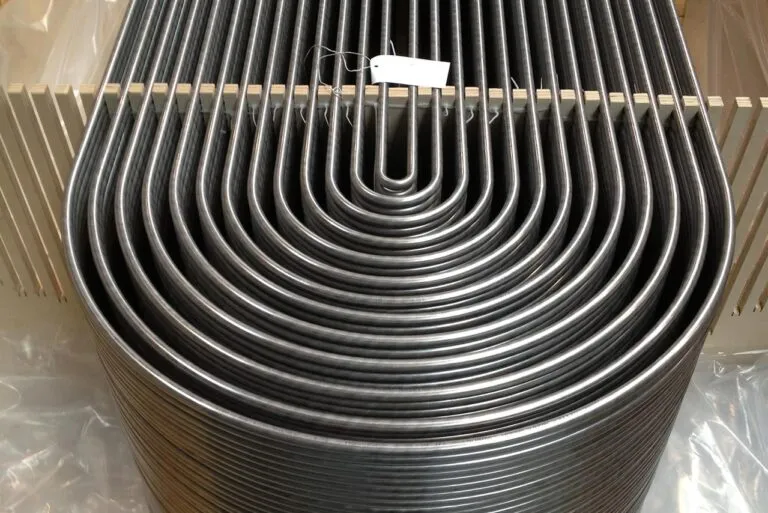
DLSS offers duplex and austenitic stainless tubes specifically engineered for offshore heat exchanger systems. Our products are 100% tested, PED/ASME certified, and seaworthy packed with full traceability. We’ve supported offshore projects in UAE, Norway, and Malaysia with finned U-tubes, straight bundles, and seawater-grade alloys.


Frequently Asked Questions (FAQ)

Q1: What’s the best stainless steel grade for seawater-cooled heat exchangers?
A: For temperatures below 60°C, S32205 (duplex) is excellent. For higher temperatures or aggressive conditions, S32750 or 904L is preferred.

Q2: Do all offshore projects require EN 10204 3.2 certificates?
A: Many do—especially when supplying to European oil majors (e.g., Equinor, TotalEnergies). Check tender specifications.

Q3: Can DLSS handle small-batch or urgent offshore projects?
A: Yes. We can support flexible MOQ, expedited production, and third-party inspections for shutdown or emergency projects.

Q4: How are tubes protected during marine shipment?
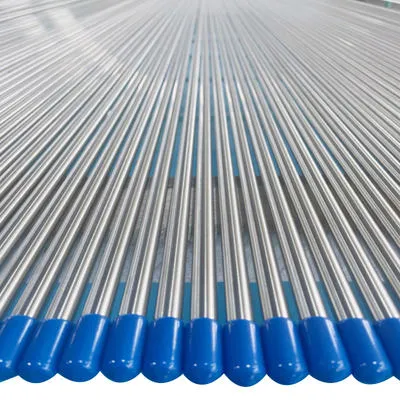
A: Tubes are capped, wrapped in VCI film or oil paper, bundled with alloy tags, and loaded in fumigated wooden crates or steel racks.


Conclusion: Strong Tubes for Rough Waters

Offshore operations don’t forgive weak materials. From FPSOs to gas dehydration skids, every tube must resist corrosion, thermal stress, and failure under pressure.

With the right alloy, treatment, and documentation, stainless steel tube manufacturers can become strategic partners—not just suppliers—in offshore energy’s most critical systems.

The future of energy lies partly at sea—and the right tube makes that future possible.

Wonderful! Share This Case:

Austenitic Stainless Steel

Duplex Stainless Steel

Nickel Alloys

▪ Incoloy Family

▪ Inconel Family

▪ Monel Family

▪ Hastelloy Family

▪ Other Special Alloys

Cobalt Alloys

Related Posts

How to Interpret a Stainless Steel Mill Test Certificate (MTC)

How to Interpret

Introduction A Mill Test Certificate (MTC), also known as a Material Test Report (MTR), is a quality assurance document provided by the manufacturer. It ensures the delivered stainless steel material—such as tubes, pipes, plates, or fittings—complies with the specified standards and purchase order. Understanding how to read an MTC is...

Read More
Why NACE MR0175 & ISO 15156 Matter When Sourcing Tubes for Sour Service

Why NACE MR0175

Meta Description:Learn why compliance with NACE MR0175 / ISO 15156 is essential when selecting stainless steel or alloy tubes for sour gas environments. Understand testing, materials selection, and DLSS compliance offerings. Introduction In oil and gas applications—especially those involving sour service environments with hydrogen sulfide (H₂S)—selecting the wrong material can...

Read More
New Growth Frontiers: Latin America’s Stainless Steel Tube Market in Energy and Industry

New Growth Frontiers:

Latin America (LATAM) is becoming an increasingly important region for stainless steel seamless tube suppliers—especially in the energy, mining, petrochemical, and food sectors. Countries like Brazil, Mexico, Argentina, and Chile are actively investing in infrastructure modernization, oil & gas projects, and renewable energy systems, all of which require heat exchangers,...

Read More
Advanced Pipe-Based Heat Exchanger Designs: U-Tube, Shell-and-Tube, and Coiled Tube Systems

Advanced Pipe-Based Heat

As industrial demands for thermal efficiency, space optimization, and corrosion resistance continue to grow, the design and selection of heat exchangers have become increasingly specialized. Beyond basic double tube systems, engineers often turn to more advanced pipe configurations to meet rigorous process requirements. In this article, we explore three widely...

Read More
Top Heat Exchanger Trends to Watch in 2025

Top Heat Exchanger

1. Hybrid Heat Exchangers: The Next Evolution Hybrid systems combine multiple heat transfer technologies (e.g., plate-fin + shell-and-tube) to boost energy efficiency and reduce installation space. This market is growing rapidly, fueled by decarbonization goals and integrated renewable systems. Market projection from LinkedIn They’re ideal for LNG plants, HVAC systems,...

Read More
How to Specify U-Bend Stainless Steel Tubes for Heat Exchangers

How to Specify

Introduction U-bend stainless steel tubes are a critical component in shell and tube heat exchangers, designed to increase heat transfer area while optimizing space. These tubes must meet strict dimensional, metallurgical, and mechanical standards to perform reliably under thermal cycling and high-pressure environments. This article guides you through the key...

Read More
Flange Sealing Techniques: How to Ensure a Leak-Proof Pipeline Connection

Flange Sealing Techniques:

Introduction If you’ve ever walked through an oil refinery or a chemical plant, you’ve probably seen a flange connection wrapped in insulation—maybe even dripping or steaming from a tiny leak. Flange connections are everywhere in pipeline systems, but when not sealed properly, they’re one of the most common sources of...

Read More
How DLSS Controls Grain Size for Austenitic Stainless Steel Tubes – Why It Matters

How DLSS Controls

Introduction Grain size in stainless steel is more than just a microscopic characteristic—it directly affects mechanical strength, corrosion resistance, formability, and creep performance. For critical applications such as heat exchangers, nuclear power, and chemical processing, maintaining the correct grain size (typically ASTM No. 5 to No. 8) is a specification...

Read More

Request A Quote

*We respect your confidentiality and all information are protected.