U-Bent Stainless Steel Tubes for Heat Exchangers: Manufacturing, Standards, and Applications

DLSS - Tubes For Heat Exchanger - U-Bent Stainless Steel Tubes for Heat Exchangers: Manufacturing, Standards, and Applications

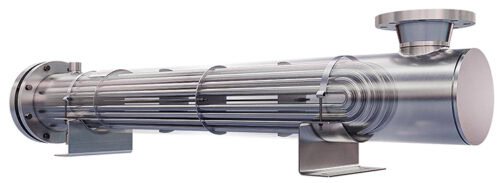
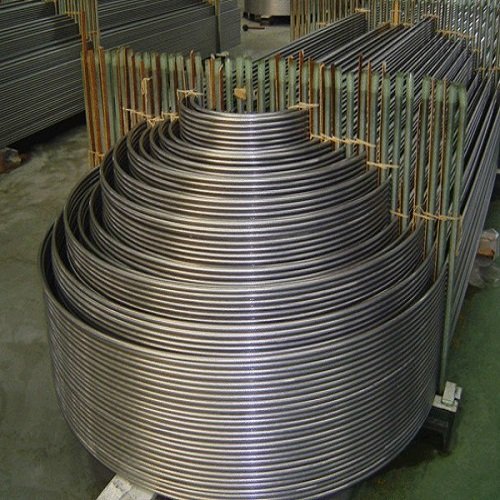
U-bent tubes are critical components in various heat exchanger systems, especially where space-saving or directional flow change is required—such as in shell-and-tube heat exchangers, condensers, boilers, and superheaters.

This article explains the manufacturing process, quality standards, and key applications of U-bent stainless steel tubes, along with how DLSS Pipeline ensures precision and reliability in every bend.


1. What Are U-Bent Tubes?

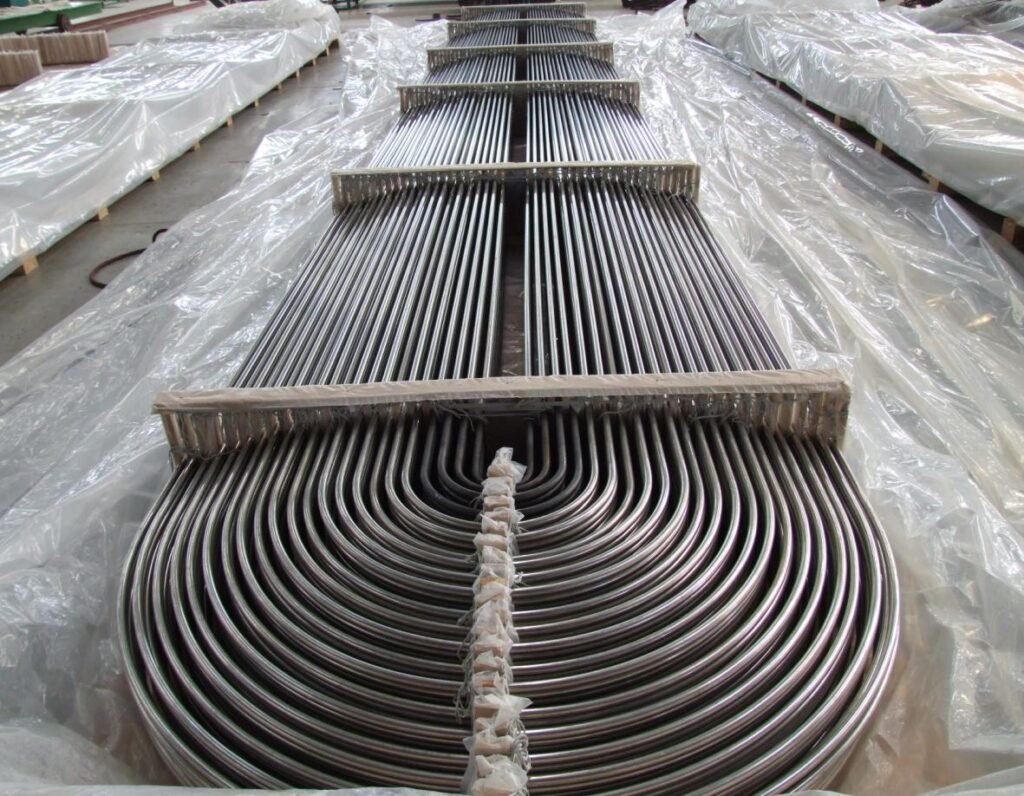
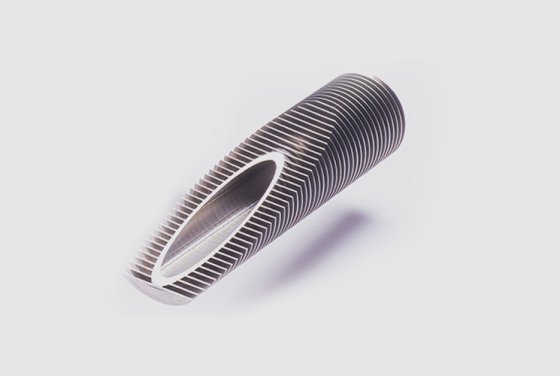
U-bent tubes are seamless or welded stainless steel tubes bent into a “U” shape using precision forming equipment. This design enables counterflow heat exchange within a compact space, making it ideal for high-efficiency and high-temperature systems.

Typical applications include:

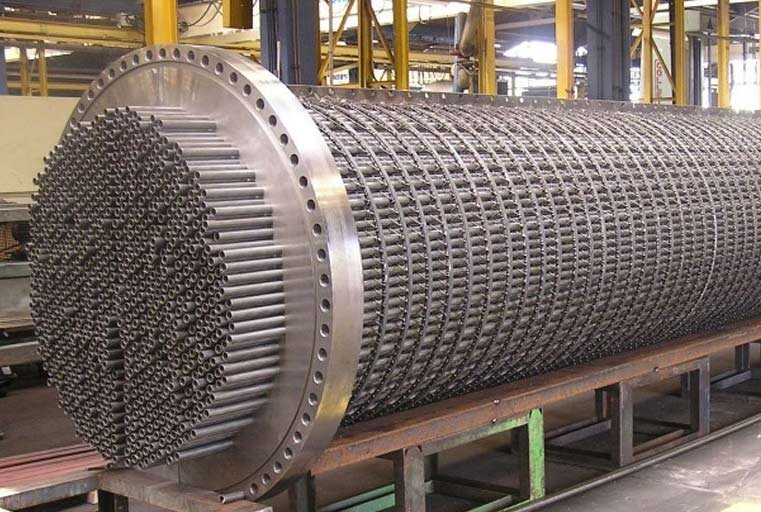
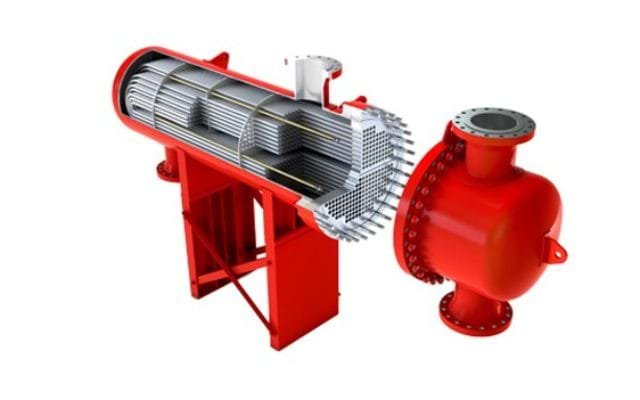
  • Shell-and-tube heat exchangers
  • Condensers and evaporators
  • Feedwater heaters and superheaters
  • Waste heat recovery units
U-Bent Stainless Steel Tubes for Heat Exchangers: Manufacturing, Standards, and Applications

2. U-Bending Manufacturing Process

At DLSS, U-bent tubes are manufactured through a tightly controlled multi-step process:

Step 1: Pre-bend Preparation

  • Tubes are cut to required length
  • End faces are deburred and cleaned
  • ID/OD are inspected for straightness and ovality

Step 2: Cold Bending

  • Tubes are bent using mandrel-controlled precision U-bend equipment
  • Bend radius typically ≥1.5×OD (or as per TEMA standard)
  • No wrinkling, ovality, or wall thinning allowed

Step 3: Stress Relieving (Post-Bend Heat Treatment)

  • Performed in inert gas or vacuum furnace
  • Eliminates residual stress at bend area
  • Required for most ASME/EN-certified exchangers
U-Bent Stainless Steel Tubes for Heat Exchangers: Manufacturing, Standards, and Applications

Step 4: Final Inspection and Packing

  • Leg length, bend radius, and straightness are verified
  • Dye penetrant or hydro test may be conducted
  • Tube ends are capped, matched, and protected with separators

For custom U-bend inquiries, contact DLSS Pipeline


3. International Standards & Tolerances

DLSS produces U-bent tubes according to the following standards:

  • ASME SA213 / SA789 – Seamless and welded tubes for boilers and heat exchangers
  • EN 10216-5 / EN 10217-7 – Austenitic and duplex stainless steel pressure tubes
  • TEMA R, C, and U classifications – Governing tolerances and bending guidelines
  • PED 2014/68/EU, ISO 9001, and other client-specified standards

Typical tolerance controls:

  • Leg length tolerance: ±1.5 mm
  • Bend centerline radius: ±1.0 mm
  • Ovality in bend: ≤10%
  • Wall thinning: ≤12% (as per ASME)
U-Bent Stainless Steel Tubes for Heat Exchangers: Manufacturing, Standards, and Applications

4. Common Grades and Sizes Available

DLSS manufactures U-bent tubes in the following materials:

GradeTypical Use
TP304 / TP304LGeneral heat exchangers, HVAC
TP316 / TP316LChemical, food, marine environments
TP317LAcidic fluids, high chloride environments
2205 / S31803Offshore, pressure vessels
S32750Oil & gas, high-stress systems

OD range: 12.7 mm – 38.1 mm
Wall thickness: 0.8 mm – 4.0 mm
Bend radius: 1.5×OD and above
U-leg length: Up to 12 meters (or custom)


5. Inspection and Quality Assurance

Each U-bent tube undergoes strict quality control:

  • Visual & dimensional inspection for bend shape and tolerance
  • Eddy Current Testing or Hydrostatic Testing
  • Dye Penetrant Testing at bend zones
  • Material certificate (EN 10204 3.1 or 3.2)
  • Heat treatment record with time/temperature tracking

Learn more about DLSS inspection capabilities at www.dlsspipeline.com


Frequently Asked Questions (FAQ)

Q1: What’s the minimum bend radius for U-tubes?
Most common is 1.5×OD, but DLSS can provide tighter or custom radii upon request.

Q2: Is post-bend stress relieving always required?
Yes, especially for high-temperature or ASME Section I/III applications. It improves tube life and dimensional stability.

Q3: Can DLSS supply matched U-tube bundles?
Absolutely. DLSS can label, group, and package tubes in matching sets per drawing or TEMA layout.
Quality Inspection Methods for Stainless Steel Heat Exchanger Tubes

Conclusion

U-bent stainless steel tubes are essential for compact, high-efficiency heat exchangers. With precise bending, reliable heat treatment, and strict quality control, they ensure maximum performance and safety.

DLSS Pipeline is your trusted source for custom U-bend solutions—delivering quality, compliance, and performance for projects worldwide.

Wonderful! Share This Case:

Austenitic Stainless Steel

Duplex Stainless Steel

Nickel Alloys

▪ Incoloy Family

▪ Inconel Family

▪ Monel Family

▪ Hastelloy Family

▪ Other Special Alloys

Cobalt Alloys

Related Posts

U-Bent Heat Exchanger Tubes: Precision and Reliability for Industrial Efficiency

U-Bent Heat Exchanger

Introduction In complex thermal systems—such as boilers, condensers, and heat recovery units—U-bent stainless steel tubes offer a compact, efficient, and high-performance solution. Their curved design allows for greater heat transfer in limited space, with minimal pressure loss and easier maintenance access. These tubes are particularly valuable in South American energy...

Read More
india-manufacturing-export-impact-stainless-steel-supply

How India’s “Make

India has become one of the fastest-growing hubs for industrial manufacturing, with a focus on energy, infrastructure, and heavy equipment. The Indian government’s flagship initiative—Make in India—coupled with incentives for exports, is rapidly transforming the global stainless steel supply landscape. For global pipe buyers, EPC contractors, and even competing tube...

Read More
Stainless Steel Tube Selection for LNG and Cryogenic Applications (2025 Guide)

Stainless Steel Tube

Why Cryogenic Environments Demand Specialized Tubing Cryogenic systems, such as LNG pipelines, vaporizers, and storage tanks, operate at extremely low temperatures — sometimes below –196°C. In such harsh conditions, stainless steel tubes must retain excellent mechanical strength, ductility, and impact toughness. Incorrect tubing materials in LNG systems can lead to...

Read More
Comparing ASTM A213, A269, and A312 – Selecting the Right Stainless Steel Tube Standard

Comparing ASTM A213,

Introduction When sourcing stainless steel tubes, choosing the correct ASTM standard is critical for compliance, safety, and performance. Among the most commonly used specifications are: Each standard serves a specific purpose and comes with unique mechanical, dimensional, and testing requirements. This guide will help you understand the differences and select...

Read More
Electropolished Tubing: When and Why to Use It

Electropolished Tubing: When

Introduction In industries where surface purity, cleanliness, and corrosion resistance are paramount, electropolished (EP) tubing is no longer optional—it’s a necessity. Whether you’re building pharmaceutical cleanrooms, semiconductor cooling loops, or biotech reactors, EP tubing ensures the performance, sterility, and durability that standard stainless steel tubes can’t match. This article explains...

Read More

ISO 2037 Sanitary

ISO 2037 sanitary tube is a common term in food, beverage and hygienic piping projects. Many old drawings, RFQs and equipment lists still mention ISO 2037. Buyers may also use this term when they need stainless steel sanitary tubes for dairy lines, beverage lines, food processing systems or clean process...

Read More
ASTM B163 Incoloy 825 (UNS N08825) Seamless Tube – 25.4 × 2.11 × 5555 mm, Bright Annealed Surface

ASTM B163 Incoloy

Product Details Chemical Composition of Incoloy 825 (UNS N08825) Element Composition (%) Nickel (Ni) 38.0 – 46.0 Chromium (Cr) 19.5 – 23.5 Iron (Fe) Balance Molybdenum (Mo) 2.5 – 3.5 Copper (Cu) 1.5 – 3.0 Titanium (Ti) 0.6 – 1.2 Carbon (C) ≤ 0.05 Incoloy 825 is a nickel-iron-chromium alloy with added molybdenum,...

Read More
ASTM A269 vs ASTM A213: What’s the Difference for Stainless Steel Tubes?

ASTM A269 vs

Introduction When sourcing stainless steel tubes, understanding the applicable ASTM standards is crucial. Two commonly referenced specifications are ASTM A269 and ASTM A213. While they may seem similar, these standards differ significantly in intended use, required testing, surface finish, and tolerances. In this article, we compare ASTM A269 and ASTM...

Read More

Request A Quote

*We respect your confidentiality and all information are protected.