Different Types of Finned Tubes and Their Applications in Heat Exchangers

DLSS - Finned Tube Knowledge Hub - Different Types of Finned Tubes and Their Applications in Heat Exchangers

Finned tubes come in a variety of designs, each engineered to meet specific heat transfer and operating conditions. Choosing the right type of finned tube is essential for achieving optimal heat exchanger efficiency and long-term durability.

If you are new to the concept, you can first read our article What is a Finned Tube and How It Improves Heat Exchanger Efficiency for an introduction.


1. High-Frequency Welded Finned Tubes

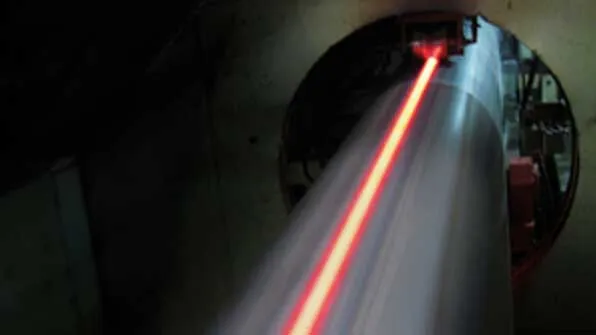
In this type, steel or alloy fins are helically wound around the tube and welded using high-frequency electric current. This method ensures:

  • Strong metallurgical bond between fin and tube
  • High thermal conductivity
  • Long service life in high-temperature environments
    Applications: Petrochemical plants, boilers, power plants.

2. Extruded Finned Tubes

Manufactured by extruding aluminum or copper over the base tube, producing a tight mechanical bond and excellent corrosion protection.

  • Superior resistance to environmental corrosion
  • Suitable for offshore and marine use
    Applications: Seawater condensers, HVAC systems, desalination plants.

3. Spiral (Continuous) Finned Tubes

These tubes feature continuous helical fins wrapped around the tube’s outer surface.

  • Increased heat transfer surface area
  • Good for air-side heat exchange
    Applications: Air-cooled heat exchangers, gas coolers, oil heaters.

4. Low-Fin Tubes

Fins are rolled directly into the outer surface of the tube wall, creating small, closely spaced fins.

  • Compact size with moderate heat transfer enhancement
  • Improved resistance to fouling
    Applications: Refrigeration, chillers, chemical processing.

5. Serrated Finned Tubes

Fins are cut into segments (serrations) to create turbulence in the air stream, improving heat transfer.

  • Higher heat transfer rates compared to smooth fins
    Applications: Gas-to-air heat exchangers, industrial dryers.

Choosing the Right Finned Tube

When selecting a finned tube, consider:

  • Operating Temperature – Choose materials that withstand your process conditions.
  • Corrosion Resistance – Select alloys resistant to the fluids and environment.
  • Heat Transfer Requirements – Match fin design to your required efficiency.

For guidance on improving performance, see our guide on Heat Exchanger Maintenance Checklist.


Conclusion

Each type of finned tube offers distinct advantages. The right choice depends on your application, process conditions, and desired efficiency. At DLSS, we provide customized finned tube manufacturing, from material selection to precise engineering, ensuring maximum heat exchanger performance.

Contact our engineering team today at www.dlsspipeline.com or email info@dlsspipe.com to discuss the best finned tube for your project.

Wonderful! Share This Case:

Austenitic Stainless Steel

Duplex Stainless Steel

Nickel Alloys

▪ Incoloy Family

▪ Inconel Family

▪ Monel Family

▪ Hastelloy Family

▪ Other Special Alloys

Cobalt Alloys

Related Posts

Stainless steel seamless bright tube

Stainless Steel Ultra-pure Clean BA/EP

Stainless Steel Ultra-Pure Clean BA/EP Tubes for Semiconductor Applications In the high-tech world of semiconductor manufacturing, purity is everything. From the wafers to the equipment, every component must meet stringent cleanliness standards to ensure flawless performance. Among the most critical components are ultra-pure stainless steel tubes, especially those with BA (Bright Annealed) and EP (Electropolished) finishes. These tubes are widely […]

Read More
Understanding Duplex and Super Duplex Stainless Steel Tubes – Grades, Benefits, Applications

Understanding Duplex and Super Duplex

Meta Description:Explore the differences between duplex and super duplex stainless steel tubes. Learn about their chemical composition, corrosion resistance, mechanical strength, and best-use applications in harsh environments. Introduction When stainless steel isn’t enough for aggressive environments—duplex and super duplex stainless steels step in. These high-performance materials combine the advantages of both austenitic and ferritic structures, […]

Read More
galvanized steel vs stainless steel

Galvanized Steel vs Stainless Steel:

1. Introduction When selecting materials for industrial piping, heat exchangers, condensers, and boiler systems, engineers often compare galvanized steel with stainless steel. Both are corrosion-resistant metals, yet their mechanisms, durability, and long-term performance differ significantly. At DLSS (Zhejiang Daling Special Steel Co., Ltd.), we manufacture and supply seamless and welded stainless steel tubes for demanding […]

Read More
Selecting Stainless Steel Tubes for Boilers and High-Temperature Heaters (2025 Guide)

Selecting Stainless Steel Tubes for

Why High-Temperature Applications Require Specialized Tubes Boilers, reheaters, and furnace coils operate in environments that push materials to their thermal limits. Stainless steel tubes used in these systems must withstand continuous exposure to temperatures ranging from 500°C to over 1000°C, while also resisting oxidation, creep deformation, and thermal fatigue. Without proper material selection, high temperatures […]

Read More
Stainless Steel Tubes for Pharmaceutical and Cleanroom Systems – Surface Standards and Certification

Stainless Steel Tubes for Pharmaceutical

Meta Description:Explore the critical requirements for stainless steel tubing in pharmaceutical and cleanroom applications. Understand surface finish standards, certifications, and DLSS’s high-purity solutions. Introduction In pharmaceutical production and cleanroom environments, the cleanliness and surface integrity of stainless steel tubing are paramount. Even microscopic contamination can compromise product quality, regulatory compliance, or batch sterility. DLSS manufactures […]

Read More
What is a Finned Tube and How It Improves Heat Exchanger Efficiency

What is a Finned Tube

Finned tubes are a specialized type of heat transfer component designed to increase the surface area available for heat exchange between fluids. By adding extended surfaces or “fins” to the tube’s exterior, these components can significantly improve the efficiency of heat exchangers, making them ideal for applications where space is limited, or higher heat transfer […]

Read More
Export Packaging and Protection for Stainless Steel Heat Exchanger Tubes

Export Packaging and Protection for

When exporting stainless steel heat exchanger tubes, quality doesn’t stop at production—it must extend through to delivery. Improper packaging can result in corrosion, deformation, contamination, or mechanical damage during transit, especially over long sea voyages. At DLSS Pipeline, we ensure every shipment arrives in perfect condition with customized export packaging and robust protection tailored to […]

Read More
Top 10 Materials Used in Industrial Pipeline Engineering

Top 10 Materials Used in

Meta Description:Explore the 10 most common materials used in pipeline engineering, from stainless steel and carbon steel to exotic alloys. Understand their pros, cons, and applications across industries. Introduction Choosing the right material is one of the most critical decisions in pipeline engineering. The material affects not only the strength, corrosion resistance, and temperature tolerance […]

Read More

Request A Quote

*We respect your confidentiality and all information are protected.