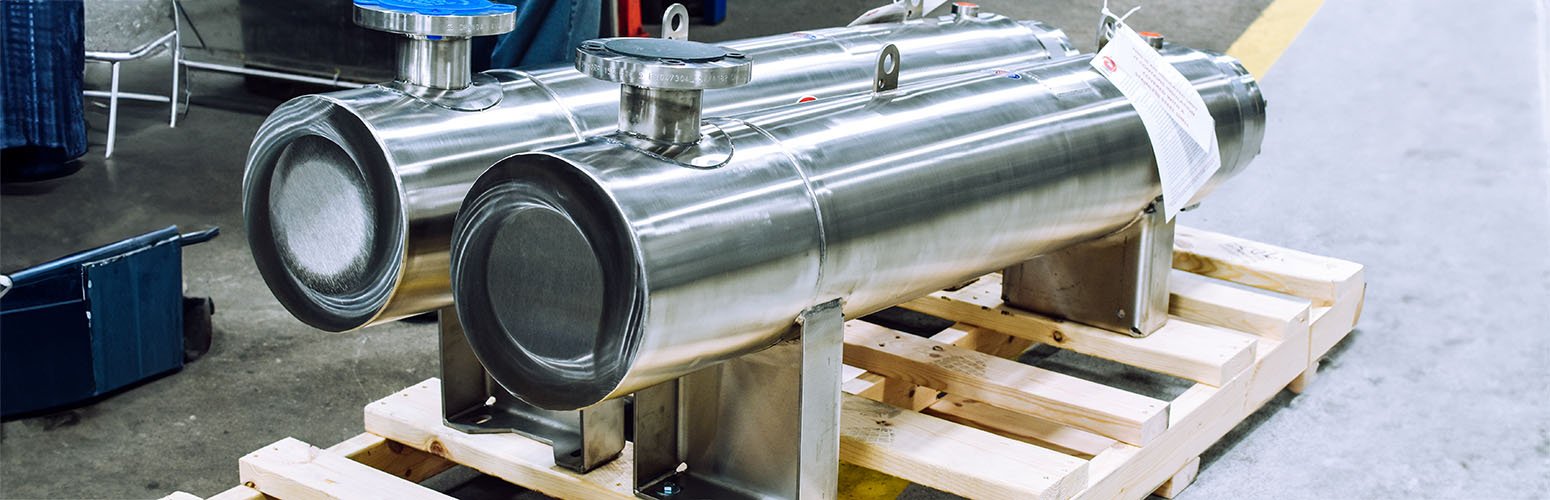
How Precision Stainless Steel Tubes Improve Industrial Efficiency and System Stability

DLSS - Pipe&Tube - How Precision Stainless Steel Tubes Improve Industrial Efficiency and System Stability

In high-demand industrial environments, precision stainless steel tubing is more than just a conduit—it plays a critical role in enhancing the overall efficiency and stability of a system. This article delves into how precision stainless steel tubes contribute to improving industrial system performance.
The Importance of Precision Tubing

1、Enhanced Heat Transfer Efficiency

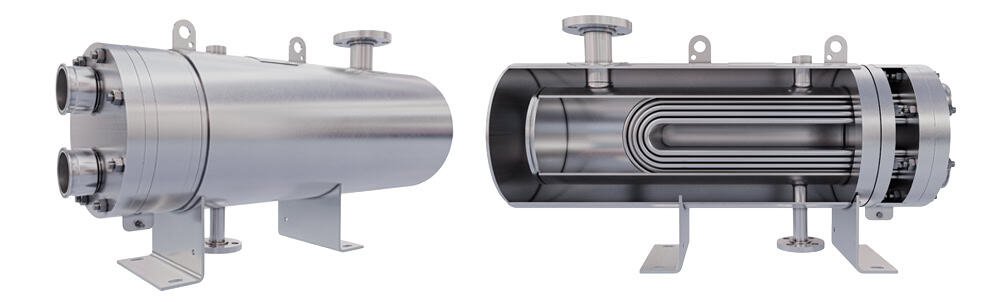
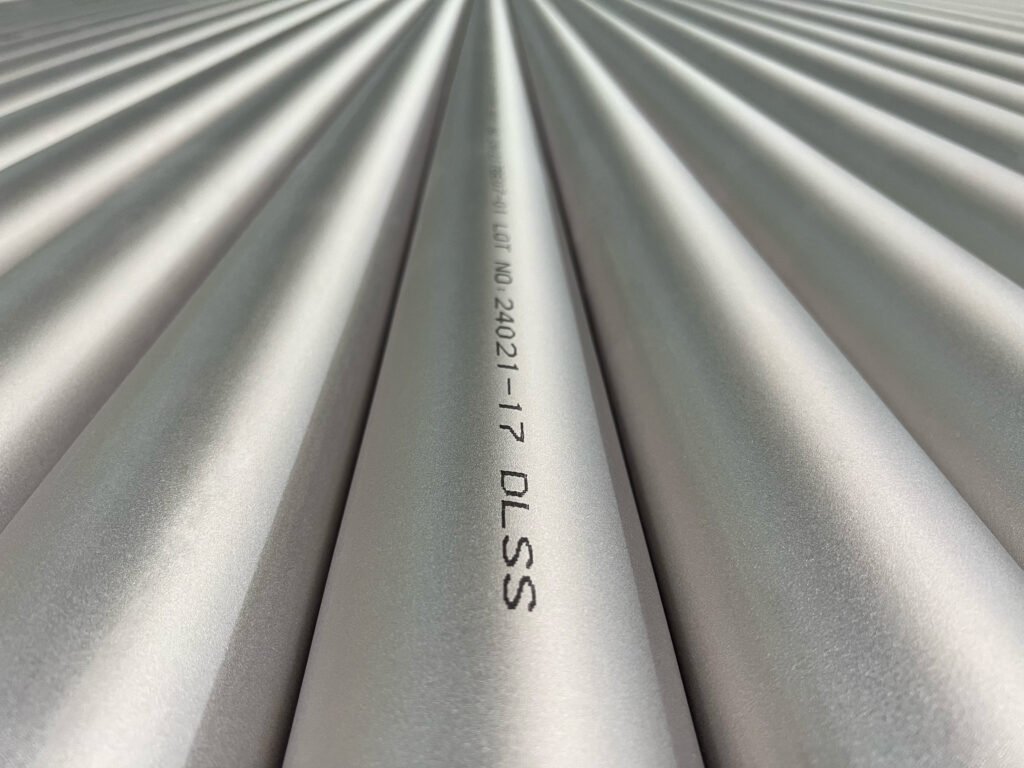
The smoothness of a stainless steel tube’s inner wall directly affects fluid flow resistance and heat exchange performance. Precision tubes are manufactured with high accuracy and flawless inner surfaces, reducing fluid friction loss and improving heat transfer efficiency. This is especially vital in heat exchangers, where a smooth inner wall maximizes energy transfer.

2、Minimized Leakage and Pressure Fluctuations

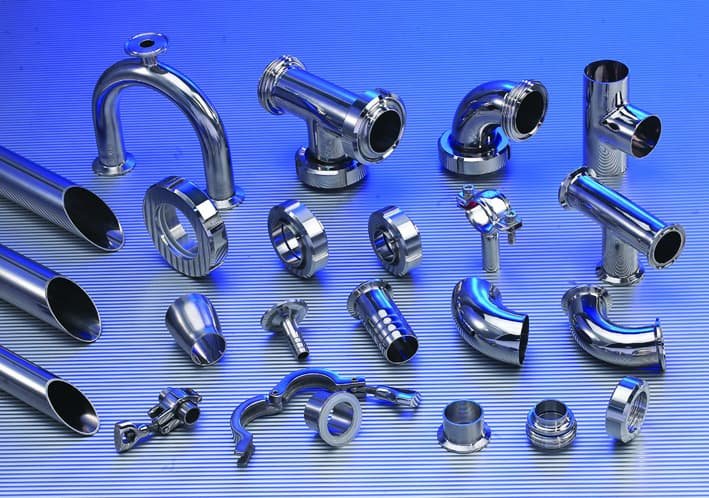
In high-pressure systems, the accuracy of pipe fittings is essential. Precision tubing ensures tight connections, reducing the risk of leaks caused by dimensional discrepancies. These tubes can also withstand greater pressure fluctuations and are less prone to deformation, ensuring system safety.

3、Reduced Maintenance and Downtime

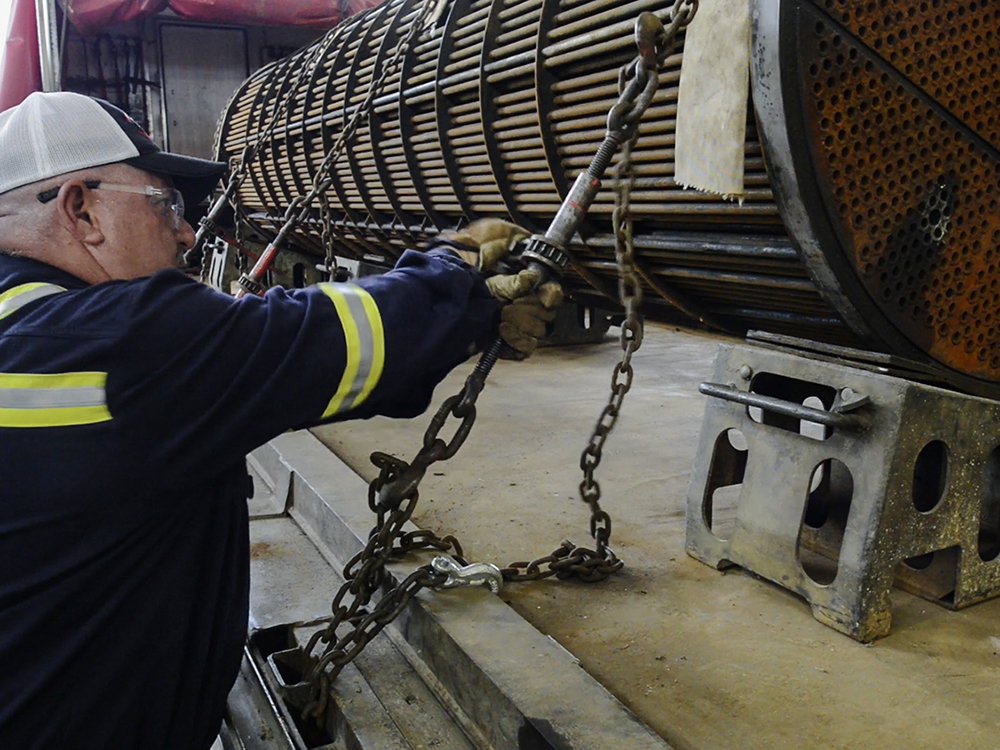
Thanks to their durability, precision stainless steel tubes are less likely to fail under extreme conditions, resulting in longer service life. This reduces system downtime and maintenance costs. Accurate manufacturing processes ensure the tubes remain fatigue- and corrosion-resistant over prolonged use.
Application Case Studies

1、Seawater Desalination

In desalination processes, tubes must withstand both high salinity and elevated temperatures. Precision stainless steel tubes effectively resist chloride ions and other corrosive elements in seawater, ensuring long-term, efficient operation of heat exchanger systems.

2、Chemical Plants

During chemical reactions, tubes in heat exchangers are often exposed to strong acids or bases. Precision stainless steel tubing provides superior corrosion resistance, thereby enhancing system stability and reaction efficiency.

Conclusion

Precision stainless steel tubes play a key role in boosting heat transfer efficiency, minimizing leaks, and enhancing system stability. They also reduce long-term maintenance costs, making them an indispensable component in modern industrial systems.

Wonderful! Share This Case:

Austenitic Stainless Steel

Duplex Stainless Steel

Nickel Alloys

▪ Incoloy Family

▪ Inconel Family

▪ Monel Family

▪ Hastelloy Family

▪ Other Special Alloys

Cobalt Alloys

Related Posts

Titanium GR2 Condenser Tubes for Seawater Desalination Plants

Titanium GR2 Condenser

1. Introduction Seawater desalination projects are expanding rapidly across the Middle East, North Africa, and Asia, with a market size of over 25 billion USD. One of the most critical components in desalination plants is the condenser and heat exchanger tubing, where Titanium Grade 2 (GR2) tubes are the preferred...

Read More
How to Prevent Common Failures in Stainless Steel Tubes: 5 Case-Based Insights

How to Prevent

Introduction Even the best-grade stainless steel tubes can fail—if not properly selected, processed, or installed. From pitting corrosion in chloride-rich environments to stress corrosion cracking (SCC) in heat exchangers, these failures often lead to costly downtime, replacements, or even plant shutdowns. This article highlights 5 major failure types observed in...

Read More

5 Common Causes

Heat exchanger tube failure can lead to system shutdowns, costly repairs, and even safety risks. Understanding the causes can help prevent future problems. In this article, we’ll cover the 5 most common reasons tubes fail—and how choosing the right materials and surface treatment can make all the difference. 1. Pitting...

Read More
Selecting Stainless Steel Tubes for Seawater, Desalination, and Marine Applications (2025 Guide)

Selecting Stainless Steel

Why Seawater and Desalination Systems Require Specialized Tubing Seawater contains high concentrations of chlorides, which are extremely aggressive toward most conventional stainless steels. In marine environments or desalination plants, tubes are exposed to continuous flow of saline water, biofouling, crevice conditions, and temperature fluctuations. To ensure long service life and...

Read More
What is a Finned Tube and How It Improves Heat Exchanger Efficiency

Finned Tubes for

Finned tubes are widely used in heat exchangers, boilers, economizers, air coolers, condensers, evaporators, and heat recovery systems. Their main purpose is simple: increase the heat transfer surface area without greatly increasing the size of the equipment. However, finned tube selection is not only about adding more fins. A good...

Read More
Aluminum Brass C68700 (O61) ASTM B111 Seamless Tube 19 × 1.6mm × 3000mm with 100% Eddy Current Testing for Condenser Applications.

Aluminum Brass C68700

Product Overview: ASTM B111 C68700 Aluminum Brass Seamless Tube (19×1.6mm, 3000mm) C68700 Aluminum Brass, also known as Al-Brass, is a copper-zinc alloy enhanced with a small amount of aluminum. It is widely recognized for its exceptional resistance to dezincification, corrosion, and biofouling, especially in seawater and brackish water environments. This makes it...

Read More
How to Select the Right Stainless Steel Seamless Pipe for Projects in South America

Why High-Performance Grades

As industrial applications become more extreme—whether due to high chloride content, elevated temperatures, or corrosive media—the demand for high-alloy stainless steel seamless tubes is rising sharply. Materials such as 904L, 2205 duplex, and 2507 super duplex are seeing significant adoption across oil & gas, chemical processing, desalination, and offshore energy...

Read More
Common Heat Exchanger Tube Failures and How to Prevent Them

Common Heat Exchanger

Introduction Heat exchanger tube failures can lead to: Understanding the most frequent failure mechanisms is key to designing, selecting, and maintaining reliable heat exchanger systems. In this article, we explore the five most common tube failure types—and how to avoid them. 1. Pitting Corrosion Occurs when localized corrosion breaks through...

Read More

Request A Quote

*We respect your confidentiality and all information are protected.