3.2 Certificate, TPI inspection and delivery process description

DLSS - Pipe&Tube - 3.2 Certificate, TPI inspection and delivery process description

Product Information

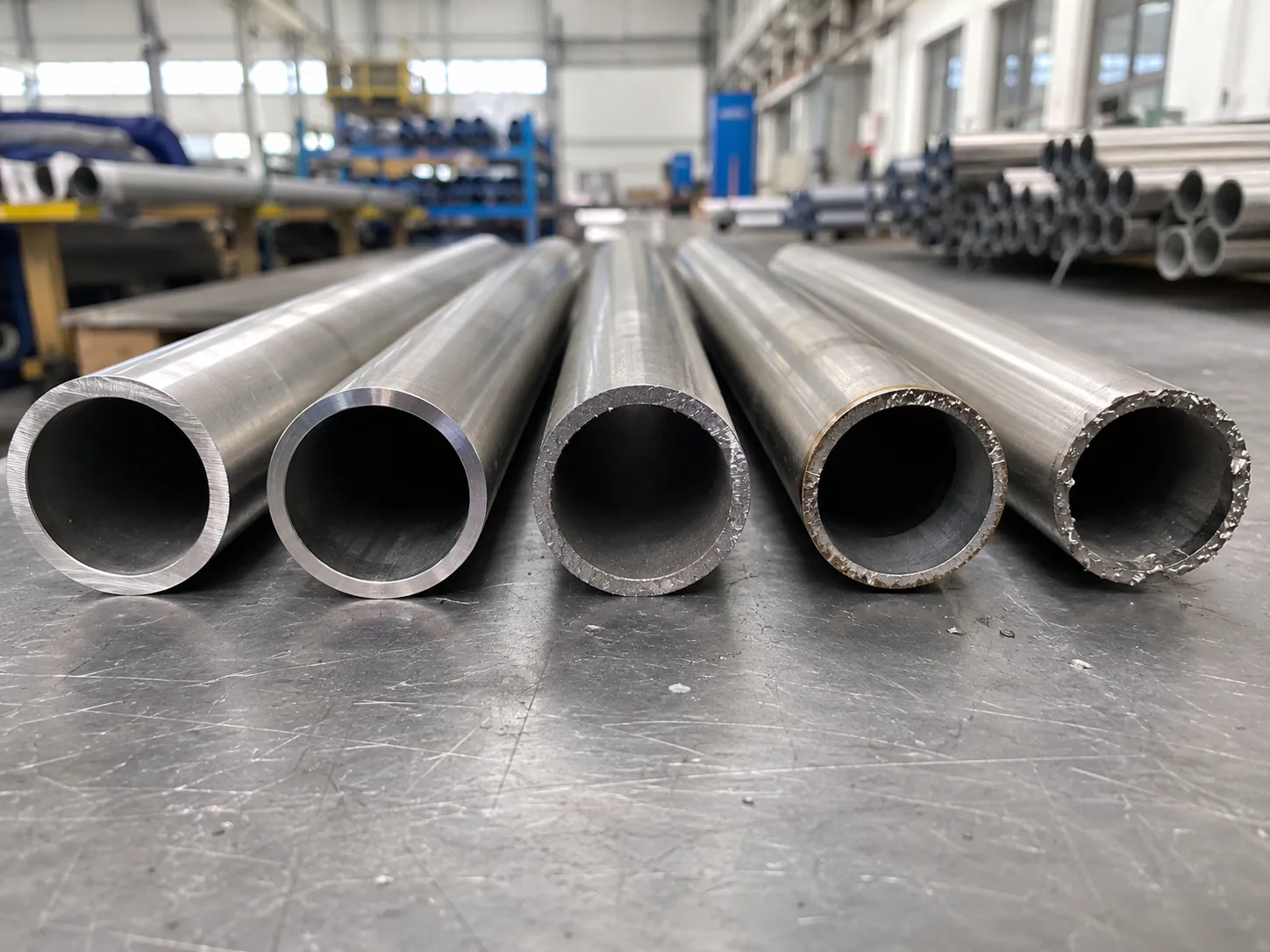
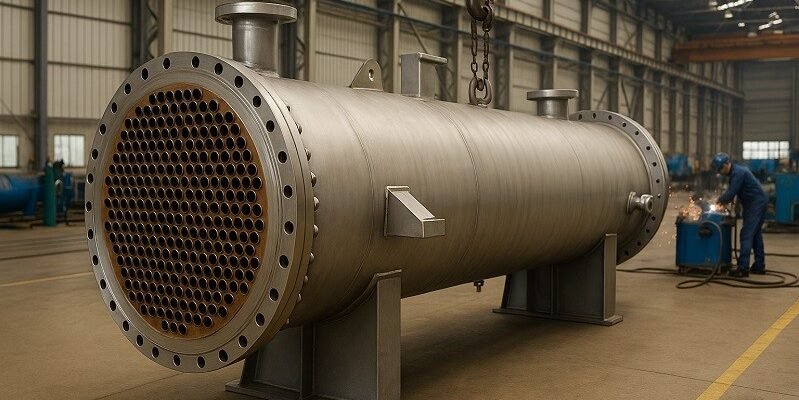
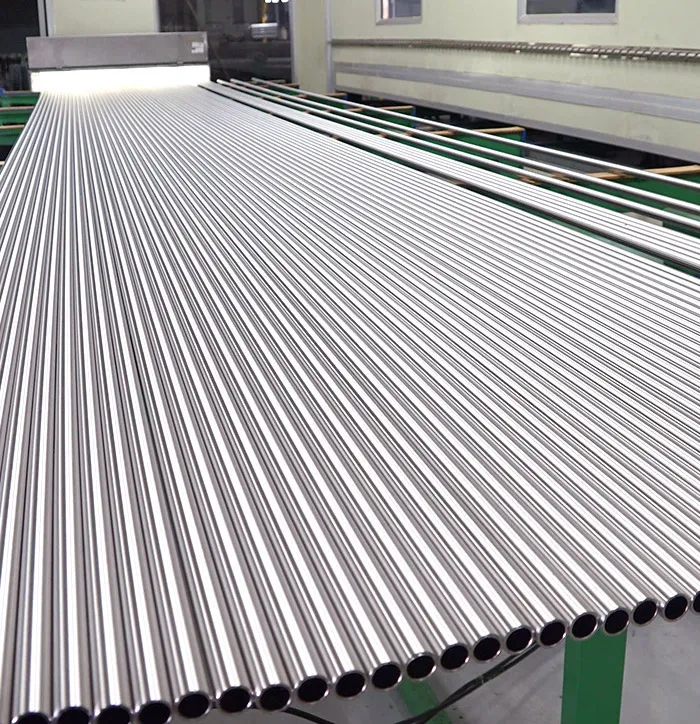
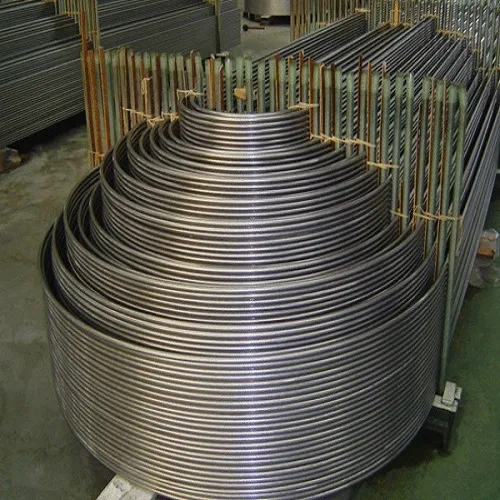
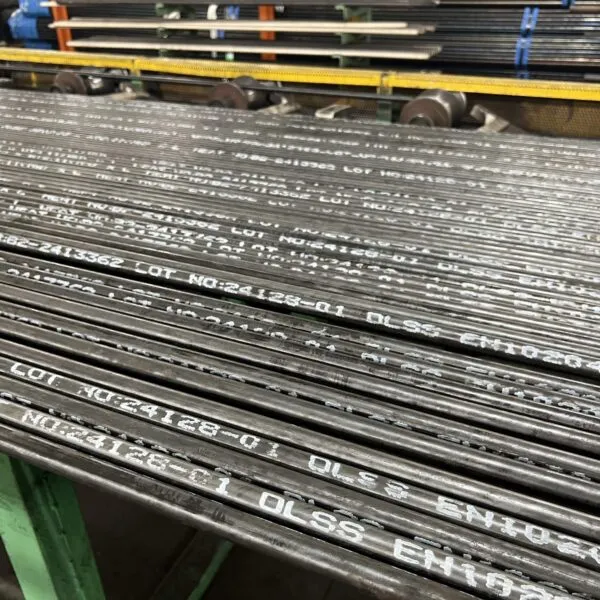
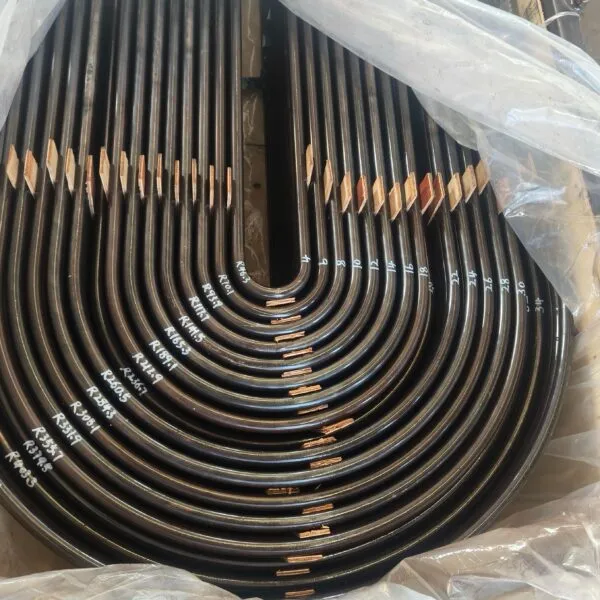
ASME SA179 Seamless U-tubes ∅19.05 × 2.11min × L12210.9~13617.8mm, Total: 1,352 pcs
Project Background

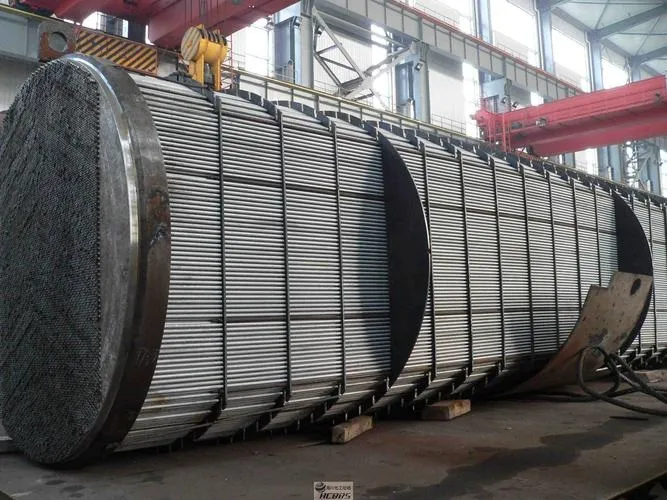
The end user is a large energy and chemical company. Due to severe quality issues with previously sourced ASME SA179 tubes from India—leading to equipment shutdown and project suspension—the customer urgently needed to procure new tubes for heat exchanger remanufacturing and project restart.

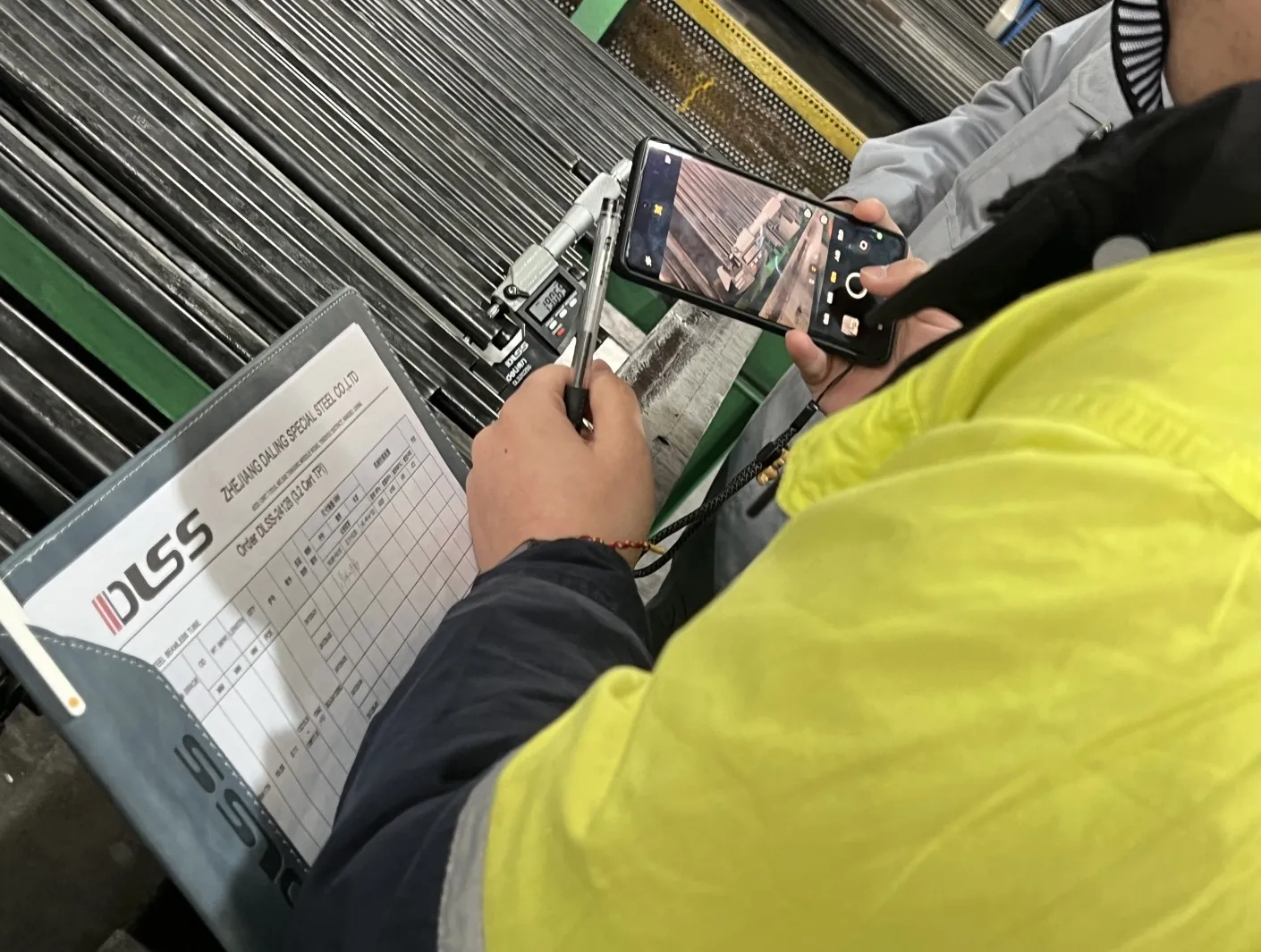
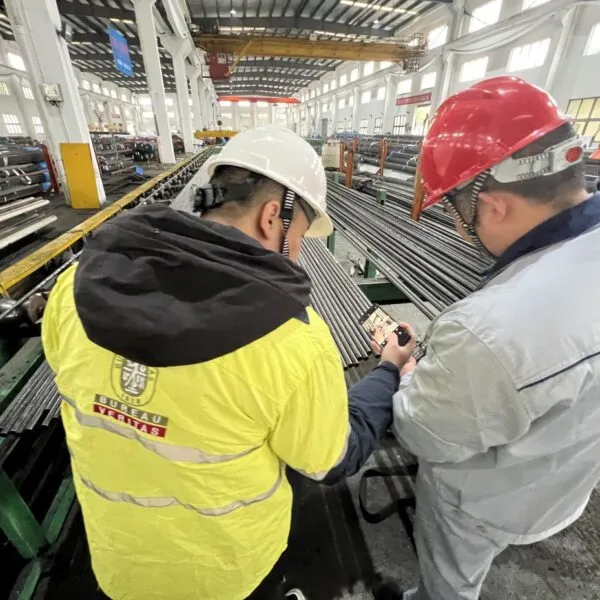
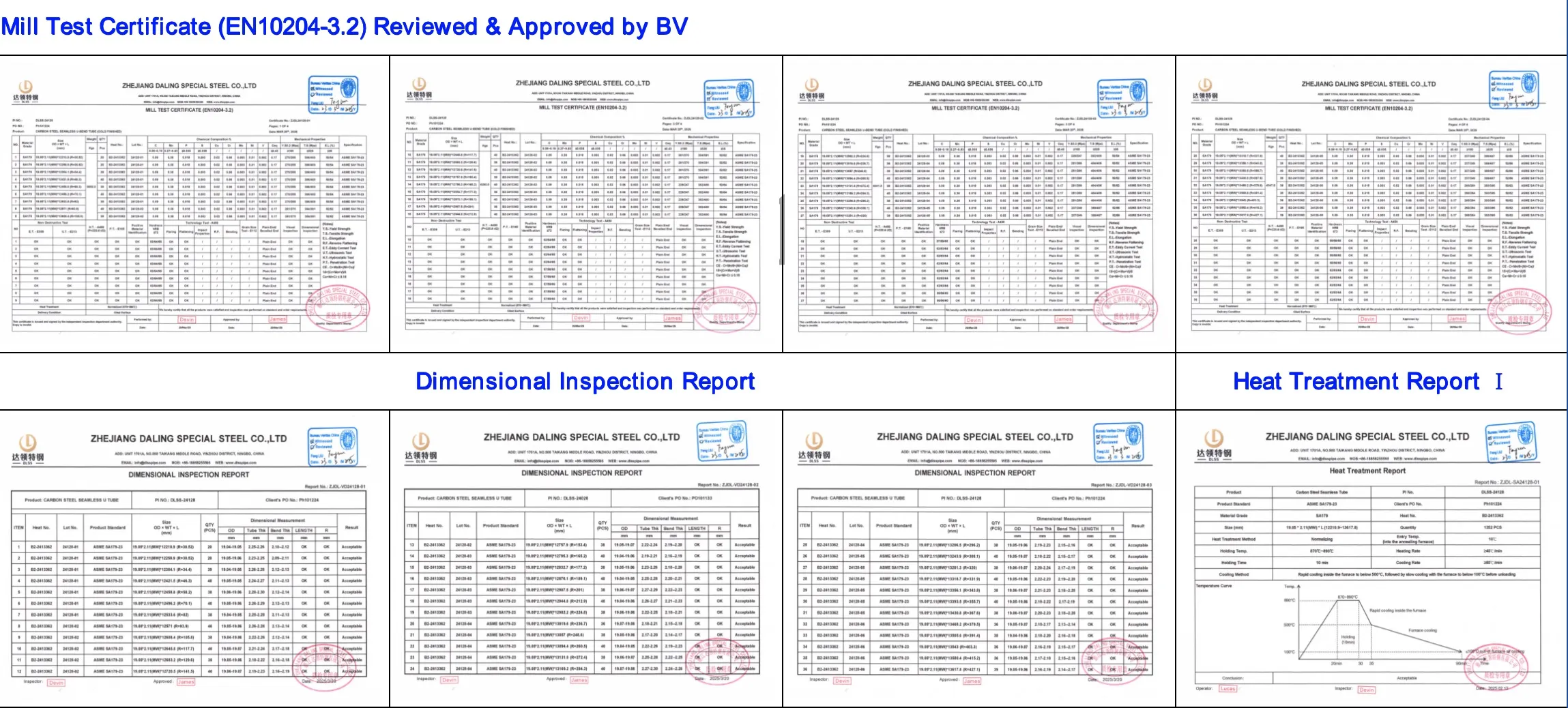
As the core components of the heat exchanger, the quality of the tubes is critically important. The customer places great emphasis on this project. To ensure 100% compliance with standards and full inspection conformity, this order follows the EN10204-3.2 certification standard, with all inspection items witnessed on-site by the authoritative third-party agency Bureau Veritas (BV).

Below are the key inspection highlights and process optimizations. The entire process is traceable and fully transparent.
Inspection Highlights & Technical Enhancements

1) Sufficient Stock Prepared to Ensure Safe Project Delivery

To account for sampling inspections and potential losses during on-site installation, we produced an additional quantity of tubes as buffer for third-party sampling and customer backup. In the final delivery, we provided 10 extra tubes FREE OF CHARGE as SUPPORT to help ensure smooth project progress.
2) Upgraded Heat Treatment Process to Enhance Product Performance

To meet the customer’s higher performance demands in actual application, the standard annealing process (Annealing at 650°C) was upgraded to normalizing treatment (Normalizing at 870°C ~ 920°C). This significantly improved the uniformity of the tube structure and mechanical properties, ensuring reliable operation under the high-temperature, high-pressure conditions of heat exchangers.
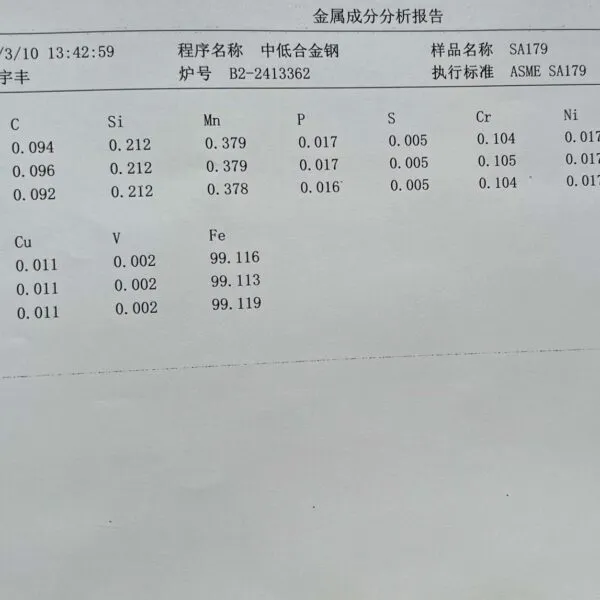
3) Stricter Chemical Composition Control – Beyond Standard Requirements

In addition to fulfilling ASME SA179 standard requirements for C, Mn, P, S, etc., the customer imposed additional limits: Cu+Ni+Cr ≤ 0.15 and CE ≤ 0.43. These special requirements were communicated to BV in advance. All samples were witnessed, collected, and tested on-site by BV. All test results fully met the customer’s stringent requirements, reinforcing their confidence in our quality control capabilities.
4) Comprehensive U-Bend Tube Quality Verification – Highly Recognized by Customer

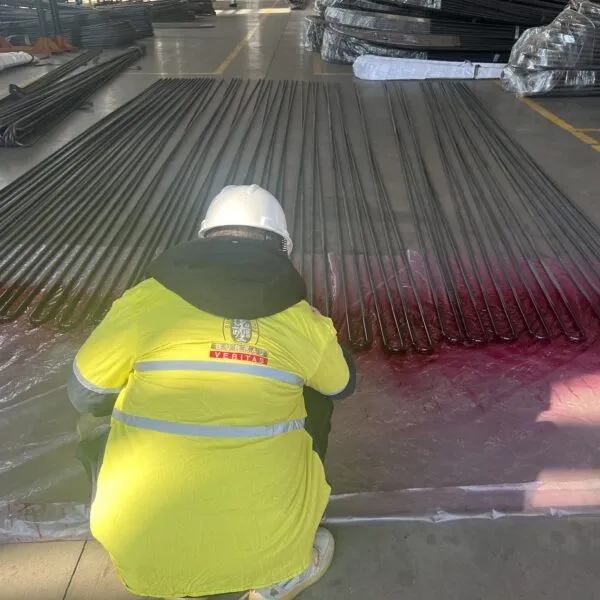
The smaller the U-bend radius, the greater the manufacturing difficulty and risk of wall thinning or structural damage. This order includes U-bends with a minimum radius of R = 30.52 mm. To ensure quality, we implemented the following special inspections:

100% Dye Penetrant Testing (DPT) – witnessed by BV on-site for all tubes
Destructive Testing – cutting through the midpoint of the smallest U-bend to assess wall thinning
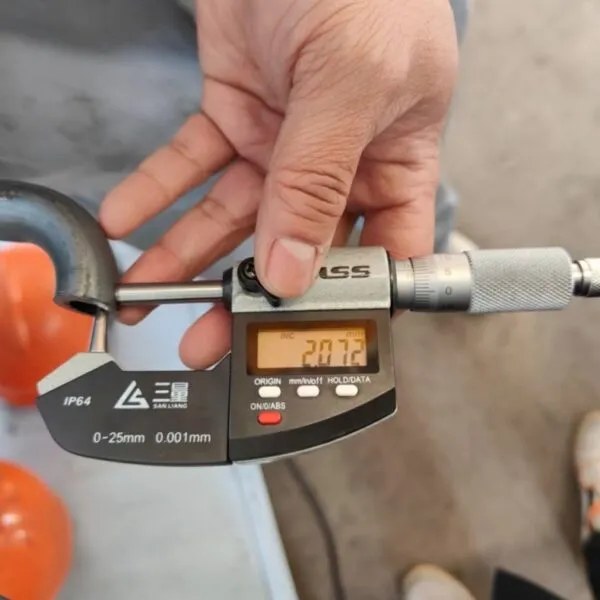
Test Results – The maximum wall thinning rate was well below the customer’s allowable limit of 17%, earning high customer satisfaction
Conclusion

Through the rigorous quality control and inspection measures above, we ensured the full compliance, traceability, and superior quality of this batch of ASME SA179 Seamless U-tubes. This demonstrates DLSS’s technical expertise and delivery capabilities as a professional manufacturer supporting high-end projects.

Why Choose DLSS as Your Stainless Steel Tube Partner?

With over 30 years of experience and exports to 40+ countries, DLSS offers:

  • Customized tube solutions for heat exchangers and condensers
  • Full compliance with ASTM/ASME standards
  • Third-party inspections and full quality reports
  • Precision production, fast delivery

 Contact us today to get a free consultation or quote: info@dlsspipe.com
Wonderful! Share This Case:

Austenitic Stainless Steel

Duplex Stainless Steel

Nickel Alloys

▪ Incoloy Family

▪ Inconel Family

▪ Monel Family

▪ Hastelloy Family

▪ Other Special Alloys

Cobalt Alloys

Related Posts

Nickel Alloy Steel Seamless Pipes and Tubes: Industrial Advantages and Applications

Nickel Alloy Steel

Introduction Nickel alloy steel seamless pipes and tubes are essential materials in demanding industries where components must withstand extreme temperatures, corrosive chemicals, and high pressure. Their seamless structure combined with the superior characteristics of nickel-based alloys makes them the material of choice for chemical processing, petrochemical, marine, power generation, and...

Read More

How to Select

Introduction Heat exchanger tubes are the most critical components in shell and tube heat exchangers. They directly determine the heat transfer efficiency, corrosion resistance, and operational reliability of the entire system. Selecting the wrong tube material can result in serious issues such as: For engineers and procurement specialists, understanding how...

Read More
Comparing ASTM A213, A269, and A312 – Selecting the Right Stainless Steel Tube Standard

Comparing ASTM A213,

Introduction When sourcing stainless steel tubes, choosing the correct ASTM standard is critical for compliance, safety, and performance. Among the most commonly used specifications are: Each standard serves a specific purpose and comes with unique mechanical, dimensional, and testing requirements. This guide will help you understand the differences and select...

Read More
Stainless Steel Tubes for Pharmaceutical and Cleanroom Systems – Surface Standards and Certification

Stainless Steel Tubes

Introduction In pharmaceutical production and cleanroom environments, the cleanliness and surface integrity of stainless steel tubing are paramount. Even microscopic contamination can compromise product quality, regulatory compliance, or batch sterility. DLSS manufactures high-purity stainless steel seamless tubes with surface finishes and certifications that meet the rigorous demands of pharma piping...

Read More
Different Types of Finned Tubes and Their Applications in Heat Exchangers

Different Types of

Finned tubes come in a variety of designs, each engineered to meet specific heat transfer and operating conditions. Choosing the right type of finned tube is essential for achieving optimal heat exchanger efficiency and long-term durability. If you are new to the concept, you can first read our article What...

Read More
Choosing Between Seamless and Welded Stainless Steel Tubes: Which One Fits Your Project?

Seamless vs Welded

When buying stainless steel tubes, one common question is: Should I choose seamless tubes or welded tubes? The answer depends on your project. Seamless tubes and welded tubes are both useful. But they are made in different ways. They also have different strengths, costs, lead times, and best-use areas. This...

Read More
Common Heat Exchanger Tube Failures and How to Prevent Them

Common Heat Exchanger

Introduction Heat exchanger tube failures can lead to: Understanding the most frequent failure mechanisms is key to designing, selecting, and maintaining reliable heat exchanger systems. In this article, we explore the five most common tube failure types—and how to avoid them. 1. Pitting Corrosion Occurs when localized corrosion breaks through...

Read More
ccus-carbon-capture-stainless-steel-pipe-requirements

Stainless Steel Tube

As countries ramp up efforts to reach net-zero emissions, Carbon Capture, Utilization, and Storage (CCUS) technologies are being deployed at scale. These systems capture CO₂ from industrial processes or power generation and inject it deep underground—or repurpose it for industrial use. But behind every CCUS facility lies a network of...

Read More

Request A Quote

*We respect your confidentiality and all information are protected.