10 Industry Applications of Stainless Steel Heat Exchanger Tubes You Should Know

DLSS - Pipe&Tube - 10 Industry Applications of Stainless Steel Heat Exchanger Tubes You Should Know

Meta Description:
From oil refineries to desalination plants, stainless steel heat exchanger tubes are everywhere. Discover 10 major industries that rely on these tubes and why material selection matters.


Introduction

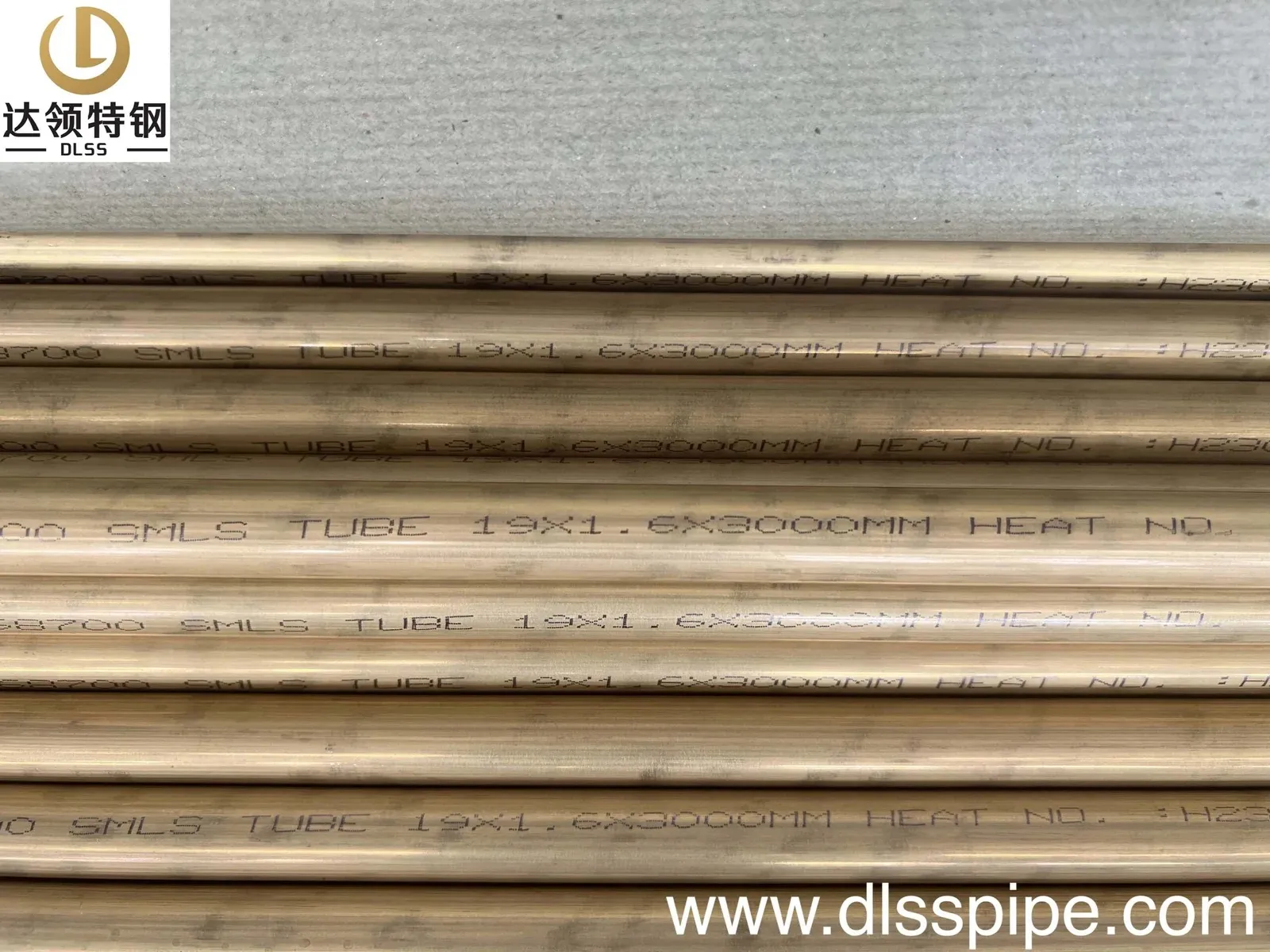
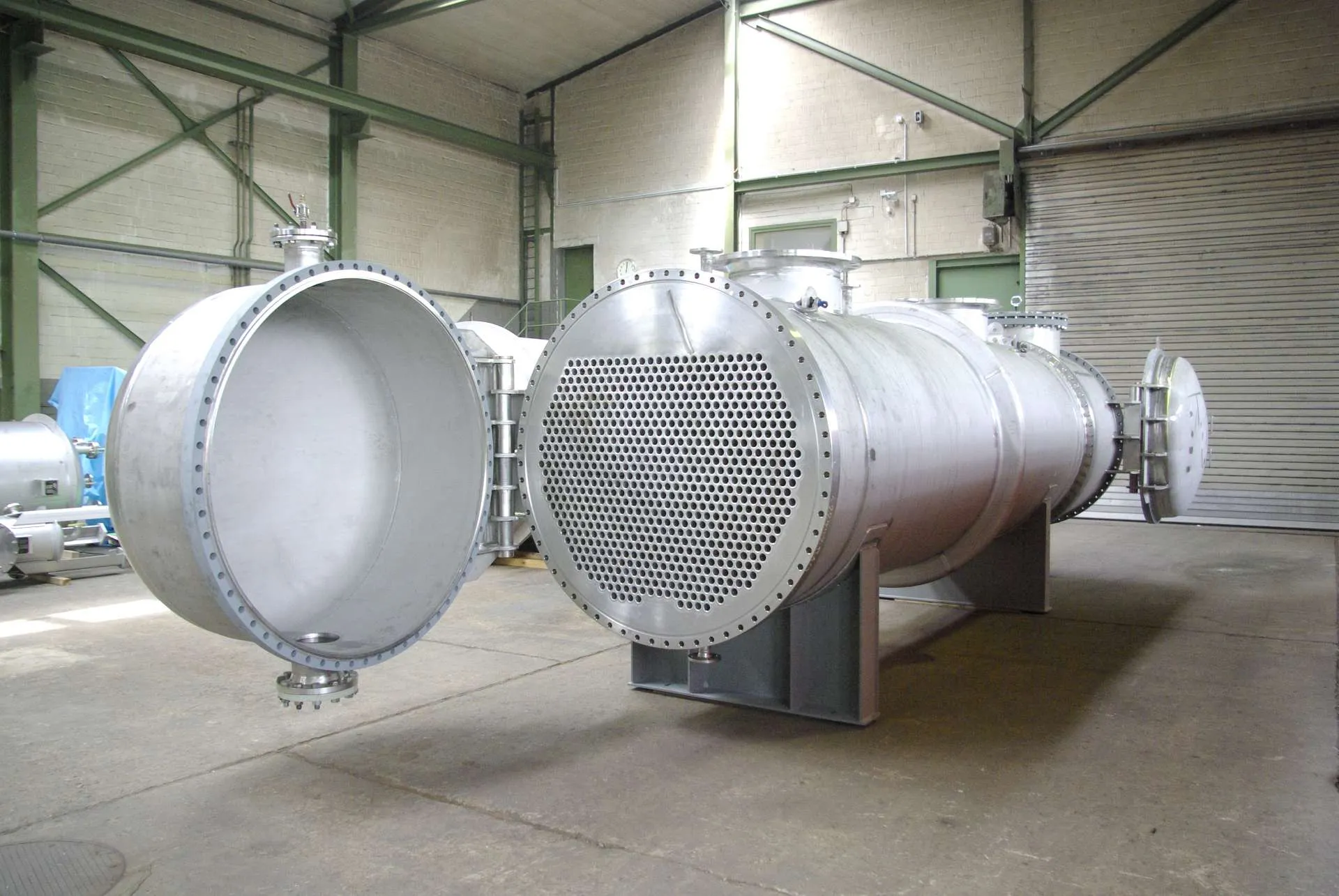
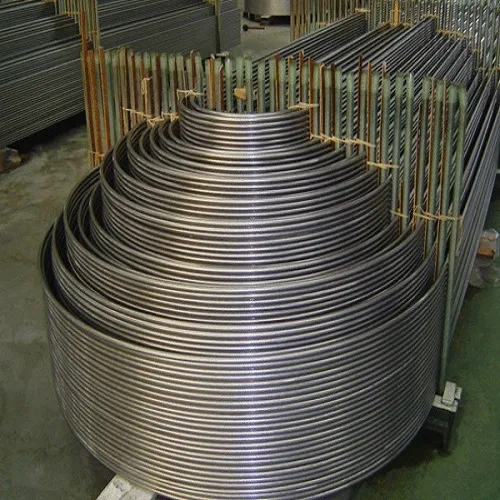
Stainless steel heat exchanger tubes are vital components in thermal systems that manage fluid and gas temperatures. Known for their corrosion resistance, strength, and versatility, these tubes operate under high pressure and temperature conditions in a wide variety of industries.

Whether you’re an engineer, project planner, or procurement officer, understanding where and why these tubes are used will help you specify the right materials and standards for your project.


1. Oil & Gas Industry

Heat exchangers are used throughout upstream, midstream, and downstream operations—for example, in crude oil heaters, gas processing units, and offshore platforms.

Stainless steel tubes like TP316L and Duplex S32205 are commonly selected for their resistance to chloride-induced pitting and crevice corrosion.

Many EPC projects also require EN 10204 3.2 certification, often with third-party inspection by SGS or TUV.


2. Power Generation

In thermal, nuclear, and combined cycle power plants, stainless steel tubes are essential in:

  • Steam condensers
  • Boiler economizers
  • Superheaters and reheaters

Materials such as TP321 or TP347H are used for their high creep strength and stability under cyclic temperatures. Learn more from Energy.gov’s guide to power generation.


3. Chemical Processing

Corrosive fluids and extreme temperatures define the chemical and petrochemical sector, which depends on corrosion-resistant alloys in heat exchanger tubes.

Nickel alloys like Incoloy 825 and Hastelloy C276, listed by Special Metals and Haynes International, are selected for acid-resistant services.


4. Marine and Shipbuilding

In seawater cooling systems, Admiralty Brass C44300 and CuNi 90/10 (C70600) tubes offer excellent biofouling and erosion resistance.

Visit Naval Sea Systems Command for specifications on marine condenser design, where these tubes are often specified.


5. Food & Beverage Processing

Hygienic heat exchangers in milk pasteurizers, juice heaters, and brewing tanks require materials with smooth, crevice-free surfaces.

Bright annealed stainless steel tubes, compliant with 3-A Sanitary Standards, are widely used in these applications.

Grades like TP304 and TP316L, often polished to Ra ≤ 0.5 μm, are ideal for clean-in-place (CIP) systems.


6. Pharmaceutical and Biotech

In sterile environments, heat exchangers ensure temperature control in WFI (Water for Injection) systems, reactors, and lyophilizers.

Pharmaceutical plants often specify:

  • ASTM A269 TP316L tubes
  • ASME BPE-compliant polished tubes

See ISPE’s guidance for regulatory design expectations in cleanroom heat exchange systems.


7. HVAC and District Cooling

Chillers, absorption coolers, and central AC units in skyscrapers and airports use stainless steel tubes in:

  • Evaporators
  • Condensers
  • Cooling towers

Many HVAC designers reference ASHRAE standards for system performance, especially where chloride-laden environments (e.g., coastal cities) require 316L or Duplex steel.


8. Automotive and Aerospace

Stainless tubes are used in:

  • Turbo intercoolers
  • Exhaust gas recirculation (EGR) coolers
  • Aircraft environmental control systems

Lightweight, high-strength alloys like TP409, TP439, and TP347HFG are often used. Reference SAE International for aerospace thermal system specs.


9. Water Treatment and Desalination

In reverse osmosis plants, high pressure and seawater corrosion necessitate the use of:

  • Duplex 2205 / 2507
  • Super Austenitic Alloys like 254 SMO

These are essential in brine heaters, energy recovery units, and condenser loops. Read more on IDA’s desalination technology hub.


10. Renewable Energy & Hydrogen

In emerging hydrogen production, geothermal and CSP (concentrated solar power) applications, stainless tubes handle fluids with elevated temperatures, sulfur, or saline content.

Materials like Inconel 625, TP316Ti, and Duplex stainless offer long life under harsh conditions.


Conclusion

Stainless steel heat exchanger tubes are used across almost every modern industrial sector. While each industry has unique challenges, the right choice of tube material, surface finish, testing, and certification can dramatically affect system life, reliability, and total cost of ownership.

Whether you’re sourcing for seawater cooling, pharma steam systems, or refinery heat exchangers, understanding application-specific requirements is key.

DLSS offers custom-manufactured seamless and welded stainless steel tubes, full testing and certifications, and export-ready packaging to over 40 countries.


Contact Us
Email: info@dlsspipe.com
Website: www.dlsspipeline.com

Let DLSS help you choose the right stainless steel tube for your industry—with confidence, compliance, and complete documentation.

Wonderful! Share This Case:

Austenitic Stainless Steel

Duplex Stainless Steel

Nickel Alloys

▪ Incoloy Family

▪ Inconel Family

▪ Monel Family

▪ Hastelloy Family

▪ Other Special Alloys

Cobalt Alloys

Related Posts

Pickling vs Bright Annealing: Which Surface Treatment Is Best for Stainless Steel Tubes?

Pickling vs Bright Annealing: Which

Meta Description:Pickled or bright annealed? Learn the pros, cons, and applications of these two surface treatment methods used in stainless steel tube manufacturing. Introduction The performance of stainless steel tubes isn’t just about alloy grade or dimensional accuracy—surface finish plays a crucial role in corrosion resistance, cleanliness, and long-term durability. Two widely used surface treatments […]

Read More
Why Stainless Steel Seamless Tubes Are the Backbone of South America’s Energy Industry

Why Stainless Steel Seamless Tubes

Meta Description:Explore how stainless steel seamless tubes support South America’s oil, gas, and petrochemical infrastructure. Learn about key materials, standards, and corrosion-resistant solutions for high-performance applications. Introduction South America is rich in natural resources—but also in engineering challenges. With vast offshore oil fields, mountainous LNG projects, and acidic mining processes, the region demands durable, corrosion-resistant […]

Read More
High-Frequency Welded Finned Tubes: Advantages and Ideal Applications

High-Frequency Welded Finned Tubes: Advantages

High-frequency welded finned tubes are one of the most widely used designs in industrial heat exchangers due to their strong metallurgical bonding and excellent heat transfer capabilities. This manufacturing method ensures a durable, efficient, and long-lasting solution for demanding thermal applications. If you are unfamiliar with finned tubes in general, read our guide on What […]

Read More
Stainless steel seamless bright tube

Pickling vs Bright Annealing: 4

Introduction Surface finishing plays a vital role in the performance, durability, and visual appeal of stainless steel heat exchanger tubes. Two of the most widely used methods are: Each has unique characteristics, costs, and application suitability. In this article, DLSS compares these 2 popular finishing methods in 4 key areas to help you make an informed choice. 1. Surface Appearance […]

Read More
Nickel Alloy Steel Seamless Pipes and Tubes: Industrial Advantages and Applications

Nickel Alloy Steel Seamless Pipes

Introduction Nickel alloy steel seamless pipes and tubes are essential materials in demanding industries where components must withstand extreme temperatures, corrosive chemicals, and high pressure. Their seamless structure combined with the superior characteristics of nickel-based alloys makes them the material of choice for chemical processing, petrochemical, marine, power generation, and LNG applications. Nickel-based alloys are […]

Read More

ASTM A789 S32750 Super Duplex

Meta Description: Explore how ASTM A789 S32750 Super Duplex stainless steel tubes are used in seawater condensers, offering unmatched resistance to corrosion, pitting, and stress cracking in marine environments. Introduction Seawater condenser systems operate in highly aggressive environments, constantly exposed to chloride ions and variable temperatures. Standard stainless steels like 304 or 316 often fail […]

Read More
Comparing ASTM A213, A269, and A312 – Selecting the Right Stainless Steel Tube Standard

Comparing ASTM A213, A269, and

Meta Description:Confused by ASTM A213, A269, and A312 standards? Learn the key differences in scope, testing, and application for these stainless steel tube specifications to choose the right product for your project. Introduction When sourcing stainless steel tubes, choosing the correct ASTM standard is critical for compliance, safety, and performance. Among the most commonly used […]

Read More
Plate vs. Shell and Tube Heat Exchangers: A Complete Comparison Guide

Plate vs. Shell and Tube

Selecting the right heat exchanger is critical for ensuring operational efficiency, durability, and cost-effectiveness. Among the most commonly used designs are the plate heat exchanger (PHE) and the shell and tube heat exchanger (STHE)—each offering distinct performance advantages in specific industrial environments. This guide compares the two technologies in terms of structure, thermal performance, maintenance, […]

Read More

Request A Quote

*We respect your confidentiality and all information are protected.