Why Duplex Stainless Steel Tubes Are Ideal for South America’s Offshore Oil & Gas Projects

DLSS - Pipe&Tube - Why Duplex Stainless Steel Tubes Are Ideal for South America’s Offshore Oil & Gas Projects

Meta Description:
Explore how duplex stainless steel tubes meet the demands of South America’s offshore energy sector. Learn about corrosion resistance, mechanical strength, and NACE compliance in deep-sea environments.


Introduction

From Brazil’s pre-salt fields to Colombia’s coastal gas terminals, offshore exploration in South America is pushing engineering materials to the limit. The tubes used in these operations must endure salt spray, H₂S gas, high pressure, and cyclic loads.

This is where duplex stainless steel tubes outperform traditional stainless steel and carbon steel options—offering the ideal balance of corrosion resistance, mechanical strength, and cost-efficiency.


What Is Duplex Stainless Steel?

Duplex stainless steels are a family of ferritic-austenitic alloys, typically containing:

  • ~22% Chromium
  • ~5% Nickel
  • ~3% Molybdenum
  • ~0.2% Nitrogen

Popular grades include UNS S31803 / S32205 (2205) and S32750 (2507).

They combine:

  • The chloride resistance of austenitic steels (like 316L)
  • The stress-cracking resistance of ferritic steels
  • Higher strength—up to twice that of 304/316

Detailed duplex data here


Why Duplex Tubes for Offshore Use?

Offshore platforms in South America face:

  • Constant saltwater exposure
  • Presence of hydrogen sulfide (H₂S)
  • Elevated temperature and pressure
  • Long service life expectations (>25 years)

Duplex stainless steel tubes offer:

  • ✔️ Superior pitting and crevice corrosion resistance (PREN > 35)
  • ✔️ Resistance to chloride-induced stress corrosion cracking
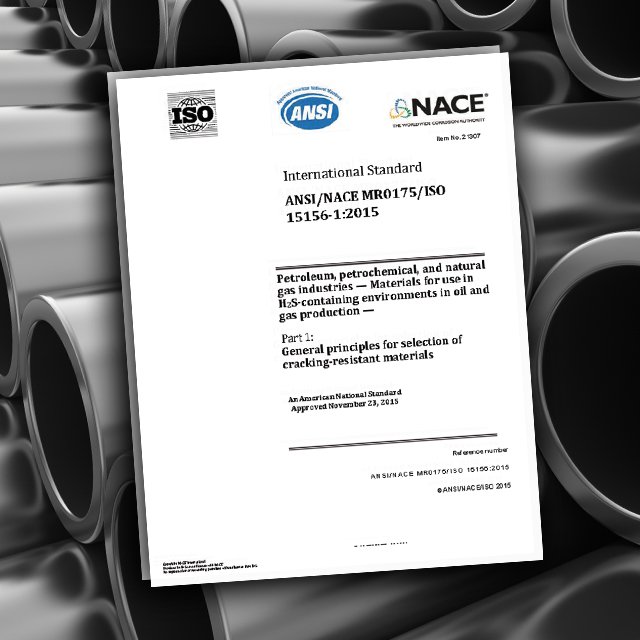
  • ✔️ NACE MR0175 compliance for sour service
  • ✔️ Better weldability than super austenitic alloys
  • ✔️ Lower total life-cycle cost than nickel alloys

South American Offshore Projects Using Duplex Tubes

Project LocationUse of Duplex TubesBenefit Achieved
Brazil (FPSO Units)Sea water cooling & chemical injection linesReduced maintenance & no pitting
Argentina (Gas Wells)H₂S-bearing wellhead tubingFull NACE compliance, longer uptime
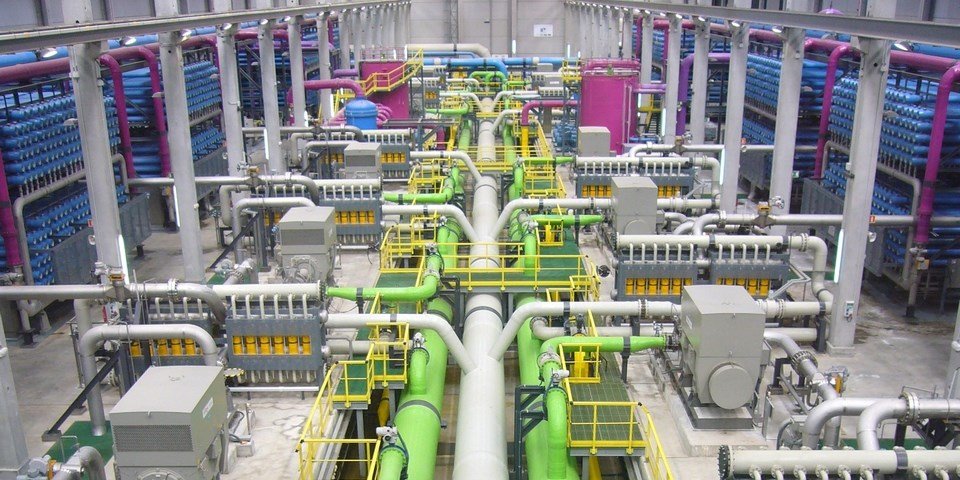
Chile (Offshore Desalination)Brine cooling coilsSuperior seawater durability

DLSS Duplex Tube Offerings

SpecificationDetails
GradesUNS S31803 / S32205 (2205), UNS S32750 (2507)
StandardsASTM A789, ASTM A790, EN 10216-5 TC1
SizesOD 6 mm to 114.3 mm, WT 0.7 mm to 8 mm
Surface FinishPickled, Bright Annealed (BA), Polished, Custom
Tests OfferedUT, ET, Hydrostatic, PMI, Intergranular, HIC/SSC if needed
CertificationsEN 10204 3.1 / 3.2 (BV, TUV, DNV), NORSOK MDS compliance

Explore duplex data sheet


FAQs

Q1: Is duplex steel more expensive than 316L?
Yes—typically 20–30% more per kg, but lasts 2–3× longer in corrosive environments, especially offshore.

Q2: Do you supply duplex with NORSOK or Petrobras specs?
Yes. We’ve supported clients with NORSOK MDS D45, IOGP requirements, and Petrobras weld procedure matching.

Q3: What is the delivery time for duplex tubes to Latin America?
Standard lead time is 30–45 days, depending on quantity and testing scope. Ports like Santos, Callao, and Buenos Aires are supported.


Conclusion

With expanding offshore exploration in South America, the demand for materials that can endure harsh marine and sour service conditions is rising. DLSS’s duplex stainless steel tubes offer a proven, reliable, and standards-compliant solution for long-term performance in critical offshore infrastructure.


Contact DLSS
Email: info@dlsspipe.com
Website: www.dlsspipeline.com

Need help specifying duplex tubes for your project? Our technical team can recommend grades, tests, and solutions tailored to South American environmental demands.

Wonderful! Share This Case:

Austenitic Stainless Steel

Duplex Stainless Steel

Nickel Alloys

▪ Incoloy Family

▪ Inconel Family

▪ Monel Family

▪ Hastelloy Family

▪ Other Special Alloys

Cobalt Alloys

Related Posts

How Precision Stainless Steel Tubes

In high-demand industrial environments, precision stainless steel tubing is more than just a conduit—it plays a critical role in enhancing the overall efficiency and stability of a system. This article delves into how precision stainless steel tubes contribute to improving industrial system performance. The Importance of Precision Tubing 1、Enhanced Heat Transfer Efficiency The smoothness of a stainless […]

Read More
Stainless Steel Tubing for Wind Energy, Hydrogen & Green Projects (2025 Guide)

Stainless Steel Tubing for Wind

Why Green Energy Systems Need Advanced Tubing Materials As the world transitions to low-carbon technologies, components like stainless steel tubes play a vital role in wind turbines, hydrogen production, carbon capture units, and biofuel systems. These environments demand materials that resist corrosion, pressure, vibration, and outdoor exposure over decades. From internal cooling circuits in offshore […]

Read More
Rare Alloy Tubes: 5 Uncommon but Powerful Metals Used in High-Performance Piping

Rare Alloy Tubes: 5 Uncommon

Meta Description:Explore rare and exotic alloy tubes like Incoloy 825, 254 SMO, Monel 400, and more. These metals offer unmatched corrosion and temperature resistance for specialized industries. Introduction While 304 and 316 stainless steels dominate industrial applications, many extreme environments require specialty or rare metal alloys for superior corrosion resistance, strength, or temperature tolerance. This […]

Read More
Common Condenser Coil Problems and How to Prevent Them (Ultimate HVAC Maintenance Guide)

Common Condenser Coil Problems and

What Is a Condenser Coil in an Air Conditioner? The condenser coil is the heart of your outdoor HVAC system. It’s responsible for releasing the heat collected indoors by your refrigerant. When the coil fails—due to dirt, leaks, or damage—your air conditioner stops cooling, your energy bills rise, and long-term system damage becomes inevitable. Keyword Targets: condenser coil, HVAC system, air conditioner […]

Read More
How to Select the Right Stainless Steel Tube for Corrosive Environments – A Practical Guide

How to Select the Right

Meta Description:Learn how to choose the best stainless steel tube for corrosive environments. Explore material selection, corrosion types, industry standards, and real-world applications. Introduction Corrosive environments are among the most demanding settings for stainless steel tubing. Choosing the wrong grade can lead to pitting, cracking, or total system failure—costing both time and money. This practical […]

Read More
Applications of Stainless Steel Seamless Pipes in the Oil & Gas Industry

Applications of Stainless Steel Seamless

Meta Description:Explore how stainless steel seamless pipes are critical in oil & gas—covering upstream, midstream, downstream, offshore, pipelines and more—with practical insights and sourcing tips. Introduction In the global steel market, stainless steel seamless pipes are projected to grow from USD 3.88 B in 2025 to USD 5.15 B by 2030, driven largely by demand in the oil and […]

Read More
Stainless Steel Tubes for Hydrogen Production and Electrolysis Systems

Stainless Steel Tubes for Hydrogen

Meta Description:Explore the role of stainless steel seamless tubes in hydrogen production and electrolysis systems. Understand material selection, corrosion challenges, and how DLSS supports green energy. Introduction As the global push toward green hydrogen accelerates, the materials used in hydrogen production systems are under intense scrutiny. Stainless steel tubes—especially those used in electrolyzers, high-pressure pipelines, […]

Read More
Selecting Stainless Steel Tubes for Seawater, Desalination, and Marine Applications (2025 Guide)

Selecting Stainless Steel Tubes for

Why Seawater and Desalination Systems Require Specialized Tubing Seawater contains high concentrations of chlorides, which are extremely aggressive toward most conventional stainless steels. In marine environments or desalination plants, tubes are exposed to continuous flow of saline water, biofouling, crevice conditions, and temperature fluctuations. To ensure long service life and avoid premature failure due to […]

Read More

Request A Quote

*We respect your confidentiality and all information are protected.