How Stainless Steel Tubes Ensure Safety and Efficiency in South American Power Plants

DLSS - Pipe&Tube - How Stainless Steel Tubes Ensure Safety and Efficiency in South American Power Plants

Introduction

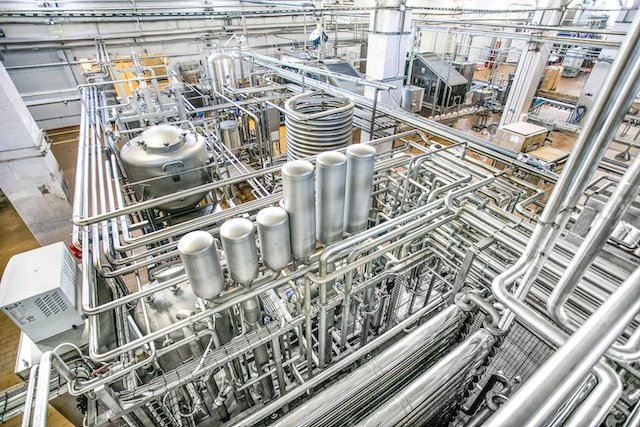
South America’s growing energy demand is driving the expansion of both conventional and renewable power plants. Whether it’s a thermoelectric station in Brazil or a biomass facility in Chile, one common requirement persists: reliable, long-lasting piping systems.

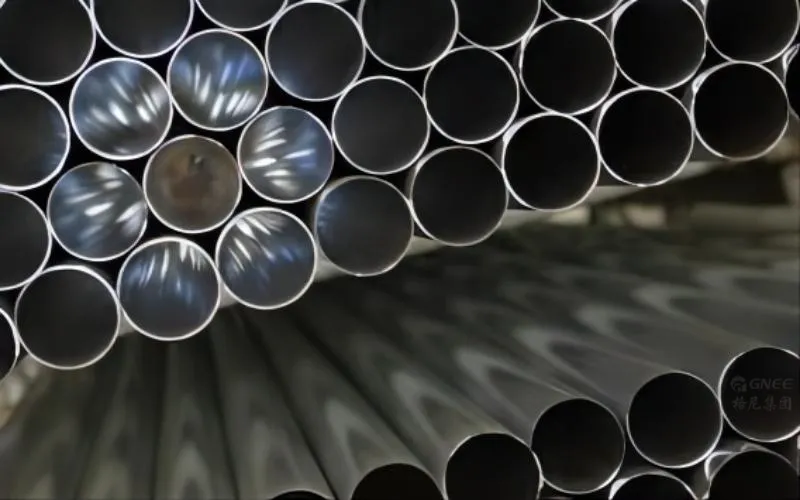
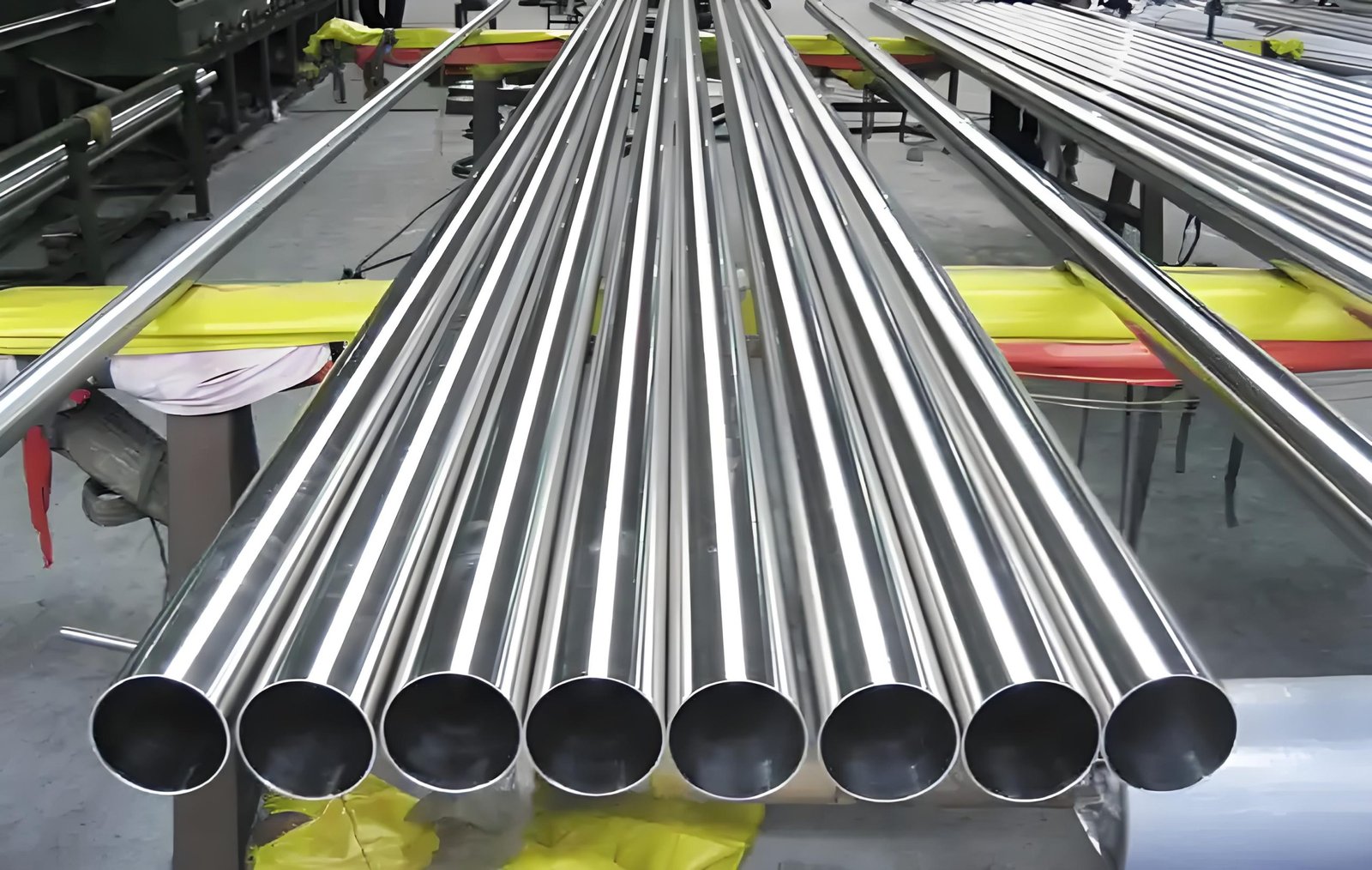
Stainless steel seamless tubes are essential in these operations, especially in heat recovery systems, boiler circuits, and high-pressure steam lines, where temperature, pressure, and corrosion resistance are critical.
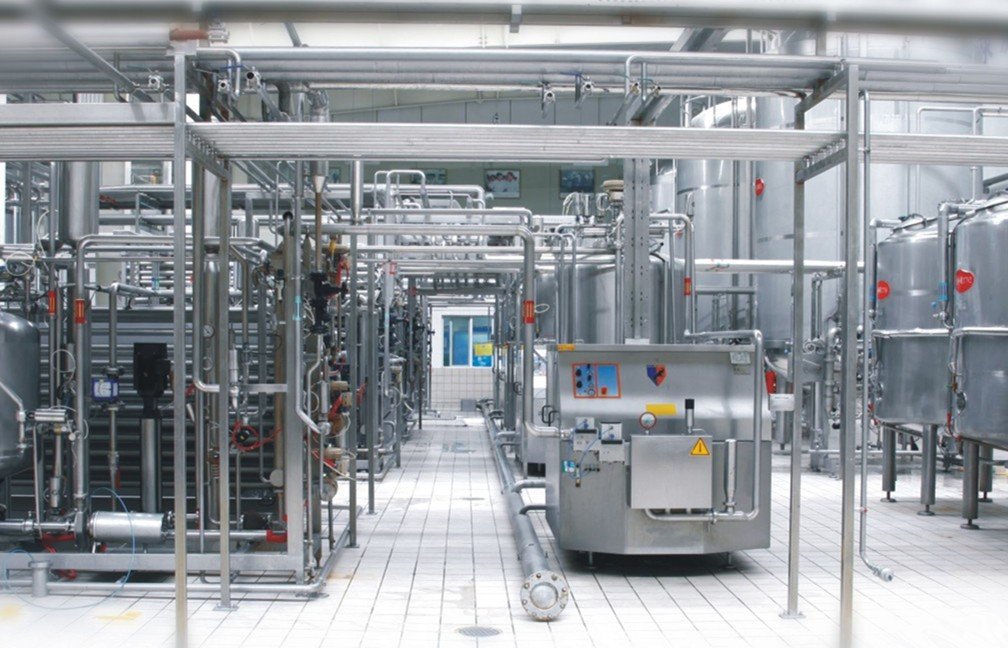
Integrated Stainless Steel Piping Solutions for Industrial Projects

Key Challenges in Power Plant Piping

Power plants in South America face:

  • Chloride-rich environments (especially in coastal regions like Valparaíso or Recife)
  • Thermal cycling and pressure surges
  • Need for low-maintenance, long-life materials
  • Regulatory compliance with international codes (ASME, EN, NBR)

To meet these demands, stainless steel seamless pipes provide a perfect balance between mechanical strength, thermal conductivity, and chemical stability.


Recommended Grades for Power Plant Applications

GradeKey PropertiesStandardsApplications
TP316LCorrosion resistance, weldabilityASTM A312 / A213, EN 10216-5Water feed lines, condensate systems
TP304HHigh-temperature strengthASTM A213, ASME SA213Superheaters, reheaters
TP347H/TP321HStabilized against intergranular corrosionASTM A213, EN 10216-5High-temperature steam pipelines
TP317LEnhanced pitting resistance for coastal plantsASTM A312, ASME B36.10Economizers, cooling loops
TP310SExcellent resistance to oxidation at elevated tempsASTM A213Furnace piping, heat recovery units

Related resource: ASME Boiler & Pressure Vessel Code


DLSS Capabilities for the Power Sector

At DLSS, we deliver tailored solutions for South American EPC contractors and power plant operators:

  • Pipe Sizes: 12.7 mm to 114.3 mm (OD), WT 0.8 mm – 8 mm
  • Standards: ASTM A213, A312, EN 10216-5, ISO 9001
  • Finishes: Pickled, Bright Annealed, Solution Annealed
  • Tests Offered: PMI, UT, Eddy Current, Hydro Test, Hardness, Impact
  • Documentation: EN 10204 3.1/3.2, NACE MR0175, Third-Party Witnessing
  • Delivery: Containerized shipments to Brazil, Chile, Argentina, and Colombia

Learn more: Nickel Institute – High-Temperature Alloys in Power Plants


Recent Case Study – Brazil Thermoelectric Plant

In 2024, DLSS supplied over 18 tons of TP347H tubes to a thermoelectric project in Brazil. The tubes were used in the high-pressure steam lines and passed all hydro and UT tests under EN 10204 3.2 inspection with Bureau Veritas.
Understanding Electropolished (EP) Tubes – Surface Roughness, Applications, and Manufacturing

FAQs

Q: Are your stainless steel tubes suitable for high-pressure boilers?
Yes, DLSS offers certified tubes meeting ASME SA213 and EN 10216-5 requirements for boiler-grade tubing.

Q: Can you provide material traceability and documentation?
Absolutely. All tubes come with 3.1 or 3.2 MTCs, plus full heat traceability and optional TPI witness.

Q: Do you ship directly to South America?
Yes, we export to ports in Santos, Valparaíso, Buenos Aires, and more.


Conclusion

Power generation in South America relies on materials that perform under pressure—literally. DLSS stainless steel seamless tubes support safe, efficient, and long-lasting operations in critical piping systems. Our expertise, certifications, and proven track record make us a trusted partner for your next energy project.


Contact DLSS
Email: info@dlsspipe.com
Website: www.dlsspipeline.com

Wonderful! Share This Case:

Austenitic Stainless Steel

Duplex Stainless Steel

Nickel Alloys

▪ Incoloy Family

▪ Inconel Family

▪ Monel Family

▪ Hastelloy Family

▪ Other Special Alloys

Cobalt Alloys

Related Posts

ASTM B163 Incoloy 825 (UNS N08825) Seamless Tube – 25.4 × 2.11 × 5555 mm, Bright Annealed Surface

ASTM B163 Incoloy

Product Details Chemical Composition of Incoloy 825 (UNS N08825) Element Composition (%) Nickel (Ni) 38.0 – 46.0 Chromium (Cr) 19.5 – 23.5 Iron (Fe) Balance Molybdenum (Mo) 2.5 – 3.5 Copper (Cu) 1.5 – 3.0 Titanium (Ti) 0.6 – 1.2 Carbon (C) ≤ 0.05 Incoloy 825 is a nickel-iron-chromium alloy with added molybdenum,...

Read More
desalination-projects-stainless-steel-heat-exchanger-tubes

How Global Desalination

With water scarcity on the rise, seawater desalination has become a critical infrastructure priority—especially in the Middle East, North Africa, Asia-Pacific, and parts of Latin America. These plants rely heavily on heat exchanger systems for energy-efficient freshwater production. And at the core of those systems? Stainless steel tubes that can...

Read More
Nickel Alloys vs Stainless Steel Tubes – When and Why to Choose Each

Nickel Alloys vs

Introduction In critical industries like oil & gas, chemical processing, power generation, and aerospace, choosing between stainless steel tubes and nickel alloy tubes can be the deciding factor in system reliability and longevity. This article explains the differences in composition, corrosion resistance, heat resistance, and cost between these two families...

Read More
Understanding Duplex and Super Duplex Stainless Steel Tubes – Grades, Benefits, Applications

Understanding Duplex and

Introduction When stainless steel isn’t enough for aggressive environments—duplex and super duplex stainless steels step in. These high-performance materials combine the advantages of both austenitic and ferritic structures, offering exceptional strength and corrosion resistance, particularly in chloride-rich and offshore settings. At DLSS, we supply duplex and super duplex seamless tubes...

Read More
Pickling vs Bright Annealing: Which Surface Treatment Is Best for Stainless Steel Tubes?

Top 5 Stainless

Introduction Stainless steel tubes are widely used in high-demand applications due to their corrosion resistance, strength, and cleanliness. However, tube failure—when it occurs—can lead to production shutdowns, safety hazards, and costly repairs. Understanding the root causes of these failures helps you select better materials, improve installation, and extend equipment life....

Read More
Nickel Alloy Steel Seamless Pipes and Tubes: Industrial Advantages and Applications

Nickel Alloy Steel

Introduction Nickel alloy steel seamless pipes and tubes are essential materials in demanding industries where components must withstand extreme temperatures, corrosive chemicals, and high pressure. Their seamless structure combined with the superior characteristics of nickel-based alloys makes them the material of choice for chemical processing, petrochemical, marine, power generation, and...

Read More
Why Alloy C-276 Pipes are Essential for Acid Processing Industries

Why Alloy C-276

1. Introduction Industries handling aggressive chemicals such as sulfuric acid, hydrochloric acid, and phosphoric acid face constant challenges in piping material selection. Hastelloy C-276 (Alloy C-276) pipes are one of the most reliable choices for these corrosive environments. With outstanding resistance to strong oxidizers, reducing agents, and mixed chemical streams,...

Read More

How to Ensure

Introduction Sour gas environments—containing hydrogen sulfide (H₂S)—pose one of the greatest challenges for stainless steel tubes in the oil and gas industry. The presence of H₂S increases the risk of sulfide stress cracking (SSC) and hydrogen-induced cracking (HIC), which can lead to catastrophic failures if materials are not selected and...

Read More

Request A Quote

*We respect your confidentiality and all information are protected.