Aleaciones Especiales para Tuberías en Plataformas Offshore en Brasil

DLSS - Oil & Gas Industry - Aleaciones Especiales para Tuberías en Plataformas Offshore en Brasil

Meta descripción:
Las plataformas marinas brasileñas enfrentan desafíos extremos: alta salinidad, presión y exposición constante a H₂S. Conozca qué aleaciones inoxidables ofrecen mayor seguridad y vida útil en ambientes offshore.


Introducción

Brasil es líder en producción de petróleo en aguas profundas gracias a regiones como Campos, Santos y Pre-Sal. Estas plataformas offshore requieren sistemas de tuberías que soporten:

  • Alta salinidad y agua marina
  • Presión extrema y temperatura variable
  • Ambientes con sulfuro de hidrógeno (H₂S)
  • Difíciles condiciones de mantenimiento

Las fallas en línea pueden provocar paradas millonarias o accidentes ambientales. Por eso, la selección correcta de aleaciones es fundamental para asegurar la operación continua.


Retos Técnicos en el Entorno Offshore

  • Corrosión por cloruros en bridas, tubos y conexiones
  • Fisuración inducida por tensión (SSC)
  • Condiciones cíclicas por oleaje y cambios térmicos
  • Soldadura en espacios reducidos con atmósfera marina

Aleaciones de Alta Resistencia Recomendadas

AleaciónAplicación OffshoreBeneficios Clave
Alloy 625Líneas de producción y inyecciónAlta resistencia mecánica, a H₂S y cloruros
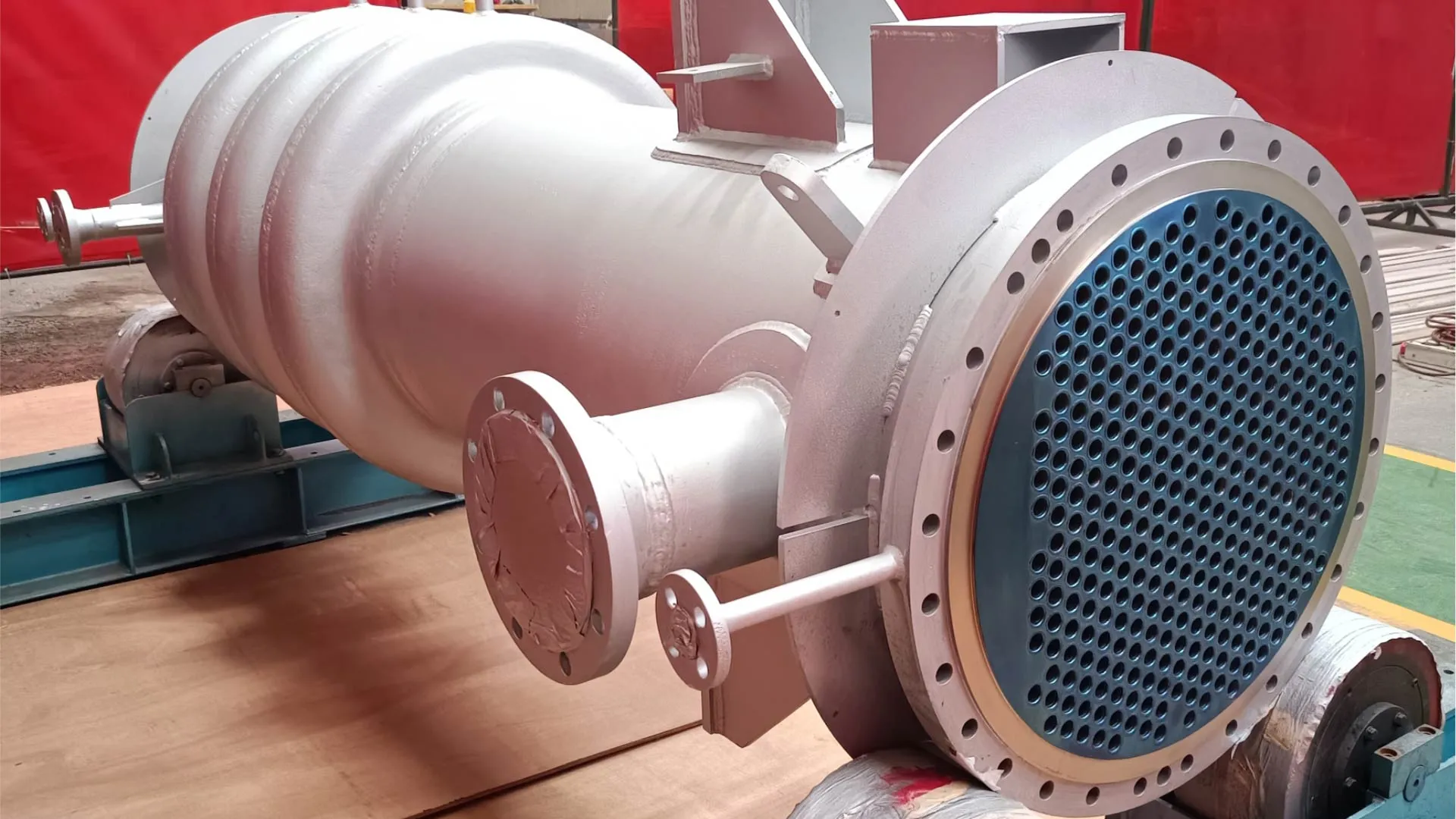
Incoloy 825Intercambiadores y separadoresCompatible con NACE, excelente frente a ácidos
Duplex 2205Tuberías estructurales y procesosDoble resistencia, bajo peso, buena soldabilidad
Super Duplex 2507Sistemas críticos de agua de marMáxima protección contra picaduras y fatiga
TP316LLíneas auxiliares, menos críticasEconómica, adecuada para servicio general

DLSS ofrece todos estos materiales en formatos de tubo sin costura, bridas y accesorios soldados o forjados.


Normas Aplicables

  • ASTM B444, B423, A790, A928, B466
  • ASME B31.3 / B31.4 / B31.8 Offshore Edition
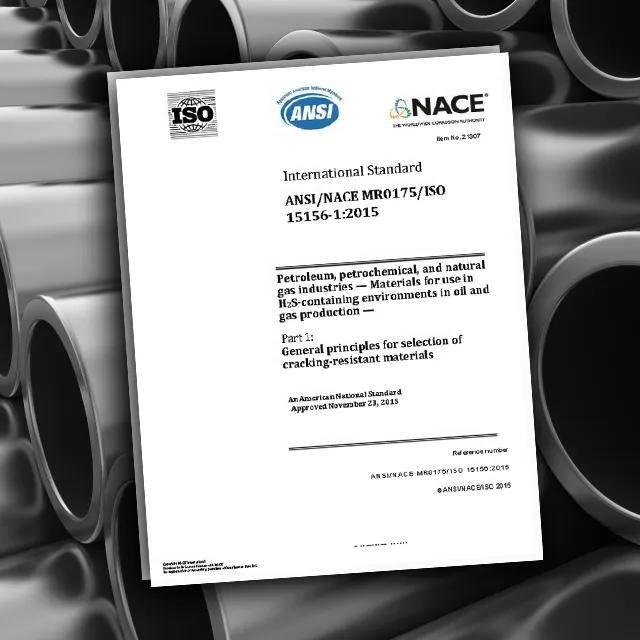
  • NACE MR0175 / ISO 15156
  • DNV Offshore Rules & ABS Specifications (on request)

Casos en Brasil

DLSS ha participado en:

  • FPSO Cidade de Ilhabela: suministro de Incoloy 825 y Duplex para líneas de transferencia
  • Plataformas Pre-Sal: tubos Alloy 625 con certificado 3.2, inspección por BV
  • Estaciones submarinas: conexiones especiales en Super Duplex con marcado láser y trazabilidad completa

Servicios Complementarios

  • Ingeniería de soldadura y recomendaciones de WPS
  • Limpieza interna ID y purga con nitrógeno
  • Longitudes personalizadas de hasta 12 m
  • Protección con tapas, film, bolsas secas (Dry Pack)
  • Documentación en portugués, español o inglés según cliente

Conclusión

En el entorno offshore, donde el error no es una opción, las aleaciones especiales aseguran la integridad, reducen el mantenimiento y prolongan la vida útil de las instalaciones.

DLSS se compromete con la calidad, el cumplimiento de normas internacionales y el soporte técnico multilingüe para cada proyecto en el litoral brasileño.


Contáctenos
Correo: info@dlsspipe.com
Sitio web: www.dlsspipeline.com

Wonderful! Share This Case:

Austenitic Stainless Steel

Duplex Stainless Steel

Nickel Alloys

▪ Incoloy Family

▪ Inconel Family

▪ Monel Family

▪ Hastelloy Family

▪ Other Special Alloys

Cobalt Alloys

Related Posts

Exploring Different Types of Pipe-Based Heat Exchangers: Double Tube, Stove Pipe, Exhaust Pipe, and Heat Pipe Designs

Exploring Different Types

In various industrial and domestic applications, heat exchangers are essential for optimizing thermal efficiency, reducing energy waste, and lowering operational costs. Among the many designs, pipe-based heat exchangers play a crucial role due to their structural simplicity and high effectiveness. This blog explores four common types: the Double Tube Heat...

Read More
Electropolished vs Mechanically Polished Tubes: What’s Best for Hygienic Applications?

Electropolished vs Mechanically

Introduction In sanitary applications, cleanability is critical. Whether you’re building a milk pasteurizer in Brazil or a pharmaceutical system in Colombia, the inner surface of your stainless steel tubes directly affects hygiene, bacterial resistance, and compliance. The two most common surface finishes used in sanitary stainless steel tubing are: But...

Read More

NACE MR0175 /

Sour service is a serious topic for sour service stainless steel tubes in oil and gas projects. When a system contains hydrogen sulfide, also called H₂S, the material can face cracking risk. This risk can lead to: This is why many oil and gas projects ask for NACE MR0175 /...

Read More
Top 5 Questions Buyers Ask About Duplex Stainless Steel Tubes

Top 5 Questions

Introduction Duplex stainless steel tubes are widely used in offshore platforms, chemical processing, desalination plants, and heat exchanger systems, thanks to their excellent combination of mechanical strength and corrosion resistance. However, many buyers—especially those transitioning from austenitic stainless—have specific concerns before placing an order. Here, we answer the top 5...

Read More
How to Ensure Zero-Defect Delivery of High-Performance Alloy Pipes

Zero-Defect Delivery for

For EPC contractors and end users, high-performance alloy pipes are not ordinary commodities. Materials such as titanium, Alloy 625, Alloy 825, Hastelloy C-276, Monel 400, duplex stainless steel, and super duplex stainless steel are often used in desalination, LNG, chemical processing, power plants, refineries, offshore platforms, and heat exchanger systems....

Read More
ASTM B111 C44300 (O61) Admiralty Brass Seamless Tube – 19.05 × 1.65 × 6100mm

ASTM B111 C44300

Product Summary Material Overview – C44300 Admiralty Brass C44300, commonly referred to as Admiralty Brass, is a copper-zinc alloy with a small amount of tin. It is specifically developed for excellent corrosion resistance in seawater and brine environments, making it ideal for refinery and power station heat exchanger tubes. Element Typical Composition (%) Copper...

Read More
Choosing the Right Pipe Materials for the Oil & Gas Industry

Guía para Seleccionar

Meta descripción:¿Necesita tuberías confiables para calentadores, intercambiadores o calderas en refinerías latinoamericanas? Descubra qué materiales ofrecen la mejor resistencia a la corrosión y al calor para aplicaciones críticas. Introducción En América del Sur, países como Argentina, Brasil, Chile y Perú están modernizando sus refinerías para cumplir con nuevas demandas energéticas...

Read More
Corrosion-Resistant Heat Exchanger Tubes: When to Choose Titanium and Nickel Alloys

Corrosion-Resistant Heat Exchanger

In highly corrosive environments—such as seawater cooling, chemical processing, and offshore oil and gas—traditional stainless steel may not offer sufficient durability. Selecting the right material for heat exchanger tubes in these conditions is crucial for ensuring long service life, process safety, and reduced maintenance costs. This article explores two high-performance...

Read More

Request A Quote

*We respect your confidentiality and all information are protected.