Stainless Steel Tubing for Wind Energy, Hydrogen & Green Projects (2025 Guide)

DLSS - Pipe&Tube - Stainless Steel Tubing for Wind Energy, Hydrogen & Green Projects (2025 Guide)

Why Green Energy Systems Need Advanced Tubing Materials

As the world transitions to low-carbon technologies, components like stainless steel tubes play a vital role in wind turbines, hydrogen production, carbon capture units, and biofuel systems. These environments demand materials that resist corrosion, pressure, vibration, and outdoor exposure over decades.

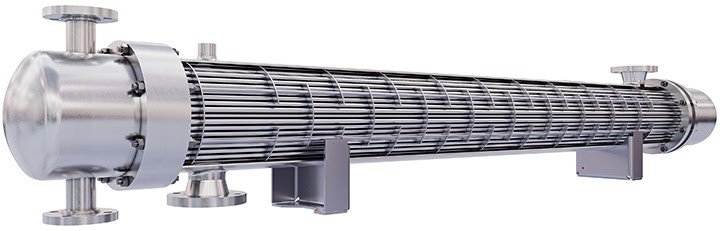
From internal cooling circuits in offshore wind towers to high-pressure hydrogen pipelines and heat exchangers in bio-refineries—precision-engineered stainless steel tubes ensure long-term efficiency, safety, and regulatory compliance.


Recommended Tubing Grades for Renewable & Green Energy Applications

1. 316L — General-Purpose Green Energy Tubing

  • Good corrosion resistance, widely available
  • Used in onshore wind cooling systems, water treatment skids, and green building HVAC systems
  • Suitable for non-aggressive indoor/outdoor environments

2. Duplex S32205 / S31803 — Structural & Corrosion-Resistant

  • Ideal for offshore wind turbine internals, jacket cooling systems, and structural bracing
  • Offers better fatigue, chloride resistance, and strength than 316L
  • Extended lifespan in marine wind farms and offshore substations

3. TP321 / 347H — Heat-Resistant Grades for Biomass & Biofuel Plants

  • Titanium or niobium stabilized stainless steels
  • Used in thermal oil circuits, gas recovery tubes, and emission heat exchangers
  • Resistant to intergranular corrosion under repeated heating

4. 254SMo / 904L — High Corrosion-Resistance in Harsh Outdoor Settings

  • For exposed structural tubing, acid gas recovery, or highly acidic process lines
  • Excellent performance in carbon capture (CCUS) and flue gas heat exchangers

5. Nickel Alloys (625, 825) — For Hydrogen & Extreme Environments

  • Required in electrolyzers, fuel cell stacks, hydrogen compression lines
  • Resistant to hydrogen embrittlement, chloride stress cracking, and thermal cycling
  • Compliant with ASME, ISO 11114, and NACE standards for H₂ service

Tubing Selection Criteria in Green Energy Projects

FactorApplication Context
Corrosion ResistanceCoastal wind farms, acid gas recovery, hydrogen exposure
Fatigue and Vibration ToleranceWind tower internals, turbines, pump systems
Hydrogen CompatibilityTubing must resist embrittlement, avoid leakage under pressure
Environmental DurabilitySun, salt, moisture, snow, freeze-thaw cycles
Compliance StandardsEN 10216-5, ASTM A213, A269, ISO 11114, ASME B31.12, PED

Global Trends in Green Energy Tubing (2025)

  • Europe and China are expanding offshore wind capacity—demanding long-life duplex and nickel alloy tubing
  • Hydrogen infrastructure in Korea, Germany, and the Middle East uses 625 tubing in electrolyzers and H₂ pipelines
  • Bio-refineries in South America and Southeast Asia rely on 347H and 904L tubes for gas recovery and steam systems

DLSS Expert Insight

“We’ve seen growing demand from hydrogen EPC contractors looking for small-diameter nickel alloy tubing for electrolyzers and purification skids. These systems must be leak-proof, corrosion-resistant, and compatible with hydrogen across a 20+ year lifecycle.”
— DLSS New Energy Project Consultant


Frequently Asked Questions (FAQ)

Q1: Is 316L suitable for hydrogen tubing?
Not for high-pressure or long-term hydrogen exposure. Use nickel alloys like Inconel 625 for safety and embrittlement resistance.

Q2: What tube material is best for offshore wind farms?
Duplex S32205 is commonly used for structural and internal cooling systems due to its strength and corrosion resistance.

Q3: Can stainless steel be used in carbon capture units?
Yes. Use 254SMo or 904L to resist sulfuric and carbonic acids from flue gases and ensure durability in acidic condensates.


Conclusion: Enabling the Energy Transition with Durable Tubing

The energy of tomorrow relies on the materials of today. DLSS supplies stainless steel and nickel alloy tubes that meet the demands of modern wind farms, hydrogen plants, biofuel production, and green infrastructure.

Our tubes are optimized for fatigue, pressure, corrosion, and sustainability—backed by 30 years of export expertise and compliance with global clean energy standards.

Wonderful! Share This Case:

Austenitic Stainless Steel

Duplex Stainless Steel

Nickel Alloys

▪ Incoloy Family

▪ Inconel Family

▪ Monel Family

▪ Hastelloy Family

▪ Other Special Alloys

Cobalt Alloys

Related Posts

Best Material for Seawater Heat Exchanger: 5 Options Compared for Corrosion Resistance and Performance

Seawater Heat Exchanger

Choosing the right seawater heat exchanger tube materials is one of the most important steps in a seawater heat exchanger project. Seawater contains chlorides and dissolved oxygen. It can cause corrosion very fast if the tube material is not suitable. Common problems include: For engineers and buyers, the best material...

Read More
Stainless steel seamless bright tube

5 Key Factors

Introduction Choosing the right stainless steel heat exchanger tube is critical to ensuring long-term performance, safety, and efficiency—especially in industries like petrochemical, power generation, and marine engineering. At DLSS, we’ve supported projects in over 35 countries and understand what matters most when it comes to tube selection. In this article,...

Read More
india-manufacturing-export-impact-stainless-steel-supply

How India’s “Make

India has become one of the fastest-growing hubs for industrial manufacturing, with a focus on energy, infrastructure, and heavy equipment. The Indian government’s flagship initiative—Make in India—coupled with incentives for exports, is rapidly transforming the global stainless steel supply landscape. For global pipe buyers, EPC contractors, and even competing tube...

Read More
What Is a Double Pipe Heat Exchanger? Design, Benefits, and Industrial Applications

What Is a

A Double Pipe Heat Exchanger, also known as a double tube heat exchanger, is one of the simplest yet most effective types of heat exchangers for small to medium heat transfer needs. It consists of two concentric pipes—one inside the other—allowing two fluids to exchange heat without mixing. This blog...

Read More
How to Select the Right Stainless Steel Seamless Pipe for Projects in South America

Why High-Performance Grades

As industrial applications become more extreme—whether due to high chloride content, elevated temperatures, or corrosive media—the demand for high-alloy stainless steel seamless tubes is rising sharply. Materials such as 904L, 2205 duplex, and 2507 super duplex are seeing significant adoption across oil & gas, chemical processing, desalination, and offshore energy...

Read More
Global Outlook: Growth Trajectory of Stainless Steel Seamless Tube Market (2025–2030)

Global Outlook: Growth

The global stainless steel seamless tube market is entering a phase of steady, diversified, and value-driven expansion. As industries demand higher performance under increasingly harsh conditions, seamless tubes are gaining preference over welded ones—especially in heat exchanger, petrochemical, power, and clean energy applications. According to recent market reports, the stainless...

Read More
latin-america-energy-projects-stainless-steel-opportunities

Latin America’s Energy

In recent years, Latin America has emerged as a hotbed of industrial investment. From deepwater oil fields in Brazil to lithium mines in Argentina and sugar mills in Colombia, the region is investing heavily in infrastructure and energy. For suppliers of stainless steel tubes, heat exchanger coils, and industrial piping...

Read More
Inconel 625 Seamless Tubes: Ultimate Solution for Corrosion and High-Temperature Performance

Inconel 625 Seamless

Introduction Inconel 625 seamless tubes are high-performance nickel-chromium-molybdenum-niobium alloys known for their extraordinary strength, thermal stability, and corrosion resistance. These tubes are widely used in marine environments, offshore oil & gas platforms, nuclear systems, and chemical process plants, especially where chloride-induced pitting, stress corrosion cracking, or elevated temperatures are major...

Read More

Request A Quote

*We respect your confidentiality and all information are protected.