Export Packaging and Protection for Stainless Steel Heat Exchanger Tubes

DLSS - Tubes For Heat Exchanger - Export Packaging and Protection for Stainless Steel Heat Exchanger Tubes

When exporting stainless steel heat exchanger tubes, quality doesn’t stop at production—it must extend through to delivery. Improper packaging can result in corrosion, deformation, contamination, or mechanical damage during transit, especially over long sea voyages.

At DLSS Pipeline, we ensure every shipment arrives in perfect condition with customized export packaging and robust protection tailored to the tube type, transport mode, and client standards.

This article outlines the best practices and DLSS’s standard procedures for packaging and protecting stainless steel heat exchanger tubes.


1. Why Proper Packaging Matters

Stainless steel tubes may appear strong, but they are susceptible to:

  • Impact damage during handling or loading
  • Pitting corrosion from salt air or condensation
  • Ovality or bending if unsupported over long lengths
  • Contamination that affects sanitary or cleanroom applications

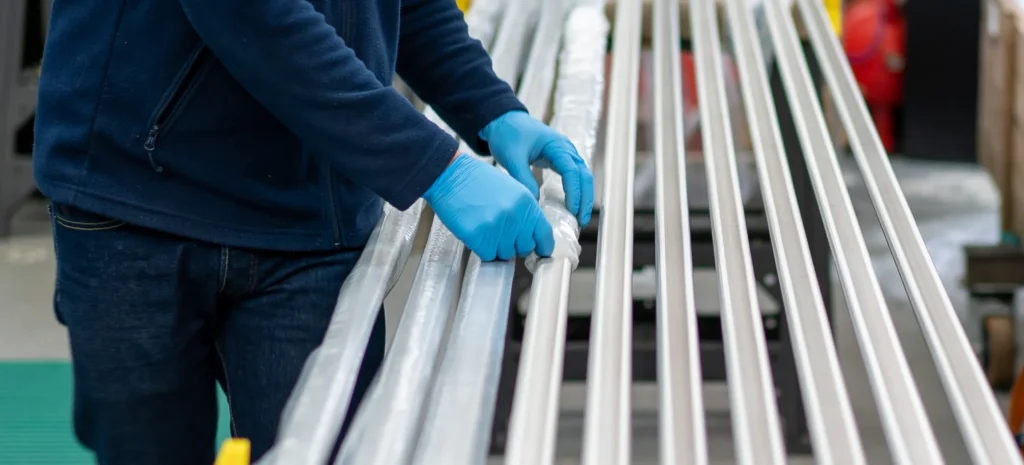
Correct packaging ensures the tube’s mechanical and surface integrity from our plant to your site—whether by container, breakbulk, or air freight.
Export Packaging and Protection for Stainless Steel Heat Exchanger Tubes

2. DLSS Standard Export Packaging Options

We offer flexible packaging tailored to your tube dimensions, finish type, and project requirements:

A. Hexagonal Bundles

  • Common for seamless tubes
  • Tubes aligned and secured with steel straps
  • Ends protected with plastic caps
  • Bundle wrapped in plastic sheeting or anti-rust film

B. Wooden Boxes / Crates

  • Ideal for thin-walled, polished, or U-bent tubes
  • ISPM-15 treated solid wood
  • Internal supports to prevent shifting
  • Desiccant bags and foam padding optional

C. U-Bend Tube Packing

  • Individual U-tubes match marked and nested
  • Ends capped and bundle secured with separators
  • Entire bundle packed in wooden box with bend zone support
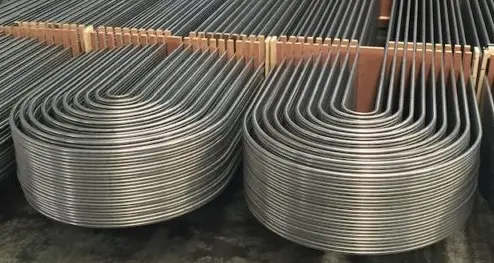
U-Bent Stainless Steel Tubes for Heat Exchangers: Manufacturing, Standards, and Applications

D. Customized Pallet Packaging

  • For short-length tubes or heavy tube sets
  • Compatible with forklift and containerized loading

All packages are designed to withstand long-distance transport, high humidity, and container stacking. Learn more at www.dlsspipeline.com


3. Surface and End Protection

To preserve surface quality and prevent contamination:

  • Plastic tube caps on both ends
  • PE film wrapping for bright annealed or polished tubes
  • Oil coating (upon request) for enhanced corrosion resistance
  • Paper or foam layers between tubes (for mirror finishes)

These measures are especially important for tubes used in hygienic, sanitary, or instrument-grade applications.


4. Marking, Labeling, and Traceability

DLSS provides complete product traceability with:

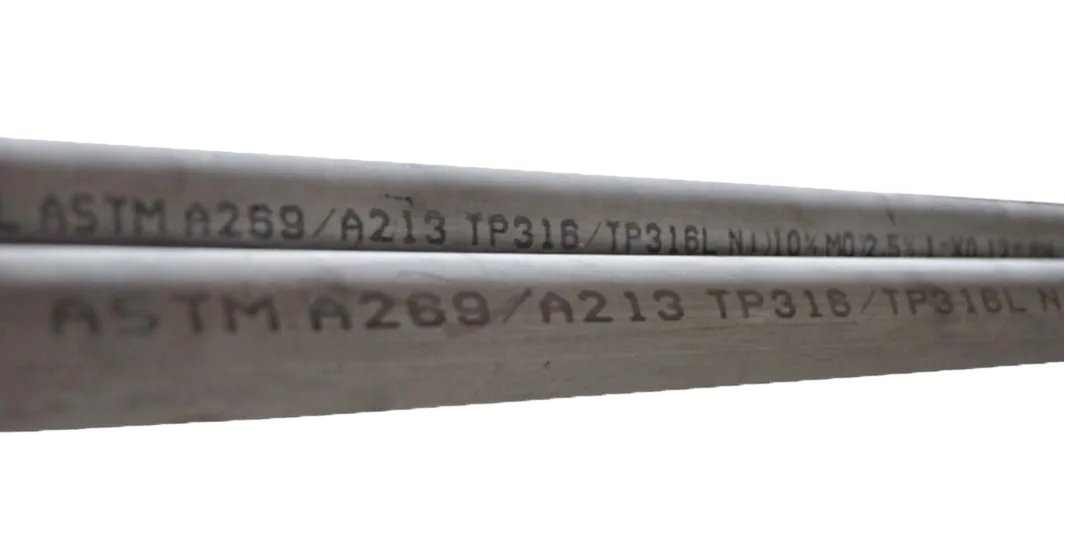
  • Heat number and size marking on each tube or tag
  • Bundle tag with product name, spec, size, quantity, and order number
  • Barcode or QR code (optional) for digital tracking
  • Stencil or laser marking available per project spec

All shipping documents (packing list, invoice, mill test certificate) are sealed in waterproof sleeves and affixed to the packaging.
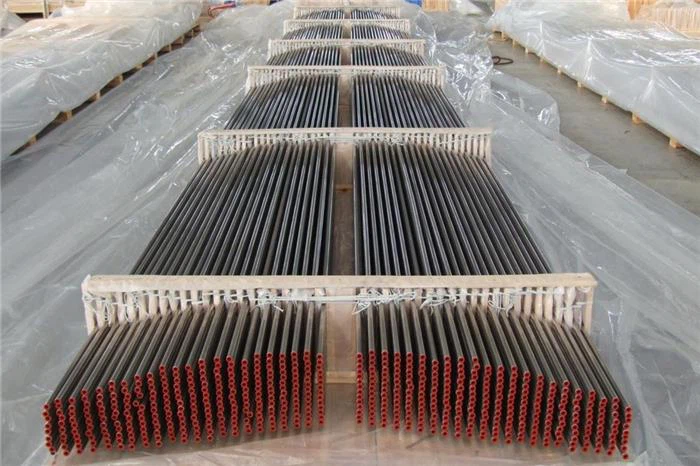
Export Packaging and Protection for Stainless Steel Heat Exchanger Tubes

5. Seaworthy and Client-Specific Packing

For export shipments, DLSS ensures packaging complies with:

  • Seaworthy packing standards (suitable for ocean transit)
  • Moisture prevention measures for high-humidity environments
  • Client-specific instructions (e.g., NORSOK, Shell, Total, or EPC packaging specs)
  • Third-party inspection and packing supervision upon request

Frequently Asked Questions (FAQ)

Q1: Can I request special packing for polished or sanitary-grade tubes?
Yes, we offer foam layering, plastic film wrap, and extra desiccant for sensitive tubes.

Q2: Is DLSS packaging compliant with international phytosanitary rules?
Absolutely. All wooden crates are ISPM 15 heat-treated and marked for customs compliance.

Q3: Do you support bundling by tube length or project section?
Yes, we can group tubes by drawing numbers, client codes, or section use for easier onsite handling.
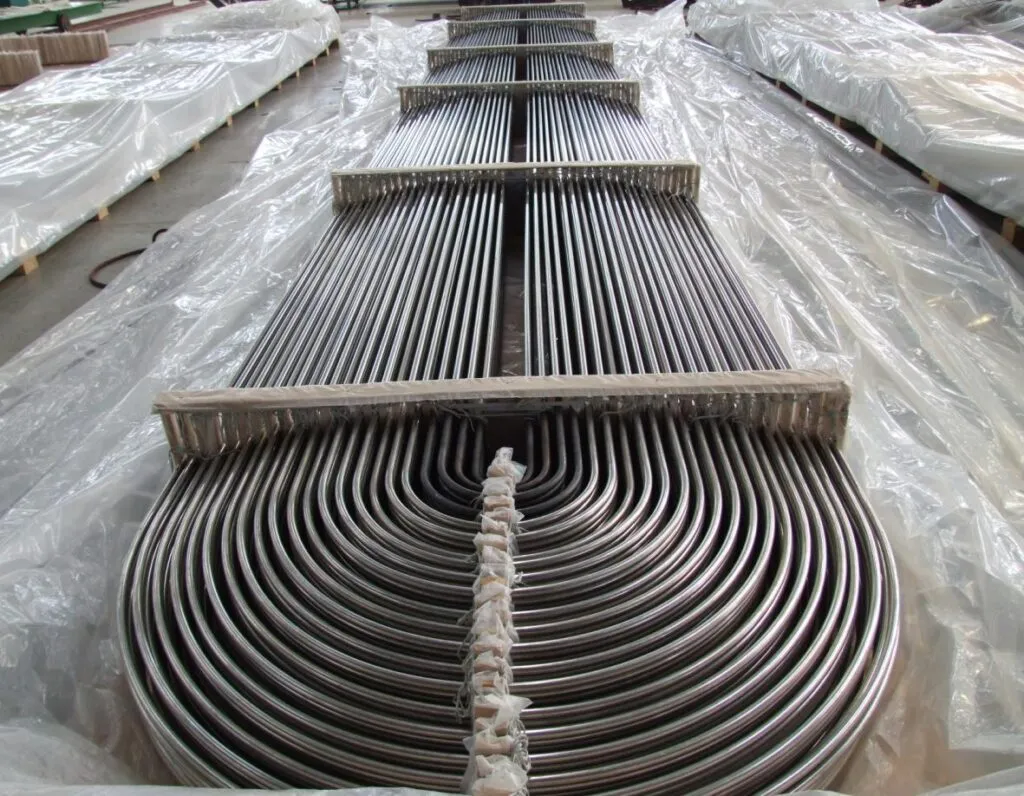
U-Bent Stainless Steel Tubes for Heat Exchangers: Manufacturing, Standards, and Applications

Conclusion

Proper export packaging is essential to protecting your investment and ensuring smooth, trouble-free project execution. DLSS offers tailored packaging solutions that meet international shipping requirements, minimize risk, and ensure your tubes arrive clean, straight, and ready to install.

To learn more about our packaging options or request a custom export solution, visit DLSS Pipeline.

Wonderful! Share This Case:

Austenitic Stainless Steel

Duplex Stainless Steel

Nickel Alloys

▪ Incoloy Family

▪ Inconel Family

▪ Monel Family

▪ Hastelloy Family

▪ Other Special Alloys

Cobalt Alloys

Related Posts

europe-cbam-stainless-steel-export-guide

How Europe’s CBAM

On October 1, 2023, the European Union launched its Carbon Border Adjustment Mechanism (CBAM) — a groundbreaking policy that requires importers to report the embedded carbon emissions of certain goods, including iron, steel, and stainless steel. For stainless steel pipe and heat exchanger tube exporters, this marks a new era....

Read More
Understanding Electropolished (EP) Tubes – Surface Roughness, Applications, and Manufacturing

EP Tube Surface

Electropolished stainless steel tubes are often called EP tubes. They are used in clean and high-purity systems. These systems need a smooth inner surface, low particle risk, and good corrosion resistance. EP tubes are common in: The most important point for many buyers is surface roughness. Surface roughness is usually...

Read More
Top 10 Applications of Stainless Steel Tubes in the Oil & Gas Industry

Top 10 Applications

Introduction The oil and gas industry operates under extreme conditions—high pressure, corrosive environments, and fluctuating temperatures. To ensure safety and durability, stainless steel tubes are essential components across upstream, midstream, and downstream operations. This article highlights the 10 most common applications of stainless steel tubes in the oil & gas...

Read More
Will Stainless Steel Seamless Pipes Rust? The Truth Behind the Name

Will Stainless Steel

Introduction A common question among engineers and procurement teams is: “If it’s called stainless, can it rust?” The name “stainless steel” suggests perfect rust resistance—but in reality, stainless steel can corrode under certain conditions. Understanding when and why this happens is essential to material selection and system reliability. This article...

Read More
Best Material for Seawater Heat Exchanger: 5 Options Compared for Corrosion Resistance and Performance

Seawater Heat Exchanger

Choosing the right seawater heat exchanger tube materials is one of the most important steps in a seawater heat exchanger project. Seawater contains chlorides and dissolved oxygen. It can cause corrosion very fast if the tube material is not suitable. Common problems include: For engineers and buyers, the best material...

Read More
Shell and Tube Heat Exchanger Design Considerations for Optimal Performance

Shell and Tube

1. Introduction – Shell and Tube Heat Exchanger Design A shell and tube heat exchanger is one of the most widely used heat exchanger types in industrial applications due to its versatility, durability, and ability to handle high pressures and temperatures. When planning a new installation or upgrading existing equipment,...

Read More
ASTM vs JIS Standards: Choosing the Right Stainless Tube for Japan(ASTM規格とJIS規格の比較:日本市場向けステンレスチューブの選び方)

ASTM vs JIS

1. Introduction In the Japanese stainless steel tube market, buyers often compare ASTM (American Society for Testing and Materials) and JIS (Japanese Industrial Standards) specifications. Both systems have rigorous requirements, but understanding their differences is key to choosing the right stainless steel seamless tube Japan for specific applications such as...

Read More
Common Heat Exchanger Tube Failures and How to Prevent Them

Common Heat Exchanger

Introduction Heat exchanger tube failures can lead to: Understanding the most frequent failure mechanisms is key to designing, selecting, and maintaining reliable heat exchanger systems. In this article, we explore the five most common tube failure types—and how to avoid them. 1. Pitting Corrosion Occurs when localized corrosion breaks through...

Read More

Request A Quote

*We respect your confidentiality and all information are protected.