High-Frequency Welded Finned Tubes: Advantages and Ideal Applications

DLSS - Finned Tube Knowledge Hub - High-Frequency Welded Finned Tubes: Advantages and Ideal Applications

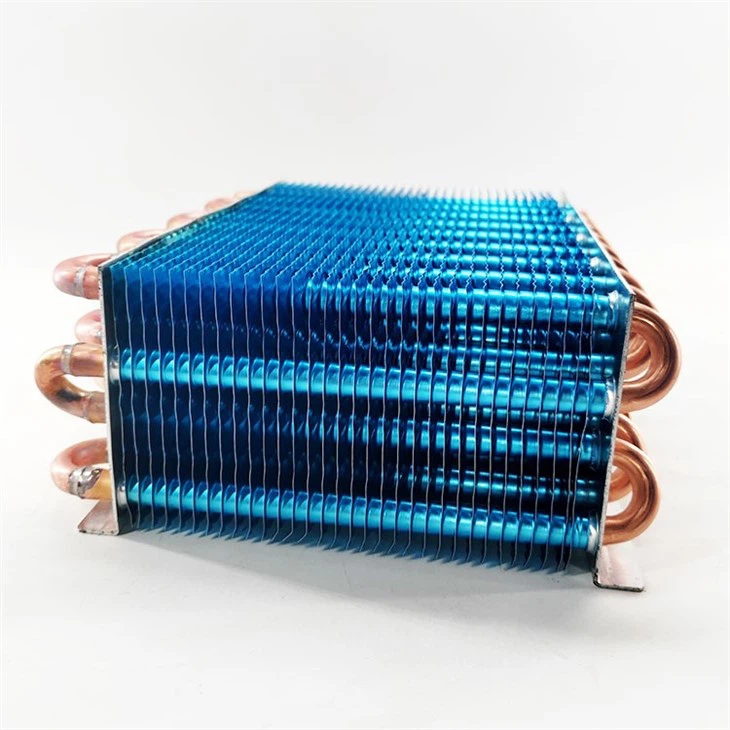
High-frequency welded finned tubes are one of the most widely used designs in industrial heat exchangers due to their strong metallurgical bonding and excellent heat transfer capabilities. This manufacturing method ensures a durable, efficient, and long-lasting solution for demanding thermal applications.

If you are unfamiliar with finned tubes in general, read our guide on What is a Finned Tube and How It Improves Heat Exchanger Efficiency. For a complete overview of finned tube types, see Different Types of Finned Tubes and Their Applications.


How High-Frequency Welded Finned Tubes Are Made

The manufacturing process involves helically winding a strip of steel or alloy fin material around the base tube, then welding the fin to the tube using high-frequency electrical current. This method creates:

  • A metallurgical bond between the fin and the tube wall
  • Minimal thermal resistance at the fin-tube interface
  • High mechanical strength and vibration resistance

Key Advantages

  1. Excellent Heat Transfer Efficiency – Strong weld ensures effective thermal conduction from fin to tube.
  2. High Durability – Resistant to fin loosening under high thermal stress or vibration.
  3. Wide Material Options – Carbon steel, stainless steel, alloy steel, and other special alloys can be used.
  4. Cost-Effective for Long-Term Use – Extended service life reduces maintenance frequency.
  5. Adaptable Design – Suitable for custom fin pitch, height, and thickness.

Ideal Applications

High-frequency welded finned tubes are commonly used in:

  • Boilers & Economizers – For waste heat recovery in power plants.
  • Air-Cooled Heat Exchangers – Particularly in petrochemical and oil & gas plants.
  • Gas Heaters & Coolers – Where high temperature resistance is needed.
  • Industrial Dryers – For heating air in process industries.

Maintenance Considerations

Although welded finned tubes are durable, performance can still degrade over time due to fouling. To maintain peak efficiency:


Conclusion

High-frequency welded finned tubes are a proven choice for industries that demand both performance and durability. Their robust construction ensures reliable heat transfer even in the most challenging environments.

DLSS offers precision manufacturing of high-frequency welded finned tubes, with customizable designs to meet specific project needs.

Contact us today via www.dlsspipeline.com or email info@dlsspipe.com for expert advice and a tailored quotation.

Wonderful! Share This Case:

Austenitic Stainless Steel

Duplex Stainless Steel

Nickel Alloys

▪ Incoloy Family

▪ Inconel Family

▪ Monel Family

▪ Hastelloy Family

▪ Other Special Alloys

Cobalt Alloys

Related Posts

ASTM B111 C44300 (O61) Admiralty Brass Seamless Tube – 19.05 × 1.65 × 6100mm

ASTM B111 C44300 (O61) Admiralty

Product Summary Material Overview – C44300 Admiralty Brass C44300, commonly referred to as Admiralty Brass, is a copper-zinc alloy with a small amount of tin. It is specifically developed for excellent corrosion resistance in seawater and brine environments, making it ideal for refinery and power station heat exchanger tubes. Element Typical Composition (%) Copper (Cu) 70.0 – 73.0 Zinc […]

Read More
Heat Exchanger Tube Materials: Pros and Cons of Stainless Steel, Copper, and Titanium

Heat Exchanger Tube Materials: Pros

1. Introduction – Heat Exchanger Tube Materials Selecting the right heat exchanger tube material is critical for optimizing performance, extending service life, and minimizing maintenance costs. This article compares stainless steel, copper, and titanium—three of the most common materials used in shell and tube as well as plate heat exchanger designs. For related topics, see […]

Read More
Geothermal Heat Exchangers: How They Work and Why Stainless Steel Tubes Matter

Geothermal Heat Exchangers: How They

As global interest in renewable energy grows, geothermal systems are increasingly being adopted for heating, cooling, and even power generation. At the heart of these systems are geothermal heat exchangers, responsible for transferring thermal energy between the ground and the working fluid. This article explains how geothermal heat exchangers work, compares types, discusses key challenges […]

Read More
Why Stainless Steel Tube Grain Size Matters in Heat Exchanger Applications

Why Stainless Steel Tube Grain

Meta Description:Grain size in stainless steel tubes directly affects corrosion resistance, mechanical strength, and heat exchanger durability. Learn how ASTM grain size ratings influence performance and certification. Introduction When engineers specify stainless steel tubes for shell-and-tube heat exchangers, attention is often paid to chemical composition, wall thickness, and surface finish. But there’s another hidden factor […]

Read More
How to Select the Right Stainless Steel Seamless Pipe for Projects in South America

How to Select the Right

Meta Description:Need stainless steel seamless pipes for a refinery, LNG terminal, or food plant in South America? Learn how to choose the correct grade, certification, and finish based on local conditions and client requirements. Introduction South America is home to diverse industries—from refineries in Brazil to mining operations in Chile, and LNG terminals in Colombia. […]

Read More
Stainless Steel Tubes for Hydrogen Production and Electrolysis Systems

Stainless Steel Tubes for Hydrogen

Meta Description:Explore the role of stainless steel seamless tubes in hydrogen production and electrolysis systems. Understand material selection, corrosion challenges, and how DLSS supports green energy. Introduction As the global push toward green hydrogen accelerates, the materials used in hydrogen production systems are under intense scrutiny. Stainless steel tubes—especially those used in electrolyzers, high-pressure pipelines, […]

Read More

How to Ensure NACE MR0175

Meta Description:Discover how to meet NACE MR0175/ISO 15156 compliance when sourcing stainless steel seamless tubes for sour service. Learn about materials, testing, certifications, and supplier selection. Introduction Sour gas environments—containing hydrogen sulfide (H₂S)—pose one of the greatest challenges for stainless steel tubes in the oil and gas industry. The presence of H₂S increases the risk […]

Read More
Top 7 Types of Finned Tubes and Their Applications Across Industries

Top 7 Types of Finned

Meta Description:Explore 7 common finned tube designs, how they differ, and which applications they serve best. Learn how to select the right fin geometry and material for your heat exchanger project. Introduction Not all finned tubes are created equal. With varying geometries, base materials, and manufacturing techniques, selecting the proper finned tube type can make […]

Read More

Request A Quote

*We respect your confidentiality and all information are protected.