Custom Finned Tube Solutions for Offshore and Marine Applications

DLSS - Finned Tube Knowledge Hub - Custom Finned Tube Solutions for Offshore and Marine Applications

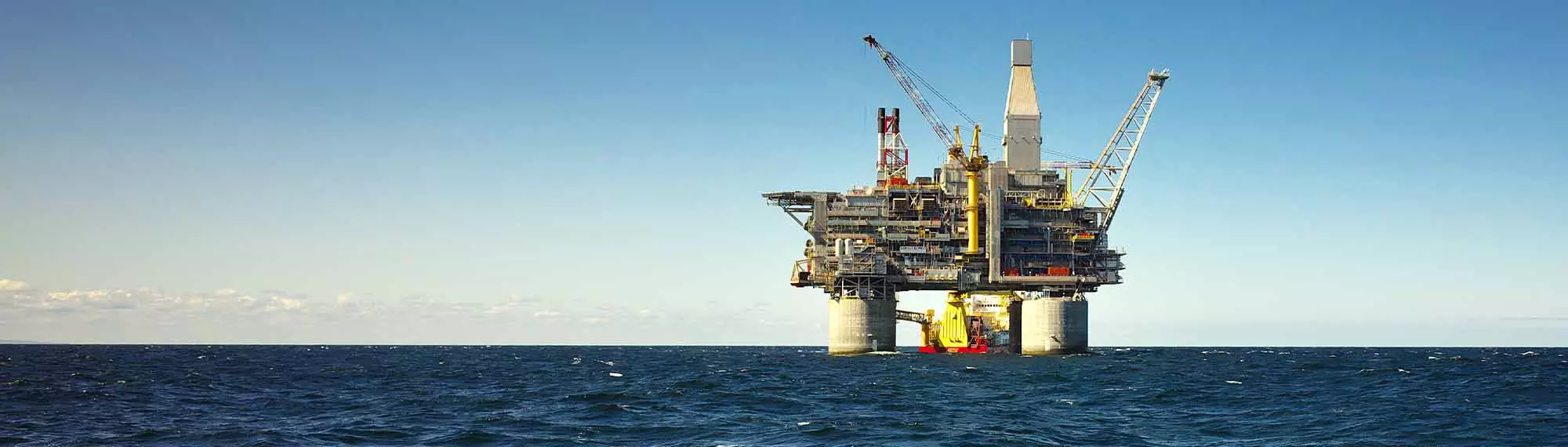
Offshore oil platforms, marine vessels, and coastal industrial facilities require custom finned tube solutions that can withstand the challenges of seawater corrosion, high humidity, and continuous operation. At DLSS, we specialize in designing and manufacturing offshore and marine finned tube heat exchanger components with precision engineering and enhanced durability.

For understanding different finned tube types, see our Spiral vs Extruded Finned Tube Comparison. For maintenance tips, check Finned Tube Cleaning and Maintenance Best Practices.


1. Unique Challenges in Offshore and Marine Environments

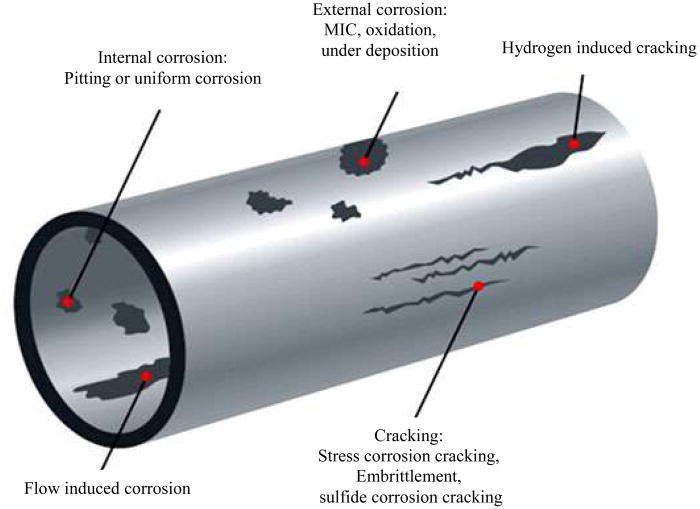
  • High Corrosion Risk – Continuous exposure to seawater and salty air accelerates metal degradation.
  • Biofouling – Marine organisms attach to tube surfaces, reducing heat transfer efficiency.
  • High Pressure & Temperature Variations – Offshore systems experience fluctuating loads and operational cycles.

2. DLSS Custom Design Solutions

  • Material Selection – Titanium, Cu-Ni alloys, and super duplex stainless steel for maximum corrosion resistance.
  • Protective Coatings – Anti-fouling and anti-corrosion coatings for longer service life.
  • Optimized Fin Geometry – Custom fin spacing and height for better performance in high-humidity conditions.
  • Precision Manufacturing – CNC-controlled fin winding and extrusion for consistent quality.

3. Benefits of DLSS Offshore & Marine Finned Tubes

  • Extended operational life in seawater environments
  • Reduced maintenance downtime
  • Enhanced heat transfer efficiency
  • Compliance with ABS, DNV, and NORSOK standards

4. Applications

  • Offshore oil and gas production platforms
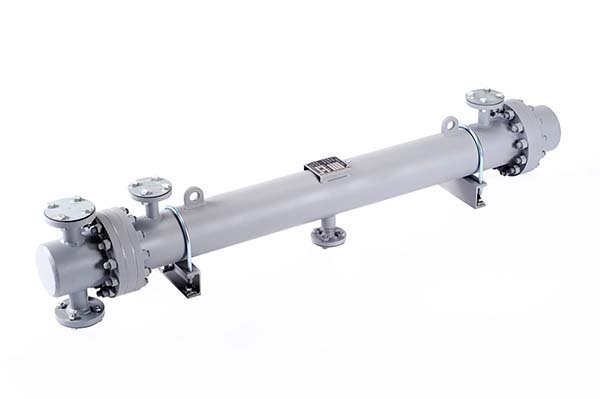
  • Marine vessel condensers and coolers
  • Coastal power plants
  • Desalination plants

5. Related Reading


DLSS provides complete offshore and marine finned tube solutions, from design to delivery, ensuring your heat exchangers operate efficiently under the toughest conditions.

Contact us today at info@dlsspipe.com or visit www.dlsspipeline.com for tailored heat exchanger component solutions.

Wonderful! Share This Case:

Austenitic Stainless Steel

Duplex Stainless Steel

Nickel Alloys

▪ Incoloy Family

▪ Inconel Family

▪ Monel Family

▪ Hastelloy Family

▪ Other Special Alloys

Cobalt Alloys

Related Posts

Top Applications of Tubular Heat Exchangers in the Oil and Gas Industry

Top Applications of Tubular Heat

In the oil and gas industry, process reliability, corrosion resistance, and thermal efficiency are critical to success. Among the most vital components enabling these outcomes are tubular heat exchangers, particularly shell and tube heat exchangers (STHEs). From upstream production to downstream refining, these systems provide the thermal control required in some of the world’s most […]

Read More
Spiral Finned Tube vs Extruded Finned Tube: Which is Better for Your Project?

Spiral Finned Tube vs Extruded

When selecting spiral finned tube vs extruded finned tube for a heat exchanger, engineers must weigh performance, durability, and operating costs. Both fin types enhance heat transfer, but their differences can significantly affect long-term efficiency. If you’re new to finned tubes, start with What is a Finned Tube and How It Improves Heat Exchanger Efficiency. […]

Read More
Stainless Steel Seamless Pipe Trends in South America (2025 Update)

Stainless Steel Seamless Pipe Trends

Meta Description:Explore the latest trends in stainless steel seamless pipe demand across South America. Learn which industries drive growth, preferred grades, and how DLSS supports regional projects. 1. Market Overview in South America South American demand for stainless steel seamless pipes has grown steadily, driven by: Analysts report a 6–7% CAGR in the region through […]

Read More
Geothermal Heat Exchangers: How They Work and Why Stainless Steel Tubes Matter

Geothermal Heat Exchangers: How They

As global interest in renewable energy grows, geothermal systems are increasingly being adopted for heating, cooling, and even power generation. At the heart of these systems are geothermal heat exchangers, responsible for transferring thermal energy between the ground and the working fluid. This article explains how geothermal heat exchangers work, compares types, discusses key challenges […]

Read More
Why Japanese Heat Exchanger Manufacturers Prefer TP316L Tubes(日本の熱交換器メーカーがTP316Lチューブを選ぶ理由)

Why Japanese Heat Exchanger Manufacturers

1. Introduction TP316L heat exchanger tube Japan is the top choice for many 日本の熱交換器メーカー (Japanese heat exchanger manufacturers) that require exceptional corrosion resistance, precise dimensions, and long service life. Whether for 海水淡水化プラント (seawater desalination plants), chemical processing, or power generation, TP316L delivers consistent performance in Japan’s demanding industrial environments. 2. Material Properties of TP316L Stainless […]

Read More

ASME, EN, and JIS Standards

In global heat exchanger projects, engineers and procurement teams often face a critical question: Which material standard should we follow—ASME, EN, or JIS? Each of these standards governs stainless steel tube production but comes from different regions and technical philosophies. Understanding their differences helps avoid miscommunication, ensure regulatory compliance, and make smart sourcing decisions. In […]

Read More

TP304 vs TP316L: A Comprehensive

Introduction TP304 and TP316L are the two most widely used austenitic stainless steel grades in industrial piping, particularly in heat exchangers, boiler systems, and chemical plants. While both belong to the same stainless steel family, they differ in corrosion resistance, mechanical properties, and application suitability. In this article, we compare TP304 and TP316L across 5 key aspects to help engineers, procurement teams, and project […]

Read More
Nickel Alloy 625 vs 825: Choosing the Right Pipe for Chemical and Offshore Projects

Nickel Alloy 625 vs 825:

1. Introduction When it comes to critical piping systems in chemical plants, refineries, and offshore projects, material selection plays a decisive role in long-term reliability. Two of the most widely specified options are Nickel Alloy 625 pipes and Incoloy 825 tubes. Although both are high-performance alloys with excellent corrosion resistance, their properties and cost-performance profiles […]

Read More

Request A Quote

*We respect your confidentiality and all information are protected.