Alloy Steel Heat Exchanger Tubes (ASTM A199 T11) – Cold Drawn Precision Solutions

DLSS - Pipe&Tube - Alloy Steel Heat Exchanger Tubes (ASTM A199 T11) – Cold Drawn Precision Solutions

Introduction

In high-temperature environments such as boilers, power plants, and petrochemical heat exchangers, alloy steel tubes are indispensable. One common choice is ASTM A199 T11, a Cr-Mo alloy steel that provides excellent creep resistance, mechanical strength, and durability. Recently, a customer requirement for T11 cold drawn tubes offers a valuable example of how this material meets the needs of demanding thermal applications.


Customer Requirement Example

The specific request included:

  • Material: ASTM A199 T11 or equivalent
  • Outside Diameter (OD): 15.875 mm
  • Wall Thickness (WT): 2.11 mm
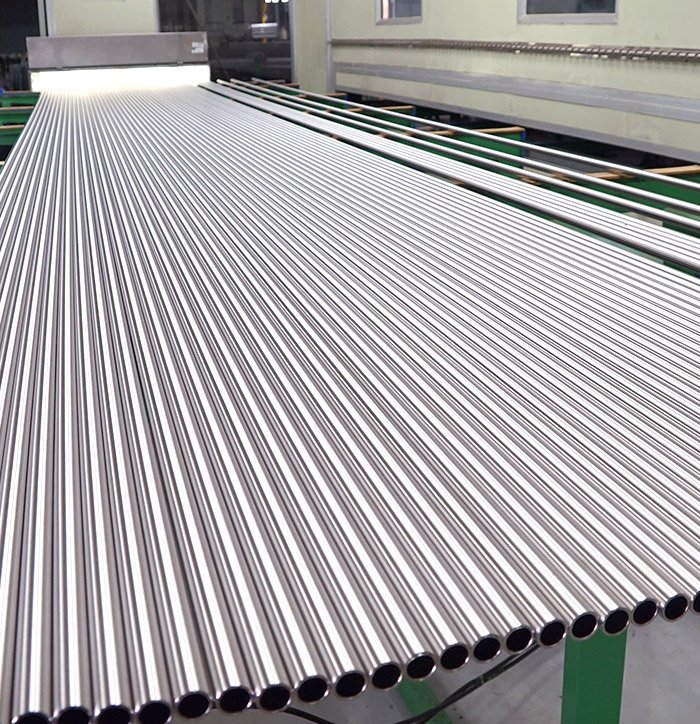
  • Tube Length: 15,000 mm
  • Quantity: 2,225 pieces

This specification reflects the rising demand for long-length, precision alloy steel tubes in heat exchanger and boiler applications.


Why Choose ASTM A199 T11?

T11 alloy steel belongs to the ferritic family of Cr-Mo steels, known for their excellent high-temperature performance:

  • High-Temperature Strength: Resists creep and maintains integrity at elevated operating conditions.
  • Oxidation Resistance: With 1.0–1.5% Cr and 0.44–0.65% Mo, T11 offers good oxidation resistance in flue gas and steam environments.
  • Weldability: T11 tubes can be welded effectively while maintaining stable mechanical properties.
  • Cost Efficiency: Compared to higher-alloy steels, T11 provides a reliable balance between performance and cost.

Technical Challenges of Cold Drawn Alloy Steel Tubes

Producing precision cold drawn tubes at 15 meters in length involves several challenges:

  • Dimensional Accuracy: Maintaining OD and WT tolerances within ±0.05 mm across long lengths.
  • Surface Quality: Smooth inner and outer surfaces to minimize scaling and fouling in service.
  • Straightness: Critical for tube-to-tube sheet fit-up in heat exchanger assemblies.
  • Heat Treatment: Proper normalizing and tempering cycles to ensure creep resistance and toughness.

DLSS Cold Drawing and Quality Solutions

DLSS ensures compliance with stringent requirements for alloy steel tubes:

  • Cold Drawing Technology: Achieves precision tolerances and improved surface finish.
  • Heat Treatment Expertise: Normalizing and tempering processes restore mechanical properties and refine grain structure.
  • Testing & Certification:
    • EN 10204 3.1 or 3.2 certificates
    • 100% Eddy Current + Hydrostatic testing
    • Mechanical and hardness testing for elevated temperature service
  • Inspection Plans: Customized ITPs (Inspection & Test Plans) with third-party inspection options.
  • Packaging: End caps, VCI protection, wooden cases for safe transport of long-length tubes.

Applications of Alloy Steel T11 Tubes

Alloy steel T11 tubes are widely used across industries:

  • Boiler Tubes in thermal and power plants
  • Superheaters & Reheaters in high-pressure steam systems
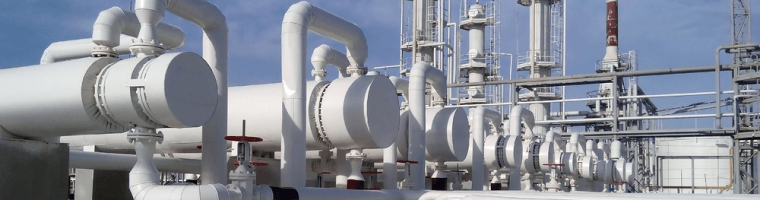
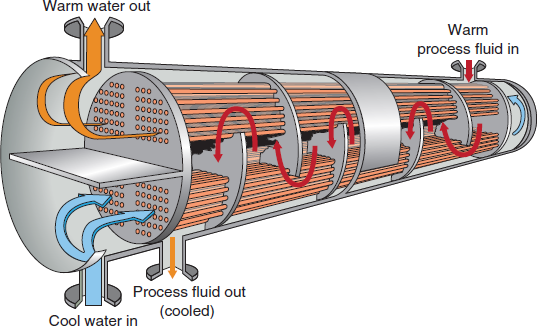
  • Petrochemical Heat Exchangers handling elevated temperatures
  • Economizers in power generation units

Their proven performance makes them a standard choice for operators seeking reliability and long service life.


Conclusion – Partnering with DLSS for Alloy Steel Tubes

This customer requirement for T11 cold drawn tubes illustrates the importance of precision and quality in high-temperature heat exchanger applications. DLSS provides engineered alloy steel tubes with strict dimensional control, certified testing, and international compliance.

For more details, contact info@dlsspipe.com or visit www.dlsspipeline.com. DLSS is your trusted partner for alloy steel heat exchanger tubes.

Wonderful! Share This Case:

Austenitic Stainless Steel

Duplex Stainless Steel

Nickel Alloys

▪ Incoloy Family

▪ Inconel Family

▪ Monel Family

▪ Hastelloy Family

▪ Other Special Alloys

Cobalt Alloys

Related Posts

Material Selection for Seawater-Cooled Heat Exchangers: What Engineers Must Consider

Heat Exchanger Tube

The global heat exchanger market is heating up—literally and economically. With rising demand for energy efficiency, industrial process optimization, and sustainable thermal management, stainless steel heat exchanger tubes are becoming a critical infrastructure material across multiple industries. Recent industry research forecasts a compound annual growth rate (CAGR) of 9.5% through...

Read More
Global Outlook: Growth Trajectory of Stainless Steel Seamless Tube Market (2025–2030)

Global Outlook: Growth

The global stainless steel seamless tube market is entering a phase of steady, diversified, and value-driven expansion. As industries demand higher performance under increasingly harsh conditions, seamless tubes are gaining preference over welded ones—especially in heat exchanger, petrochemical, power, and clean energy applications. According to recent market reports, the stainless...

Read More
Nickel 200 and Nickel 201 Seamless Tubes: Properties, Applications, and Selection Guide

Nickel 200 vs

Nickel 200 and Nickel 201 are commercially pure nickel grades used in seamless tubes, pipes, heat transfer equipment, chemical processing systems, caustic handling, food processing, synthetic fiber production, and electrical components. At first glance, Nickel 200 and Nickel 201 look very similar. Both offer high nickel content, good mechanical properties,...

Read More

Everything You Need

What Are Inner Grooved Coil Tubes? Inner grooved coil tubes, also known as ribbed tubes or micro-fin tubes, are seamless or welded coil tubes with precisely formed helical grooves on the internal surface. These grooves increase turbulence in fluid flow, thereby enhancing the heat transfer coefficient. They are widely used in: Why Choose Inner Grooved Tubes?  30–50%...

Read More
Material Selection for Seawater-Cooled Heat Exchangers: What Engineers Must Consider

Material Selection for

Seawater is one of the most aggressive environments for heat exchanger systems. High levels of chlorides, biofouling, and oxygenated saline water create ideal conditions for pitting, crevice corrosion, and stress corrosion cracking (SCC). Choosing the wrong material for tubes in seawater-cooled heat exchangers can lead to early failure, frequent maintenance,...

Read More
The Role of Stainless Steel Tubes in Renewable Energy Systems – Solar, Wind, and Hydrogen

The Role of

Introduction As the global push for carbon neutrality intensifies, renewable energy systems are expanding at an unprecedented rate. From solar thermal plants to hydrogen pipelines, the infrastructure behind green energy demands materials that offer durability, corrosion resistance, and long life cycles under harsh environments. DLSS provides high-grade stainless steel tubes...

Read More
Electropolished Tubing: When and Why to Use It

Electropolished Tubing: When

Introduction In industries where surface purity, cleanliness, and corrosion resistance are paramount, electropolished (EP) tubing is no longer optional—it’s a necessity. Whether you’re building pharmaceutical cleanrooms, semiconductor cooling loops, or biotech reactors, EP tubing ensures the performance, sterility, and durability that standard stainless steel tubes can’t match. This article explains...

Read More
Electropolished vs Mechanically Polished Tubes: What’s Best for Hygienic Applications?

Electropolished vs Mechanically

Introduction In sanitary applications, cleanability is critical. Whether you’re building a milk pasteurizer in Brazil or a pharmaceutical system in Colombia, the inner surface of your stainless steel tubes directly affects hygiene, bacterial resistance, and compliance. The two most common surface finishes used in sanitary stainless steel tubing are: But...

Read More

Request A Quote

*We respect your confidentiality and all information are protected.