The global shipbuilding industry is changing quickly. Shipyards, shipowners, EPC contractors, and marine equipment manufacturers are no longer only asking for more capacity. They are also asking for cleaner vessels, better energy efficiency, stronger corrosion resistance, longer service life, and more reliable material documentation.
For stainless steel and alloy tube suppliers, this creates a clear opportunity. Shipbuilding projects need materials that can work under seawater, chloride environments, high temperature, vibration, pressure, and long-distance marine operation.
This article reviews the main global shipbuilding trends and explains how marine-grade stainless steel tubes, duplex tubes, titanium tubes, copper nickel tubes, and nickel alloy tubes can support shipbuilding and offshore projects.
Quick Answer
The shipbuilding industry is moving toward cleaner, more efficient, and more durable vessels.
Key trends include:
- Continued leadership of East Asian shipyards
- More demand for energy-efficient vessel designs
- Stronger pressure to reduce shipping emissions
- Fleet renewal driven by aging vessels and new regulations
- Growing demand for LNG, methanol-ready, ammonia-ready, hybrid, and low-emission vessel concepts
- Higher material requirements for seawater cooling, heat exchangers, boilers, scrubbers, desalination, ballast systems, and marine piping
- More focus on class approval, traceability, MTC documents, and third-party inspection
For marine tube and pipe buyers, the main question is not only “Which material is cheapest?”
The better question is:
Which material can handle seawater corrosion, temperature, pressure, vibration, maintenance requirements, and class approval for the full service life of the vessel?
1. East Asia Remains the Center of Global Shipbuilding
Global shipbuilding capacity is still strongly concentrated in East Asia. China, South Korea, and Japan remain key players in commercial ship construction.
China has strong capacity in bulk carriers, container ships, tankers, and a wide range of commercial vessels. South Korea is highly competitive in LNG carriers, high-value ships, and advanced shipbuilding technologies. Japan continues to have a strong position in quality-focused shipbuilding, bulk carriers, and specialized vessels.
For suppliers, this means that shipbuilding demand is concentrated but technically diverse. Different shipyards and vessel types may require different materials, documents, inspection standards, and delivery schedules.
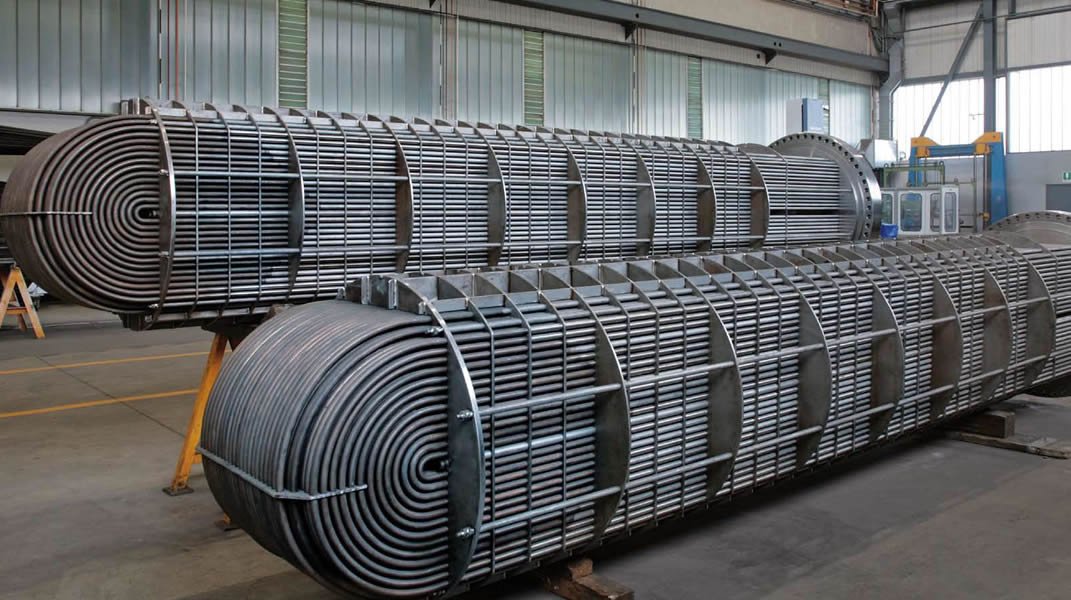
A stainless steel tube supplier serving shipbuilding projects must be able to support not only standard sizes, but also project-specific requirements such as U-bent tubes, finned tubes, heat exchanger tubes, duplex stainless steel, copper nickel, titanium, nickel alloys, and class-approved documentation.
2. Green Shipping Is Driving New Material Requirements
Shipping is under increasing pressure to reduce greenhouse gas emissions. The industry is moving toward lower-carbon fuels, energy-saving systems, heat recovery, improved propulsion efficiency, and more efficient onboard equipment.
This trend affects shipbuilding material selection.
Low-emission vessels may require:
- More efficient heat exchangers
- LNG-related systems
- Methanol-ready or ammonia-ready vessel designs
- Exhaust gas treatment systems
- Waste heat recovery units
- Advanced cooling systems
- Corrosion-resistant seawater systems
- Higher-performance marine piping materials
These systems often need tubes and pipes that can withstand corrosion, pressure, temperature, vibration, and long service cycles.
For example, seawater cooling systems may require copper nickel, titanium, duplex stainless steel, or super duplex stainless steel depending on chloride content, flow velocity, design pressure, and lifecycle cost. Heat recovery and exhaust-related systems may require stainless steel, high-temperature stainless grades, or nickel alloys depending on the operating condition.
3. Fleet Renewal Creates Demand for Reliable Marine Components
Many vessels in the global fleet are aging. At the same time, shipowners need to meet higher expectations for fuel efficiency, emissions control, safety, and operating reliability.
Fleet renewal does not only mean building new ships. It also includes repair, replacement, retrofit, and upgrading of onboard systems.
Common replacement and retrofit areas include:
- Heat exchanger tubes
- Condenser tubes
- Boiler tubes
- Seawater cooling pipes
- Ballast water system pipes
- Exhaust gas system components
- Scrubber-related piping
- Desalination system tubes
- HVAC and refrigeration tubes
- Fuel and process piping
- U-tube bundles and finned tubes
For replacement projects, material matching is critical. Buyers should check the original material, operating medium, corrosion history, failure reason, and new regulatory requirement before selecting a replacement material.
Simply copying the old material may not always be the best solution. If corrosion, leakage, fouling, or short service life has already occurred, the material should be reviewed again.
4. Corrosion Resistance Is a Core Requirement in Marine Service
Marine environments are challenging. Materials may face seawater, chloride-containing water, salt atmosphere, humidity, heat, vibration, and limited maintenance access.
Common corrosion risks include:
- Pitting corrosion
- Crevice corrosion
- Galvanic corrosion
- Stress corrosion cracking
- Erosion-corrosion
- Corrosion under deposits
- Weld-area corrosion
- External salt exposure
This is why material selection must be based on actual service condition.
Common marine tube and pipe materials include:
| Material | Typical Marine Use |
|---|---|
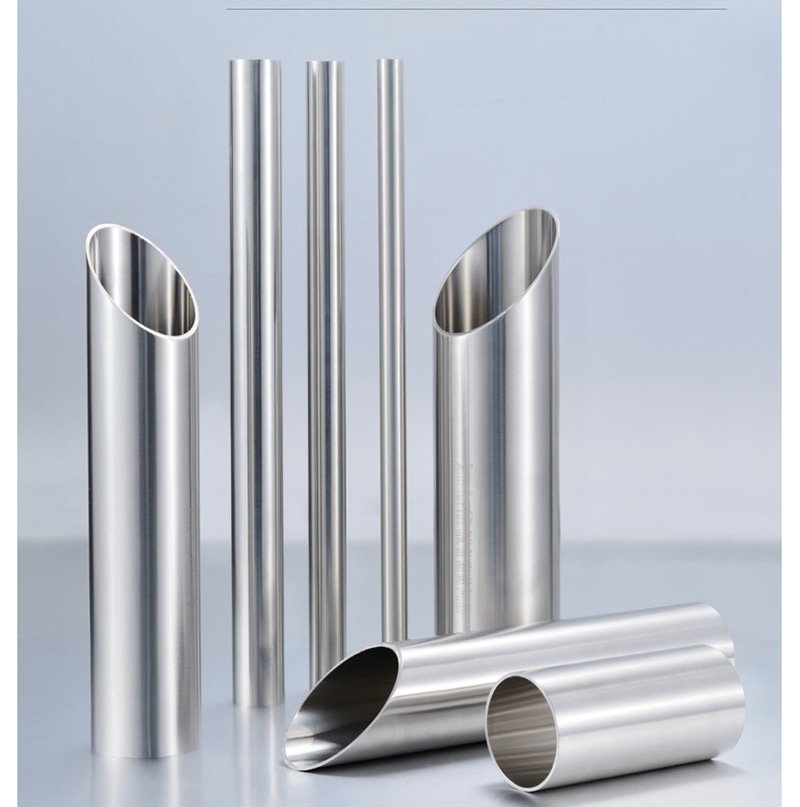
| 316L stainless steel | General marine and mildly corrosive service |
| 321 / 347 stainless steel | Higher-temperature systems |
| Duplex 2205 | Chloride service, higher strength, seawater-related systems |
| Super duplex 2507 | More severe chloride and seawater environments |
| 904L | Selected acid and chloride-containing environments |
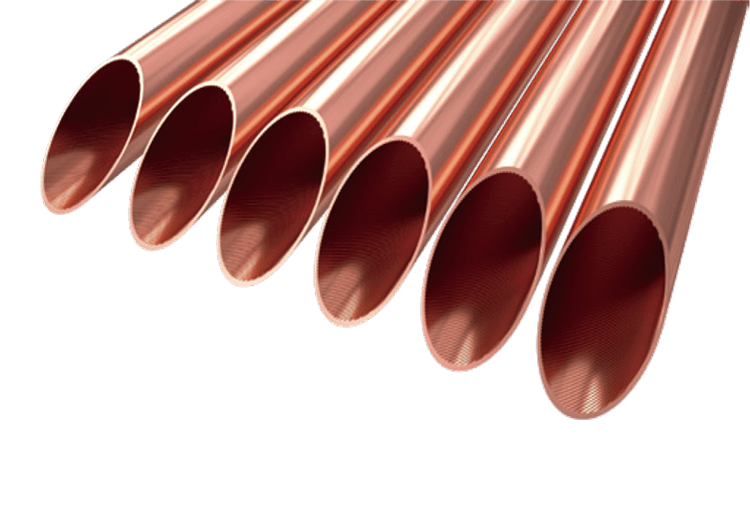
| Copper nickel C70600 / C71500 | Condensers, seawater cooling, marine heat exchangers |
| Titanium Grade 2 | Seawater heat exchangers and highly corrosion-resistant service |
| Alloy 625 / Alloy 825 / C-276 | Severe corrosion or high-performance chemical/marine systems |
There is no single material suitable for every marine system. Buyers should consider seawater quality, chloride concentration, temperature, pressure, flow velocity, galvanic contact, cleaning method, and expected service life.
5. Heat Exchangers Remain Critical in Shipbuilding
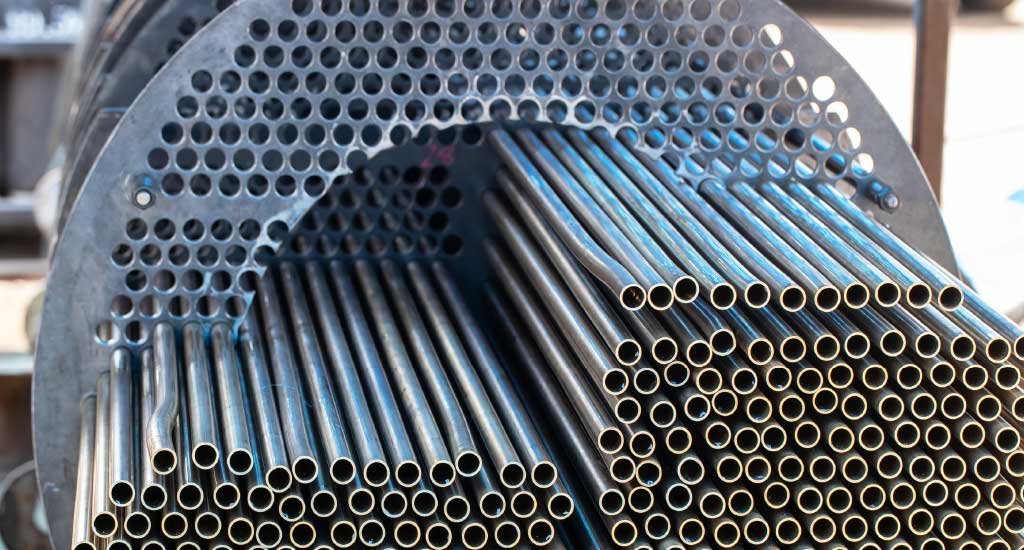
Heat exchangers are widely used onboard ships. They support engine cooling, seawater cooling, lubrication oil cooling, fuel systems, HVAC, refrigeration, desalination, waste heat recovery, and other systems.
Common tube types used in marine heat exchangers include:
- Stainless steel seamless tubes
- Welded stainless steel tubes
- Copper nickel tubes
- Titanium tubes
- Duplex and super duplex tubes
- U-bent tubes
- Low finned tubes
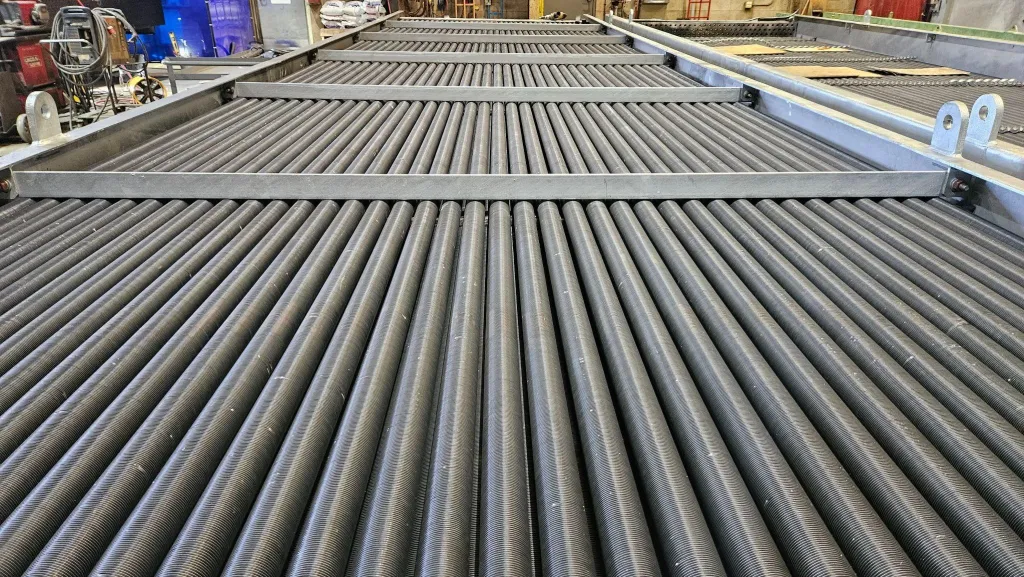
- Spiral finned tubes
- Nickel alloy tubes
For marine heat exchanger tube procurement, buyers should provide:
- Tube material grade
- Applicable standard
- OD, wall thickness, and length
- Straight tube or U-tube
- Medium inside and outside the tube
- Operating temperature
- Operating pressure
- Chloride content or seawater condition
- Surface finish requirement
- NDT requirement
- Hydrostatic test requirement
- MTC requirement
- Class approval or third-party inspection requirement
Marine heat exchanger tubes should not be selected only by price. Corrosion resistance, cleaning, service life, and document acceptance are equally important.
6. Class Approval and Documentation Are Becoming More Important
Shipbuilding projects often require strict documentation. Material is not accepted only because it looks correct. It must also be traceable and supported by proper certificates.
Common document requirements may include:
- MTC EN 10204 3.1
- EN 10204 3.2 certificate when required
- Heat number traceability
- Chemical composition
- Mechanical properties
- PMI report
- NDT report
- Hydrostatic test report
- Dimensional inspection report
- Class society certificate when required
- Third-party inspection report
- Packing list and marking records
Class societies such as ABS, DNV, BV, LR, NK, RINA, CCS, and others may be involved depending on the vessel and project specification.
For shipbuilding materials, the supplier should confirm documentation requirements before production. If class approval or third-party witness inspection is requested after the material is finished, it may cause delay or extra cost.
7. What Buyers Should Include in a Shipbuilding Tube RFQ
A clear RFQ helps the supplier recommend the correct material and avoid later disputes.
Buyers should provide:
- Vessel type or project application
- Material grade
- Applicable standard
- Product type: tube, pipe, U-tube, finned tube, fitting, or flange
- Seamless or welded requirement
- OD, wall thickness, length, and quantity
- Medium, such as seawater, freshwater, steam, oil, fuel, gas, or chemical fluid
- Operating temperature and pressure
- Corrosion condition
- Surface finish requirement
- Heat treatment requirement
- NDT requirement
- Hydrostatic test requirement
- PMI requirement
- Class approval requirement
- MTC type
- Third-party inspection requirement
- Packing requirement
- Delivery schedule
- Drawing or technical specification, if available
If the buyer is not sure which material is suitable, the RFQ can state:
“Please recommend a suitable marine tube material based on the attached medium, temperature, pressure, chloride condition, vessel application, inspection requirement, class approval requirement, and expected service life. Please advise the technical risk and cost difference between available options.”
How DLSS Supports Shipbuilding and Marine Projects
DLSS supplies stainless steel and alloy tubes, pipes, fittings, flanges, U-tubes, and finned tubes for shipbuilding, marine equipment, offshore systems, heat exchangers, boilers, condensers, desalination units, seawater cooling systems, and industrial piping projects.
Our support includes:
- Stainless steel seamless tubes
- Welded stainless steel tubes
- Marine heat exchanger tubes
- U-bent tubes
- Finned tubes
- Duplex and super duplex tubes
- Copper nickel tubes
- Titanium tubes
- Nickel alloy tubes
- Stainless steel pipes and fittings
- Flanges and forged components
- MTC and inspection document support
- Third-party inspection coordination
- Class-related documentation support when required
- Export packing for long-distance shipment
Before production, DLSS can help buyers review the material grade, operating condition, corrosion risk, standard, inspection scope, class requirement, and delivery schedule. The goal is to reduce wrong material selection, documentation problems, and final acceptance risk.
Common Mistakes Buyers Should Avoid
Mistake 1: Choosing Material Only by Price
In marine service, cheaper material may lead to corrosion, leakage, shorter service life, and higher maintenance cost.
Mistake 2: Ignoring Chloride and Seawater Conditions
Marine systems are not all the same. Chloride content, flow velocity, temperature, oxygen level, and fouling condition can change the material requirement.
Mistake 3: Requesting Class Documents Too Late
Class approval, 3.2 certification, or third-party witness inspection should be confirmed before production, not after shipment.
Mistake 4: Using One Material for All Marine Systems
A vessel may need different materials for seawater cooling, fuel systems, boilers, heat exchangers, HVAC, and exhaust systems. Material selection should be system-specific.
Mistake 5: Sending an Incomplete RFQ
Without medium, temperature, pressure, corrosion condition, standard, and document requirement, the supplier cannot make a reliable recommendation.
FAQ
What materials are commonly used for shipbuilding tubes and pipes?
Common materials include 316L stainless steel, duplex 2205, super duplex 2507, copper nickel C70600 / C71500, titanium Grade 2, 904L, and nickel alloys. The correct choice depends on the medium, temperature, pressure, chloride condition, and project specification.
Are stainless steel tubes suitable for seawater systems?
Some stainless steel grades can be used in selected marine applications, but seawater service requires careful review. For more severe chloride conditions, duplex, super duplex, copper nickel, or titanium may be more suitable depending on the system.
Why are copper nickel tubes used in marine heat exchangers?
Copper nickel tubes are widely used in selected condenser and seawater cooling applications because they offer good resistance to seawater corrosion and biofouling under suitable operating conditions.
When should titanium tubes be considered?
Titanium tubes are often considered for seawater heat exchangers, desalination systems, and highly corrosive cooling water service where long service life and corrosion resistance are important.
What documents are usually required for shipbuilding tube projects?
Buyers may require MTC EN 10204 3.1 or 3.2, heat number traceability, PMI, NDT reports, hydrostatic test reports, dimensional inspection reports, third-party inspection reports, or class-related certificates.
What should I send to DLSS for a marine tube quotation?
Please send the material grade, standard, OD, wall thickness, length, quantity, application, medium, temperature, pressure, chloride condition, inspection requirement, class approval requirement, MTC requirement, and delivery schedule.
Conclusion
The global shipbuilding industry is moving toward cleaner, more efficient, and more reliable vessels. This creates higher requirements for marine-grade tubes, pipes, heat exchanger tubes, U-tubes, finned tubes, fittings, and alloy components.
For shipbuilding projects, material selection should not be based only on price. Corrosion resistance, class approval, heat number traceability, inspection documents, packing protection, and long-term service life should all be reviewed before production.
DLSS supports shipbuilding and marine projects with stainless steel, duplex, super duplex, copper nickel, titanium, and nickel alloy tubes and pipes. If your project requires marine heat exchanger tubes, seawater cooling pipes, U-tubes, finned tubes, or class-related documentation, our team can help review the specification and prepare a reliable supply plan.