ASTM A312 vs ASTM A789: Which Stainless Steel Tube Standard Is Right for Oil & Gas Applications?

DLSS - Pipe&Tube - ASTM A312 vs ASTM A789: Which Stainless Steel Tube Standard Is Right for Oil & Gas Applications?

Introduction

In the oil and gas sector, selecting the right stainless steel tube standard is essential for long-term system performance. Among the most referenced specifications are:

  • ASTM A312 – Seamless and welded austenitic stainless steel pipes
  • ASTM A789 – Seamless and welded ferritic/austenitic (Duplex) stainless steel tubing

While both serve critical purposes in petroleum refining, offshore rigs, and midstream transport systems, they differ significantly in material composition, mechanical properties, and application scenarios.

This article provides a practical comparison to help you make informed decisions during specification, procurement, or design.


What Is ASTM A312?

ASTM A312 covers seamless and welded austenitic stainless steel pipes intended for:

  • High-temperature service
  • General corrosion resistance
  • Common materials: TP304, TP316, TP321, TP347, TP904L

Typical Applications:

  • Refinery piping for acids, steam, sulfur
  • Process pipelines in LNG and gas processing
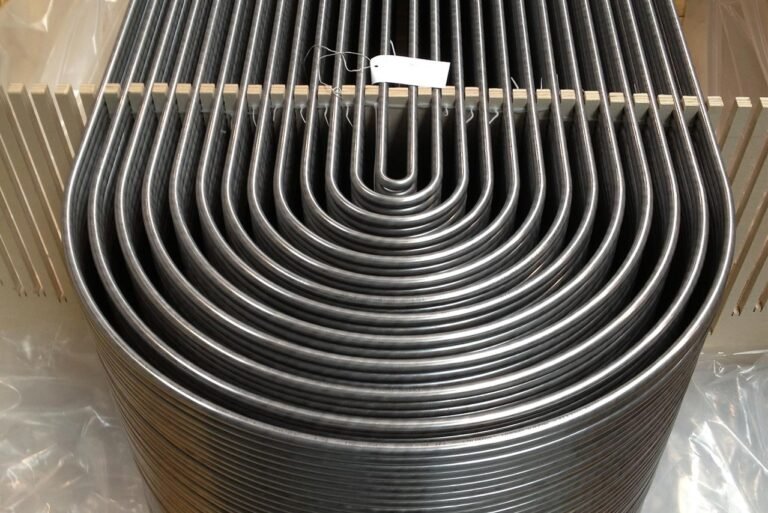
  • U-bend tubes in heat exchangers, boilers

Key Features:

  • High ductility and weldability
  • Good resistance to oxidizing and moderately reducing environments
  • Grades like TP316L are ideal for chloride-containing media

What Is ASTM A789?

ASTM A789 covers seamless and welded Duplex stainless steel tubing, combining:

  • Ferritic and austenitic microstructures
  • Common materials: UNS S31803 (2205), S32205, S32750 (Super Duplex)

Typical Applications:

  • Offshore oil platforms
  • Subsea pipelines and manifolds
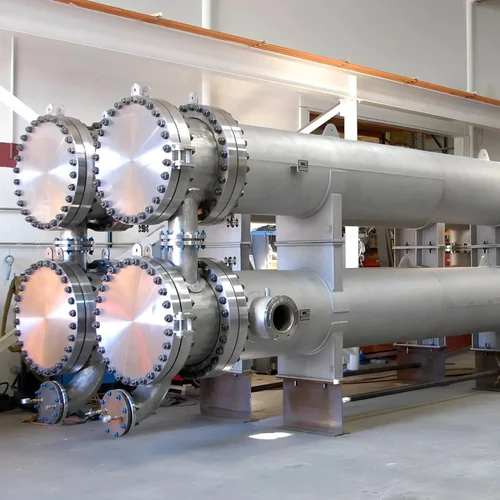
  • Heat exchangers exposed to aggressive brine or sour service

Key Features:

  • Superior strength (2x that of austenitic steels)
  • High resistance to chloride pitting, crevice corrosion, and stress corrosion cracking
  • Lower thermal expansion than austenitic grades

Read: ASTM A789/A789M official page on ASTM.org


Technical Comparison Table

ParameterASTM A312ASTM A789
Material TypeAustenitic stainless steelDuplex stainless steel
Typical GradesTP304, TP316, TP321, TP904LS31803, S32205, S32750
Corrosion ResistanceExcellent (general & oxidizing)Superior (chloride & sour)
Tensile Strength (min)~515 MPa (TP316L)~620 MPa (S32205)
Yield Strength (min)~205 MPa~450 MPa
WeldabilityExcellentModerate (requires care)
CostLowerHigher
Ideal ApplicationGeneral refinery/petrochemOffshore, sour service
Standards CompatibilityASME B31.3, EN 10216-5NACE MR0175/ISO 15156

When to Use ASTM A312

Choose A312 tubes when:

  • Operating temperatures exceed 500°C
  • Corrosive media is oxidizing (e.g., nitric acid)
  • High formability or bending is needed
  • Project budgets are constrained

Typical Projects: Natural gas separation, LNG terminals, sulfur recovery units.


When to Use ASTM A789

Choose A789 tubes when:

  • Chloride content is high (e.g., seawater, brine)
  • Mechanical strength is a priority
  • Compliance with NACE MR0175 is mandatory
  • You need thinner walls for same pressure rating

Typical Projects: Offshore oil production, subsea manifolds, FPSO heat exchangers.


DLSS Manufacturing Capability

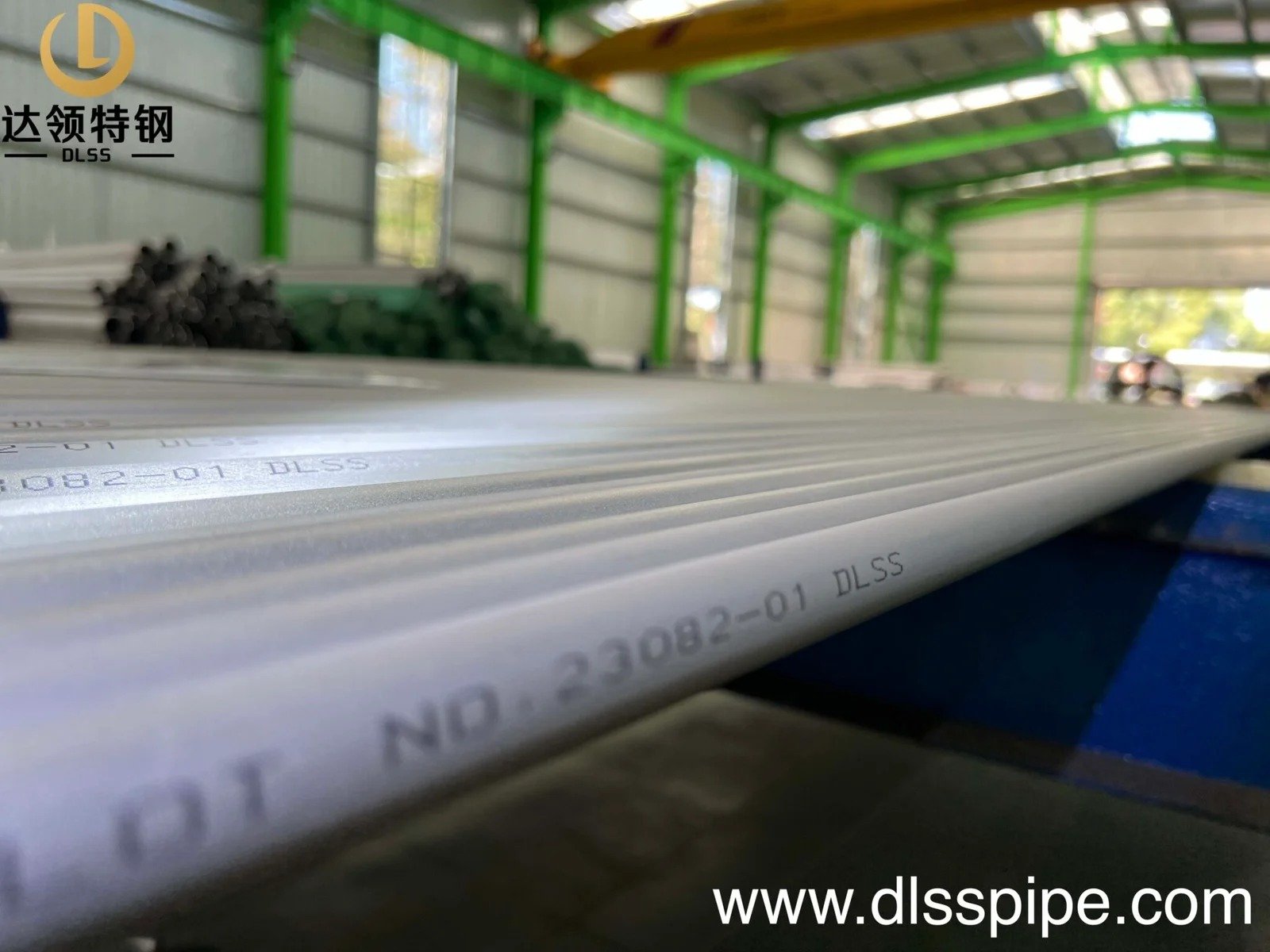
DLSS offers:

  • ASTM A312 tubes: in 304L, 316L, 321, 347, 904L
  • ASTM A789 tubes: in S31803, S32205, S32750, pickled or bright-annealed
  • U-bent tubes, cut-to-length, and coiled tubing
  • 100% Eddy Current / UT / Hydrostatic tests
  • Full MTC EN 10204 3.1 / 3.2, NACE compliance

Conclusion

ASTM A312 and A789 serve distinct roles in the oil & gas pipeline and process industries:

  • Use A312 for general austenitic stainless piping
  • Use A789 for superior strength and sour service protection

DLSS helps you navigate both standards with precision manufacturing, full documentation, and global shipment support.


Contact DLSS
Email: info@dlsspipe.com
Website: www.dlsspipeline.com

Need help selecting between A312 and A789? Our technical team is ready to assist with specification and sourcing advice.

Wonderful! Share This Case:

Austenitic Stainless Steel

Duplex Stainless Steel

Nickel Alloys

▪ Incoloy Family

▪ Inconel Family

▪ Monel Family

▪ Hastelloy Family

▪ Other Special Alloys

Cobalt Alloys

Related Posts

ASTM Standards for Nickel and Titanium Pipes: A Complete Guide

ASTM Standards for

1. Introduction When sourcing nickel alloy and titanium pipes for chemical plants, desalination projects, or power plants, compliance with ASTM standards is a key requirement. ASTM (American Society for Testing and Materials) specifications define the chemical composition, mechanical properties, testing, and delivery conditions for these critical materials. This article provides...

Read More

Why Seamless Stainless

When designing a high-performance heat exchanger, tube material is a critical factor. Stainless steel, particularly in seamless form, is gaining popularity across industries thanks to its mechanical strength, corrosion resistance, and thermal reliability. In this article, we’ll break down why seamless stainless steel tubes are the ideal choice for demanding heat exchanger...

Read More
U-Bent Heat Exchanger Tubes: Precision and Reliability for Industrial Efficiency

U-Bent Heat Exchanger

Introduction In complex thermal systems—such as boilers, condensers, and heat recovery units—U-bent stainless steel tubes offer a compact, efficient, and high-performance solution. Their curved design allows for greater heat transfer in limited space, with minimal pressure loss and easier maintenance access. These tubes are particularly valuable in South American energy...

Read More
The Role of Heat Treatment in Stainless Steel Tube Manufacturing

The Role of

Introduction Heat treatment is not just a step in the production of stainless steel tubes—it is a fundamental quality determinant that affects corrosion resistance, mechanical strength, and long-term reliability. Whether you’re sourcing ASTM A213 heat exchanger tubes, duplex stainless pipes, or nickel alloy tubes, understanding the heat treatment process will...

Read More
Why Japanese Heat Exchanger Manufacturers Prefer TP316L Tubes(日本の熱交換器メーカーがTP316Lチューブを選ぶ理由)

Why Japanese Heat

1. Introduction TP316L heat exchanger tube Japan is the top choice for many 日本の熱交換器メーカー (Japanese heat exchanger manufacturers) that require exceptional corrosion resistance, precise dimensions, and long service life. Whether for 海水淡水化プラント (seawater desalination plants), chemical processing, or power generation, TP316L delivers consistent performance in Japan’s demanding industrial environments. 2....

Read More
EN vs ASTM Standards for Stainless Steel Tubes – What’s the Difference and How to Choose?

EN vs ASTM

Introduction Global industrial projects often involve suppliers and clients from different regions—especially Europe, America, and Asia. As a result, you may encounter both ASTM and EN standards when sourcing stainless steel seamless tubes. Understanding how these standards differ helps ensure proper specification alignment, regulatory compliance, and performance reliability. 1. Overview:...

Read More
Brinell Rockwell Vickers Shore hardness stainless steel tubes

Definitions and Representation

Introduction Hardness is one of the most important mechanical properties for evaluating metallic materials. It reflects a material’s resistance to deformation, wear, and penetration, which is critical for stainless steel seamless tubes used in boilers, heat exchangers, and petrochemical equipment. The most widely used hardness testing methods are Brinell (HB),...

Read More
Geothermal Heat Exchangers: How They Work and Why Stainless Steel Tubes Matter

Geothermal Heat Exchangers:

As global interest in renewable energy grows, geothermal systems are increasingly being adopted for heating, cooling, and even power generation. At the heart of these systems are geothermal heat exchangers, responsible for transferring thermal energy between the ground and the working fluid. This article explains how geothermal heat exchangers work,...

Read More

Request A Quote

*We respect your confidentiality and all information are protected.