Applications of Stainless Steel Seamless Pipes in the Shipbuilding Industry

DLSS - Shipbuilding Industry - Applications of Stainless Steel Seamless Pipes in the Shipbuilding Industry

Meta Description:
Explore how stainless steel seamless pipes improve corrosion resistance, reliability, and efficiency in shipbuilding. Learn key applications, material grades, and marine standards relevant for Latin American shipyards.


Introduction

In modern shipbuilding—whether it’s a container vessel in Brazil, a naval patrol boat in Chile, or a passenger ferry in Argentina—material selection is critical. Exposure to saltwater, pressure, vibration, and corrosion demands high-performance piping systems.

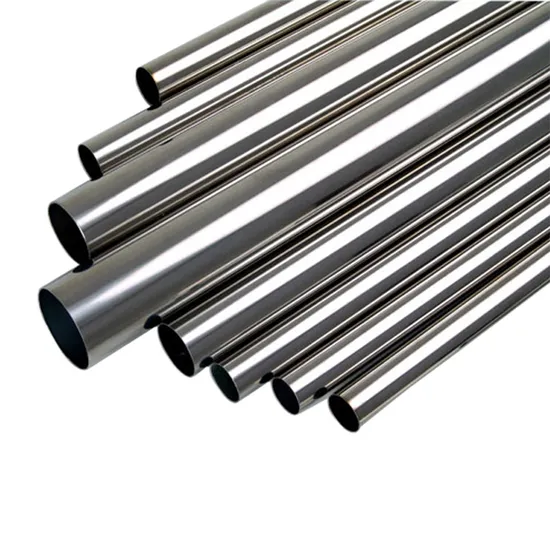
Stainless steel seamless pipes have become the go-to solution in many marine systems due to their excellent strength-to-weight ratio, resistance to pitting and crevice corrosion, and longevity in harsh environments.


Why Use Seamless Stainless Steel Pipes on Ships?

Shipboard systems require reliability under continuous motion, extreme temperatures, and exposure to seawater or chemicals. Stainless steel seamless pipes are preferred because they:

  • Eliminate weld seams, reducing failure risk
  • Offer uniform wall thickness and internal flow
  • Are highly resistant to corrosion, especially in chloride-rich marine environments
  • Require less maintenance than carbon steel alternatives

See: DNV Marine Piping Rules


Key Marine Applications

Ship SystemStainless Pipe ApplicationMaterial Recommendation
Ballast and cooling water linesLong-life corrosion-resistant pipingTP316L, Duplex 2205
Fuel and oil transfer systemsPrecision and cleanliness, high-pressure toleranceTP304L, TP316L
Firefighting systemsCorrosion-resistant safety-critical pipesSuper Duplex (UNS S32750)
Potable water / fresh waterHygienic, non-leaching pipe materialsTP316L, TP304
Wastewater and exhaust linesTemperature and acid resistanceTP321, TP316Ti, 904L
HVAC and chiller systemsSeamless pipes for coil connectionsTP316L, 1.4404

Recommended Grades & Standards

GradeFeaturesStandards Applicable
TP316LExcellent saltwater and chemical resistanceASTM A312, EN 10216-5
Duplex 2205High strength, better pitting resistanceASTM A789, ASTM A790
TP321/316TiHeat resistance, anti-intergranular corrosionASTM A312, ASME SA312
S32750For critical safety lines like firewaterASTM A790, NORSOK MDS D45
TP904LHigh-performance corrosion in acidic mediaASTM B673, EN 10216-5

Read more: Stainless Steel in Marine Environments – Nickel Institute


DLSS Capabilities for Shipbuilding Projects

FeatureSpecification
Pipe SizesOD 6 mm to 114.3 mm, WT 0.7 mm – 8 mm
Surface FinishPickled, Annealed, BA, Custom as per client
Inspection OptionsPMI, UT, Hydrostatic, Eddy Current, 3.2 certs
Standards ComplianceASTM, EN, ASME, DNV, CCS, LR, ABS
Coating / PackagingAnti-corrosion oiling, end caps, seaworthy cases
DeliveryFull export support to Brazil, Chile, Argentina

Real Project Applications

  • Chile Naval Yard: Duplex 2205 piping for seawater intake and deck drainage systems
  • Brazilian Offshore Supply Vessel: TP316L seamless coils for HVAC & chillers
  • Argentinian Ferry Refit: TP321 tubes used in high-temp exhaust and boiler piping
  • Ecuador Ship Repair Dock: 904L piping for chemical tank barges

FAQs

Q1: Are your stainless pipes approved by marine classification societies?
Yes. DLSS can supply pipes with DNV, CCS, LR, or ABS approvals and full traceability.

Q2: Do you offer duplex or super duplex pipes for shipboard fire lines?
Yes. We supply both 2205 and S32750 grades with supporting tests and impact data.

Q3: Can you supply long coils for chiller/HVAC units?
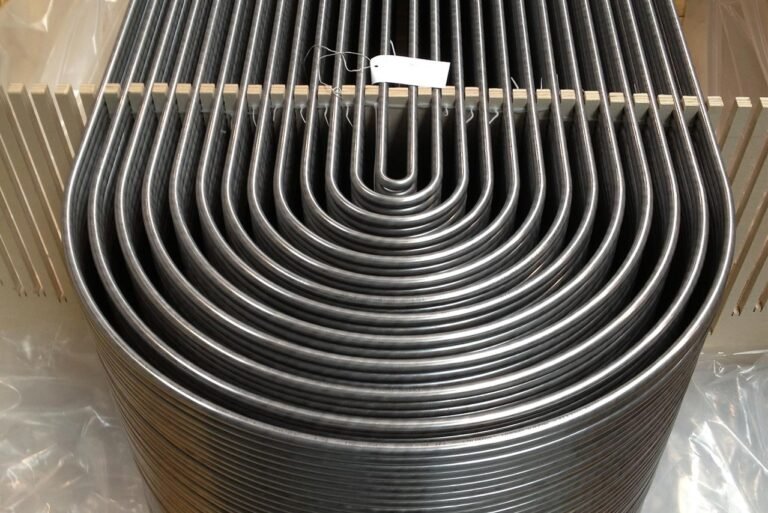
Absolutely. Seamless coil tubes are available in lengths up to 600 meters per reel.


Conclusion

As shipbuilding technology advances across Latin America, stainless steel seamless pipes play an increasingly vital role in improving corrosion resistance, weight efficiency, and system reliability. DLSS offers the expertise, materials, and certifications needed for your next marine project.


Contact DLSS
Email: info@dlsspipe.com
Website: www.dlsspipeline.com

Need help selecting the right material and specification for marine-grade piping? Contact us for technical guidance and pricing.

Wonderful! Share This Case:

Austenitic Stainless Steel

Duplex Stainless Steel

Nickel Alloys

▪ Incoloy Family

▪ Inconel Family

▪ Monel Family

▪ Hastelloy Family

▪ Other Special Alloys

Cobalt Alloys

Related Posts

TP316L Stainless Pipes for Japan’s Chemical Processing Plants – 日本化学プラント向けTP316Lステンレス管

TP316L Stainless Pipes for Japan’s

Introduction Japan’s chemical industry demands high-performance stainless steel pipes capable of withstanding aggressive media and high temperatures. TP316L stainless pipes by DLSS meet JIS G3459 – Stainless Steel Pipes for Corrosion Resistance, ensuring durability, weldability, and excellent resistance to chloride-induced corrosion common in Japanese chemical processing plants. 1. Why TP316L for Japan’s Chemical Industry(日本化学産業でTP316Lが選ばれる理由) 2. […]

Read More
How DLSS Controls Grain Size for Austenitic Stainless Steel Tubes – Why It Matters

How DLSS Controls Grain Size

Meta Description:Discover why grain size matters in stainless steel tubing and how DLSS ensures optimal grain structure through precise heat treatment, testing, and quality control. Introduction Grain size in stainless steel is more than just a microscopic characteristic—it directly affects mechanical strength, corrosion resistance, formability, and creep performance. For critical applications such as heat exchangers, […]

Read More
Corrosion Resistance in Marine Applications: Stainless Tubes for Japan(海洋用途における耐食性:日本向けステンレスチューブ)

Corrosion Resistance in Marine Applications:

1. Introduction Japan, an island nation surrounded by seawater, faces constant challenges from 塩化物腐食 (chloride corrosion) in its marine industries. Stainless steel tubes with high corrosion resistance are essential in 海水淡水化プラント (seawater desalination plants), offshore oil & gas facilities, and shipbuilding. DLSS specializes in supplying marine corrosion resistant tube Japan to meet these demanding conditions. […]

Read More
Why NACE MR0175 & ISO 15156 Matter When Sourcing Tubes for Sour Service

Why NACE MR0175 & ISO

Meta Description:Learn why compliance with NACE MR0175 / ISO 15156 is essential when selecting stainless steel or alloy tubes for sour gas environments. Understand testing, materials selection, and DLSS compliance offerings. Introduction In oil and gas applications—especially those involving sour service environments with hydrogen sulfide (H₂S)—selecting the wrong material can lead to catastrophic failure. To […]

Read More
hygienic-food-pharma-heat-exchanger-stainless-steel

Hygienic Stainless Steel Heat Exchanger

In the food and pharmaceutical industries, cleanliness is not optional—it’s mandatory. Heat exchangers in these sectors are integral to pasteurization, sterilization, CIP (clean-in-place) loops, and product temperature control. That’s why the choice of tubing is critical. Sanitary-grade stainless steel tubes ensure both product safety and regulatory compliance, while also withstanding the harsh cleaning agents and […]

Read More
Asia-Pacific Leads the Global Stainless Steel Seamless Tube Market: Trends and Opportunities Ahead

Asia-Pacific Leads the Global Stainless

Asia-Pacific (APAC) is not just the largest stainless steel seamless tube market—it’s the fastest-growing. Fueled by industrialization, infrastructure investment, and regional manufacturing dominance, APAC accounts for over 40% of global market share and is projected to grow steadily at 7.3%+ CAGR through 2030. For manufacturers, EPC contractors, and material buyers, understanding this region’s growth dynamics […]

Read More
Selecting Stainless Steel Tubes for Boilers and High-Temperature Heaters (2025 Guide)

Selecting Stainless Steel Tubes for

Why High-Temperature Applications Require Specialized Tubes Boilers, reheaters, and furnace coils operate in environments that push materials to their thermal limits. Stainless steel tubes used in these systems must withstand continuous exposure to temperatures ranging from 500°C to over 1000°C, while also resisting oxidation, creep deformation, and thermal fatigue. Without proper material selection, high temperatures […]

Read More
Global Outlook: Growth Trajectory of Stainless Steel Seamless Tube Market (2025–2030)

Global Outlook: Growth Trajectory of

The global stainless steel seamless tube market is entering a phase of steady, diversified, and value-driven expansion. As industries demand higher performance under increasingly harsh conditions, seamless tubes are gaining preference over welded ones—especially in heat exchanger, petrochemical, power, and clean energy applications. According to recent market reports, the stainless steel seamless tube market is […]

Read More

Request A Quote

*We respect your confidentiality and all information are protected.