Hygienic stainless steel tubes are used in clean process systems.
They are common in food, beverage, dairy, cosmetics, biotechnology, and pharmaceutical plants.
These systems need clean inner surfaces, good corrosion resistance, and safe material traceability.
For buyers, tube selection is not only about size and price.
The key question is:
Can this tube stay clean and safe in my process?
This guide explains how to choose hygienic stainless steel tubes for food and pharmaceutical systems. It covers material grades, surface finish, standards, cleaning, packing, inspection, and buyer checks.
What Are Hygienic Stainless Steel Tubes?
Hygienic stainless steel tubes are tubes used in systems where cleanliness is important.
They are often used for:
- Product transfer
- Purified water
- Clean steam
- CIP lines
- SIP systems
- Dairy process lines
- Beverage filling lines
- Pharmaceutical process lines
- Cosmetic production lines
These tubes usually need a smooth inner surface.
A smooth surface helps reduce:
- Product residue
- Bacteria risk
- Cleaning difficulty
- Contamination risk
- Corrosion risk
For food and pharmaceutical systems, the inner surface is very important because it may touch the product or process fluid.
Why Surface Finish Matters
Surface finish affects cleaning and hygiene.
A rough surface may hold product residue, water, or bacteria.
A smooth surface is easier to clean and easier to inspect.
Surface roughness is often measured by Ra.
Ra means roughness average.
A lower Ra value usually means a smoother surface.
Common surface finish requirements may include:
- Ra ≤ 0.8 μm
- Ra ≤ 0.6 μm
- Ra ≤ 0.4 μm
- Ra ≤ 0.25 μm
The final Ra value should follow the project standard, purchase order, and inspection report.
Ra is important, but it is not the only quality point.
Buyers should also check:
- Material grade
- Tube standard
- Inner surface condition
- Cleaning method
- Packing method
- MTC
- Ra report
- Borescope inspection, if required
Common Materials for Hygienic Tubes
The most common materials are 304L and 316L stainless steel.
For more demanding systems, other grades may be used.
| Material Grade | Common Use | Main Benefit |
|---|---|---|
| 304L | Food process water, juice, general sanitary lines | Good cost and easy welding |
| 316L | Dairy, beer, pharmaceutical water, clean process lines | Better corrosion resistance than 304L |
| 316Ti | Higher-temperature cleaning systems | Better stability under heat |
| 904L | More aggressive cleaning chemicals | Stronger corrosion resistance |
| AL-6XN | High-chloride or high-purity systems | Better pitting resistance |
For most food and beverage systems, 304L or 316L may be enough.
For pharmaceutical and high-purity systems, 316L is often preferred.
For high chloride or strong cleaning chemicals, buyers may need 904L, AL-6XN, or another special alloy.
304L vs 316L: Which One Should You Choose?
304L and 316L are both common stainless steel grades.
But they are not the same.
| Item | 304L | 316L |
| Corrosion Resistance | Good | Better |
| Chloride Resistance | Medium | Better |
| Cost | Lower | Higher |
| Weldability | Good | Good |
| Common Use | General food lines | Dairy, pharma, clean water, higher hygiene systems |
| Best For | Low-corrosion service | Higher corrosion or cleaner systems |
Choose 304L when the system is simple and corrosion risk is low.
Choose 316L when the system has higher hygiene needs, stronger cleaning chemicals, or more corrosion risk.
Common Surface Finishes
Hygienic tubes can have different surface finishes.
Each finish has a different use.
| Surface Finish | Typical Ra Range | Common Use |
| Pickled | General industrial surface | Non-product-contact or lower-cleanliness areas |
| BA | Around 0.6–0.8 μm | Clean industrial and sanitary systems |
| MP | Depends on polishing grade | Food and beverage systems |
| EP | Around 0.2–0.4 μm | Pharmaceutical and high-purity systems |
These are typical ranges only.
The final surface roughness should be confirmed by the purchase order and inspection report.
BA vs EP Tubes
BA means Bright Annealed.
EP means electropolished stainless steel tubes.
Both are used in clean systems, but they are different.
| Item | BA Tube | EP Tube |
| Full Name | Bright Annealed Tube | Electropolished Tube |
| Surface | Bright and clean | Very smooth and clean |
| Inner Cleanliness | Good | Excellent |
| Particle Risk | Medium | Low |
| Corrosion Resistance | Good | Better passive surface |
| Cost | Lower | Higher |
| Common Use | Food, beverage, clean industrial systems | Pharmaceutical, biotech, semiconductor, high-purity systems |
BA tubes are suitable for many clean process lines.
EP tubes are used when the system needs higher purity and easier cleaning.
Common Standards for Hygienic Tubes
Different projects may use different standards.
| Standard | Common Use |
| ASTM A270 | Sanitary stainless steel tubing for dairy and food use |
| ASTM A269 | Stainless steel tubing for general service |
| ASME BPE | Bioprocessing and high-purity systems |
| EN 10357 | Stainless steel tubes for food and chemical industry |
| ISO 2037 | Stainless steel tubes for food industry |
| EN 10204 3.1 / 3.2 | Material certificate and inspection documents |
Not every project needs all these standards.
Buyers should confirm the required standard before ordering.
Food and Beverage Applications
Hygienic stainless steel tubes are widely used in food and beverage plants.
Common applications include:
| Industry | Common Use |
| Dairy | Milk lines, yogurt lines, pasteurizer systems |
| Brewery | Beer transfer, CIP lines, fermentation systems |
| Beverage | Juice, water, soft drink process lines |
| Winery | Wine transfer, cleaning lines, storage tank connections |
| Food Processing | Sauces, oils, liquid food transfer |
| Cosmetics | Cream, lotion, and clean process lines |
For food and beverage systems, cleanability is very important.
The tube should be easy to clean and should not hold product residue.
Pharmaceutical Applications
Pharmaceutical systems need higher cleanliness and stronger control.
Common applications include:
- Purified water lines
- WFI lines
- Clean steam lines
- Sterile process lines
- Biotech production lines
- Filling system connections
- CIP and SIP systems
In these systems, buyers often need stricter control of surface finish, cleaning, packing, and documents.
EP tubes are often required or preferred for high-purity pharmaceutical systems.
But the final requirement should follow the project specification and validation standard.
South American Project Considerations
For projects in South America, buyers should also think about shipping and documents.
Important points include:
- Long-distance sea freight
- Strong export packing
- Tube end protection
- Clean inner surface protection
- English and Spanish documents
- MTC and inspection reports
- Ra report, if required
- Third-party inspection, if required
- Fast response for repair or expansion projects
- Clear marking and traceability
For food and pharmaceutical projects, clean packing is very important.
The tubes should be protected from dust, oil, water, and damage during transport.
Cleaning and Packing Requirements
Clean tubes must stay clean before installation.
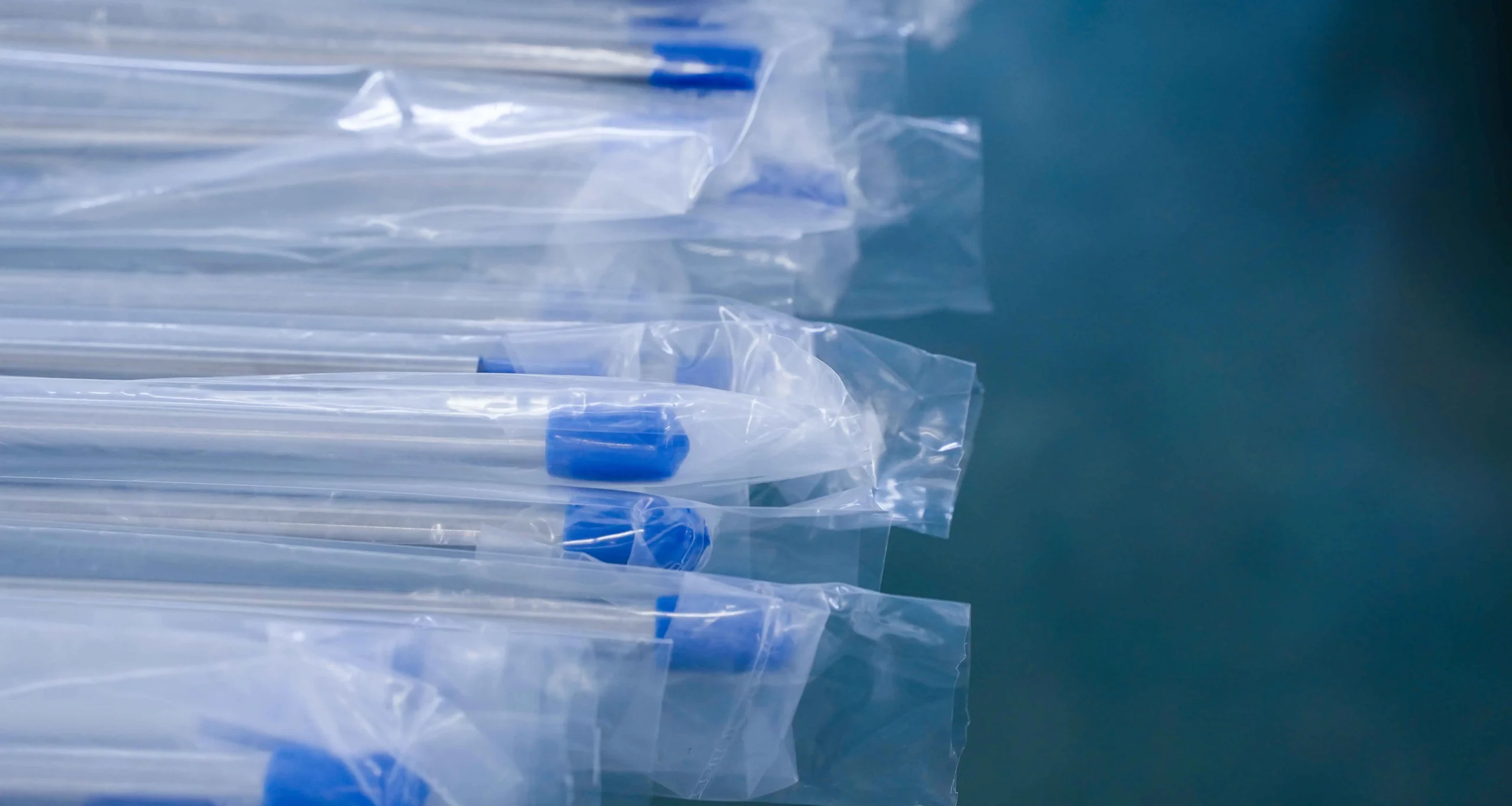
Good export packing for stainless steel tubes helps protect the tube surface during long-distance shipment.
DLSS can support packing options such as:
- Plastic end caps
- PE bag protection
- Paper wrapping
- Clean inner surface protection
- Export wooden cases
- Clear labels and markings
- Heat number traceability
- Packing photos before shipment
For BA or EP tubes, buyers may request extra protection.
For high-purity systems, packing requirements should be confirmed before production.
Inspection Requirements Before Shipment
Inspection helps reduce quality risk.
For hygienic stainless steel tubes, buyers may request:
| Inspection Item | Purpose |
| MTC Review | Checks chemical and mechanical properties |
| PMI Test | Confirms material grade |
| Ra Test | Checks surface roughness |
| Borescope Inspection | Checks inner surface condition |
| Dimensional Inspection | Checks OD, WT, and length |
| Surface Inspection | Checks scratches, dents, and defects |
| Visual Inspection | Checks marking, ends, and appearance |
| Packing Inspection | Checks caps, bags, labels, and wooden cases |
| Third-Party Inspection | Gives independent inspection before shipment |
For product-contact systems, surface inspection is very important.
For high-purity systems, buyers may also request borescope photos and Ra reports.
Documents Buyers Should Request
Documents help buyers check traceability.
For hygienic tube orders, buyers may request:
- Mill Test Certificate
- Chemical composition report
- Mechanical property report
- Heat treatment record
- Ra report
- PMI report
- Borescope inspection report
- Dimensional inspection report
- Packing photos
- EN 10204 3.1 certificate
- EN 10204 3.2 certificate, if required
- Third-party inspection report, if required
The heat number on the document should match the tube marking.
This helps with project approval and quality tracking.
Buyer Checklist Before Ordering
Before sending an inquiry, buyers should prepare clear information.
Hygienic Tube Inquiry Checklist
- Material grade
- Standard
- OD
- Wall thickness
- Length
- Quantity
- Seamless or welded requirement
- Surface finish: BA, EP, MP, or pickled
- Required Ra value
- Inner surface inspection requirement
- Borescope inspection, if required
- MTC requirement
- Ra report requirement
- Cleaning requirement
- End cap requirement
- Packing requirement
- Third-party inspection requirement
- Destination country or port
- Required delivery time
A clear inquiry helps the supplier quote faster.
It also reduces the risk of wrong material selection.
How DLSS Supports Hygienic Tube Projects
DLSS supplies stainless steel tubes for food, beverage, dairy, cosmetic, and pharmaceutical systems.
We can support:
- 304L stainless steel tubes
- 316L stainless steel tubes
- Hygienic stainless steel tubes
- Sanitary stainless steel tubing
- Seamless stainless steel tubes
- BA tubes
- EP tubes
- Polished tubes
- Custom OD, WT, and length
- MTC documents
- PMI testing
- Ra inspection
- Borescope inspection, if required
- Dimensional inspection
- Surface inspection
- Clean packing
- Export wooden case packing
- Third-party inspection support
DLSS can also help buyers review the material grade, surface finish, inspection, and packing requirements before shipment.
Common Mistakes to Avoid
Buyers should avoid these mistakes:
- Choosing only by price
- Not confirming Ra value
- Not checking surface finish
- Not confirming cleaning method
- Not requesting MTC
- Not checking heat number traceability
- Not confirming end cap and packing
- Using 304L when 316L is required
- Using BA when EP is required
- Not checking project standard before ordering
Most problems can be reduced when the technical details are confirmed before production.
FAQ
What are hygienic stainless steel tubes?
Hygienic stainless steel tubes are tubes used in clean process systems. They are designed for easy cleaning, good corrosion resistance, and safe product contact.
What is the best material for hygienic tubes?
304L and 316L are the most common materials. 316L is often preferred for higher hygiene needs, stronger cleaning chemicals, or better corrosion resistance.
What is ASTM A270?
ASTM A270 is a standard for sanitary stainless steel tubing. It is commonly used for dairy, food, and sanitary applications.
What is the difference between BA and EP tubes?
BA tubes are bright annealed. EP tubes are electropolished. EP tubes usually have a smoother and cleaner inner surface, so they are often used for high-purity systems.
What Ra value is needed for hygienic tubes?
It depends on the project. Common values may include Ra ≤ 0.8 μm, Ra ≤ 0.6 μm, Ra ≤ 0.4 μm, or lower. The final value should follow the project specification.
Are EP tubes always required for pharmaceutical systems?
Not always. EP tubes are often required or preferred for high-purity pharmaceutical systems. But the final requirement should follow the project specification and validation standard.
Can DLSS provide inspection documents?
Yes. DLSS can provide MTC, PMI report, Ra report, dimensional inspection report, packing photos, and third-party inspection support when required.
Conclusion
Hygienic stainless steel tubes are important for food, beverage, dairy, cosmetic, biotechnology, and pharmaceutical systems.
The right tube helps improve cleanability, corrosion resistance, traceability, and process safety.
Before ordering, buyers should confirm the material grade, standard, size, surface finish, Ra value, inspection, documents, cleaning, and packing.
For general food systems, 304L or 316L may be suitable.
For pharmaceutical and high-purity systems, 316L BA or EP tubes may be required.
DLSS supplies hygienic stainless steel tubes, sanitary stainless steel tubing, BA tubes, EP tubes, and seamless stainless steel tubes for clean process systems.
If you need hygienic stainless steel tubes for a food, beverage, or pharmaceutical project, send us your material grade, standard, size, Ra value, surface finish, quantity, and inspection requirements. Our team will help review your inquiry before quotation.