ASTM vs JIS Standards: Choosing the Right Stainless Tube for Japan(ASTM規格とJIS規格の比較:日本市場向けステンレスチューブの選び方)

DLSS - Market Insights – Japan - ASTM vs JIS Standards: Choosing the Right Stainless Tube for Japan(ASTM規格とJIS規格の比較:日本市場向けステンレスチューブの選び方)

1. Introduction

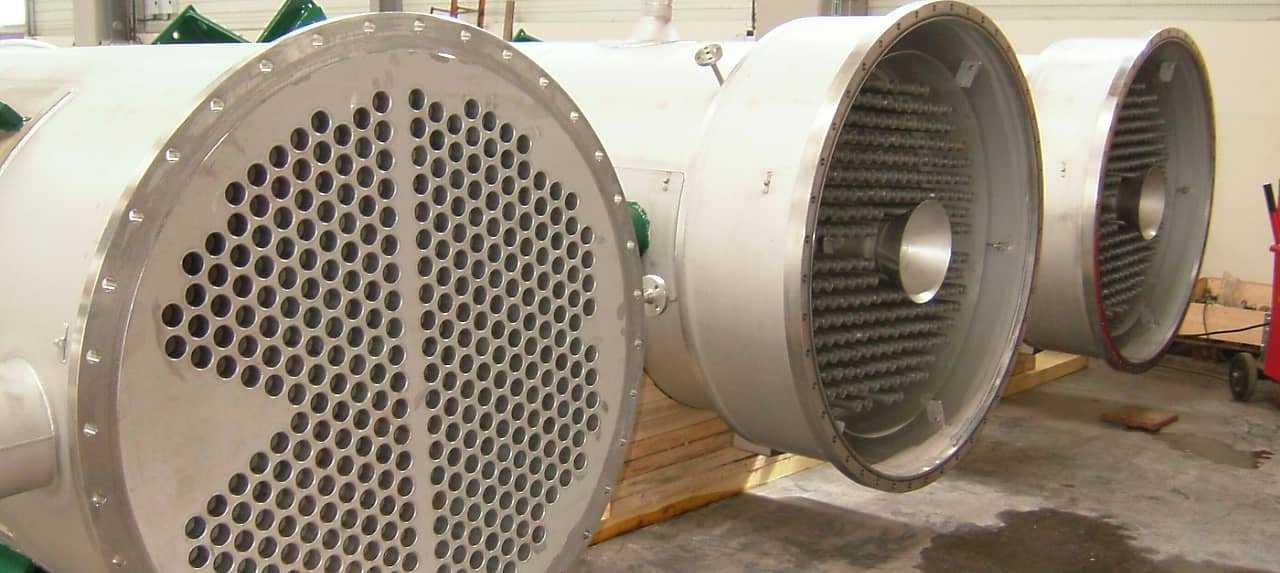
In the Japanese stainless steel tube market, buyers often compare ASTM (American Society for Testing and Materials) and JIS (Japanese Industrial Standards) specifications. Both systems have rigorous requirements, but understanding their differences is key to choosing the right stainless steel seamless tube Japan for specific applications such as 熱交換器 (heat exchangers) and 産業配管 (industrial piping).


2. Overview of ASTM and JIS Standards

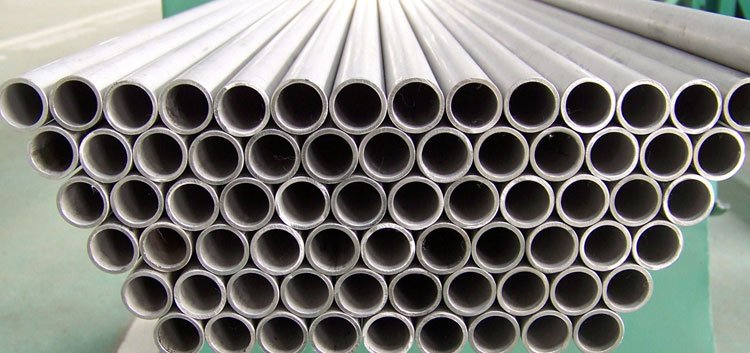
ASTM A213 (for seamless austenitic stainless steel tubes):

  • Common grades: TP304, TP316, TP321, etc.
  • Covers tubes for boilers, superheaters, and heat exchangers
  • Testing: hardness, flattening, flaring, hydrostatic or NDT

JIS G3459 (for seamless stainless steel pipes):

  • Common grades: SUS304, SUS316, SUS321, etc.
  • Focused on corrosion-resistant piping at elevated temperatures
  • Testing: tensile, flattening, hydraulic pressure

Key Difference:

  • Dimension tolerances: JIS often specifies tighter OD/WT tolerances for domestic applications in Japan
  • Marking & documentation: JIS requires Japanese format and labeling for local use

3. When to Choose ASTM vs JIS in Japan

  • For Export Projects:
    ASTM is more recognized in international projects involving Japanese EPC contractors working overseas.
  • For Domestic Installations:
    JIS is preferred for projects in Japan, especially in public infrastructure, marine, and food industry applications.
  • For Mixed Standard Requirements:
    Some Japanese clients accept dual-certified tubes (ASTM + JIS) to maintain flexibility in sourcing and compliance.

Reference: JIS G3459 Standard | ASTM A213 Standard


4. DLSS Dual Standard Supply Capability

DLSS manufactures and supplies dual-certified tubes meeting both ASTM and JIS requirements:

  • Full chemical & mechanical testing for both standards
  • Marking in both ASTM and JIS formats
  • Certification packages in English & Japanese
  • Strict surface quality control for 外観検査 (appearance inspection)
  • Short lead times for urgent orders

5. Benefits for Japanese Buyers

  • Avoids supply chain delays when switching between domestic and export projects
  • Maintains compliance with Japanese regulation while satisfying global project requirements
  • Offers better flexibility in inventory management for distributors and trading companies

6. Conclusion & Call to Action

Whether you need ASTM vs JIS stainless tube Japan, DLSS offers precise manufacturing, dual-standard compliance, and strong export packaging to meet your needs. Contact us to discuss your next project.

info@dlsspipe.com | www.dlsspipeline.com

Wonderful! Share This Case:

Austenitic Stainless Steel

Duplex Stainless Steel

Nickel Alloys

▪ Incoloy Family

▪ Inconel Family

▪ Monel Family

▪ Hastelloy Family

▪ Other Special Alloys

Cobalt Alloys

Related Posts

Finned Tube Heat Transfer Coefficient: Key Factors and Optimization Strategies

Finned Tube Heat Transfer Coefficient:

The heat transfer coefficient is one of the most important performance indicators of a finned tube. It determines how efficiently heat can be transferred between the tube-side and the air-side or shell-side medium. By understanding and optimizing the key factors that influence this coefficient, engineers can significantly improve overall heat exchanger efficiency. For an overview […]

Read More
Nickel Alloy Steel Seamless Pipes and Tubes: Industrial Advantages and Applications

Electropolished (EP) Stainless Steel Tubes

Electropolished (EP) Stainless Steel Tubes: The Key to High-Purity Piping Systems Updated: October 6, 2025 · Author: DLSS Technical Team In high-purity industries — from semiconductor wafer fabrication to pharmaceutical cleanrooms — even microscopic surface roughness can harbor contaminants and compromise sterile operations. That’s why electropolished (EP) stainless steel tubes have become the preferred choice […]

Read More
Nickel Alloy Steel Seamless Pipes and Tubes: Industrial Advantages and Applications

Nickel Alloy Steel Seamless Pipes

Introduction Nickel alloy steel seamless pipes and tubes are essential materials in demanding industries where components must withstand extreme temperatures, corrosive chemicals, and high pressure. Their seamless structure combined with the superior characteristics of nickel-based alloys makes them the material of choice for chemical processing, petrochemical, marine, power generation, and LNG applications. Nickel-based alloys are […]

Read More
How to Size a Shell and Tube Heat Exchanger: Key Design Parameters

How to Size a Shell

1. Introduction – Shell and Tube Heat Exchanger Sizing Proper shell and tube heat exchanger sizing ensures optimal performance, energy efficiency, and long service life. Incorrect sizing can lead to excessive pressure drops, fouling, or insufficient heat transfer. This guide outlines the key design parameters to consider when sizing a shell and tube heat exchanger, […]

Read More
Quality Inspection Methods for Stainless Steel Heat Exchanger Tubes

Quality Inspection Methods for Stainless

Ensuring the quality of stainless steel tubes is critical for the long-term reliability and safety of heat exchangers. Whether used in chemical plants, power stations, oil & gas facilities, or food processing systems, defective or poorly inspected tubes can lead to costly failures, shutdowns, or safety hazards. In this article, we cover the most important […]

Read More
Heat Exchangers in the Food and Beverage Industry: Hygienic Design and Stainless Steel Tube Selection

Heat Exchangers in the Food

In the food and beverage (F&B) industry, heat exchangers play a vital role in processes such as pasteurization, sterilization, CIP cleaning, and temperature control in production lines. These systems must meet stringent hygiene requirements, resist corrosion, and maintain high thermal efficiency under continuous operation. This article explores how heat exchangers are used in F&B, the […]

Read More
Stainless steel seamless bright tube

How DLSS Performs 100% Eddy

Meta Description:DLSS explains how 100% eddy current testing (ET) ensures the quality and reliability of seamless stainless steel tubes. Learn about standards, test principles, and defect detection. Introduction In critical industries like heat exchangers, petrochemicals, boilers, and nuclear power, the demand for defect-free stainless steel tubing is non-negotiable. One of the most reliable non-destructive testing […]

Read More
High-Frequency Welded Finned Tubes: Advantages and Ideal Applications

High-Frequency Welded Finned Tubes: Advantages

High-frequency welded finned tubes are one of the most widely used designs in industrial heat exchangers due to their strong metallurgical bonding and excellent heat transfer capabilities. This manufacturing method ensures a durable, efficient, and long-lasting solution for demanding thermal applications. If you are unfamiliar with finned tubes in general, read our guide on What […]

Read More

Request A Quote

*We respect your confidentiality and all information are protected.